💊 ¿Cuántos Días de Antibiótico Son Suficientes… y Cuándo Estamos Tratando de Más?
🔰📚ACC 2026
🧪 PCT y PCR
⏱️Cursos Cortos
🧠Evaluación Clínica vs Duración Fija
⚠️ Menos Antibiótico ≠ Peor Desenlace
Enlace a Artículo Completo👇🏻✅🆓
https://t.co/xumUMHaxVK
🔥 Cytokine storm: when the immune system becomes the disease
We often say “hyperinflammation”…
But that doesn’t capture the reality.
👉 This is not just inflammation.
👉 This is a self-amplifying biological cascade.
📌 What actually happens
Cytokine storm is driven by:
• Excess cytokine release (IL-1, IL-6, TNF, IFNγ)
• Innate immune overactivation
• A positive feedback loop between cytokines and cell death (PANoptosis)
Once triggered:
➡️ Cytokines → cell death
➡️ Cell death → more cytokines
➡️ Loop continues → systemic collapse
⚠️ Why patients crash fast
It’s not linear. It’s exponential.
From the temporal model:
🟢 Hours–Days 1–2 (Onset)
Fever, early cytokine release
🟡 Days 2–5 (Amplification)
Immune recruitment, vascular leak
🔴 Days 5–10 (Crisis)
ARDS, coagulopathy, multiorgan failure
⚫ After Day 10
Either recovery… or immune exhaustion and death
🧠 Key clinical insight
👉 The damage is not only from cytokines
👉 It is from cytokine-driven cell death + endothelial injury
This explains:
• Capillary leak
• Microthrombosis
• Organ failure
• Shock physiology
🧪 Triggers are diverse
• Sepsis
• COVID-19
• Autoimmune diseases (SLE, MAS)
• Malignancy
• CAR-T therapy
Different triggers ➡️ Same final pathway
💡 The mistake
Treating it as “just inflammation”
Because:
❌ Not all cytokines are equal
❌ Not all phases respond to the same therapy
❌ Timing is everything
🚨 Bottom line
Cytokine storm is:
👉 A runaway immune feedback system
👉 Driven by PANoptosis + cytokine loops
👉 Leading to multisystem failure if not interrupted early
📚 Karki R. et al. (2026). Cytokine storm. Nature Reviews Disease Primers. https://t.co/5vXjDnlgI4
🧠 Altered Mental Status in ICU: stop labeling, start thinking
“Delirium.”
“Toxic-metabolic encephalopathy.”
We say it every day…
But often it’s a diagnostic shortcut.
📌 Reality check
• >30% of ICU patients develop delirium
• Associated with ↑ mortality, ↑ ventilator days, ↑ long-term cognitive decline
But here’s the key:
👉 AMS is a syndrome, not a diagnosis
⚠️ The biggest mistake
Assigning a non-specific label
➡️ Without ruling out treatable CNS pathology
Because:
• Stroke
• Nonconvulsive status epilepticus (~15% of unexplained AMS)
• CNS infection
• Drug toxicity
• ICP crisis
…can all hide behind “encephalopathy”
🔍 Approach that actually works
Think in layers:
1️⃣ Rule out immediately dangerous causes
• Stroke (CT ± CTA)
• Status epilepticus (EEG)
• CNS infection (LP ± PCR)
2️⃣ Assess systemic drivers
• Sepsis
• Renal/hepatic failure
• Electrolytes
• Drugs (and withdrawals)
3️⃣ Use bedside neuro tools
• Pupillometry
• Optic nerve sheath diameter (ICP)
• TCD (perfusion)
• EEG (high yield in ICU)
🧪 Key insight
👉 Up to 1 in 8 ICU patients have a neurologic complication requiring targeted therapy
Miss it → worse outcomes.
💡 Clinical mindset
Before saying “TME” or “delirium”:
Ask yourself:
❓ Is this disproportionate to systemic illness?
❓ Is there a focal sign I’m ignoring?
❓ Could this be reversible with specific treatment?
🚨 Bottom line
In ICU:
👉 AMS is not noise
👉 It is a signal of something specific
And your job is to find it fast.
📚 Albin CSW et al. (2024). The Approach to Altered Mental Status in the Intensive Care Unit. Semin Neurol. https://t.co/n212hQ5Xsx
💉🩺Rapid sequence intubation in 2026: we are no longer “protecting the airway.”
We are managing physiology under extreme stress.
The latest evidence challenges one of the oldest dogmas in critical care.
RSI was designed to prevent aspiration.
But today, the real enemy is often hypoxemia and cardiovascular collapse.
1. Aspiration is no longer the central problem
For decades, RSI was built around one fear: aspiration.
But emerging data suggest:
RSI may not significantly reduce aspiration
It may increase hypoxemia and hemodynamic instability
The paradigm is shifting:
👉 From aspiration avoidance → to physiologic optimization
2. First-pass success is everything
Every additional attempt increases:
Hypoxia
Hemodynamic collapse
Mortality
Modern RSI is built around one goal:
Get it right the first time.
That means:
Videolaryngoscopy first-line
Stylet routinely
Team choreography, not improvisation
3. Preoxygenation is now a therapeutic intervention
Not just a step—a determinant of survival
NIV > face mask
HFNO as adjunct
Semi-upright positioning
And one key shift:
👉 Gentle ventilation is no longer taboo
Done correctly, it reduces hypoxemia without increasing aspiration risk.
4. Hemodynamics matter more than ever
Up to 40–50% of patients experience peri-intubation instability.
The modern approach:
Avoid propofol in unstable patients
Favor etomidate or ketamine
Consider prophylactic vasopressors
Fluid loading?
Not routinely beneficial.
5. Cricoid pressure: from dogma to doubt
No clear benefit in preventing aspiration
May worsen laryngoscopy and ventilation
Current thinking:
👉 Use selectively, or not at all
6. RSI is no longer a rigid protocol
It is now:
Patient-specific
Physiology-driven
Team-dependent
With tools like:
Gastric ultrasound
POCUS-guided decisions
Structured airway protocols
7. The real determinant of success: human factors
Preparation, communication, and coordination matter as much as drugs.
Because in critical care:
The airway is not just anatomy.
It is a moment of systemic vulnerability.
🤓Final message
RSI has evolved:
From speed → to precision
From protocol → to physiology
From individual skill → to team performance
And ultimately:
The goal is no longer just to intubate.
It is to intubate without killing the patient.
📃Reference
Boulos NM et al. Anaesth Crit Care Pain Med. 2026. https://t.co/KWUfUtAMyP
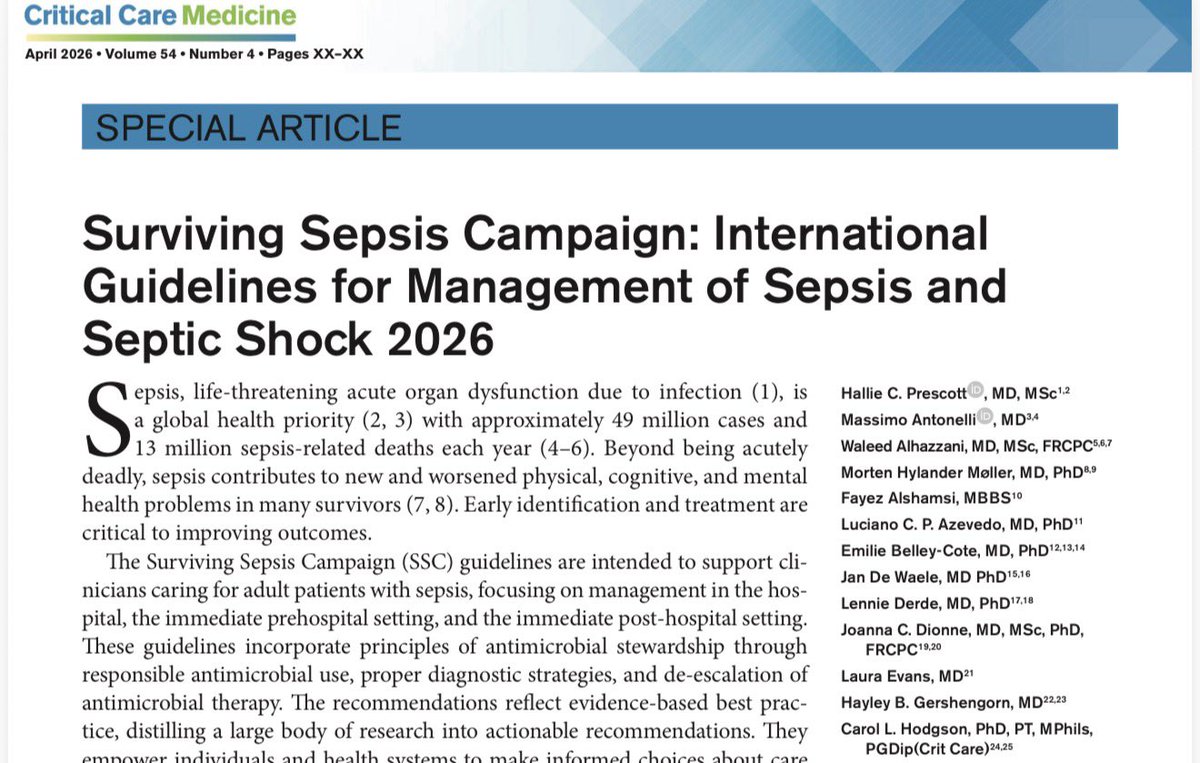
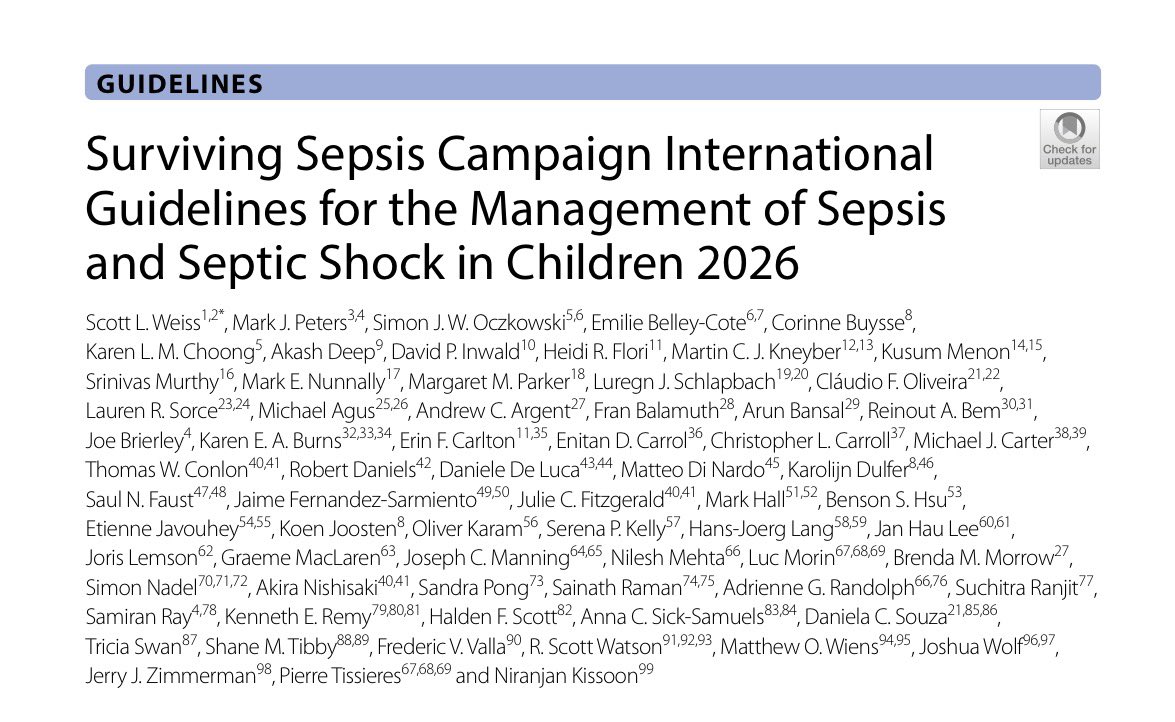
¿Acaso es Navidad? Nuevas guías Surviving Sepsis 2026, tanto adultos como niños.
Lectura obligada para los profesionales de la salud 🔥🔥🔥🔥
Acceso gratuito.
Referencia: https://t.co/33vJ0a3iut
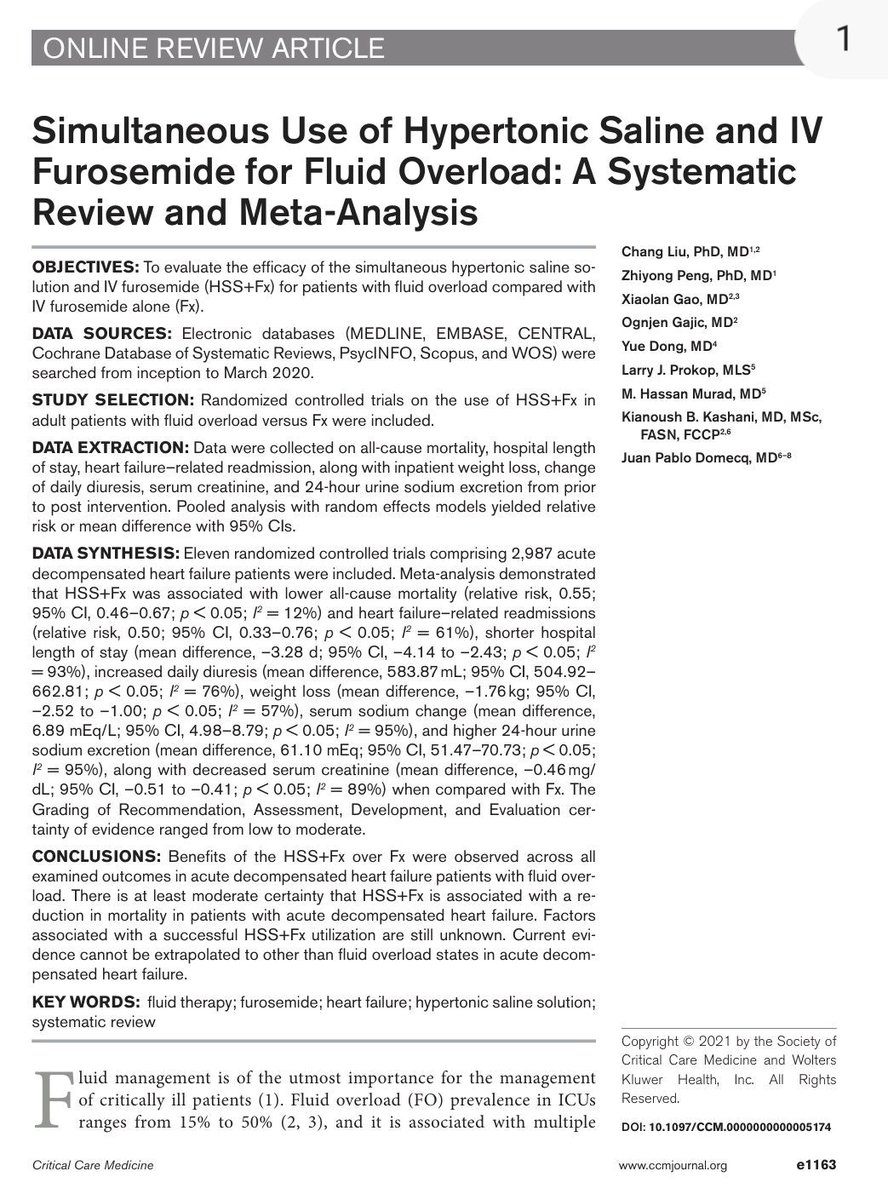
💧 Hypertonic saline + furosemide in fluid overload.
Fluid overload remains a major driver of morbidity and mortality in critically ill patients and acute decompensated heart failure.
A systematic review and meta analysis evaluating the combination of hypertonic saline solution with intravenous furosemide provides important insights into a potential strategy to enhance decongestion.
🔑 Key findings:
• 11 randomized controlled trials
• 2987 patients with acute decompensated heart failure
• Compared with furosemide alone, the combination therapy was associated with:
Reduced all cause mortality
Reduced heart failure related readmissions
Shorter hospital length of stay
• Improved decongestion profile:
Higher daily diuresis
Greater weight loss
Increased natriuresis
Reduction in serum creatinine
• Physiological interpretation:
Hypertonic saline may improve intravascular refill and renal perfusion
Enhances diuretic response and sodium excretion
Potentially overcomes diuretic resistance
👉 Clinical perspective:
This strategy may be particularly useful in patients with diuretic resistance and severe congestion
However, evidence remains moderate and should be individualized
👉 Bottom line:
Not just removing fluid
Optimizing the intravascular compartment is key
📖 Reference
Liu C, Peng Z, Gao X, et al. Simultaneous use of hypertonic saline and IV furosemide for fluid overload. Critical Care Medicine. 2021. doi:10.1097/CCM.0000000000005174
Newer clinicians may not know this or appreciate how important this is : Acidosis, particularly with a pH <7.20 , significantly impairs the effectiveness of vasopressors by reducing vascular reactivity to catecholamines (norepinephrine, epinephrine) and decreasing cardiac contractility. This leads to refractory hypotension and worsened shock. The primary management focus is reversing the underlying cause of acidosis. Bicarbonate will temporize->but you need to get to the route problem.
When someone is hypotensive-it’s often or commonly multifactorial. When addressing it - you must pull the appropriate levers. Address each individual contributor. Is the patient on calcium channel blocker, but also now septic ? Consider reversing it with CaCL.
Blood pressure is mediated by the tank (volume), the pump (LVEF), heart rate, and vascular tone (peripheral resistance). The reason why zestoretic and entresto are so powerful at treating HTN is they attack 2 of the levers at the same time.
You should optimize each lever in treating shock/hypotension. People with profound shock shouldn’t have a HR in the 50s. Treat ALL reversible causes that maybe contributing. Don’t just treat hypotension. It’s a vital sign… when vital signs are abnormal ask yourself why is it abnormal! There is a differential diagnosis. Each pressor pulls each level with different strength. Don’t engage in pharmacological warfare! Avoid dilt drips for afib when the patient is in shock on pressors. @HeartOTXHeartMD@MKIttlesonMD@DrMarthaGulati@kidney_boy
Pay attention to the kidneys often they are smarter than you are. IF you notice hourly UOP trending down (less than 30cchr) please make sure the MAP is sufficient and the tank is adequate.
Some practicing pearls from the front line.
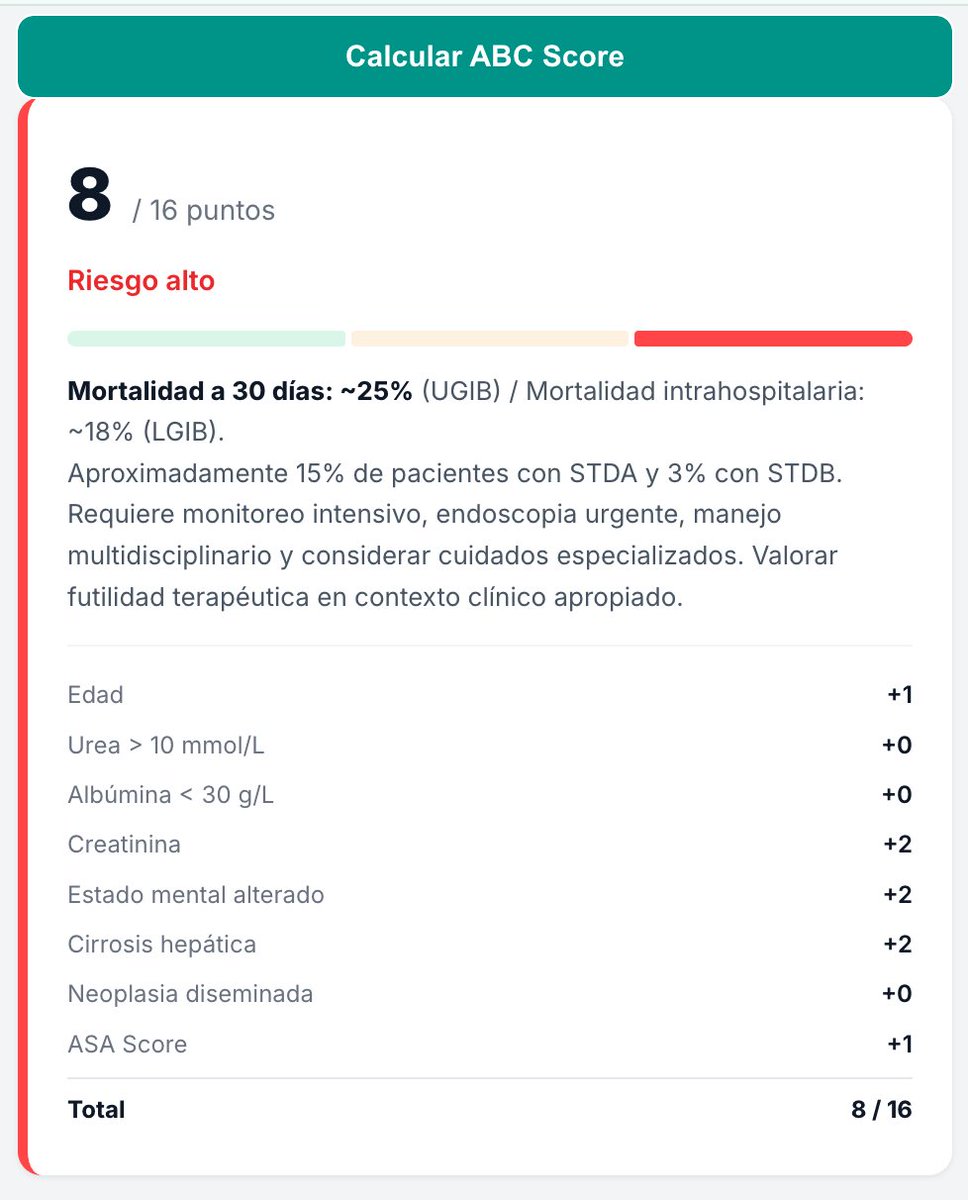
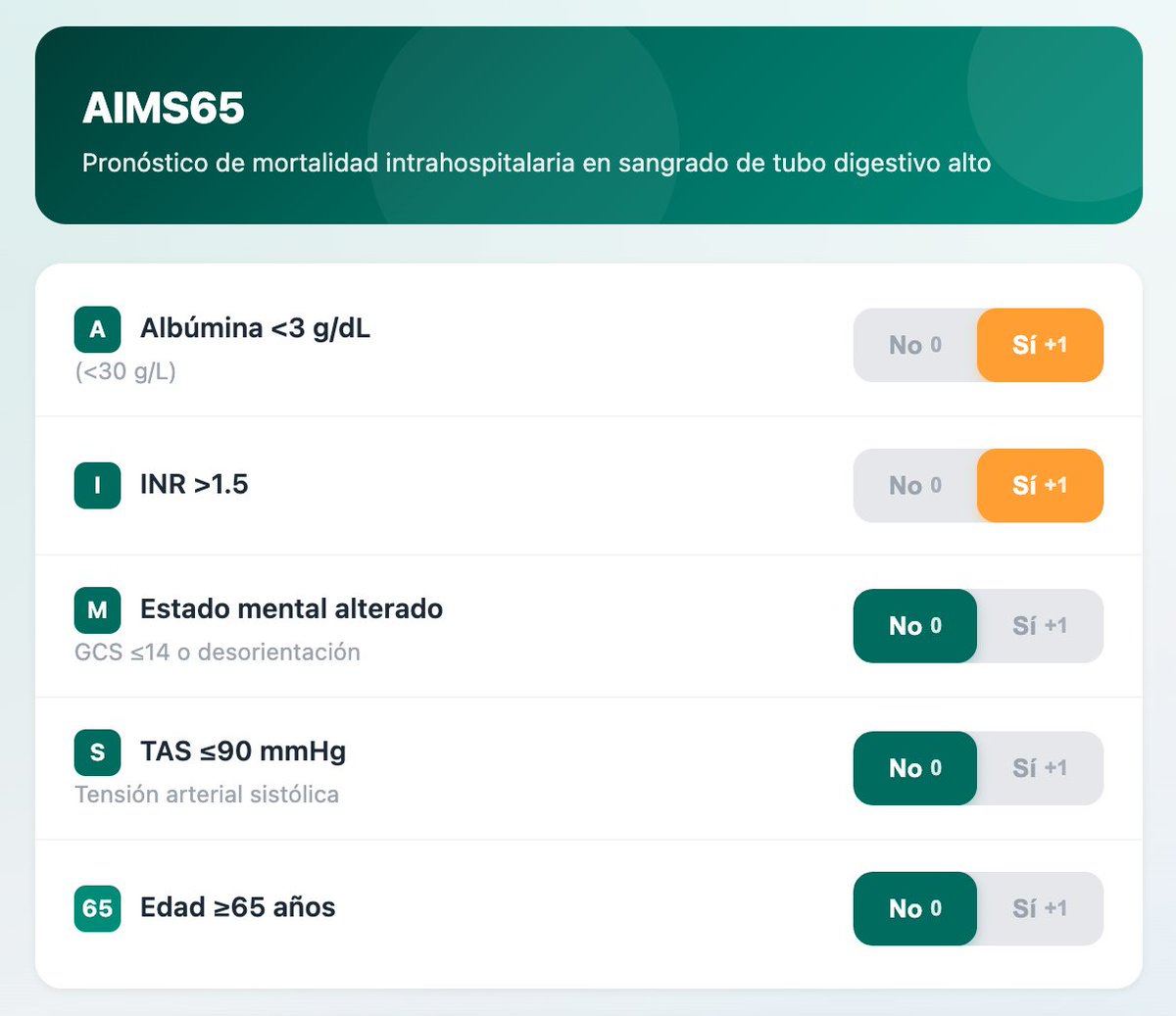
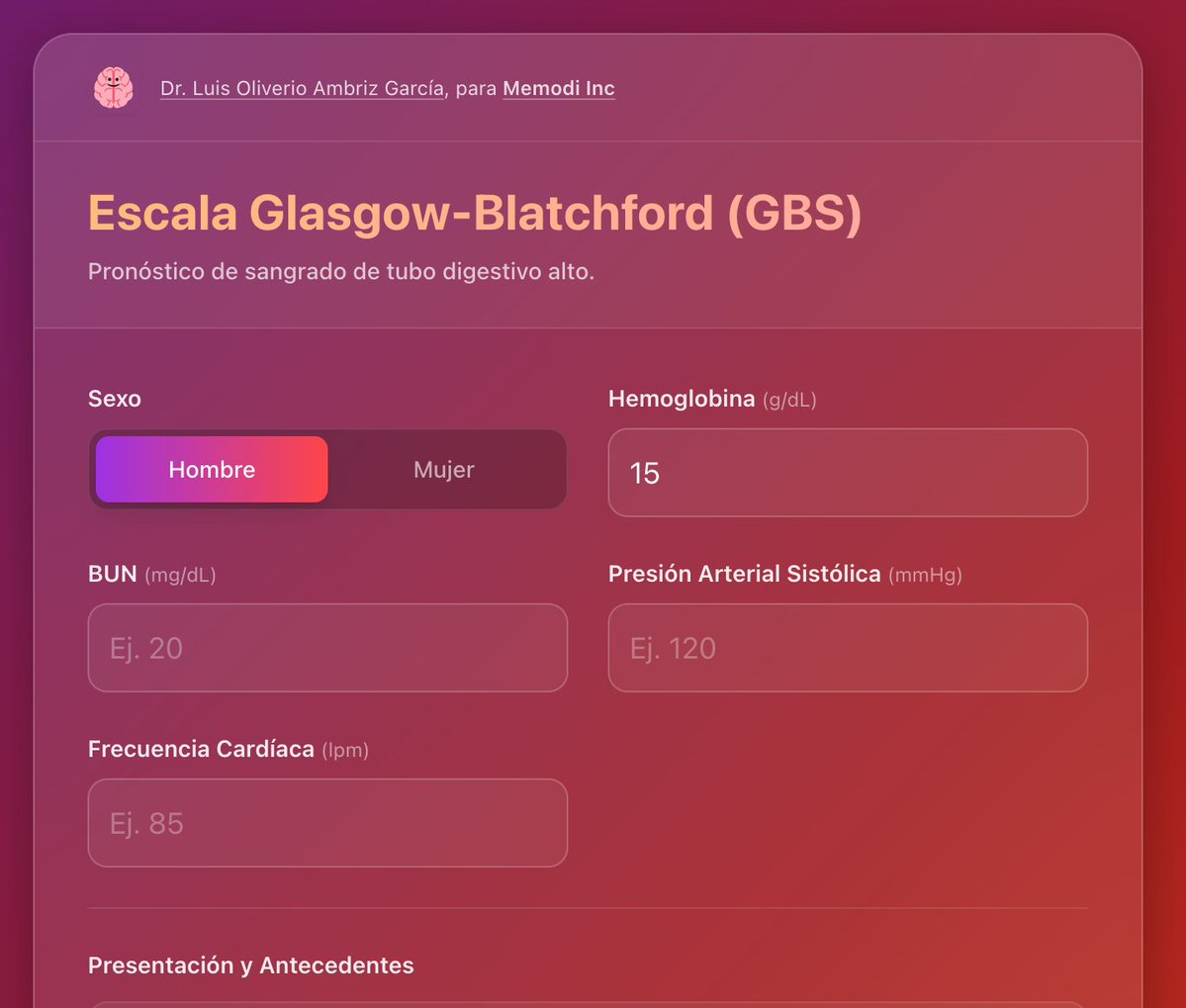
Escalas útiles en Sangrado de tubo digestivo alto (STDA - o hemorragia)
🔴Clásica: Glasgow-Blatchford
🔴Más reciente y con una población más estudiada: AMIS-65 (un punto por: Albúmina, Mental Status, INR, Systolic, 65 años)
🔴 Aún mejor: ABC Score (área bajo la curva: 0.82)
Todas listas para usarse en Calculus (https://t.co/uSGXFOVsV3).