The Bible is 100% fiction. No god dictated it. No prophet received it from the sky. Men wrote stories to control people, councils picked the ones that worked, and kings printed the result as truth. Two thousand years later, people are still living in fear of a book that came out of human hands. Fiction does not become fact because a church repeats it every Sunday.
~TExB
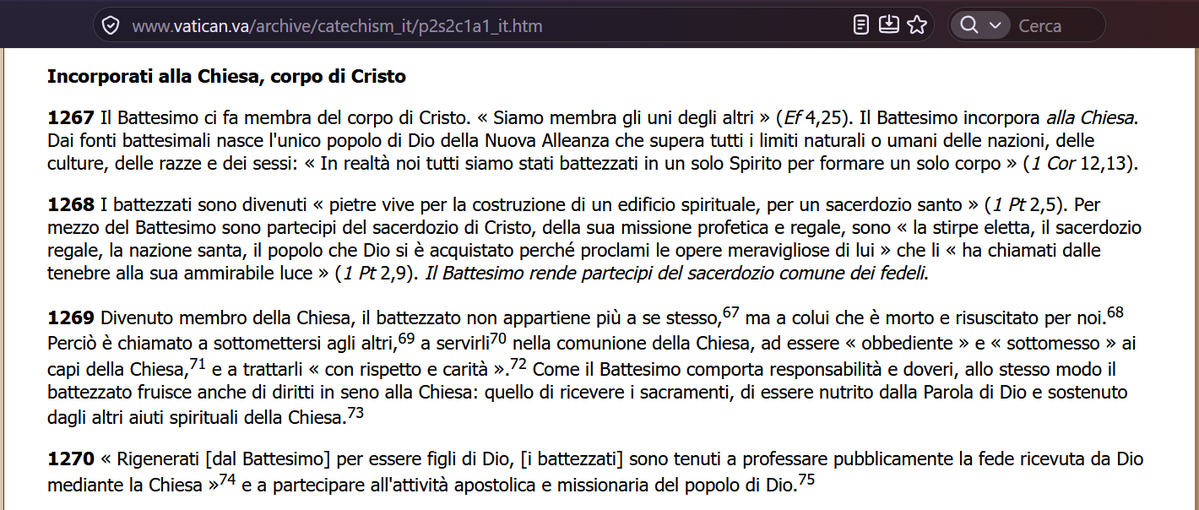
Prima scrivono nel Catechismo e nel Codice Canonico queste cose, poi dicono che i registri dei battesimi non sono registri di appartenenza. E dove la registrano, allora, l’appartenenza?
La Chiesa vuol solo continuare a godere di privilegi ingiustificati.
https://t.co/C93GUMnzv5
In Italia abbiamo avuto un precursore dell’illuminismo e di Darwin.
Ma solo in pochi conoscono la figura di Giulio Cesare Vanini.
Nessuna sorpresa: sconta il “peccato” di essere stato bruciato vivo su un rogo.
https://t.co/1xkjS3D48G
I was not born an atheist. I was a Salafi, someone who had memorized the Quran, which means I did not come to this field from the outside, but from within. I know the texts as well as those who defend them, and perhaps better.
That is why, when I talk about Islam, I am not speaking as an outsider throwing stones from a distance, but as someone who lived inside the house and then discovered that the walls were not as solid as he had been told.
The problem is not just "extremism"
The prevailing narrative wants to convince us that the problem is "misinterpretation" or "extremism". But the question that arises is: why does the same text, throughout its long history, produce such consistently hardline readings? Why, in the body of Islamic jurisprudence, do we find no substantive criticism of the idea of "jihad" in its military sense, or of the punishment for apostasy, or of women's status, except in a few rare marginal notes?
The problem is not "who reads", but "what is read".
The freedom they fear
In 2022, after a televised debate, a religious body publicly called for me to be prosecuted. Then came the complaints accusing me of "contempt of religion", followed by imprisonment and a fine. And now, after all this, they ask: "Why are you disappearing?"
I disappear because the question itself has become a crime. Because simply saying "I don't believe" in public can mean a prison cell. This is not weakness on my part, but strength on the part of a system that fears one idea: that people might hear one another without an intermediary threatening punishment.
Why Islam specifically?
Not because I hate Muslims. Muslims are people like me, with good and bad people, religious and secular people among them. But in our region, Islam is not just a "religion" in the personal sense; it is a political, social, and legal system that demands obedience. When the law threatens you with imprisonment because you criticized a religious idea, that is not religious freedom, but religious control.
I support the separation of religion and state, not because I want to "fight God" (a ridiculous expression to begin with), but because I want faith to be a genuine choice, not something driven by fear of prison or social ostracism.
What do I actually want?
I do not want to "get people out of Islam", as some claim. That is the talk of people who are afraid to let people see for themselves. What I want is for questions to be allowed. For a young man at Al-Azhar to be able to ask: "Why is this the ruling?" without being expelled. For a woman to be able to say: "I don't find this convincing" without being afraid.
I do not possess "the truth". But I do have the right to search for it, and to say what I have arrived at. And anyone who wants to keep their faith should do so — provided that their faith comes from conviction, not fear.
I was not born an atheist. I was a Salafi, someone who had memorized the Quran, which means I did not come to this field from the outside, but from within. I know the texts as well as those who defend them, and perhaps better.
Il quotidiano dei vescovi la spara enorme.
Piaccia o no, lo sbattezzo è un diritto umano: quello di poter lasciare una religione.
Il pedobattesimo è invece una prevaricazione su un umano inerme.
https://t.co/fE335SrxQP
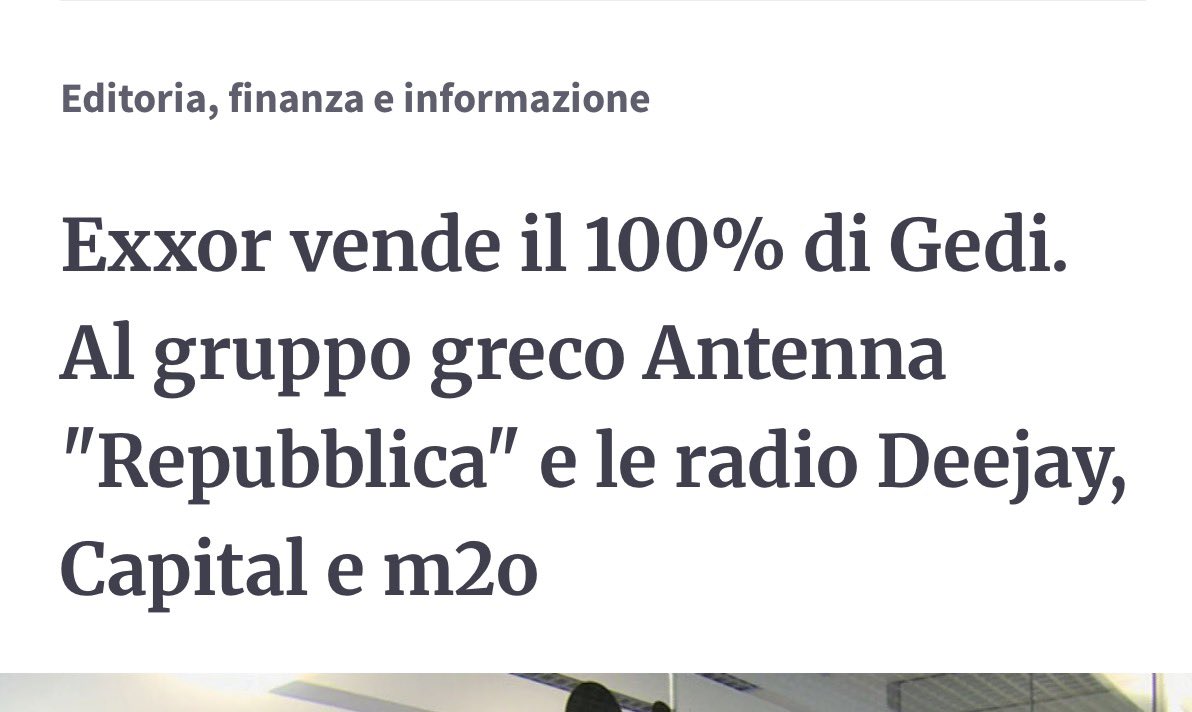
Se non fosse stata comunicata ieri (nel mezzo dei commenti post-referendum) sarebbe stata la notizia del giorno, o della settimana.
E avreste letto i soliti piagnistei inutili su “la libertà di stampa messa in discussione”, sulla “svendita allo straniero”, ecc.
Io invece sono contento.
Per due motivi:
1) abbiamo preso in giro per anni la Grecia, ora un imprenditore greco ci viene a comprare uno dei maggiori gruppi editoriali.
Ben ci sta. Così forse capiamo che la Grecia - dopo aver passato l’inferno ma aver capito la lezione - già da tempo cresce più di noi, ha fatto un Pnrr migliore del nostro, si finanzia a tassi più bassi dei nostri e tra un po’ avrà pure un debito pubblico più basso del nostro.
2) in questo paese si urla alla “libertà di stampa messa in discussione” solo in un caso: quando l’acquirente non è incasellabile, a priori, nella stessa categoria politica di chi si lamenta.
In realtà Antenna Group - il gruppo che ha acquistato Repubblica - fa parte di una specie quasi sconosciuta in Italia: l’editore puro.
Cioè NON un imprenditore di un qualsiasi altro settore che compra un giornale (o una Tv) per compiacere una parte politica, o perché ha bisogno di creare un clima migliore per i suoi affari principali.
No, un editore che ha un unico scopo: fare informazione di qualità, che informa sui fatti e offre commenti obiettivi.
Quella che quando la guardi dici “caspita, non riesco a capire se questi sono di destra o di sinistra” (per fare un paragone, quello che oggi capita ad esempio guardando Sky).
In Italia non ci siamo abituati: da noi l’informazione è mediamente uno strumento per orientare le masse, non per informare correttamente le masse (presupposto fondamentale affinché le liberal-democrazie funzionino).
Ovviamente non so come in concreto andrà l’esperienza di questo gruppo in Italia: magari sarà un fallimento completo, chissà. E’ sempre difficile prevedere il futuro.
Ma per il momento mi bastano queste due considerazioni che ho fatto, sperando - ma qui davvero mi spingo troppo oltre - possano costituire elemento di riflessione.
Per Cacciari il Concordato tra Stato e Chiesa «impedisce l’insegnamento scientifico [della Bibbia] all’interno delle scuole». Ovvio, l'ora di religione cattolica è conforme alla dottrina della Chiesa con docenti pagati dallo Stato ma scelti dai vescovi.
https://t.co/NLEvnNMvru
Studio sui vaccini Covid su 28 milioni di persone.
•74% minor rischio di morte per
Covid.
•25% minor rischio di morte per qualsiasi altra causa.
•Nessun aumento di mortalità dopo 4 anni.
Le bufale novax, smentite dai dati, sono ormai chiacchiere da bar.
https://t.co/Mhx7FBDmCd
When we try to bend others to our will forcibly, we usually get something very different than what we desire.
Using physical force against peaceful people generates unintended consequences as they resist the choices that we make for them.
Prohibition of drugs, meant to save lives, doubled the homicide rate, poisoned more people with adulterated drugs than would otherwise have died from the drugs themselves, resulted in innocents killed in turf wars, became the primary vector for the spread of AIDS, and brought pushers into our schools.
Countries that have decriminalized drugs have seen violent crime plummet, overdose deaths decrease, the spread of AIDS decline, and drug use among minors fall.
Sometimes less is more, especially when we are trying to bend peaceful others to our will.
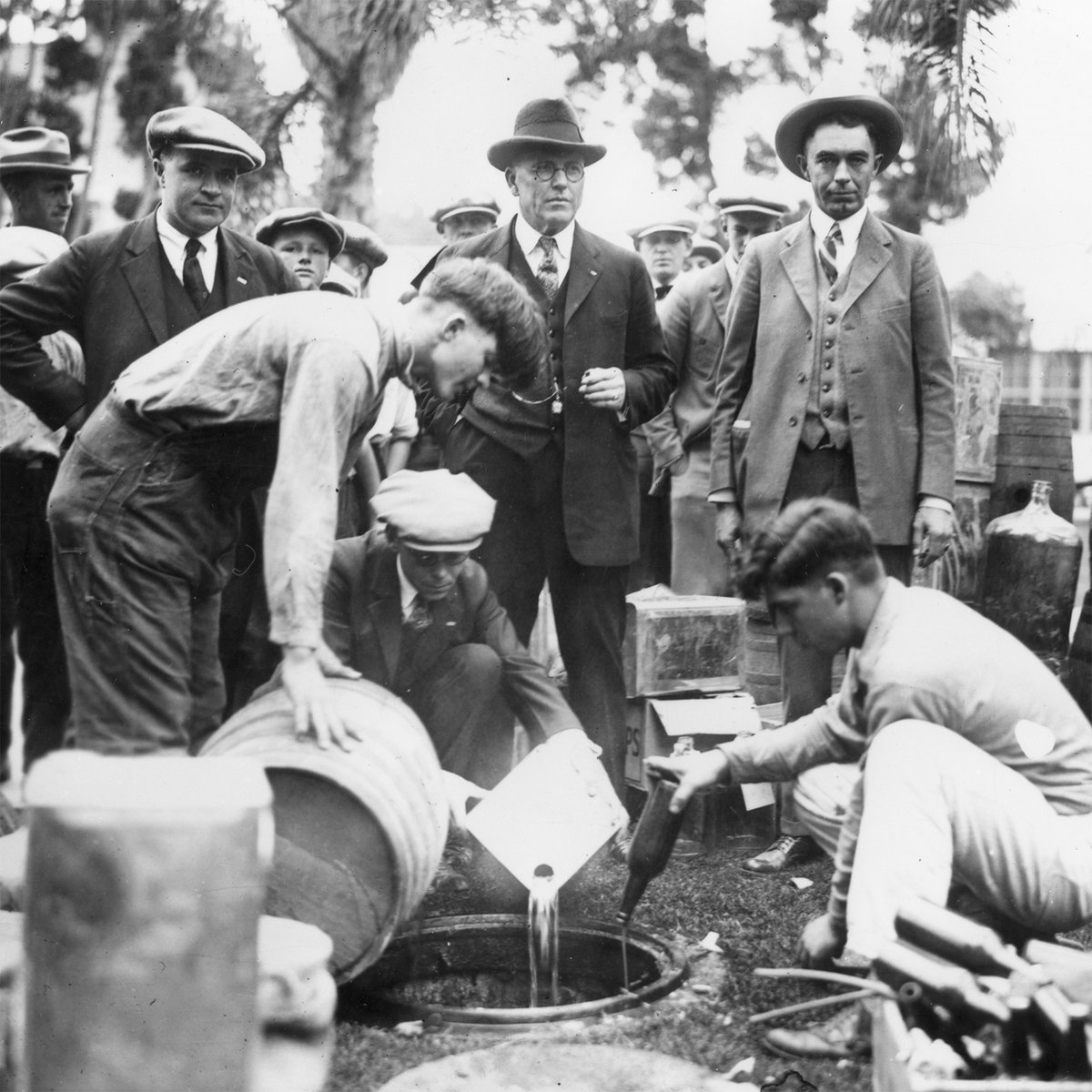
On this day in 1920, the 21st Amendment was proposed. The government tried to tell Americans what they could and couldn’t drink, and people ignored them. The 18th Amendment failed because prohibition was an attack on personal freedom. Congress repealed it not because they suddenly cared about liberty—but because the black market they created was too powerful to control. Sound familiar? The Drug War, gun control, speech restrictions—it’s all the same authoritarian nonsense. End the War on Freedom NOW. #RepealBadLaws #EndTheDrugWar
Le leggi che puniscono la blasfemia educano all'odio e alla violenza. Sono leggi che tutelano invasati religiosi giustificando di fatto il linciaggio del "blasfemi", in questo caso culminato con la barbarie di bruciare vivo un essere umano.
https://t.co/e1zlKUP4aE
Hijab is NOT a choice when taking it off can lead to women being executed, jailed and beaten in Iran and Saudi and face abuse, shunning, and violence throughout the Muslim communities.
This 'choice' rhetoric is nothing but a betrayal to women who face oppression because of this tool of misogyny, that is hijab.
#WorldHijabDay