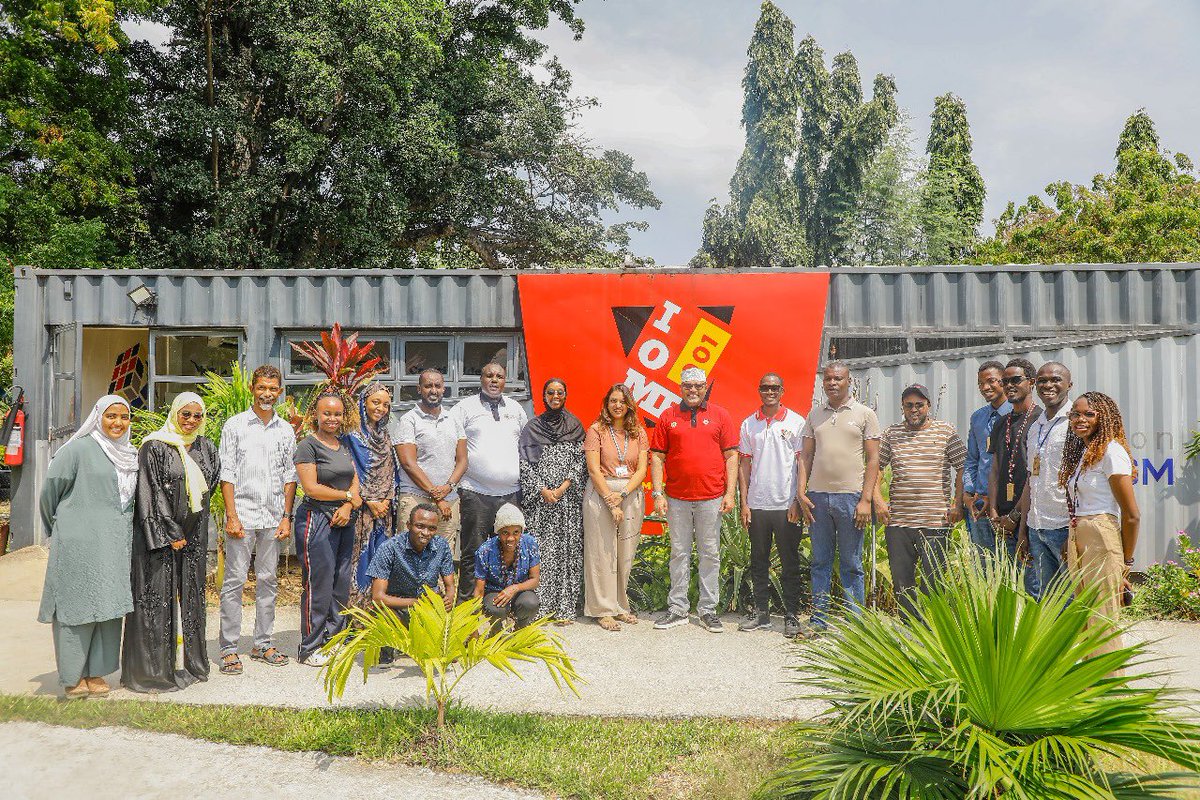
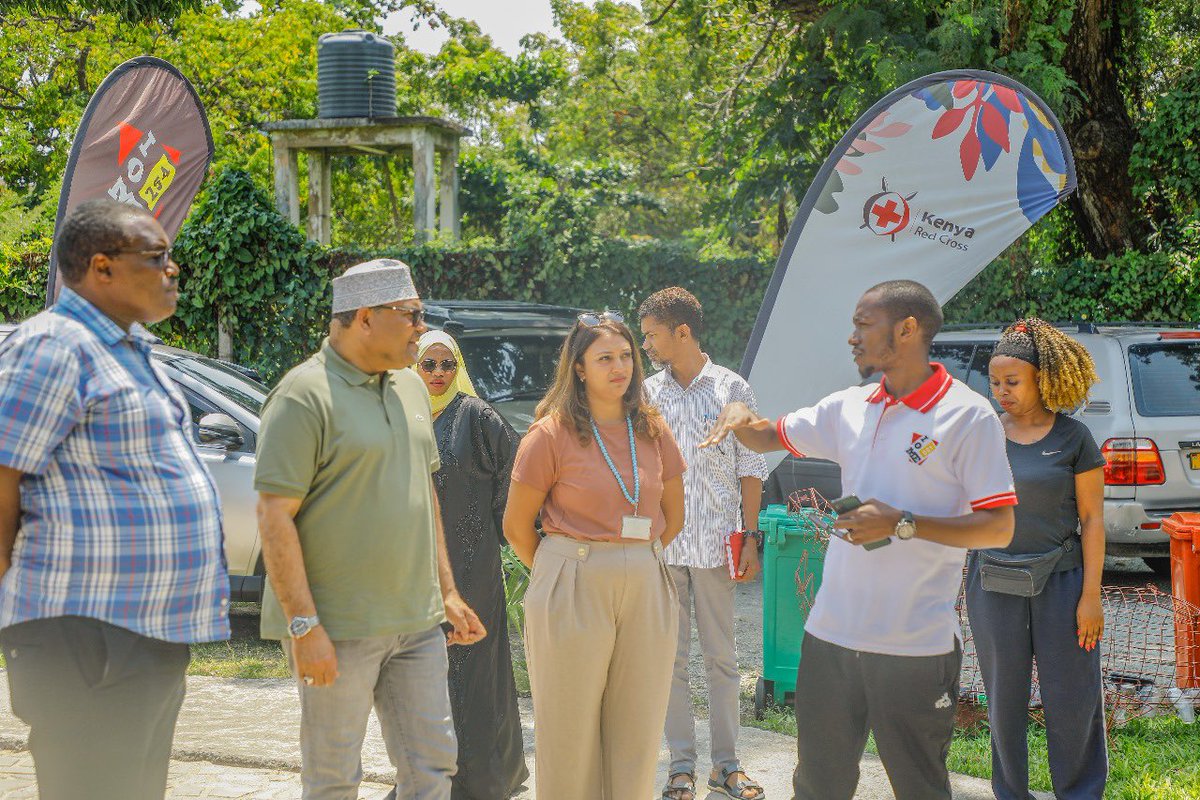
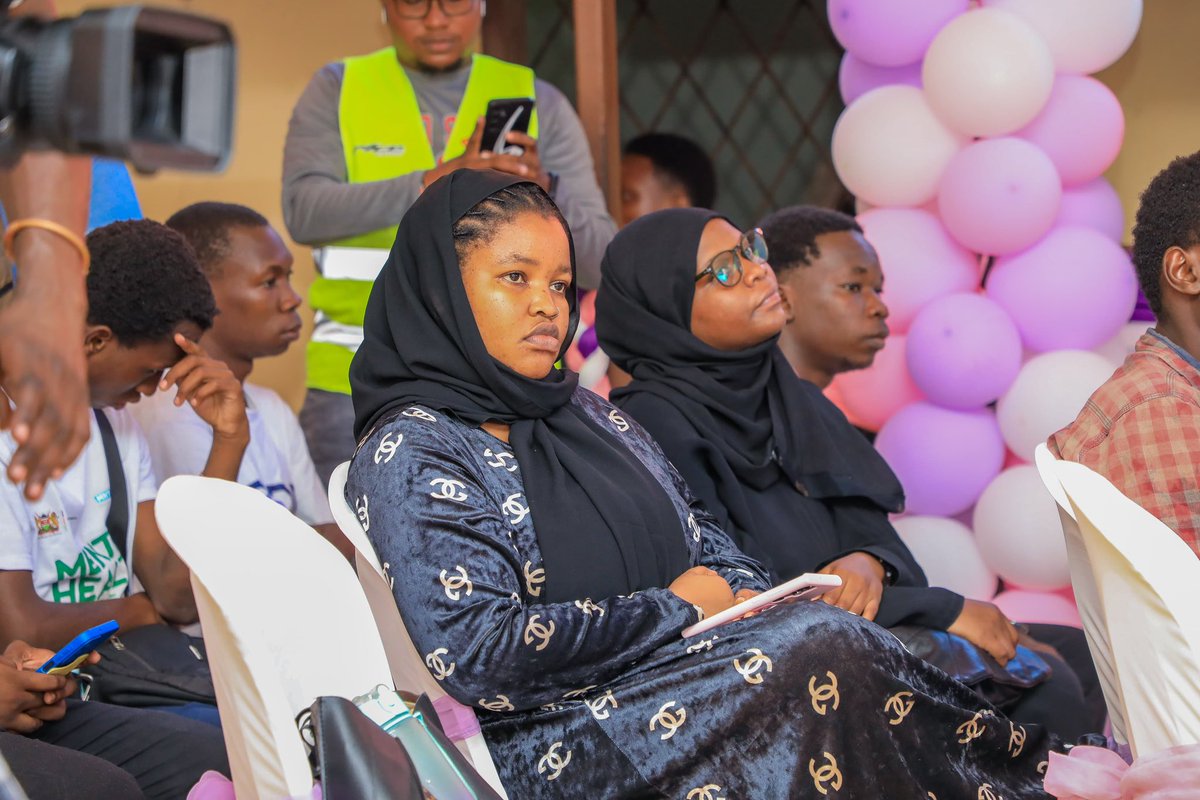
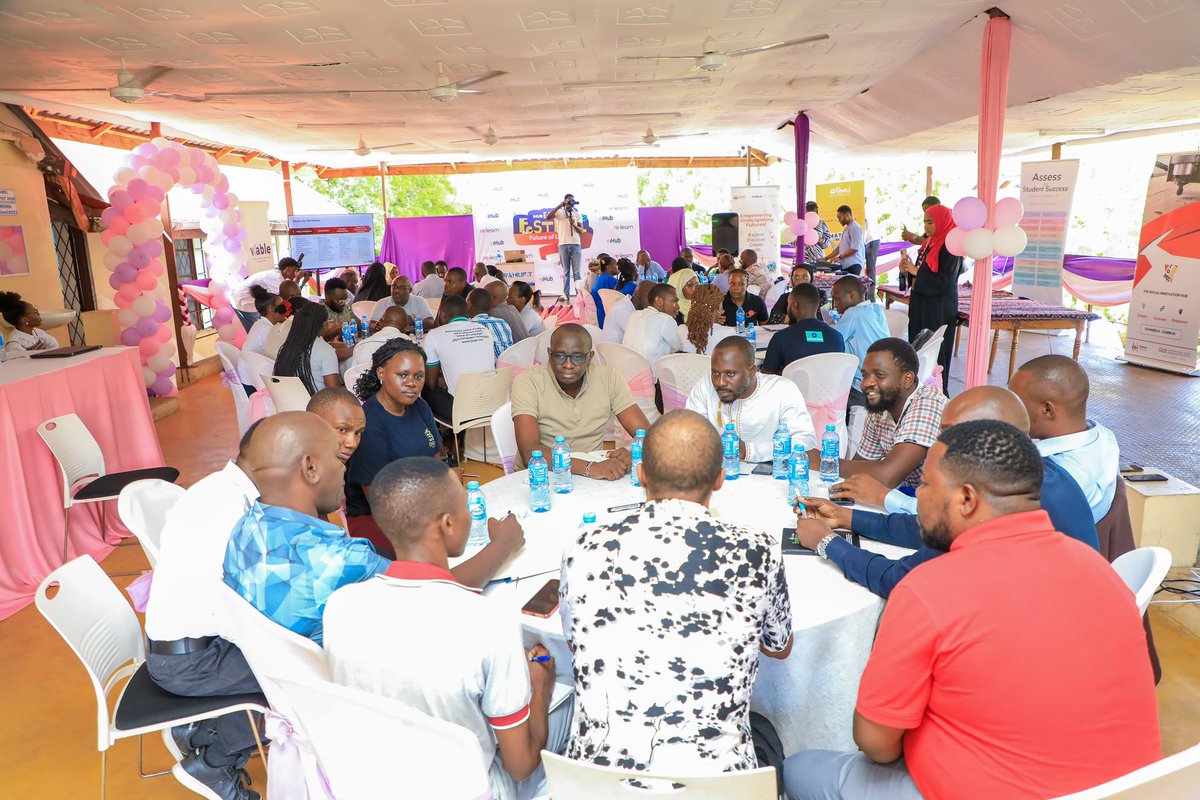
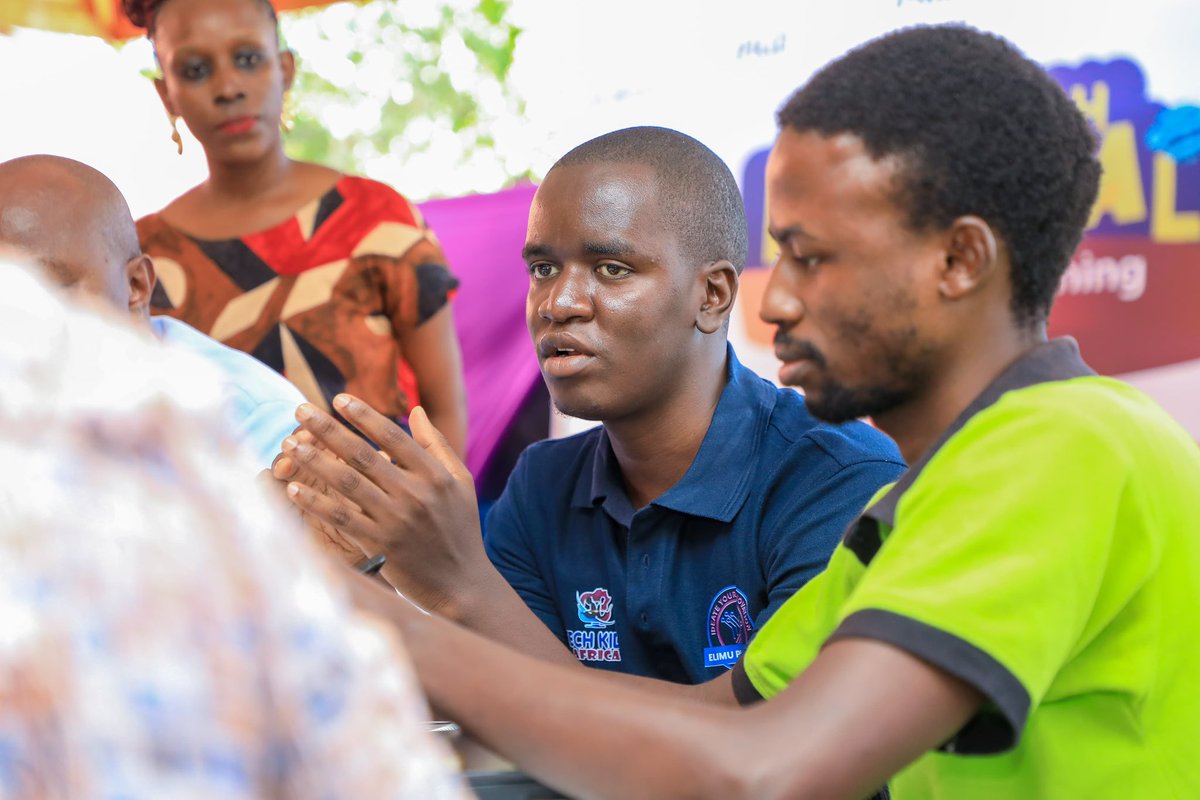
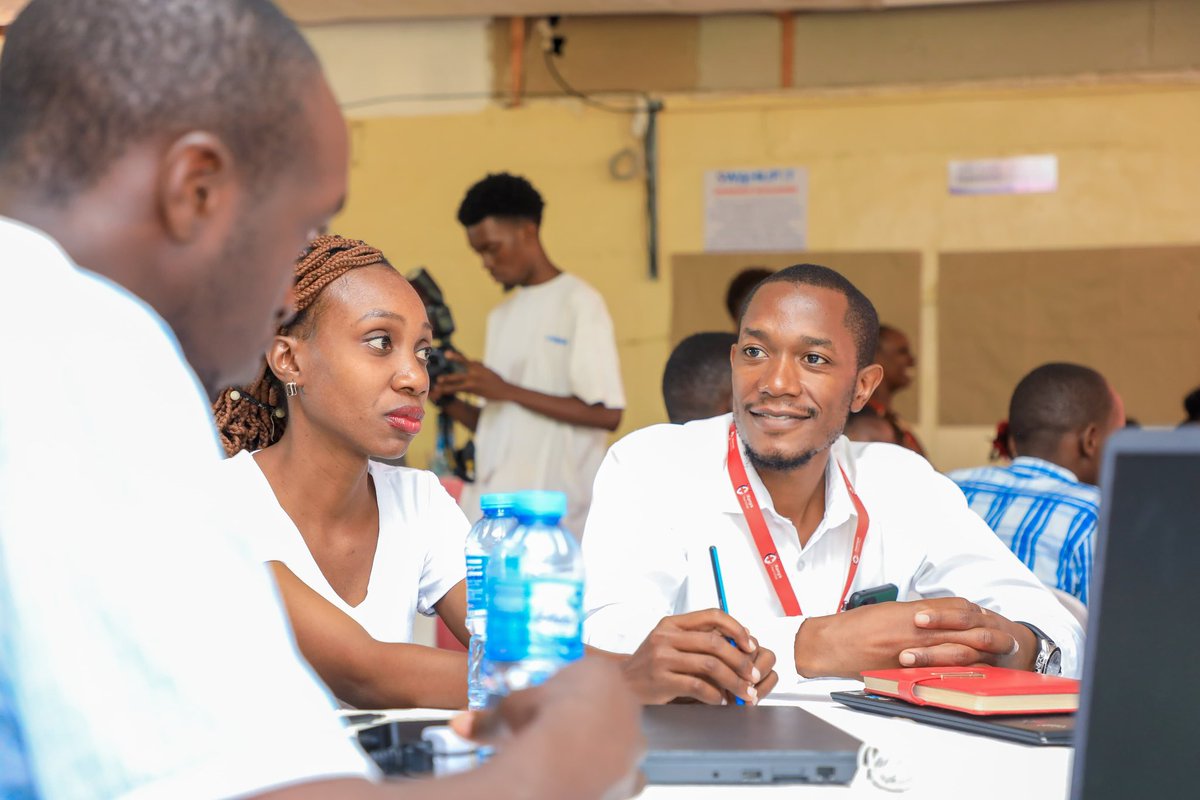
Got an idea that could help protect our oceans?
The Mombasa Ocean Festival 2026 Hackathon is calling for innovators, researchers, students, and problem-solvers to tackle real-world marine challenges through innovation, mentorship, and prototyping.
Submit your idea before 19 June.
There's a physicist at Stanford named Safi Bahcall who modeled this exact principle and the math is wild.
He calls it "phase transitions in human networks." When you're stationary, your probability of a lucky event is limited to your existing surface area: the people you already know, the places you already go, the ideas you've already been exposed to. Your opportunity window is fixed.
When you move, your collision rate with new nodes in a network increases nonlinearly. Double your movement (new conversations, new cities, new projects) and your probability of a serendipitous encounter doesn't double. It roughly quadruples. Because each new node connects you to their entire network, not just to them.
Richard Wiseman ran a 10-year study at the University of Hertfordshire tracking self-described "lucky" and "unlucky" people. The single biggest differentiator wasn't IQ, education, or family money. Lucky people scored significantly higher on one trait: openness to experience. They talked to strangers more, varied their routines more, and said yes to invitations at nearly twice the rate.
The "unlucky" group followed the same routes, ate at the same restaurants, and talked to the same 5 people. Their networks were closed loops. No new inputs, no new collisions.
Luck isn't random. Luck is surface area. And surface area is a function of movement.
The lobster emoji is doing more work than most people realize. Lobsters grow by shedding their shell when it gets too tight. The growth requires a period of total vulnerability. No protection, no armor, soft body exposed to the ocean.
That's the cost of movement nobody posts about. You have to be uncomfortable first. The new shell only hardens after you've already moved.
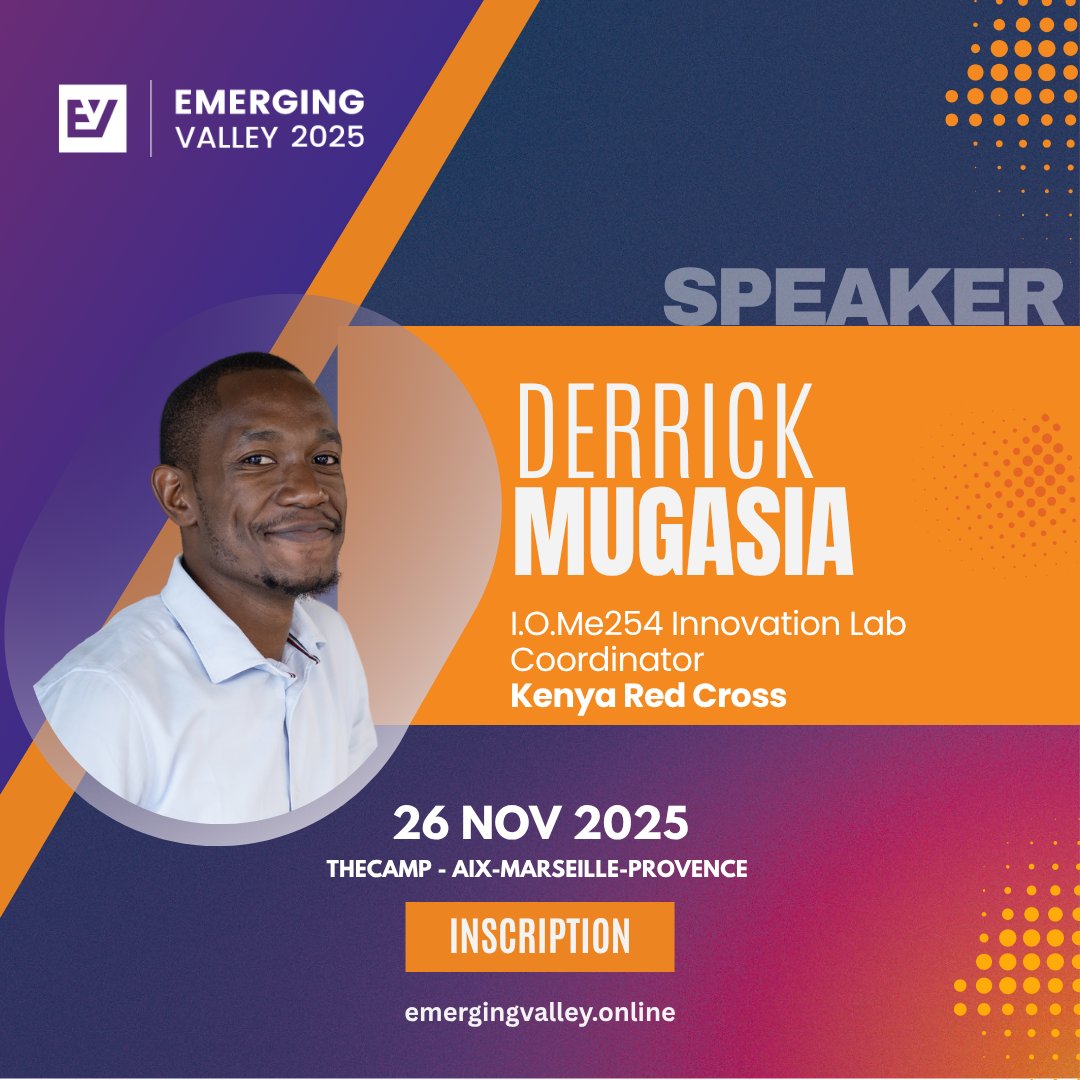
I will be speaking at @emergingvalley, the international summit dedicated to innovation and emerging startups, on November 26 at thecamp – Aix-Marseille-Provence!
The focus is to build bridges of innovation between Europe, Africa, and the Mediterranean.
#EV2025#EmergingValley
The last few days have been busy for volunteers and staff of @KenyaRedCross
A reminder to us once again that nyinyi ni #Shujaa. Everyday you support communities in need makes you Heroes. A reminder of what #Mashujaa day is all about.
We celebrate you as our heroes. Today. Everyday.
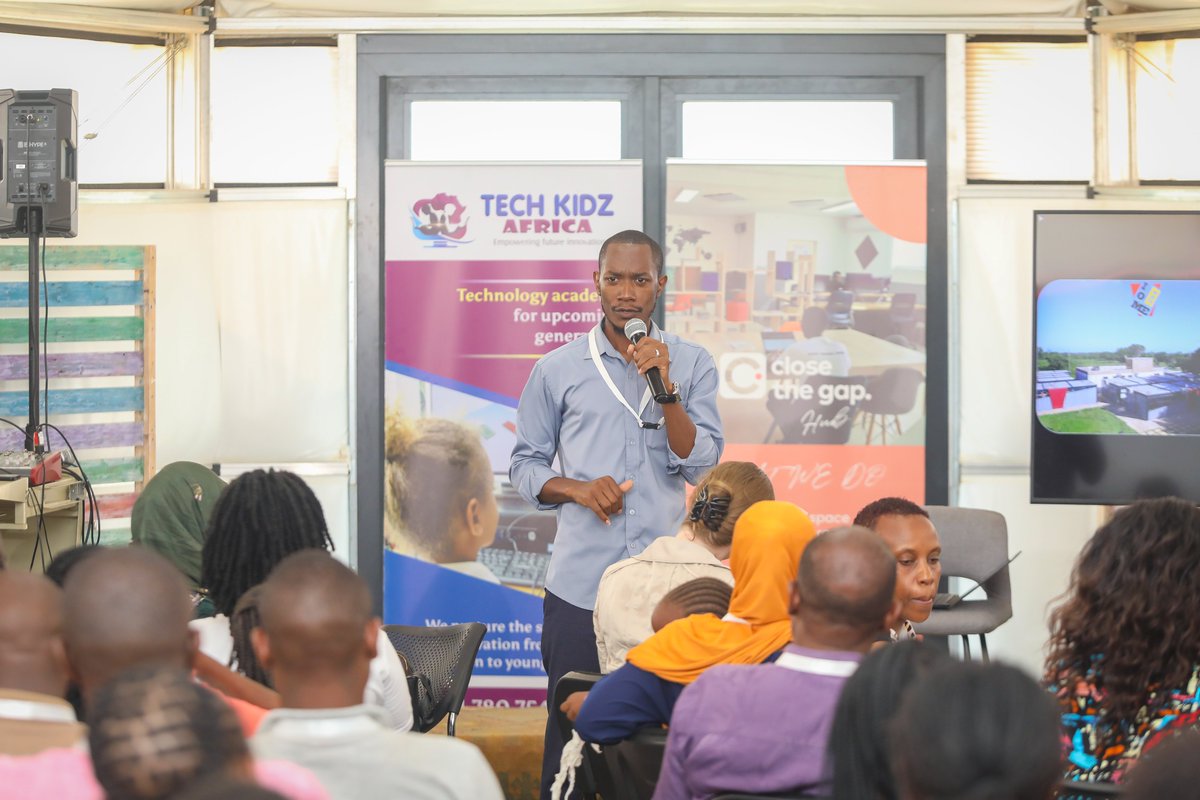
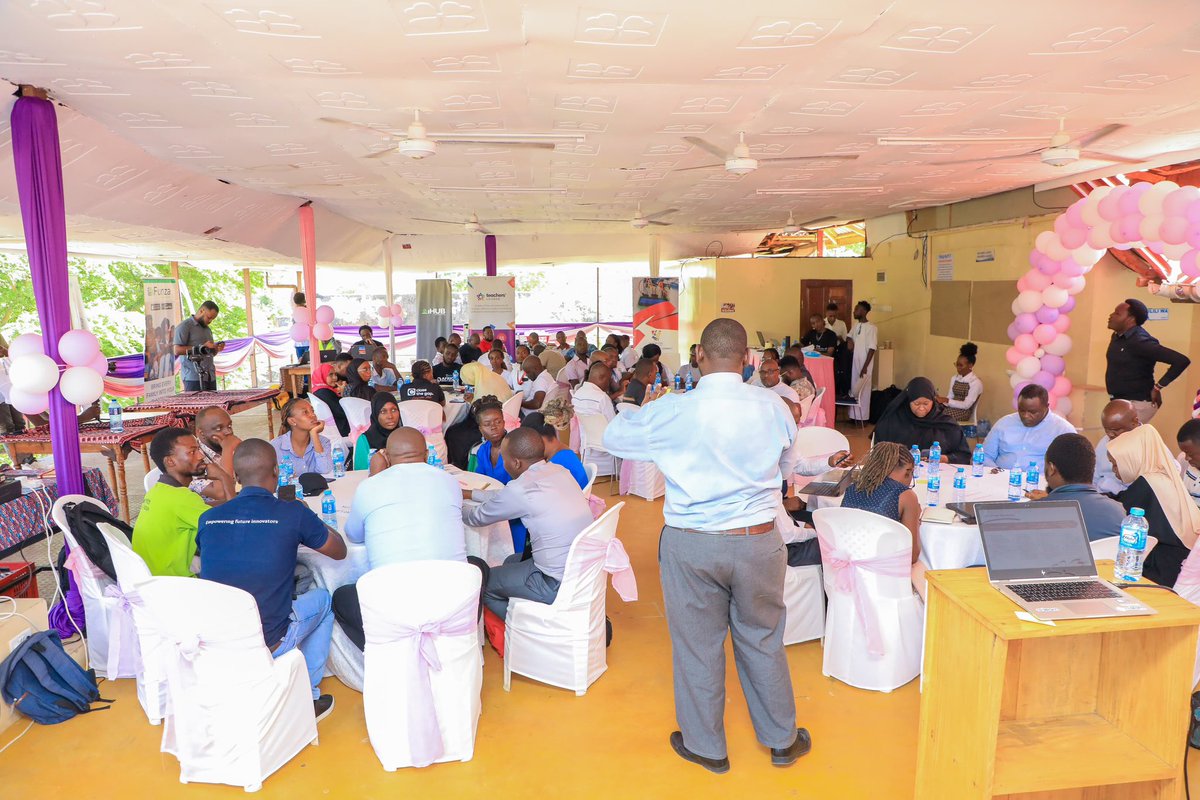
Cultivating coastal Kenya’s EdTech Talent and Products from campus to market was the topic of discussion for the Viable Chat held during the Mombasa Edition of the iHUB EdTech Festival. It featured panelists from Afribot Robotics, Tech Kidz Africa, DigiSkool, and IOME001.
The Government and Investor Roundtable for the Mombasa Edition of the iHub EdTech Festival is ongoing at Swahilipot Hub Foundation. The session has brought together stakeholders such as Government, Innovators, Entrepreneurship Support Organizations, and School heads for meaningful conversations on how to leverage technology to improve learning outcomes.
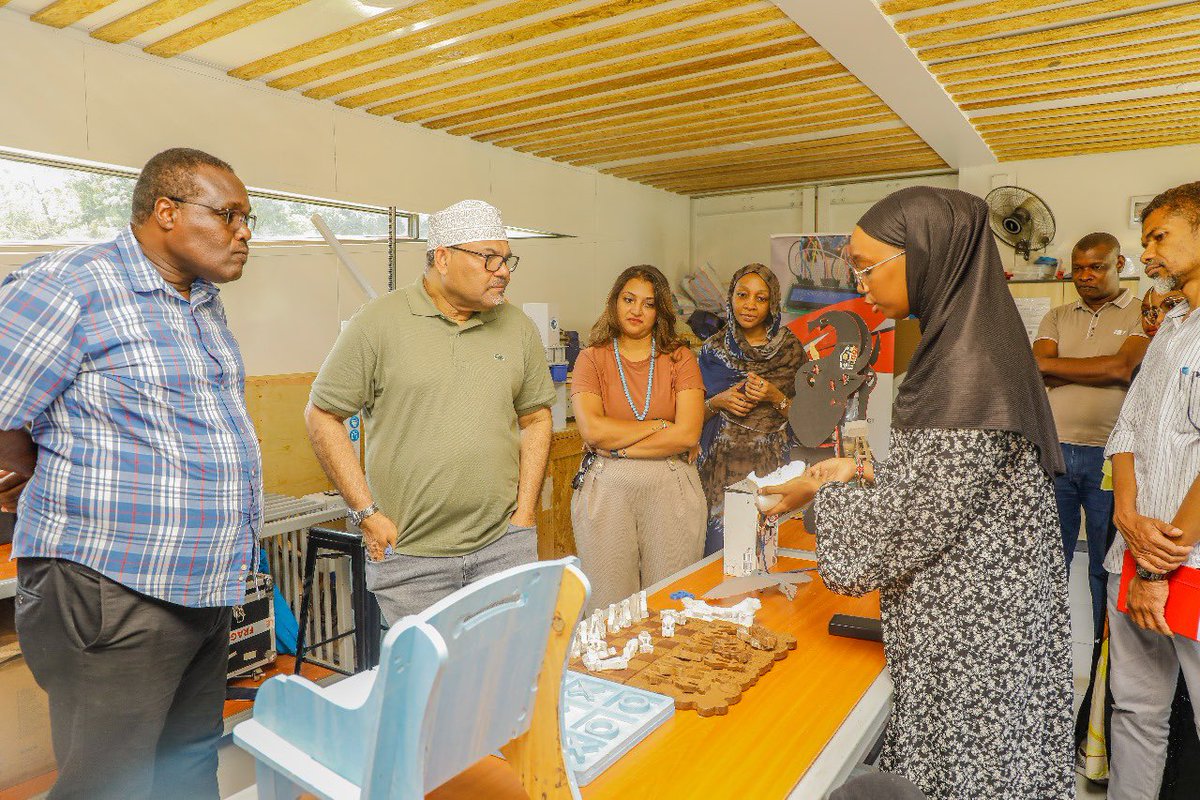
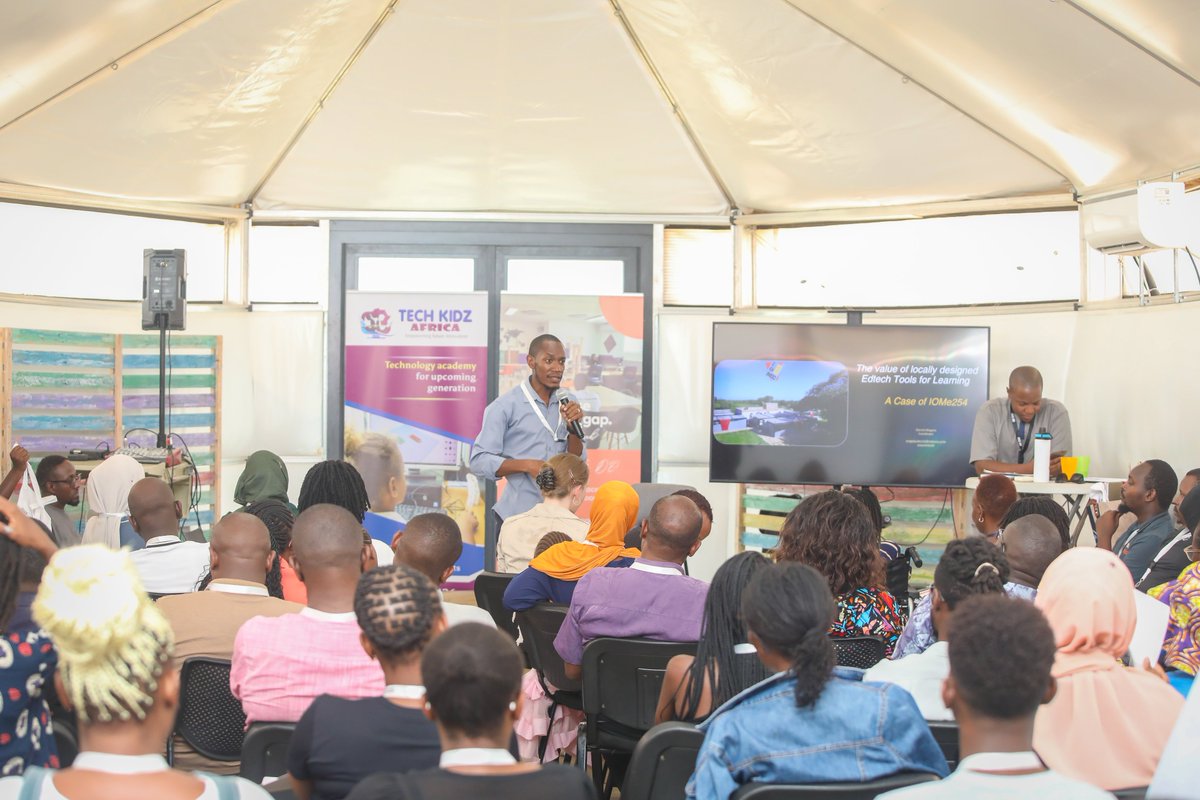
At #PwaniEdTechSummit2025, IOMe254 shared how digital fabrication tools are transforming learning—from custom aids for young learners to assistive tools for children with disabilities.
💡 Tech for impact. Education for all.
#InclusiveEducation
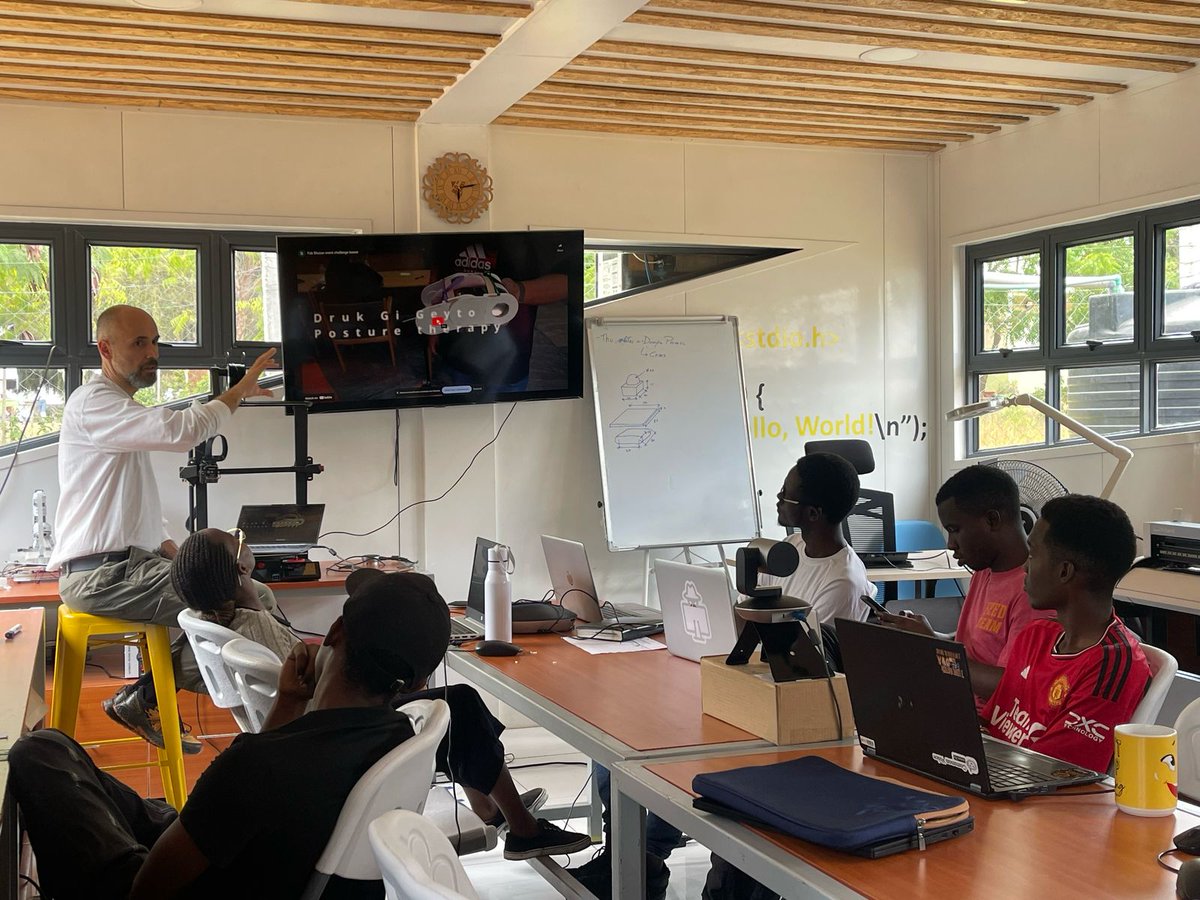
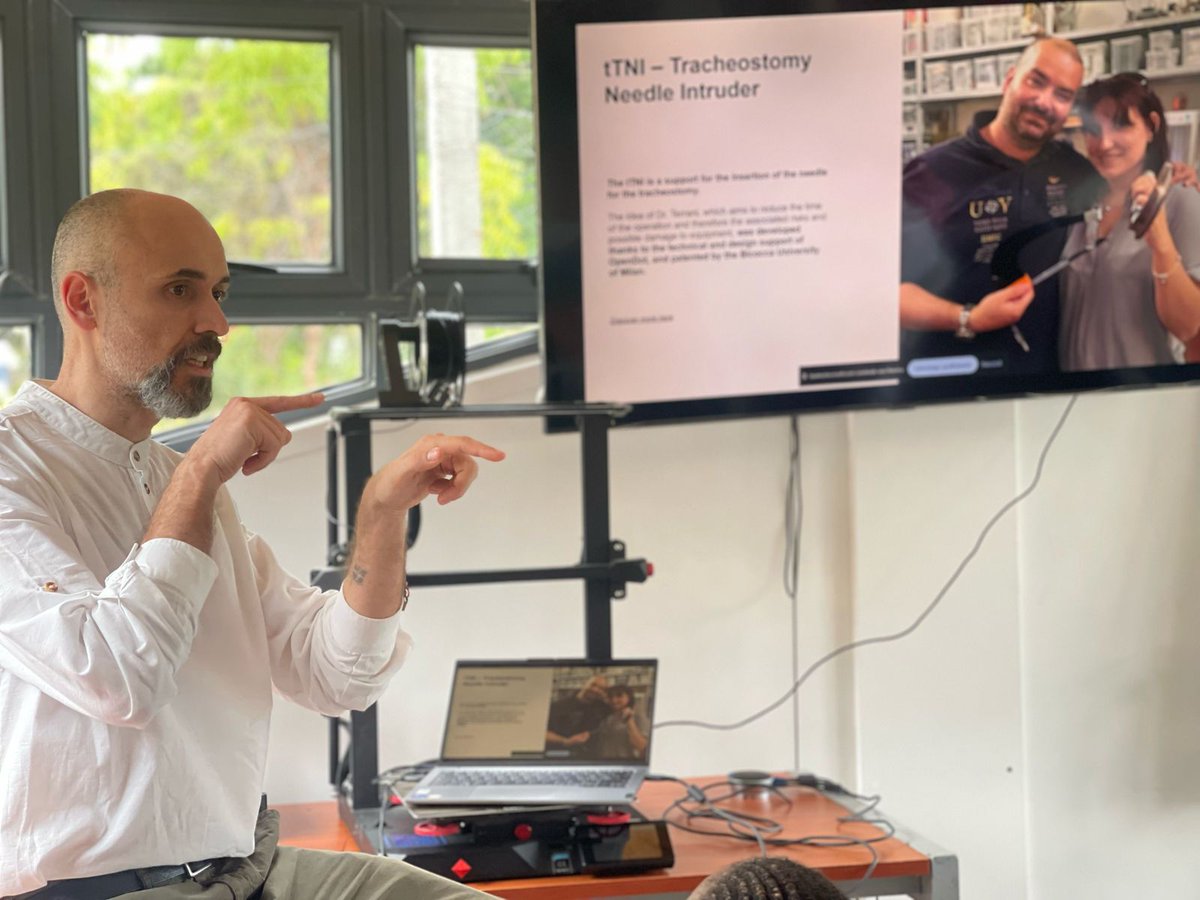
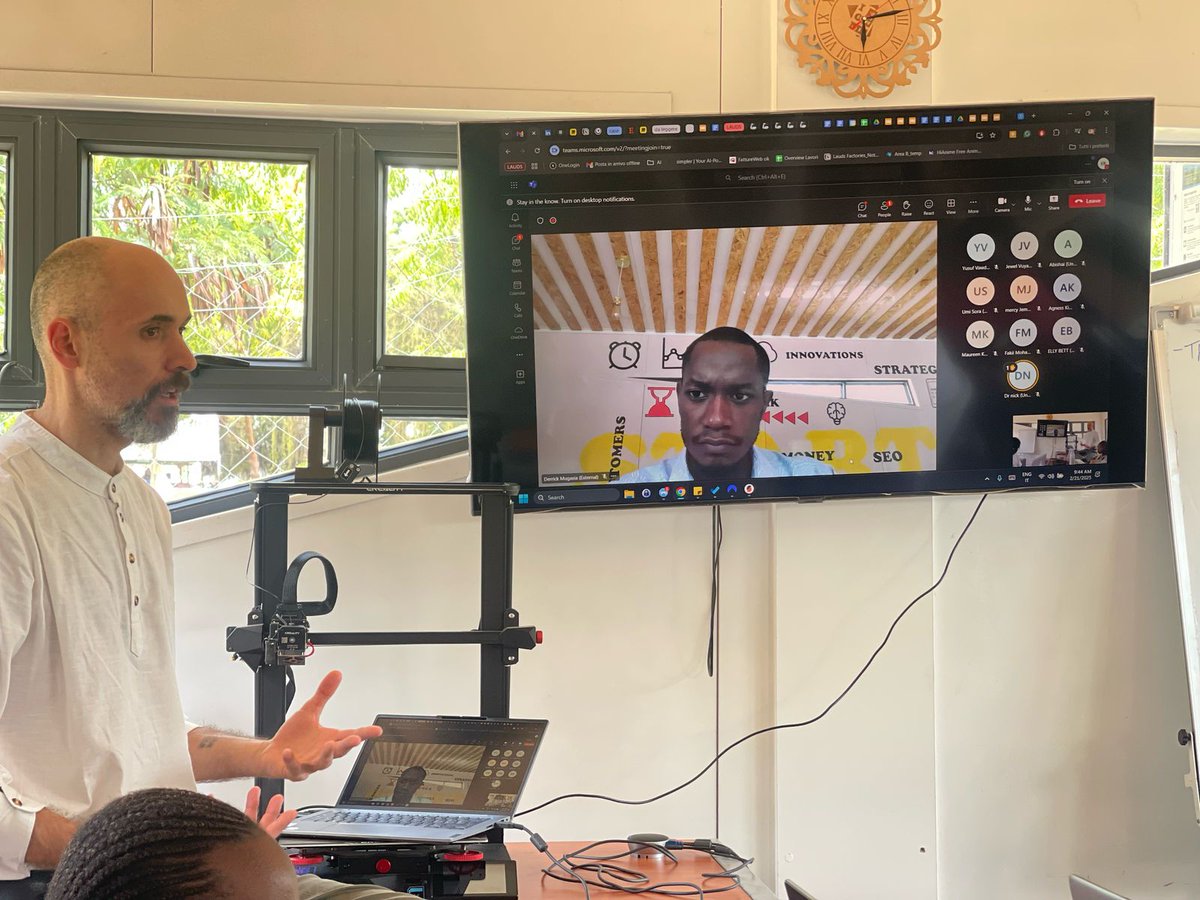
🚀 Today, we explored how 3D printing is revolutionizing healthcare! From prosthetic hands to tracheostomy needle intruders, innovation is changing lives. Huge thanks to Enrico Bassi for sharing his expertise! 🌍✨@icha_krc@KenyaRedCross#HealthInnovation#TechForGood#KRCSat60
Moi Girls Fire Incident Update:
The situation has been contained and all students are accounted for.
Kenya Red Cross will provide 200 mattresses, 400 blankets and 200 dignity kits tonight.
Our counseling team will be offering Psychosocial Support Services to the affected.
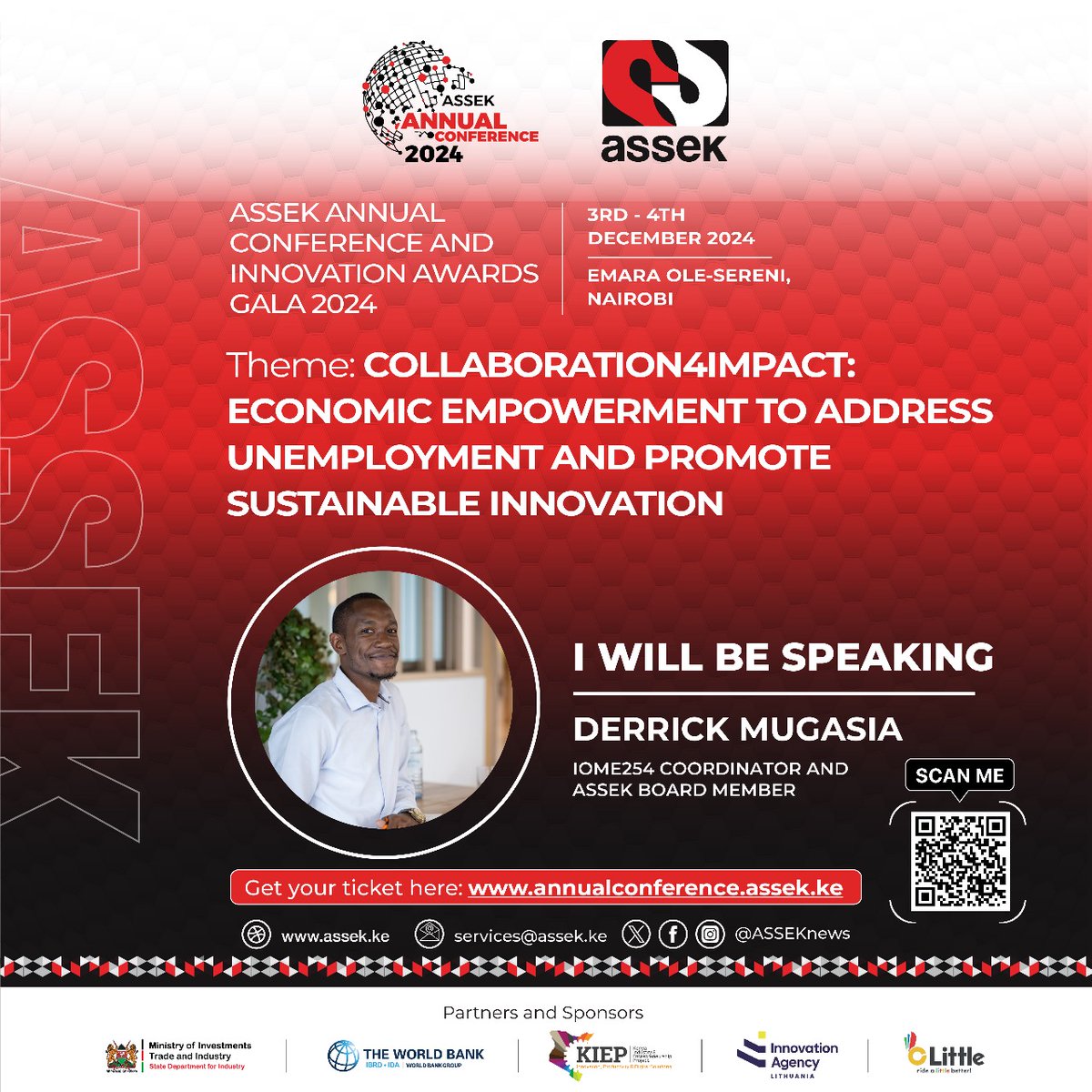
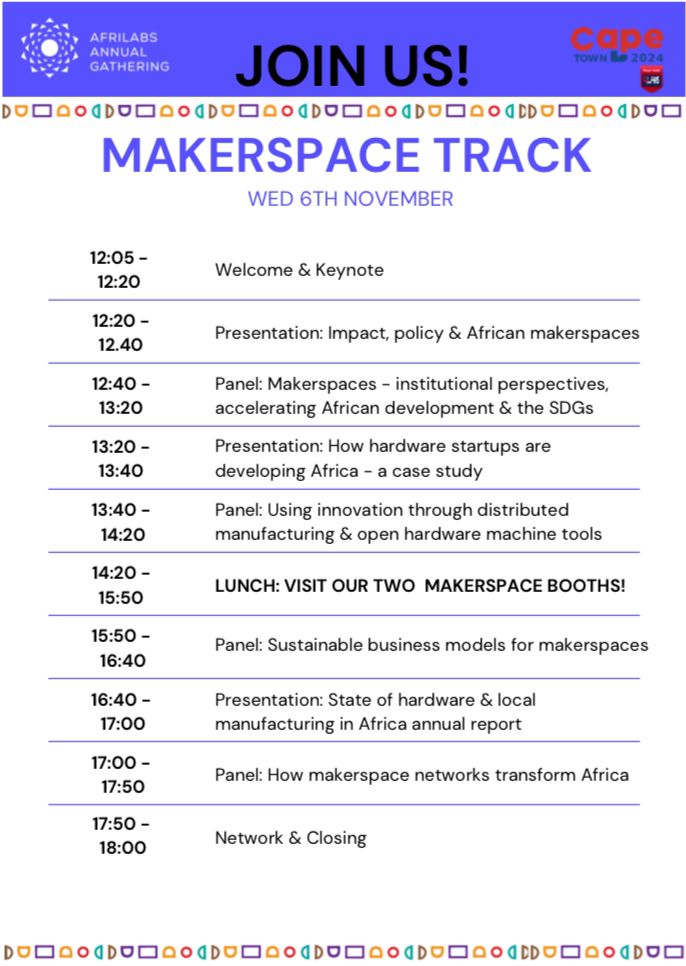
This year's @ASSEKnews Annual Conference, we will be discussing "Strengthening Makerspaces & Prototyping Labs as Catalyst for Entrepreneurship & Innovation"
Theme: #Collaboration4Impact Economic Empowerment to address Unemployment and Promote Sustainable Innovation
#AAC2024
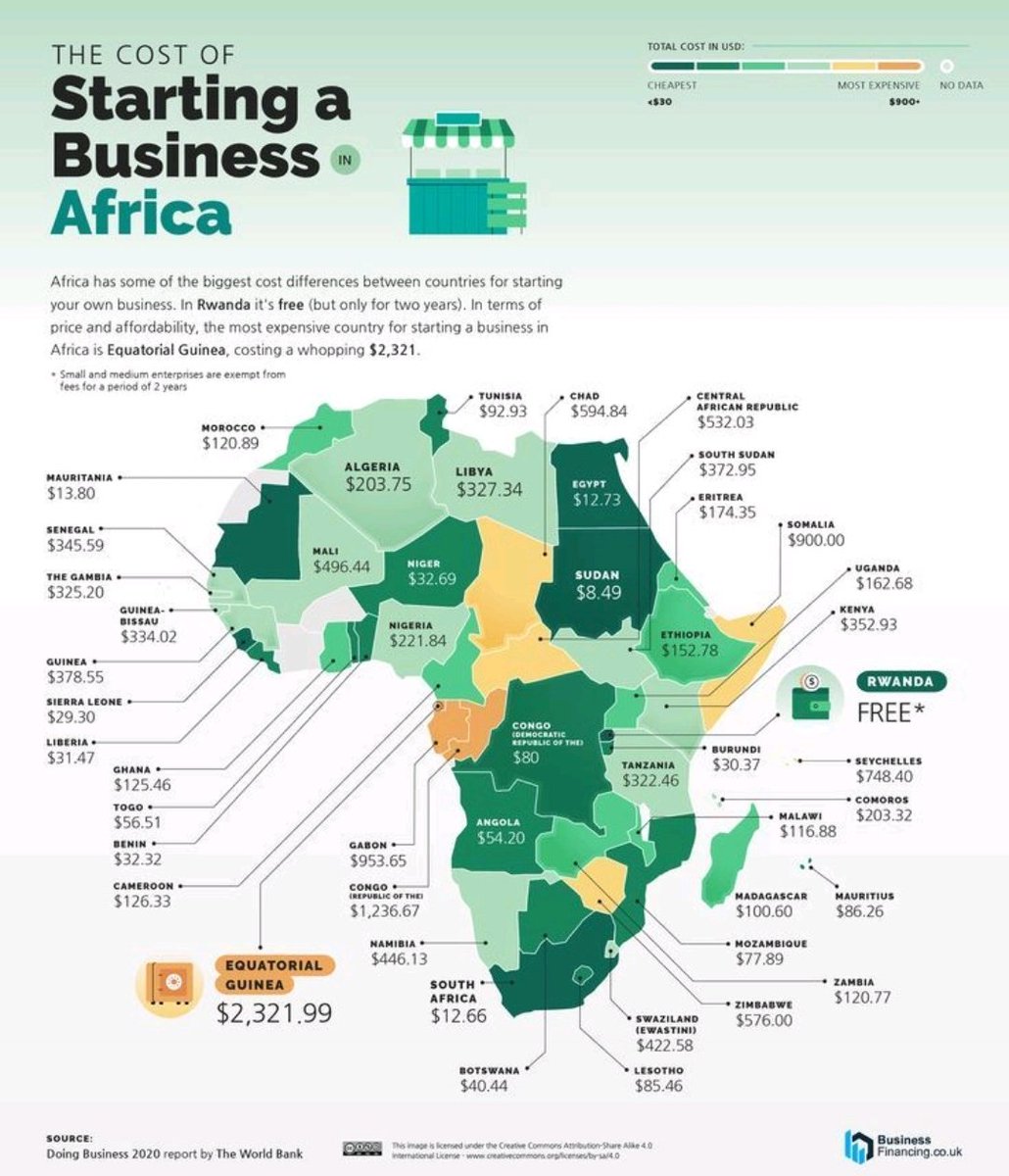
The cost of starting a business in:
South Africa 🇿🇦: $12.66
Botswana 🇧🇼: $40.44
Lesotho 🇱🇸: $85.46
ESwatini 🇸🇿: $422.58
Namibia 🇳🇦 : $446.13
These were 2020 figures.
The stronger economies make it easy for citizens & investors to start a business. Rocket science?🤔
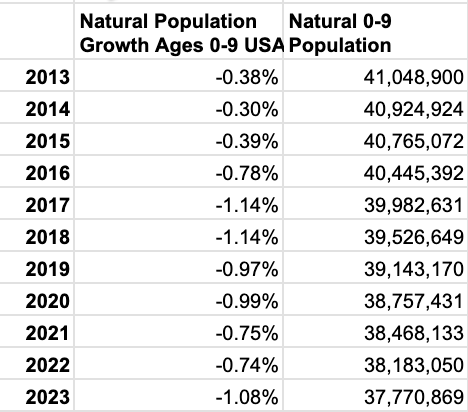
US Toy industry is facing a demographic and economic driven recession.
Every year more kids age out of toys than are born, resulting in a ~1% decline in 0-9 age population in the USA ever year.
And it's accelerating as fewer and fewer couples choose to have children.
But what about (illegal) immigration?
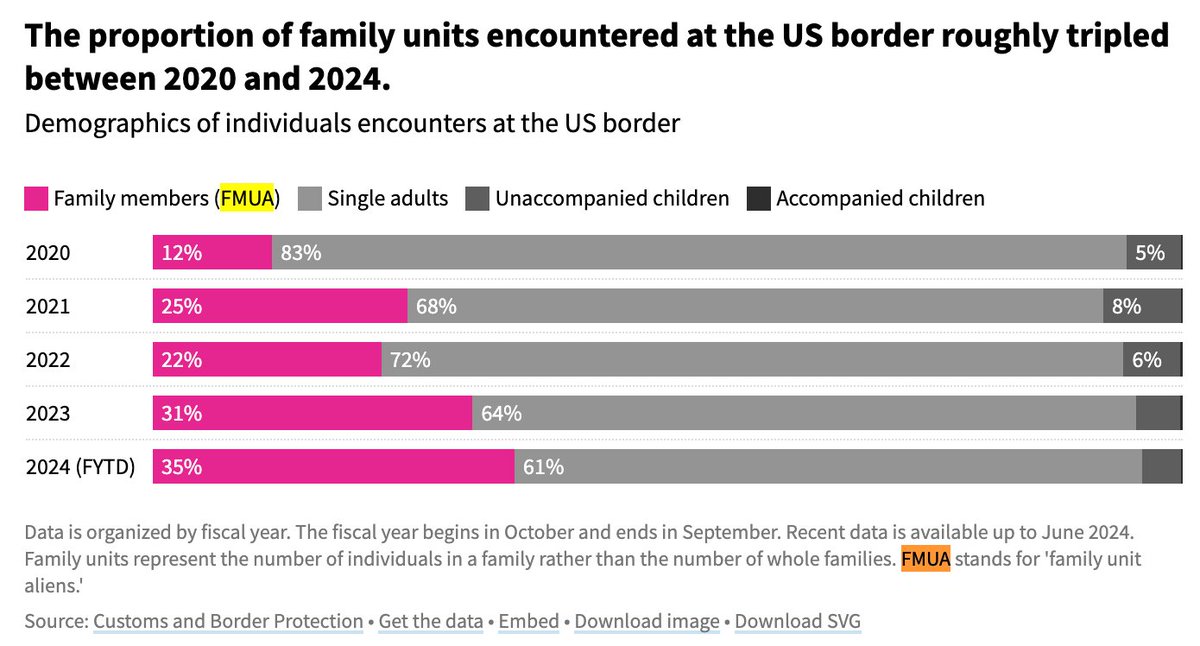
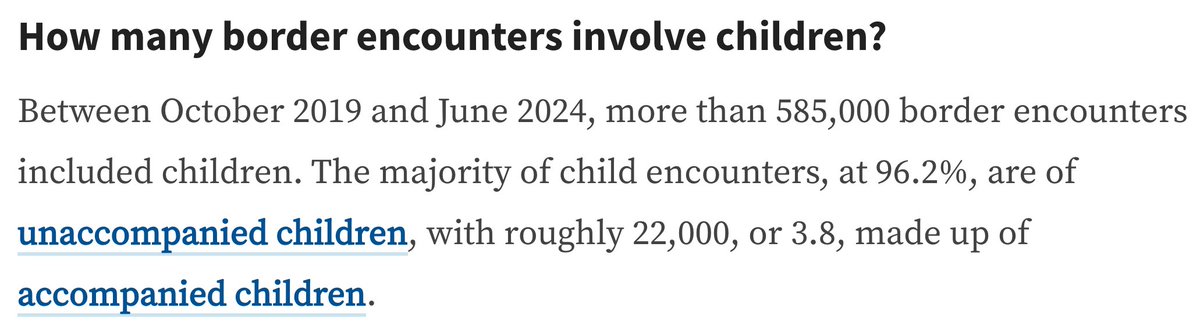
Almost no children between 0-9 show up at the border.
The vast majority of "children" are unaccompanied teenagers looking for work, well beyond the toy purchasing age.
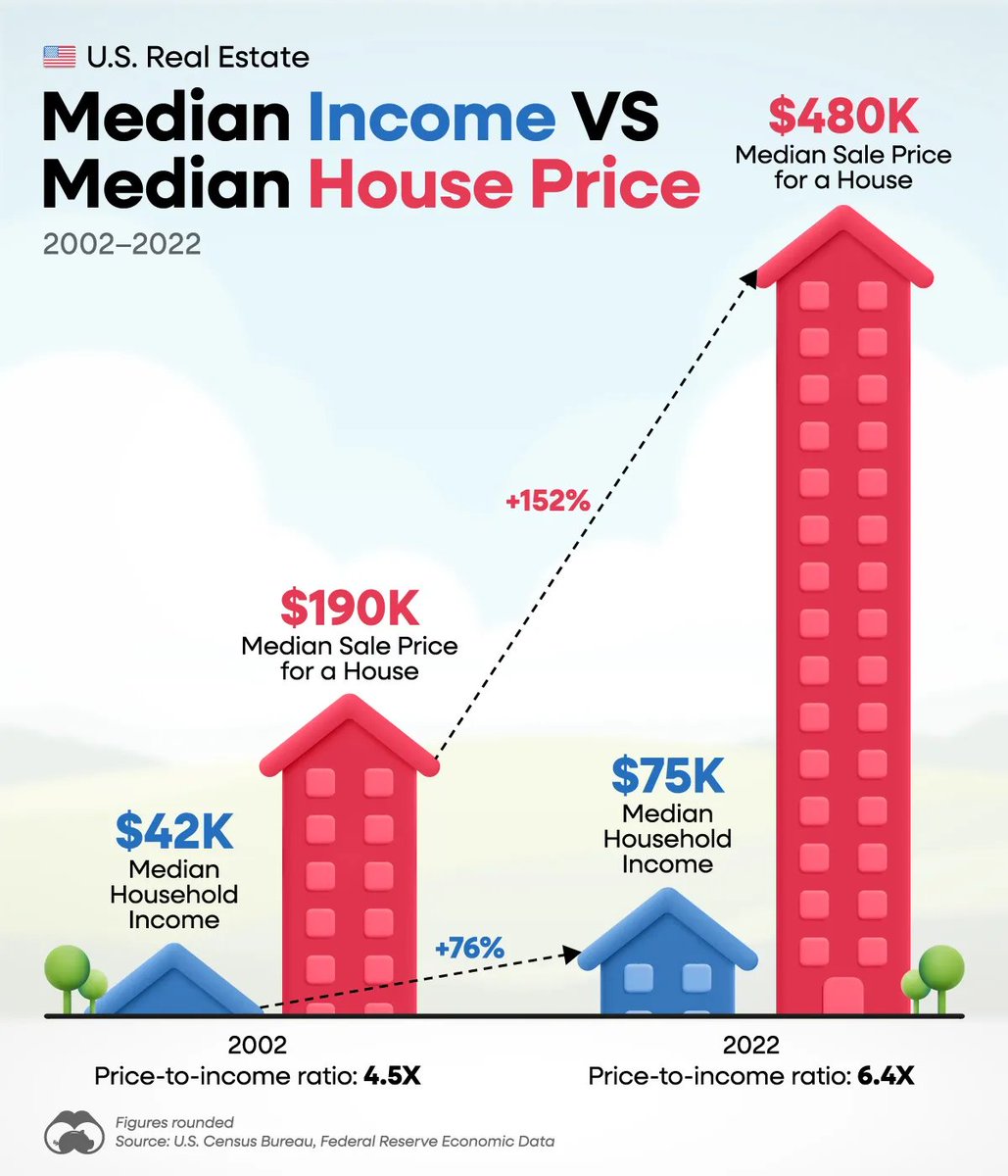
Making things worse is that the Millenials and Gen Z who do have children, with incomes relative to housing costs being so low, don't have as much disposable income to spend on those children, relative to past generations.
While all of this is disturbing for society, what is interesting is that the burden is disproportionatelly falling on the toy industry.
The flipside of 0.2% of illegal immigrants being children ages 0-9 is 99.8% of illegal immigrants being adults. This immigration is a boon to non-toy industries. They are working age people who can work, who get money from the government, and who will spend their money on consumer goods, but not on children!
There is no end in sight to this trend of fewer children in the US.
US fertility is around 1.66 children per woman currently. Similarly developed South Korea's is less than half that at 0.78. Conceivably, US fertility, with continuing detiorating economics (remember that that immigration drags down salaries for all US workers), unfavorable changes in culture (eg declining reliogisity), and increasing crime all put continued downward pressure on Gen Z and Millenials to have children.
While we may see a decline in immigration in the next couple of years, there isn't a country in this world that has managed to reverse fertility declines, so the US, and global, toy industry faces very hard times ahead.