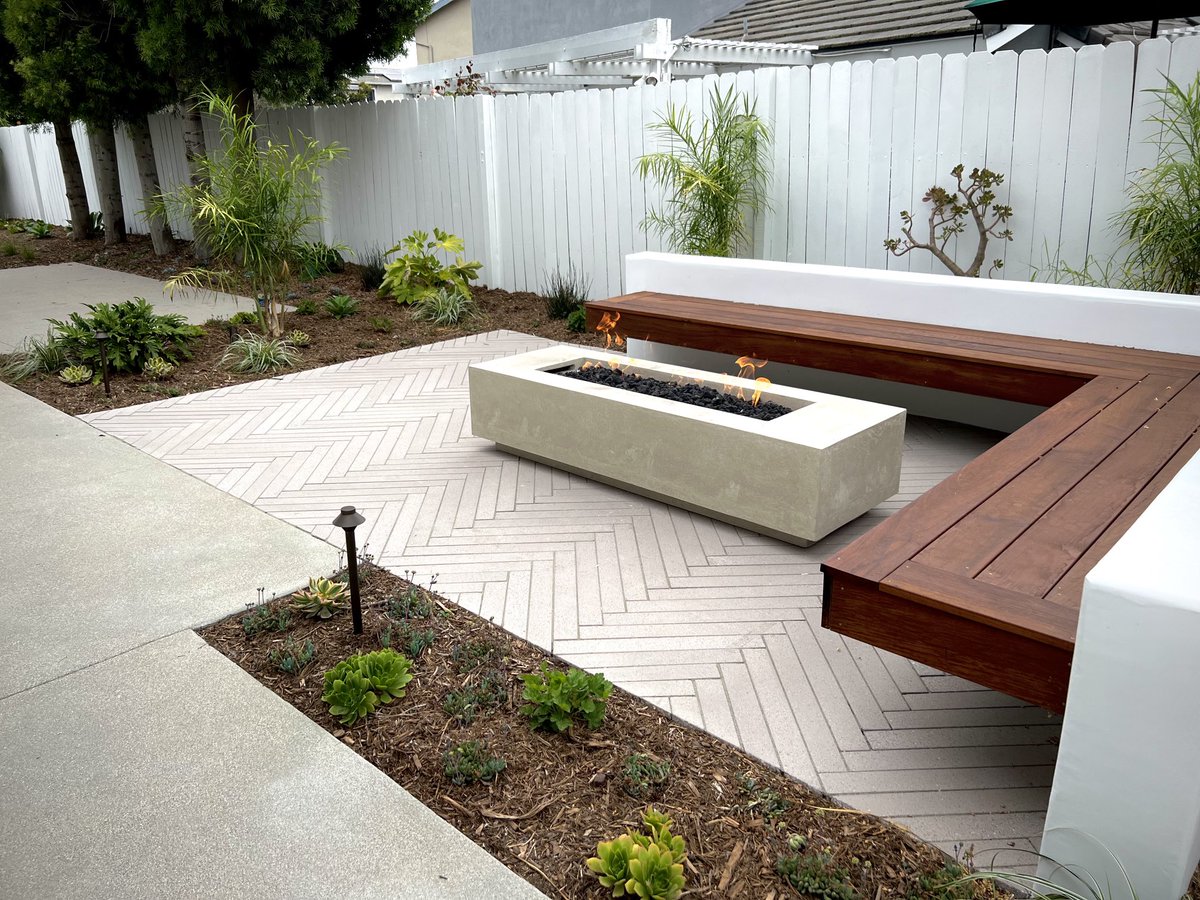
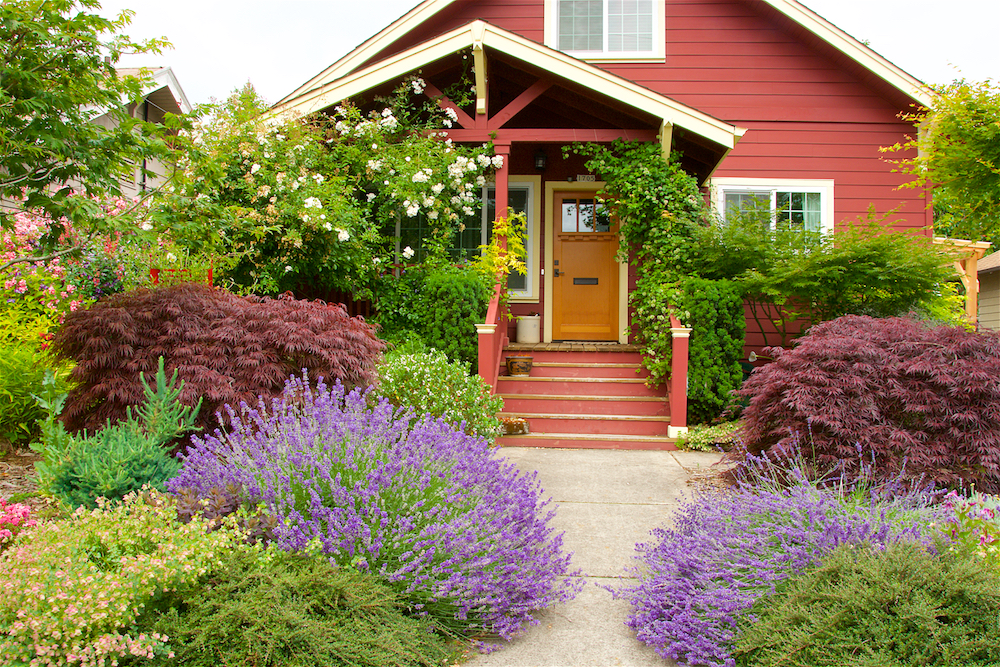
I believe beautiful outdoor spaces need to be sustainable with drought tolerant plantings, careful space planning and being creative with what is already there!
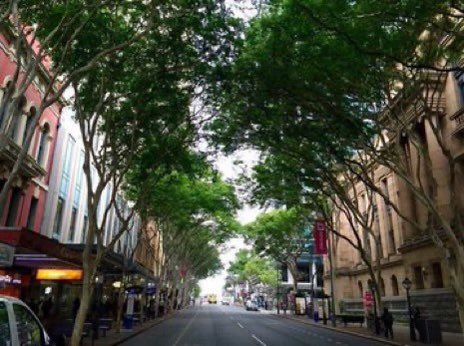
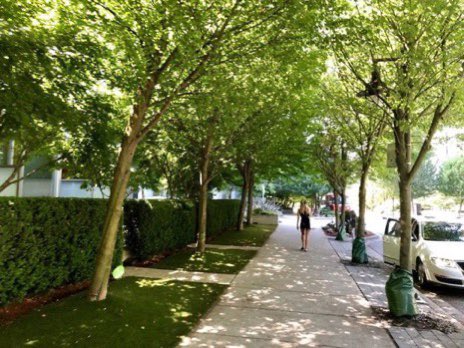
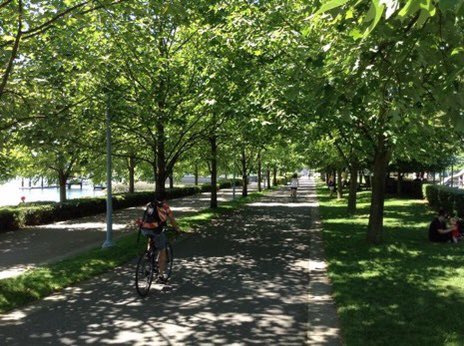
Did you know that when the canopies of trees grow enough to touch over a street or sidewalk, that’s often nick-named a “kissing canopy?” It creates a beautiful, comfortable & cool street condition, but it ONLY happens when the right decisions are made. #StreetsAreBetterWithTrees
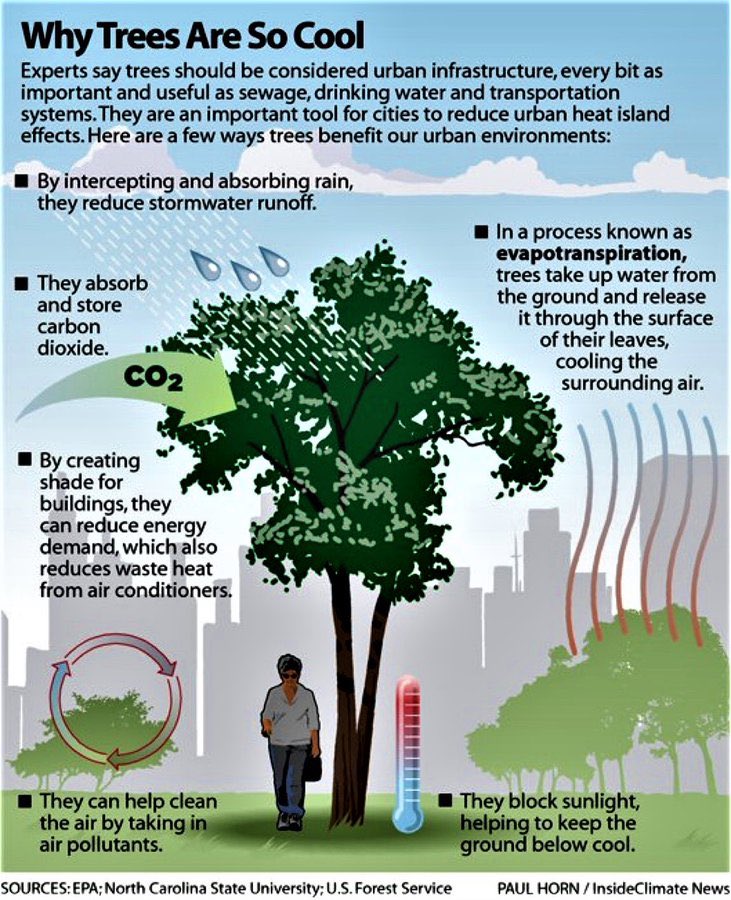
A smart urban street tree canopy shouldn’t just be considered urban infrastructure… given all the many public interests supported by urban trees, they should be considered ESSENTIAL infrastructure. HT @davidlois_UNED for the graphic.
12 Reasons Why Cities Need More Trees:
1. Temperature Control
One large tree is equivalent to 10 air conditioning units, and the shade they provide can reduce street temperature by more than 30%.
2. Noise Reduction
Trees can reduce loudness by up to 50%. In urban areas filled with the sound of cars, construction, sirens, aeroplanes, and music, trees are essentially the best way to block noise and keep cities — along with the homes and workplaces in them — quieter.
3. Air Purity
Trees remove an astonishing amount of harmful pollutants and toxins from the air. In urban areas air quality is often disastrously bad — with severe consequences for our health. Trees make the air we breathe much cleaner.
4. Oxygen
And, while absorbing all those pollutants, trees also put more oxygen back into the urban environment. Oxygen levels are significantly lower in cities compared to the countryside; trees help to solve that problem.
5. Water Management
Trees do more than just shelter us and our buildings from rain — which is, in fact, extremely important. They also absorb huge quantities of water, reduce run-off, neutralise the severity of flooding, and make flooding more unlikely altogether. Not to forget that their roots absorb pollutants and prevent them from feeding back into a city's water supply.
6. Psychological Health
Studies have proven what we instinctively know to be true: that human beings are significantly happier when surrounded by nature rather than sterile urban environments. Our emotions, behaviour, and thoughts are shaped by the places we spend time — and trees have a profoundly positive effect on our psychology. The consequential benefits of being happier and more peaceful — as individuals and as a society — are immense.
7. Physical Health
Beyond all the other ways in which trees improve air quality and the urban environment, much to the benefit of our health, they also encourage people to go outside. Cycling, running, and walking are all more common in urban areas with plenty of trees. A knock-on effect of people spending more time outdoors is also social integration and stronger communities.
8. Privacy
A simple point, but not inconsequential, is that trees provide privacy.
9. Economics
The total economic benefit of urban trees is hard to calculate. There are costs, of course, including the repair of infrastructure damaged by roots and maintaining the trees themselves. But the total economic benefit — a consequence of everything else in this list and more — far outweighs the expenditure. Trees make cities wealthier.
10. Wildlife
Trees are miniature cities all of their own, serving as a habitat for hundreds of different species, including birds and mammals and insects.
11. Light Pollution
Trees don't only block the light shining down, therefore keeping us and our cities cooler — they also disrupt light shining up, from street lighting, cars, houses, and billboards. Skies are clearer in cities with more trees.
12. Aesthetics
And, finally, trees are beautiful. They break up the potential monotony of urban environments — the sharp geometry, the greyscale roads and buildings, the endless rows of cars — with their trunks, boughs, canopies, and flowers.
Just think: the gold and red of falling leaves in autumn, the white and pink blossom of spring, the vast green canopies of summer, and the branches lined with hoar-frost in winter. Every single tree is a myriad of intricacy and texture, of colour and scent, of dappled light on the pavement, mottled bark, knotted roots, of clustered leaves and delicate petals and stern boughs.
Few streets would not be improved by the kaleidoscopic aesthetic delights of a tree, not to mention the many different species of tree, all over the world, whether willow, oak, lime, cherry, aspen, maple, birch, horse chestnut, dogwood, hornbeam, ash, sycamore... the list goes on.
There are some drawbacks to urban trees, most of them context-specific, and they are not — of course — universally appropriate. But it seems fair to say that many cities would benefit from at least a few more trees here and there.
Mulch adds to the beauty and tidiness of a garden. It also enhances growing conditions by protecting the root zones of plants and moderating soil temperatures.https://t.co/YF3crzMdV4
When I work with clients to design garden spaces to meet their entertaining needs, I tell them that their own daily use should be the first priority. Regardless of the budget or the size of a property, it pays to create a pleasing atmosphere.https://t.co/jZo7Jr7gJp
Landscape designers are becoming more aware and responding by adding more pollinating plants to designs. How to integrate more pollinating plants into a mature garden is a bigger challenge. https://t.co/2qFt1JJZqg
Researchers have announced that the Monarch butterfly population has continued to grow for the second year in a row. Here's how you can help the progress. https://t.co/aDscEWY8kv
Many positive things can be said for planting a meadow garden. These naturalistic designs tend to be a bit wilder thanks to the use of native wildflowers and ornamental grasses, so they require less primping and preening throughout the year. https://t.co/OtU8MnBIuw
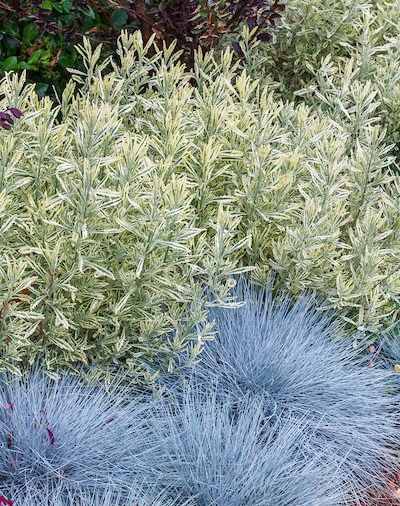
Companion Planting: Because #plants are happiest when surrounded by their leafy friends, here are some beautiful low-maintenance and low-water pairings: https://t.co/iuGYX9OG01
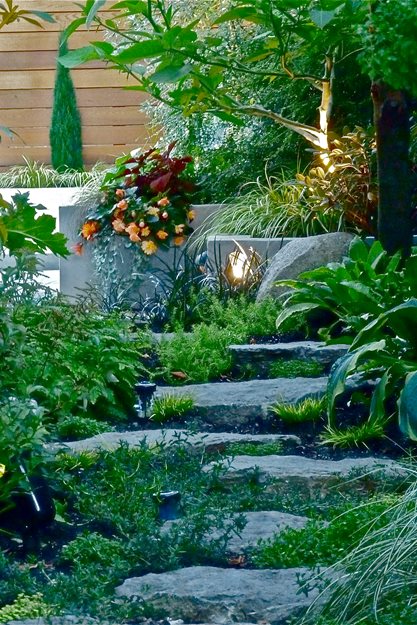
In residential #gardening, one of the toughest challenges is what to do with those narrow, cramped side yards and how to make them attractive passageways to the backyard.
See more on planters and pathways: https://t.co/PrZhxIB0fl
Photo by Susan Curtis.
Is this the year you make your curb appeal dreams come true? Learn what to consider and get inspired to plan your front yard landscape in our newsletter tomorrow
Sign up: https://t.co/DjT63BKBtA
Jeff and Esther Clark garden. Photo: Janet Loughrey
#landscapedesign#gardendesign
What do I do after it’s done blooming? This is the million-dollar question for many people. Follow these steps to keep your plant happy after bloom. https://t.co/eN9rdxaLhX
If your town or city is ever looking for a way to quickly & cheaply become more beautiful, you can hardly go wrong with planting a lot of street trees!
While landscape architects and landscape designers have a similar skill set, there are distinctions between the two types of design professionals. https://t.co/DGp4eeXAZo
Meadows happen to be a great way to replace a lawn, which the #landscape design team at #SanFrancisco's Collecting Flowers did when they created a meadow in a client’s yard in the city's Bernal Heights. https://t.co/BvSD7JAeUw #gardening