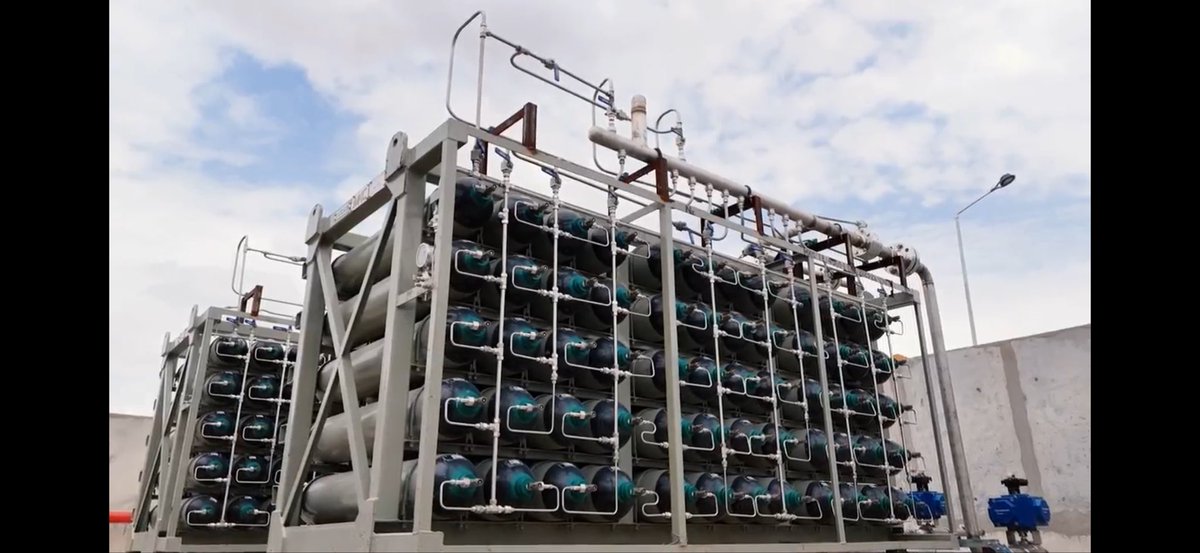
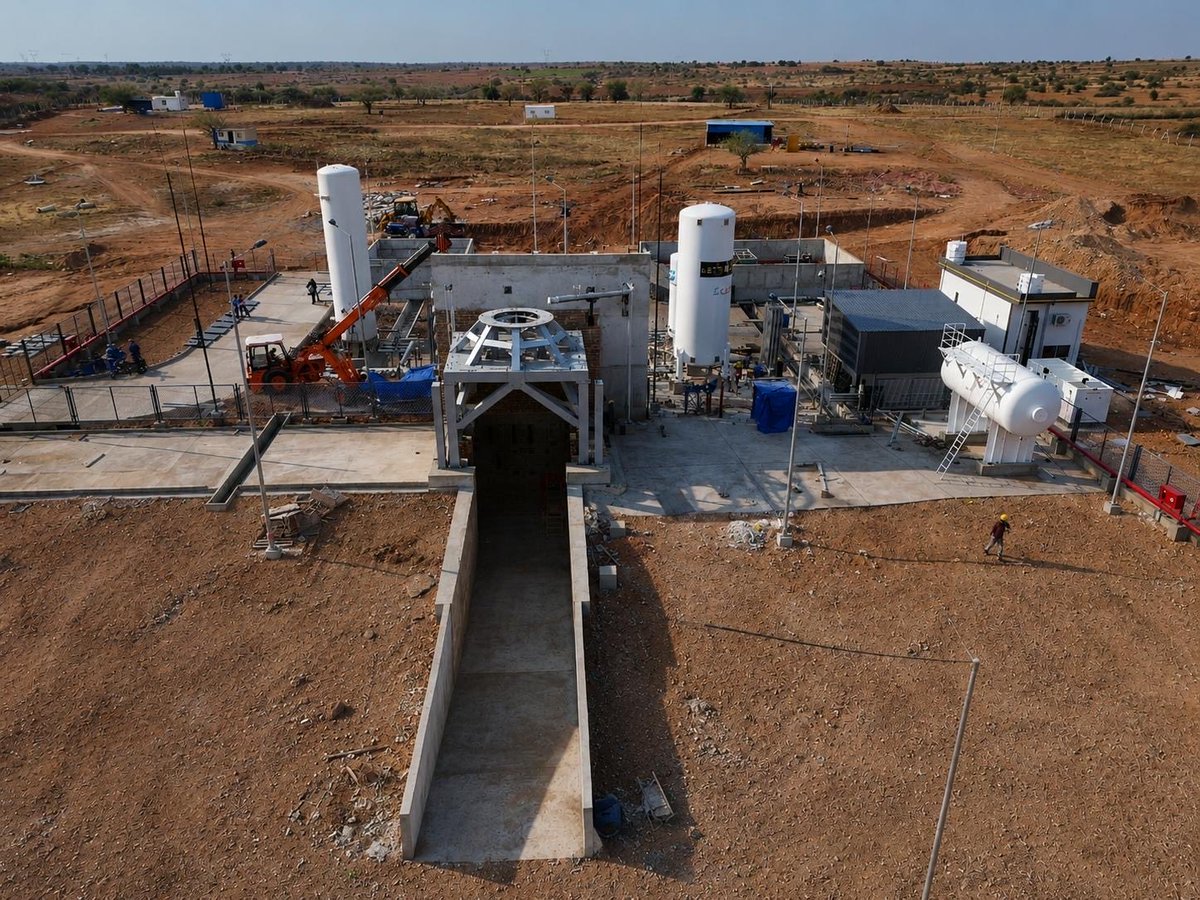
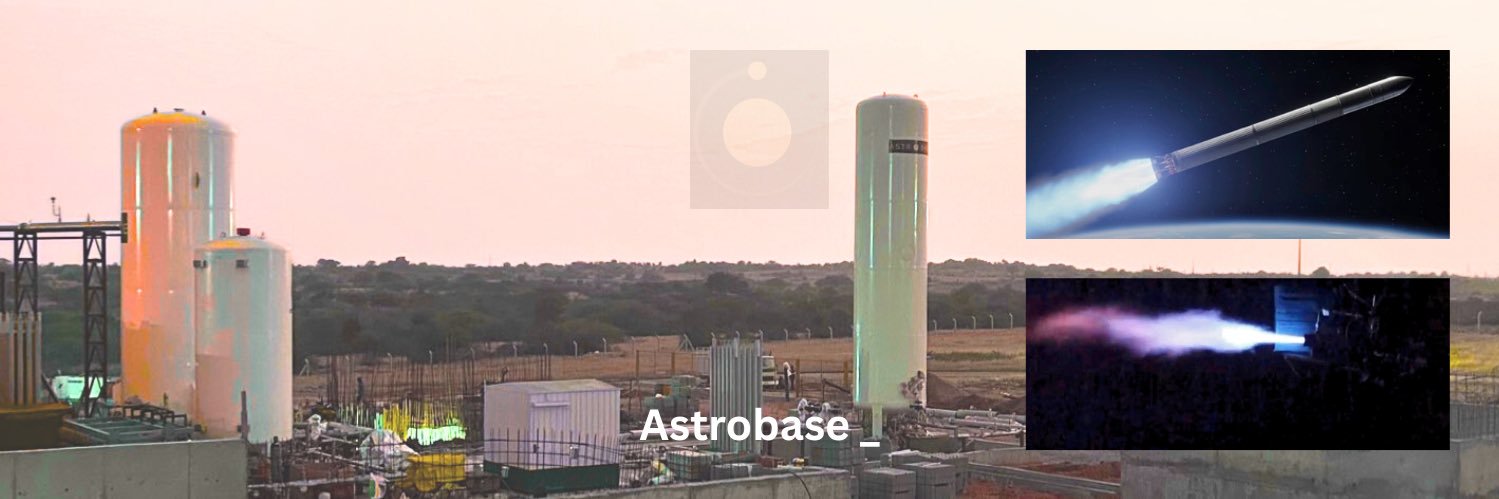
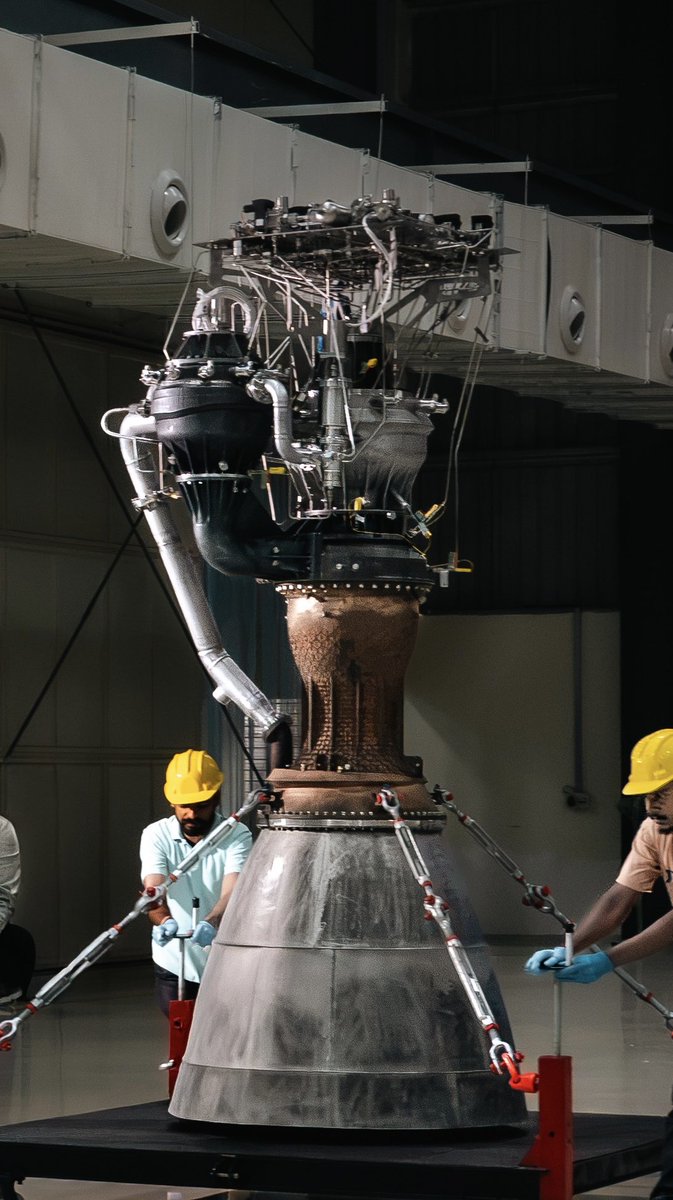
Nothing like it in India, with best shot at pacing India’s space close to SpaceX with raptor like FFSC engines tested and mastered before they make flight! Excited to make rocket engines work for real. @astrobase_space
For first time in 2 years, @astrobase_space is scaling the best in class propulsion team that built full scale 800kN FFSC cryogenic engine in less than 2 years.
17+ dedicated propulsion roles, one time opportunity to build and own flight ready FFSC rocket engines for reusable launch vehicles based in Bangalore, India. View all openings at https://t.co/0vLrZxZFgm
Propulsion engineer - Combustion : For all core combustion scientists this unique opportunity is aimed at owning the preburners and combustion chambers design until full flight hardware is tested for flight. Apply here https://t.co/zdYStpCl3A
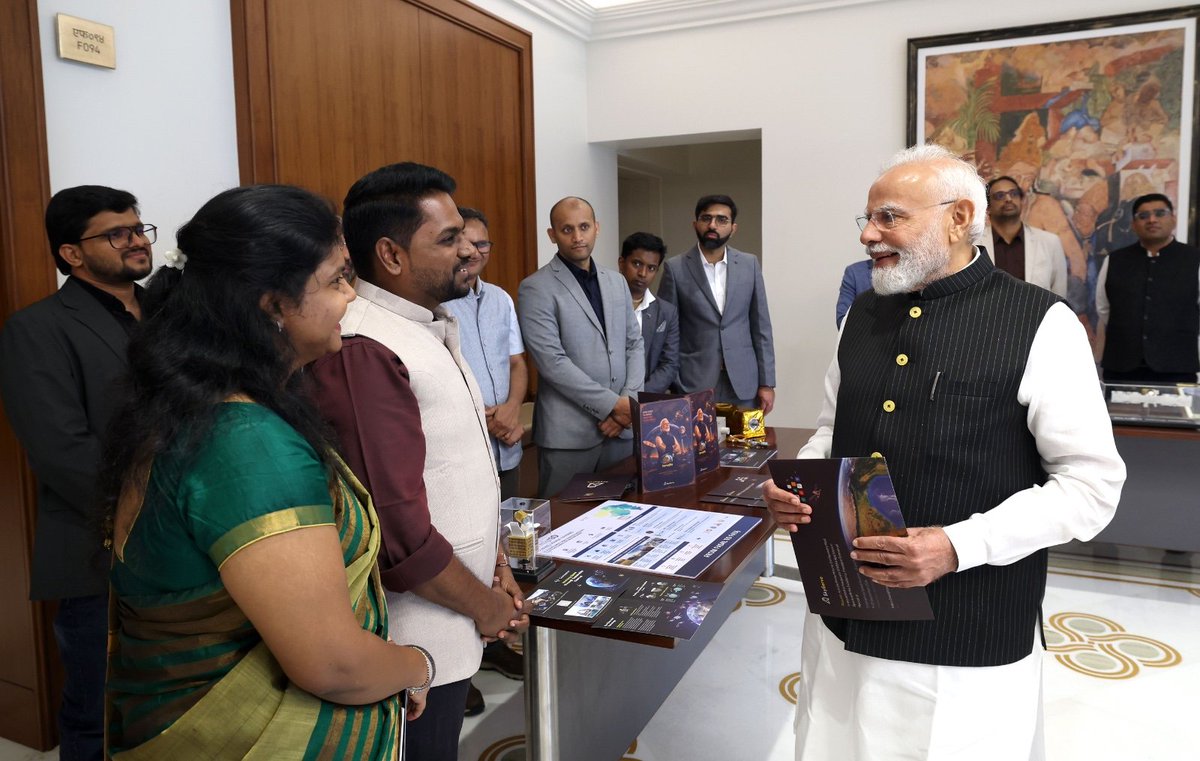
Good to meet the @astrobase_space team today. They started in 2024, and have made impressive progress in just two years.
The Everest engine, an 800 kN full-flow staged combustion engine, will be a first for India. I am told FFSC is among the hardest architectures in rocketry, attempted by very few anywhere. They are also building a manufacturing unit with one of India's largest metal 3D printers.
First orbital lunch is planned in just over 2 Yrs. Ambitious target but the team is confident and committed. @isro@INSPACeIND
It was cool explaining PM Modi about the Astrobase’s engine. He said - Tum itna bada bada soch rahe ho, log Vishwas karte hai kya?
I said - Shuru mai nahi karte lekin jab progress hoti h tab krte hai.
Then he said - Investaro ke saath kaisa h? I said we have good investments at Astrobase. No worries. And more so after Skyroot launch. On which he laughed.
Good human level interaction.
Thanks @INSPACeIND for the opportunity.
It was wonderful to meet the Yuva Urja of India’s space sector…young entrepreneurs and innovators who have shown remarkable courage by entering a new and demanding domain. They have taken risks, trusted the reform process and remained consistent in their efforts. Due to this, India has achieved a lot in the space sector in the last few years.
The StartUps made insightful presentations on their work. They also appreciated the space reforms of the Government and how it encouraged them to grow further in this sector.
I assured the space StartUps that Government of India will continue to stand with them as they build India’s capabilities for the future. India can offer the world a strong, innovative and commercially viable model in the space sector.
Astrobase is at 1/5th of the cost structure compared to US and Europe but a technology stack that’s at par or better. I have a favourite statement - “Nobody has gotten this far spending so little”. It compounds from here.
Astrobase is coming for the global launch market, space data centres and the defence infrastructure. We have started with solving the propulsion system first. Choosing the hardest yet the best propulsion system as a long term commitment.
🔥🇮🇳 Astrobase dévoile Everest, le premier moteur FFSC privé indien.
Le 7 août 2026, la start-up bengaluruite Astrobase Space Technologies a présenté Everest, le premier moteur-fusée à combustion étagée à flux complet (FFSC) entièrement développé par une entreprise privée indienne.
🔹 Fonctionnant au LOX et au méthane liquide, Everest développe environ 800 kN de poussée dans le vide, soit une classe de 80 tonnes. Il affiche une impulsion spécifique d’environ 340 s et une plage de régulation de poussée de 50 à 110 %.
🔹 Cette architecture est destinée à la propulsion de lanceurs moyen-porteurs réutilisables, notamment grâce à sa large plage de modulation permettant un contrôle précis lors des phases d’atterrissage propulsif.
🔹 Fondée en 2024 par l’ancien spécialiste propulsion de l’ISRO Devakumar Thammisetty et l’entrepreneur Neeraj Khandelwal, Astrobase a conçu, fabriqué et intégré Everest principalement à Bengaluru, avec un recours important à la fabrication additive métallique.
🔹 L’entreprise dispose également d’un site d’essais de 8,7 hectares près d’Anantapur, en Andhra Pradesh, doté d’un banc capable de supporter jusqu’à 200 tonnes de poussée.
🔹 Le cycle Full-Flow Staged Combustion, particulièrement complexe, n’a jusqu’ici été opérationnel en vol qu’avec le Raptor de SpaceX, faisant d’Everest un développement particulièrement ambitieux pour une société privée.
👉 Astrobase prévoit désormais les premiers essais à feu du moteur intégré dans les prochains mois, avec l’objectif de tester une vingtaine de moteurs avant le premier vol orbital de son lanceur réutilisable, visé pour fin 2028 ou 2029.
📷 : @gagan_shux
Inspiring @neerajKh_, @devakumar_t! 🫡
Got to witness history today as @astrobase_space
unveils EVEREST: India’s first Full-Flow Staged Combustion rocket engine!
The incredible progress the team has made in such a short time is staggering. They have taken one of the hardest chokepoints in spacetech and innovated and solved it with a bold, long-term vision for scale.
Super proud to be an early supporter in this journey, as they build the future of Indian space.
The massive scale they are aiming for is exactly what India and the industry need!
And a disclaimer - the engine has to be hot fired. What we have achieved is design + build cycle and subsystem level testing. Integrated hot fire next.
EVEREST will take 1000 tonnes to Low earth orbit annually from Indian soil. It will take immense amount of effort by the Astrobase team. This is what we are up for.
1000 tonnes == 5000 operational Sats in LEO. Thats what we need as a first step. That where it starts to matter.
The Indian space sector seems to be getting more exciting with each passing day.
Today, I had the privilege of witnessing the unveiling of EVEREST—a full-flow staged combustion engine being developed by Astrobase @astrobase_space in Bengaluru.
For those outside the space community, this may sound like just another engine. It isn’t. A full-flow staged combustion cycle is among the most demanding engineering challenges in rocketry. To date, only a handful of companies—not countries, but companies—have seriously pursued this architecture, and only SpaceX has successfully flown one to orbit.
What stayed with me, however, wasn’t just the hardware on display. It was the faces in the room.
Behind every piece of metal stood years of calculations, failed tests, redesigns, persistence, and quiet determination. You could see it in the smiles of the engineers and the pride in their eyes. Those expressions told the real story of the milestone.
My heartfelt congratulations to the entire Astrobase team on reaching this point. Milestones like these are never the finish line, they are proof that the journey is moving in the right direction. Wishing you all the very best for the hot-fire tests and the many successes that lie ahead.
This is how ecosystems are built, not through a single breakthrough, but through many ambitious teams choosing to solve problems that once seemed impossibly hard.
And that is what makes me deeply optimistic about the future of India’s space sector.
#shux #space #india #shubhanshushukla #astrobase
EVEREST — India’s first full-flow staged combustion (FFSC) rocket engine.
80-tonne class. Fully integrated. Designed and manufactured in Bengaluru, India.
@astrobase_space Full engine design and manufacturing milestone unlocked, coming up this Friday!
It has taken years of development efforts including subscale, full scale powerhead hardware hot fire validations to reach this milestone. Next stop: Engine hot fire.
@SwarajyaMag@INSPACeIND has examined the proposal with expert panel comprising of ISRO, IITs and space science technology professionals over past one year and awarded 25cr technology adoption fund to mature the technology to TRL8.
VERY INTERESTING SPACE STARTUP - @astrobase_space
Only ONE full-flow staged combustion (ffsc) rocket engine has ever flown - SpaceX's Raptor.
-only 7 have run on a test stand, anywhere, in history.
-ISRO has never attempted the cycle.
-Bengaluru startup (founded '24) is trying this!
Astrobase wants an 800 kN FFSC methane engine
-7 of them under a reusable rocket
-and orbit by 2029.
BUT ffsc is the Everest of engine cycles:
-2 pre-burners instead of one
-all propellant turned to hot gas before it meets in the chamber
-Rewards: extreme chamber pressures (Raptor exceeds 300 bar), top-tier efficiency, engines that can fly hundreds of times
What Astrobase has actually demonstrated:
-sub-scale hot fire, September 2025
-successful on the first attempt, per the company
-21.5-acre test site at Anantapur with a 200-tonne stand
-India's first private high-thrust LOX-methane facility
CREDIBLE TEAM
- Selected June 2026 for IN-SPACe's ₹500-crore Technology Adoption Fund
-3 winners from 43 applicants; ₹25 crore cap)
-backing its own engine design
-no ISRO blueprint changing hands
Can they pull it off? Is it workable? Do they have the money to make it possible? How much of this is actually real? Isn't it too early to say anything?
An in-depth explainer in @SwarajyaMag
https://t.co/Ems7r9ODKx