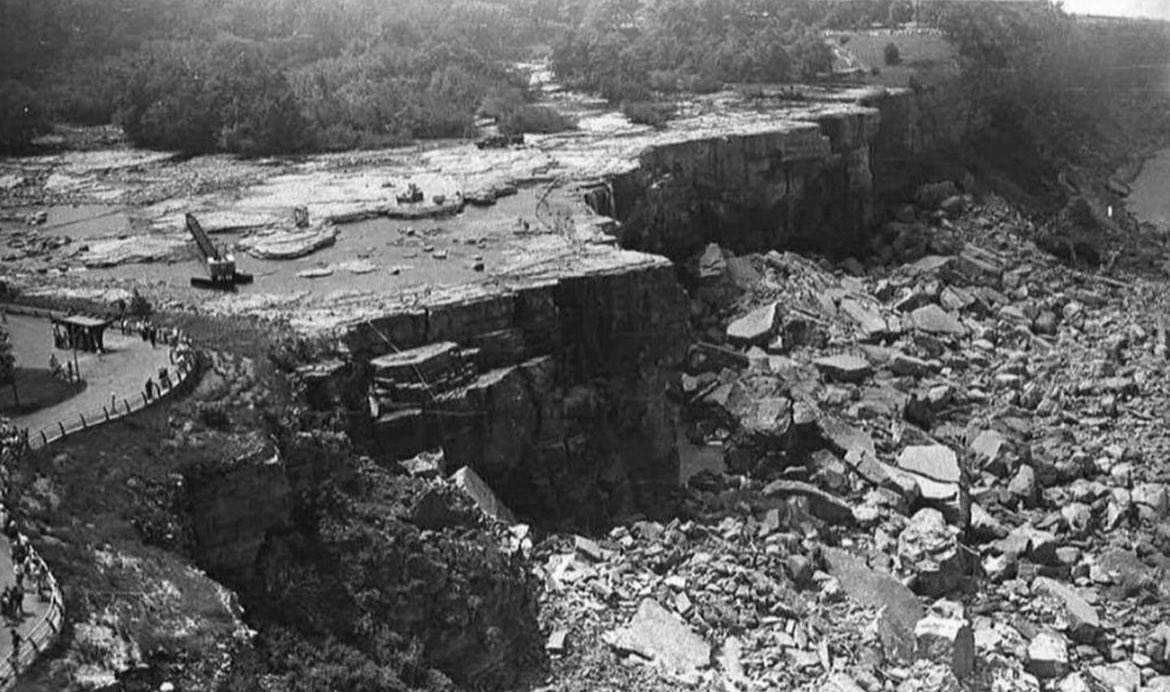
Niagara Falls experienced a unique phenomenon in 1969 when the powerful rush of water over American Falls, one of the three waterfalls comprising Niagara Falls, was significantly reduced for a period of six months during the summer and fall. The reason behind this unprecedented event was the concern that the erosion of the falls' rock face was causing destabilization, prompting the Army Corps of Engineers to conduct a geological survey.
To address the issue, a strategic approach was implemented. Over a span of three days in June 1969, approximately 1,200 trucks unloaded around 28,000 tons of rocky fill into a cofferdam located upstream of the falls. This ingeniously diverted the flow of the Niagara River away from American Falls and redirected it towards the larger Horseshoe Falls.
With the water completely drained from the falls for the first time in thousands of years, the US Army Corps of Engineers embarked on their investigative mission. Surprisingly, aside from the official study, only two bodies were discovered, which was a remarkably low number considering the falls' historical records of accidents and suicides. Additionally, decades-old coins were found amidst the accumulated debris at the base of the falls. As for the accumulated talus, it was decided to leave it untouched in its natural state.
In November 1969, as the cofferdam was gradually removed, the powerful rush of water returned to American Falls, resuming its mighty roar as before.
Göbekli Tepe, located in the southeastern Anatolia region of Turkey near the city of Urfa (also known as Şanlıurfa), is considered the oldest known temple complex in the world. It is an archaeological site that has captivated researchers and historians with its remarkable age and significance.
Discovered in the 1960s by the archaeologist Klaus Schmidt, Göbekli Tepe dates back approximately 11,000 years, making it older than Stonehenge in England and the Great Pyramids of Egypt. The site was built and used by ancient hunter-gatherer societies during the Pre-Pottery Neolithic period, challenging the conventional belief that monumental architecture was a product of settled agricultural communities.
Göbekli Tepe comprises multiple stone pillars arranged in circular structures, which are thought to have served as ritualistic gathering places. These pillars, some of which reach up to 16 feet (5 meters) in height and weigh several tons, are adorned with intricate carvings of various animals, including lions, snakes, foxes, and birds.
What makes Göbekli Tepe particularly fascinating is the complexity and sophistication of its construction. The massive stones used to create the pillars were transported from quarries several miles away, and their shaping and assembly would have required a high level of coordination and organization. This suggests that the hunter-gatherer societies that built Göbekli Tepe possessed a degree of social organization and communal effort not typically associated with their era.
The purpose of Göbekli Tepe remains a subject of speculation and debate among archaeologists. Some believe it was primarily a religious or ceremonial site, where rituals and gatherings took place. The carvings of animals suggest a connection to ancient belief systems and potentially represent the worship of animal spirits or deities. Others theorize that it may have served as a meeting place for different groups or as a center for trading and exchange of goods.
The discovery of Göbekli Tepe has had a significant impact on our understanding of human history and the development of civilization. It challenges the traditional narrative that agriculture was the driving force behind the rise of complex societies and suggests that religious or social factors may have played a more prominent role. The site provides valuable insights into the cultural and technological achievements of early humans, highlighting their capacity for architectural innovation and symbolic expression.
Since its discovery, Göbekli Tepe has been meticulously excavated and studied by archaeologists, shedding new light on our ancient past. It has been recognized as a UNESCO World Heritage site, attracting visitors from around the world who come to marvel at this extraordinary testament to human ingenuity and the dawn of civilization.
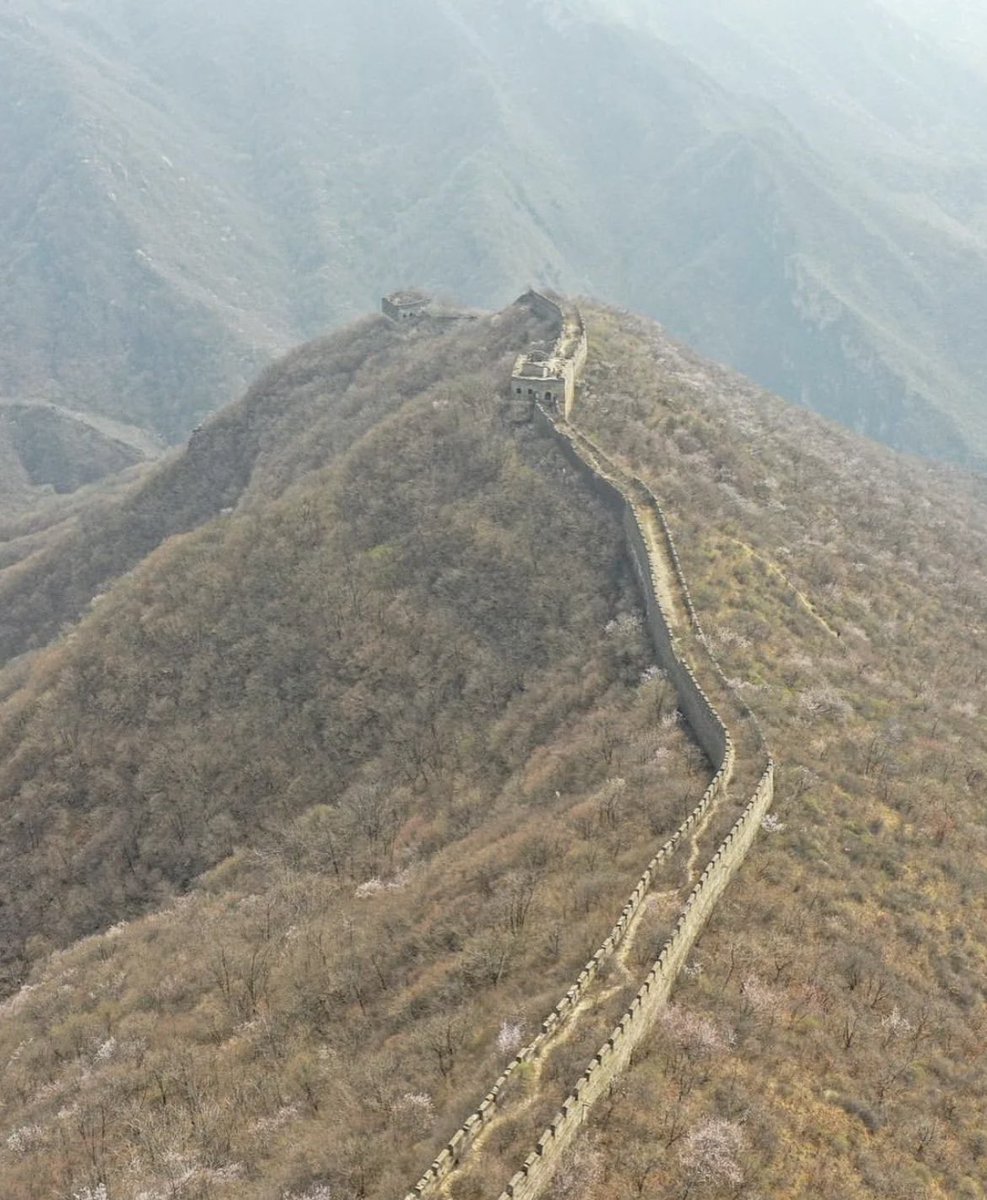
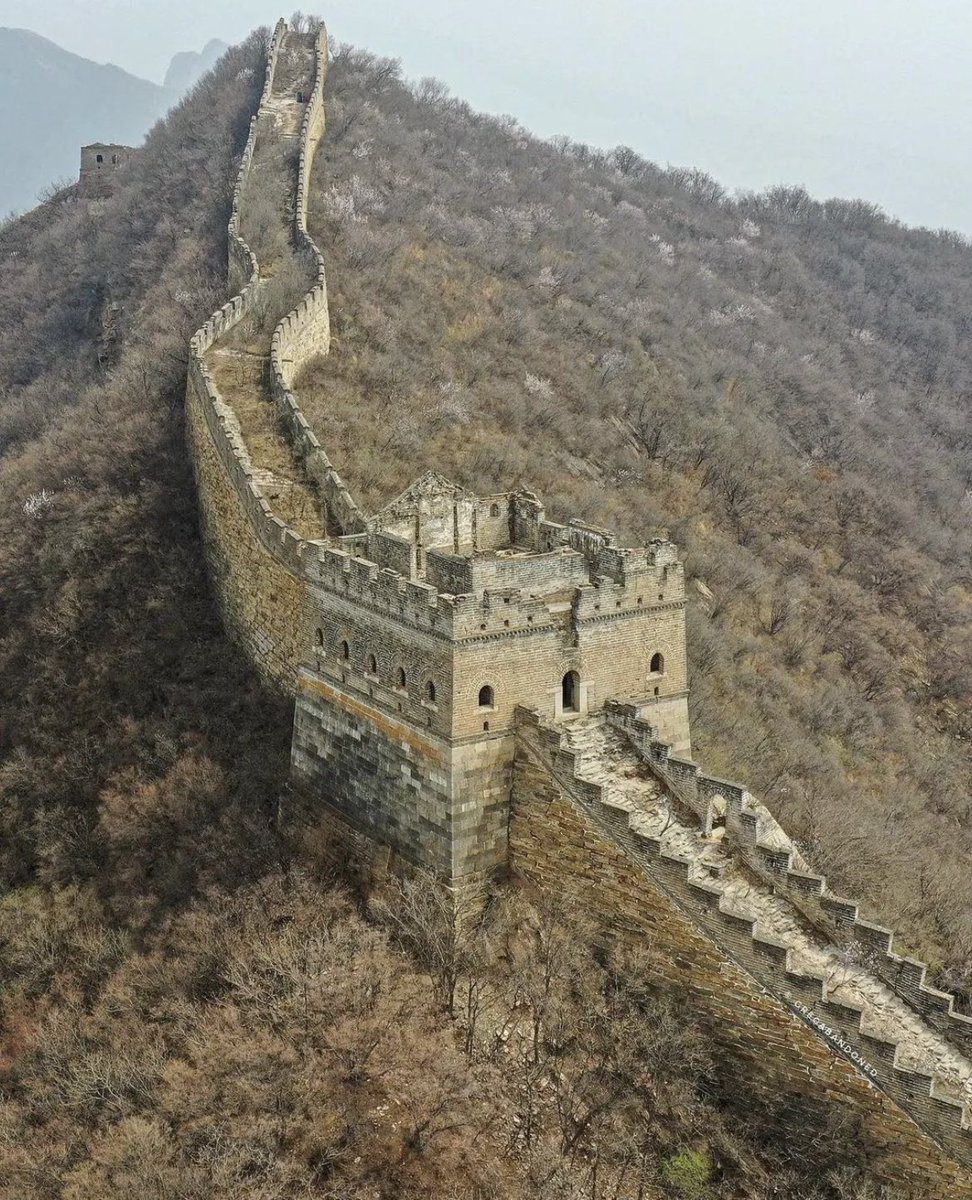
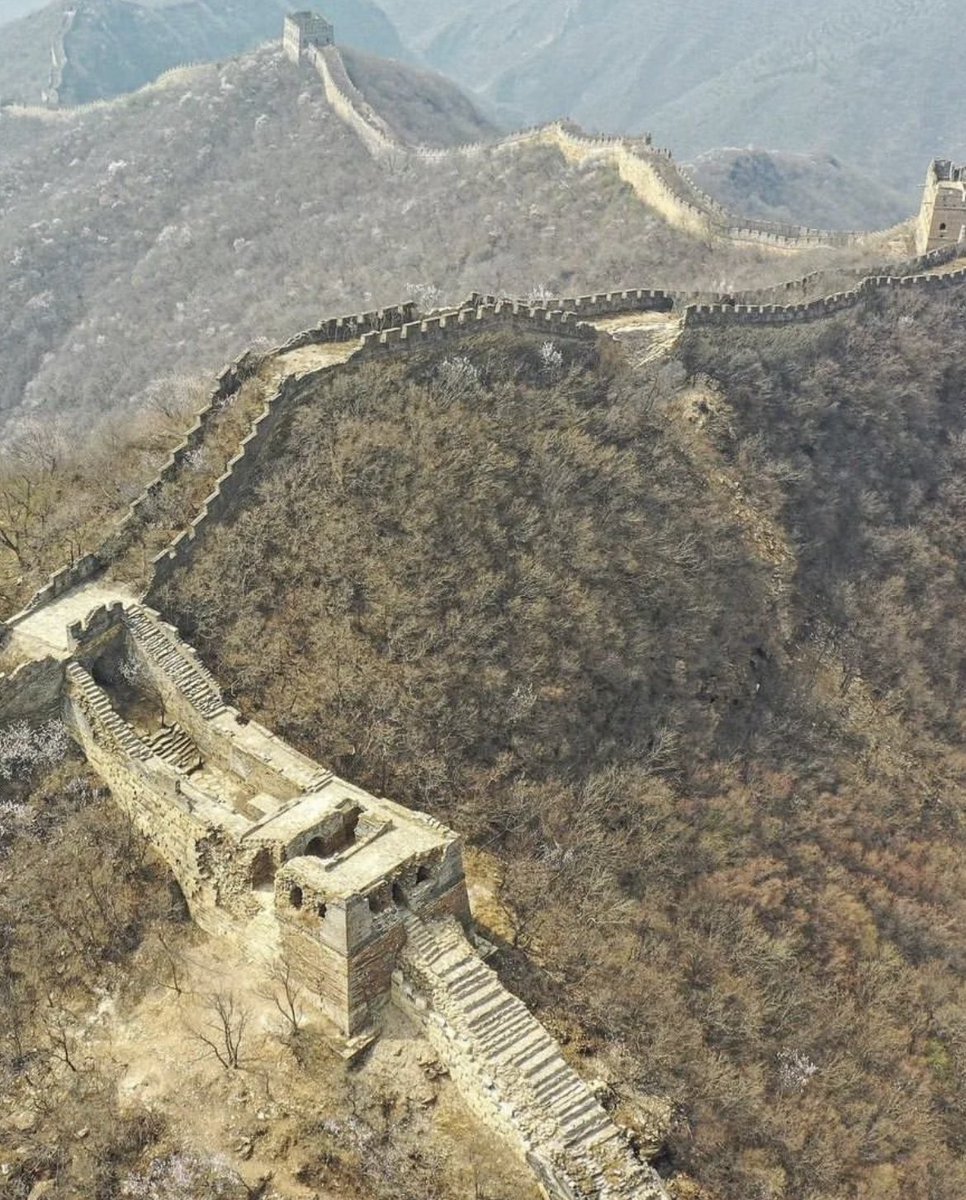
The Great Wall of China is a remarkable feat of engineering and one of the most iconic structures in the world. However, it is a common misconception that the Great Wall was abandoned at any point in history. In fact, the wall was constructed and maintained by various Chinese dynasties over a span of many centuries.
The construction of the Great Wall began as early as the 7th century BC, during the Warring States period in ancient China. However, it was during the Qin Dynasty (221-206 BC) that the first large-scale wall was built to defend against invasions from the north. This early wall served as a prototype for the later walls constructed during different dynasties.
The most well-known sections of the Great Wall, which attract millions of visitors each year, were mainly built during the Ming Dynasty (1368-1644 AD). These sections were constructed and fortified to protect China from Mongol invasions. However, it is important to note that the Ming Dynasty did not abandon the wall either. They actively maintained and expanded it during their reign.
While the construction of the Great Wall was a massive undertaking and required a significant investment of resources, there was never a complete abandonment of the wall. Instead, its purpose and importance evolved over time as dynasties rose and fell. The wall served not only as a military fortification but also as a symbol of Chinese national identity and unity.
In the centuries that followed, sections of the Great Wall fell into disrepair due to neglect, natural erosion, and human activities. However, efforts have been made in recent decades to preserve and restore the wall, especially the Ming-era sections, as a testament to China's rich history and cultural heritage. Today, the Great Wall of China remains a UNESCO World Heritage Site and a popular tourist destination.
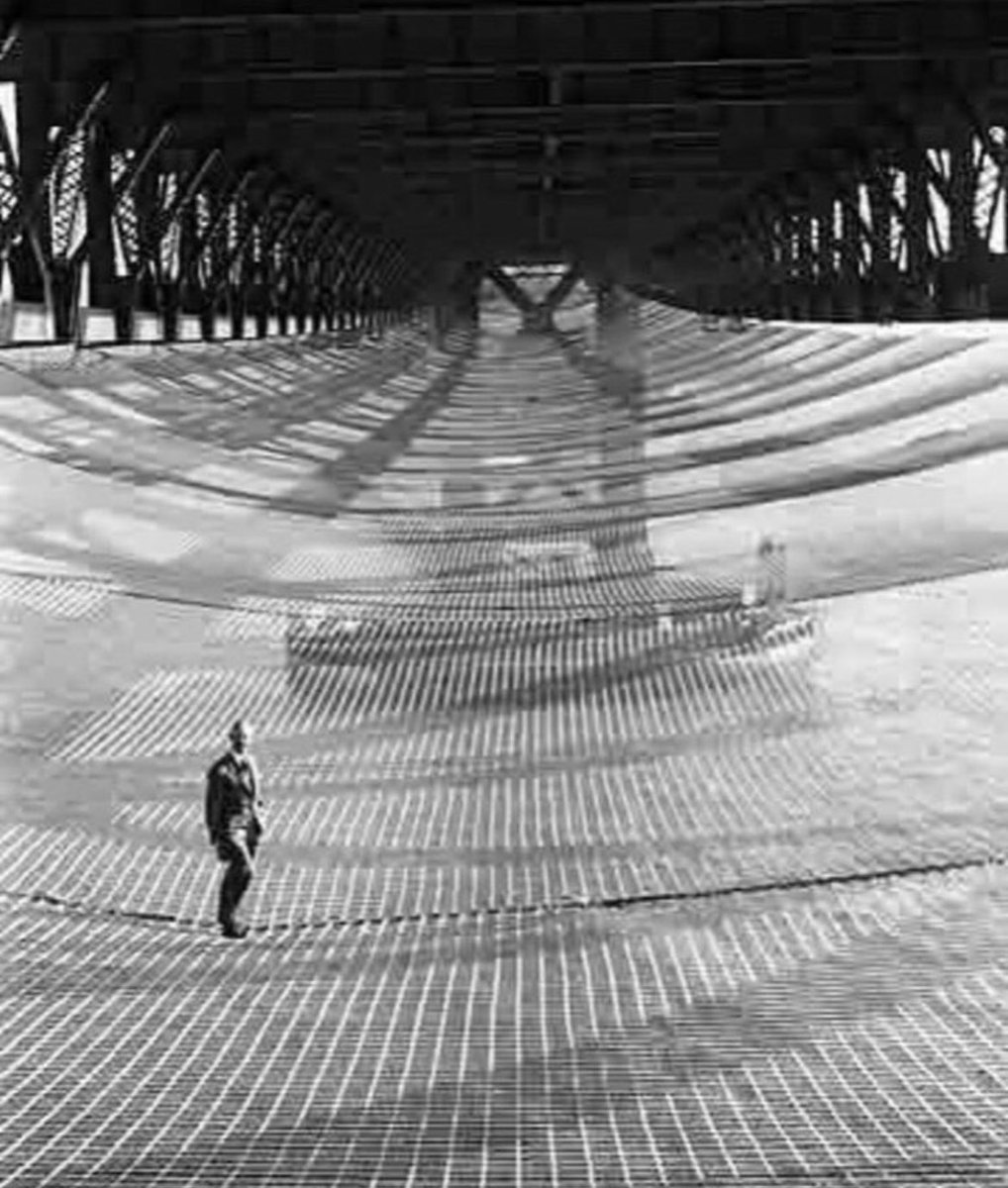
During the construction of the iconic Golden Gate Bridge in the 1930s, a unique safety net system was employed to protect the workers from falls and accidents. This safety net, often referred to as the "Bridge Builders' Safety Net," played a crucial role in ensuring the well-being and security of the construction crew.
The safety net was a remarkable engineering feat in itself. It consisted of a vast network of thick nylon ropes intricately woven together to create a strong and flexible mesh. The net spanned the entire length and width of the bridge, positioned directly beneath the workers as they carried out their tasks at dizzying heights.
The primary purpose of the safety net was to catch any workers who might slip, stumble, or fall during construction. The net's construction and strategic positioning allowed it to absorb the impact of a fall, significantly reducing the risk of injury or fatality. Its installation served as a constant reminder to the workers of the potential dangers they faced daily.
The net was suspended from a series of steel cables attached to the bridge's main supporting structures. It hung approximately 10 feet below the workers, providing enough clearance to cushion a fall but not so much as to create an excessive free fall distance. Its placement was carefully calculated to strike a balance between safety and practicality.
While the safety net was primarily designed to prevent falls, it also facilitated the movement of materials and equipment across the bridge. Instead of having to lower heavy tools or components down to the ground level, workers could drop them onto the net, where they would be retrieved and repositioned as needed. This ingenious method not only improved efficiency but also reduced the risk of objects falling onto the ground or into the water below.
The Bridge Builders' Safety Net proved to be instrumental in protecting the workers during the construction process. According to historical records, it saved the lives of 19 men who fell from the bridge during its four-year construction period. These fortunate individuals would have faced almost certain death if it hadn't been for the net's presence.
The net was constantly maintained and inspected to ensure its integrity. Any damaged sections were promptly repaired or replaced to guarantee its continued effectiveness. The workers had a sense of security knowing that the safety net was there to catch them if they ever lost their footing.
As the construction of the Golden Gate Bridge neared completion, the safety net was no longer needed. Its removal marked a significant milestone, indicating the successful conclusion of one of the most ambitious engineering projects of the era. However, the legacy of the Bridge Builders' Safety Net lives on, as it serves as a testament to the ingenuity, dedication, and commitment to safety of the workers who built this iconic structure.
The concept of civilization is often associated with various tangible artifacts and advancements, such as tools, architecture, or systems of governance. However, anthropologist Margaret Mead presented a different perspective when she was asked about the first sign of civilization in a culture. Rather than focusing on material objects, she emphasized the significance of a healed femur bone.
In Mead's view, the animal kingdom provides a stark contrast to human civilization. When an animal breaks its leg, survival becomes nearly impossible. The inability to escape from danger, access water, or procure food renders the injured animal vulnerable to predators. Consequently, no animal lives long enough for a broken leg to heal naturally. Thus, the healing of a femur bone is a profound indication of civilization.
Why is a healed femur bone considered the first sign of civilization? Mead's explanation lies in the collective care and empathy demonstrated by a community. When someone breaks their leg, it is a moment of extreme vulnerability and danger. However, if the injured individual receives aid and support from others, they can overcome this critical period.
The act of caring for someone with a broken leg requires time, compassion, and a sense of responsibility towards others. Mead suggests that the healing process involves multiple steps. First, someone must have witnessed the accident and recognized the injured person's distress. Then, they would have provided immediate assistance, possibly by binding the wound and ensuring the person's safety. Finally, they would have stayed by their side, offering ongoing care and support during the recovery period.
By highlighting the significance of collective care, Mead emphasizes that civilization begins with the recognition of the suffering of others and the willingness to help. It is through acts of compassion and support that a community establishes its foundations of empathy, cooperation, and social cohesion. The healing of a broken femur, symbolizing the survival and recovery of an individual within a community, reflects the values and actions that underpin a civilized society.
Mead's perspective challenges the notion that civilization is solely determined by material progress or technological advancements. While such developments are undoubtedly important, they are built upon a deeper foundation of human connection and mutual aid. The healing of a broken femur bone serves as a metaphor for the care and support that individuals provide to one another, promoting the well-being and progress of society as a whole.
In conclusion, Margaret Mead's unconventional response to the question about the first sign of civilization reminds us of the fundamental importance of collective care. Civilization, she argues, is not solely defined by tangible artifacts or structures but by the empathy and support extended to those in need. The healing of a broken femur bone represents the compassion and responsibility that underpin a civilized society, highlighting the significance of human connection and mutual aid in fostering progress and well-being.
The archaeological site at Lajiazhen in central China, located along the banks of the Yellow River, unveiled a poignant glimpse into the past. In this remarkable discovery, skeletons dating back 4,000 years depicted a mother's valiant efforts to protect her child during an earthquake that shook the village to its core in 2015.
The excavation process unearthed a total of 20 skeletons, each bearing the physical marks of distress caused by external forces. The ruined buildings strewn with debris served as a backdrop, allowing archaeologists to piece together a tragic tale. It became evident that the villagers residing along the Yellow River were defenseless against the immense power of Mother Nature.
Two main theories emerged from the scientific analysis of the site. The first theory suggested that the village was struck by a devastating earthquake. The seismic activity also triggered the formation of a natural dam upstream on the Yellow River, resulting in the accumulation of water. Several months later, the dam collapsed, unleashing a catastrophic flood that engulfed the village. The presence of sediment and the concurrent damage from the earthquake indicated that these events likely occurred in the same year.
The second theory pointed to flash floods and mudslides as the culprits behind the villagers' demise, as these natural phenomena have been recurrent in the region throughout history.
The village of Lajiazhen offered valuable insights into the lives of ancient Chinese peasants, revealing their agricultural practices and their keeping of animals for sustenance and religious purposes. Moreover, this site also unveiled an extraordinary find in 2005—an overturned pot containing the world's oldest noodles.
Due to its significance, the site has gained widespread renown and is often referred to as "China's Pompeii."