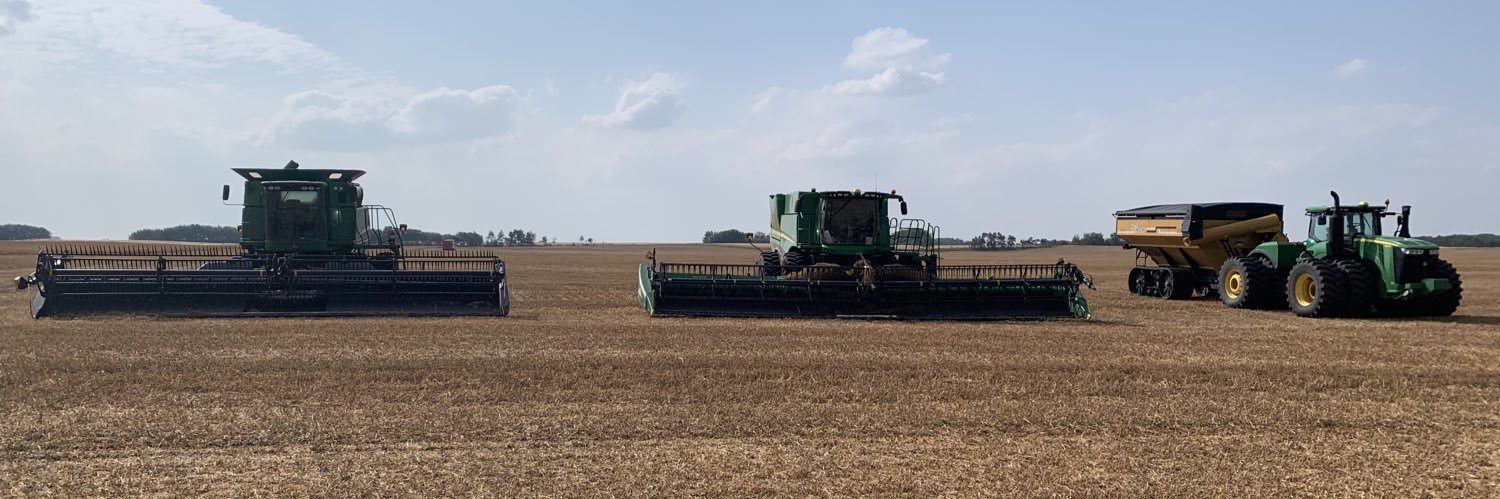
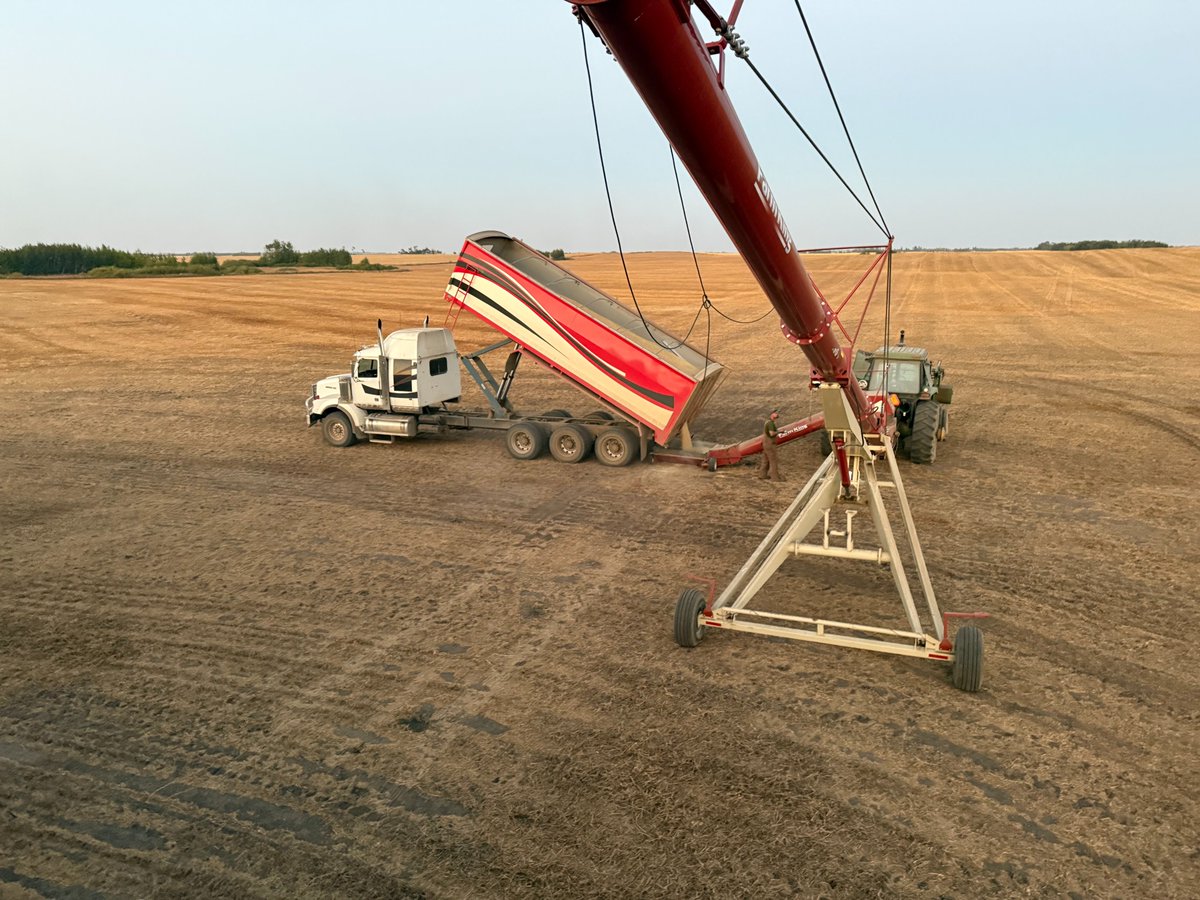
I’m an Alberta grain farmer who’s also interested in building practical tools for farmers.
What I care about:
- real-world farm decisions
- ag tech that actually helps
- rural business
- faith, family, and building useful things
If you’re into practical agriculture instead of fluff, you’ll probably like this account.
@theficouple But does the value loss really matter if you don't plan to sell it? We run our vehicles into the ground before we get a new one so depreciation doesn't really matter.
@MYPrecisionAg Drill calibration is the part of the job where you find out if your fall notes were good enough. Every meter rate conversation you had with yourself in November gets put to the test. Nothing makes you want spring more than finally getting the machine dialed in.
@Chris_bauer_LL 118th crop is something. That's not just farming, that's the whole history of the place written in yield maps. Having your son drive that same land your dad farmed makes harvest mean more than the bushel price.
@kowalchukfarms1 Canola board to check prices first thing in the morning, then spend the rest of the day pretending you didn't see it. The bins aren't getting any emptier from looking at the screen but that doesn't stop us from looking.
@plowwife Bottle calves have no respect for your schedule. At least a fat steer has somewhere to be. A bottle calf is on its own timeline and it's never yours.
@LouiseCarduner First year running variable rate seeding across all acres instead of just the trials. Took a few years of data to feel confident about it. We'll see if the yield map agrees. New things always look better before you get the final numbers.
@LouiseCarduner Seeding is usually the part where everything goes wrong at once and nobody has time to document it. Having someone else manage the camera while we're managing the drill sounds about right. If you ever make it out to Alberta we'd put you to work.
@Stampseeds@blairbalog@stampgreg CDC Lima CL is a good one for Alberta. The yellow pea market has been rough lately but AAC Julius yields well enough to make it pencil if you shop the contract right. Good to see the pulse options growing.
@BantrySeedFarms Bags for miles means someone had to commit to every one of those varieties months ago before a single field was even thought about. Seed decisions are made in the dark in January. You find out if you got it right in August.
@BantrySeedFarms Trucks rolling means farmers are planning. There's something satisfying about watching seed movement pick up in March. By the time those bags land on a yard, someone has already made a lot of decisions. Looks like a busy spring coming.
Behind every farm photo is a pile of decisions most people never see.
Timing. Weather. Cost. Risk. Tradeoffs. Equipment. Cash flow.
That’s one reason I respect farming so much. The work is visible. The decision load usually isn’t.
@UI_Franklin Clean UI helps. The harder design problem is what a farmer needs at 6am before heading out. Analytics are for reviewing. What they need in the moment is a clear call: spray today, wait, or check field 4 first. Dashboard versus decision tool are two different design problems.
@wezomcompany Drone imaging and soil analysis are solving real problems. The part still unfinished is connecting that data to an actual field decision. Most precision ag platforms collect and visualize well, but farmers still do the last mile themselves. That's where the adoption gap lives.
@burro_ai Robots are interesting. The harder part is always the workflow around them. Who gets the alert, when, and what do they do with it? Most ag hardware solves the sensing problem fine. The software layer connecting robot data to an actual farm decision is where things break down.
Offline-first is the right instinct. Connectivity isn't usually the real problem. The real problem is whether the tool is actually in a farmer's hand when they're walking a field and need to make a call. Getting the timing and the workflow right is harder than getting the AI right.
@yichenyang_geo Good data infrastructure. The 8-day cycle works for trend analysis but the harder problem is whether it shows up usefully when a farmer needs to make a spray call. Data that's a week old is still useful, only if it's packaged for a decision, not just displayed as a map layer.
Good data infrastructure. The 8-day update cycle works fine for trend analysis but the harder problem is whether it shows up in a useful form when a farmer is making a planting or spray call. Data that's a week old is still useful, but only if it's packaged for a decision, not just presented as a layer on a map.
This is the right direction. Giving a rate recommendation based on actual conditions is different from handing a farmer a chart to interpret themselves. The question is whether the timing is right too. Nitrogen decisions have a narrow window and if the tool isn't surfacing at the right moment, even good data doesn't help.