If an Anthropic employee got $500k/year in equity over 4 years in 2024, they are now worth $125M.
At $1M/year equity for 4 years, they are worth about $250M.
The scale and speed of wealth creation are incomprehensible.
$500k/year equity is not a lot for an early-stage startup. I don't think the Bay Area has seen this type of wealth creation in history.
Dot com boom probably feels like a speck of dust.
Why is it so difficult for European leftists to understand that you can’t tax, regulate, and bureaucratize your way into an economic renaissance?
History is an asset. Living off history is a liability. Europe urgently needs fewer regulations and lower taxes to thrive again.
None of this is satire.
→ A company spent $500,000,000 on Claude in one month because nobody set usage limits
→ Uber ran leaderboards ranking engineers by how much AI they used, not what they shipped
→ Uber burned their entire 2026 budget by April. Their COO said he can’t connect any of it to consumer features
→ A CTO told Axios employees were using enterprise AI to check the weather
→ Microsoft canceled most Claude Code licenses because the token bill spiraled
→ Companies are now laying people off to pay the AI bill. Not because AI replaced the work. Because the bill replaced the headcount.
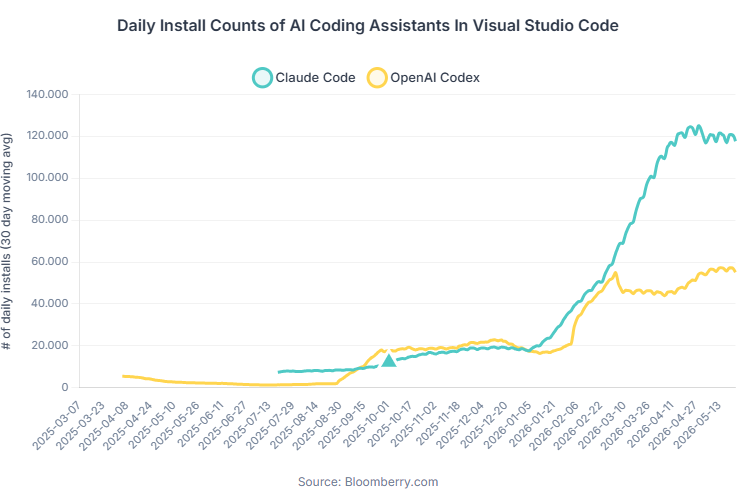
It's clear that growth for coding tools such as Claude Code has decelerated from the pace it was since the start of the year.
It might be compute- constrain related or due to many clients blowing their full-year AI budgets.
Monitoring this trend very closely with all the alt data. I will provide regular updates.
Uber’s COO has said that it’s getting “harder to justify” its AI costs because there was no way to show a link between AI spend and any meaningful increase in useful features. This is the first time I’ve seen a company say this directly.
https://t.co/xUhZvtpwah
Germany is a sleeping giant of physical AI
everyone's been writing Germany off in the AI race because there's no German OpenAI and no big data center story.
but theres actually two AI races happening:
the first is software. chatbots, LLMs, data centers. US/China are winning that, not even close.
the second one is physical. robots that pick up boxes, weld cars, carry groceries, stack pallets.
and on this one Germany is one of the top contenders in the world
this stat might convince you (it convinced me):
Germany is 3rd in the world for robots per factory workers (449 robots per 10,000 human workers).
only South Korea (1,220) and Singapore (818) are ahead.
Japan is behind at 446. the US is all the way back at 307.
so Germany already runs more of its economy on robots than almost anywhere else on earth.
and the German companies building this next wave of physical AI are some global heavyweights.
a few worth knowing...
> Neura Robotics in Metzingen is building humanoid robots and raising €1B from Tether at a €4B valuation (this was March 2026). Volvo already in from an earlier round.
> Sereact in Stuttgart raised $110M in April 2026 to build the software brain that lets robots see and grab things. already runs 1 billion+ real-world picks for BMW, Mercedes, and Daimler Truck.
> Agile Robots in Munich was the worlds first robotics unicorn. revenue doubling yearly, around €200M now, heading for €1B.
>RobCo in Munich raised $100M in early 2026 at a ~$500M valuation. their robots learn new tasks by watching a worker do it once instead of getting programmed line by line. already pushing into the US and aimed at the small and mid-size factories that make up most of german industry.
> Fraunhofer (Germany's network of 76 applied research labs) built the evoBOT in the video below. self-balancing, two arms, carries 100kg of cargo, being tested at Munich Airport right now.
but why is Germany specifically well positioned for physical AI though?
three things stack on top of each other.
first, the factories. Germany has thousands of family-owned precision manufacturing shops that have been logging sensor data for decades.
that data is basically the training fuel for physical AI and almost nobody else has it at this depth.
second, the customers are already there in-country.
VW, BMW, Mercedes, Porsche, Bosch, Siemens. a robotics startup in Stuttgart can ship its first commercial deployment to a brand everyone recognizes in year one.
that's why Sereact's customer list reads like a german car show lol.
third, the engineer pipeline. Fraunhofer spins out companies like Agile Robots straight from its labs. KUKA built the first 6-axis electromechanical robot arm back in 1973. they've been doing this for 50 years.
so the chatbot race is mostly settled and Germany lost spectacularly
but the robot race is still early innings. and i think Germany's well positioned
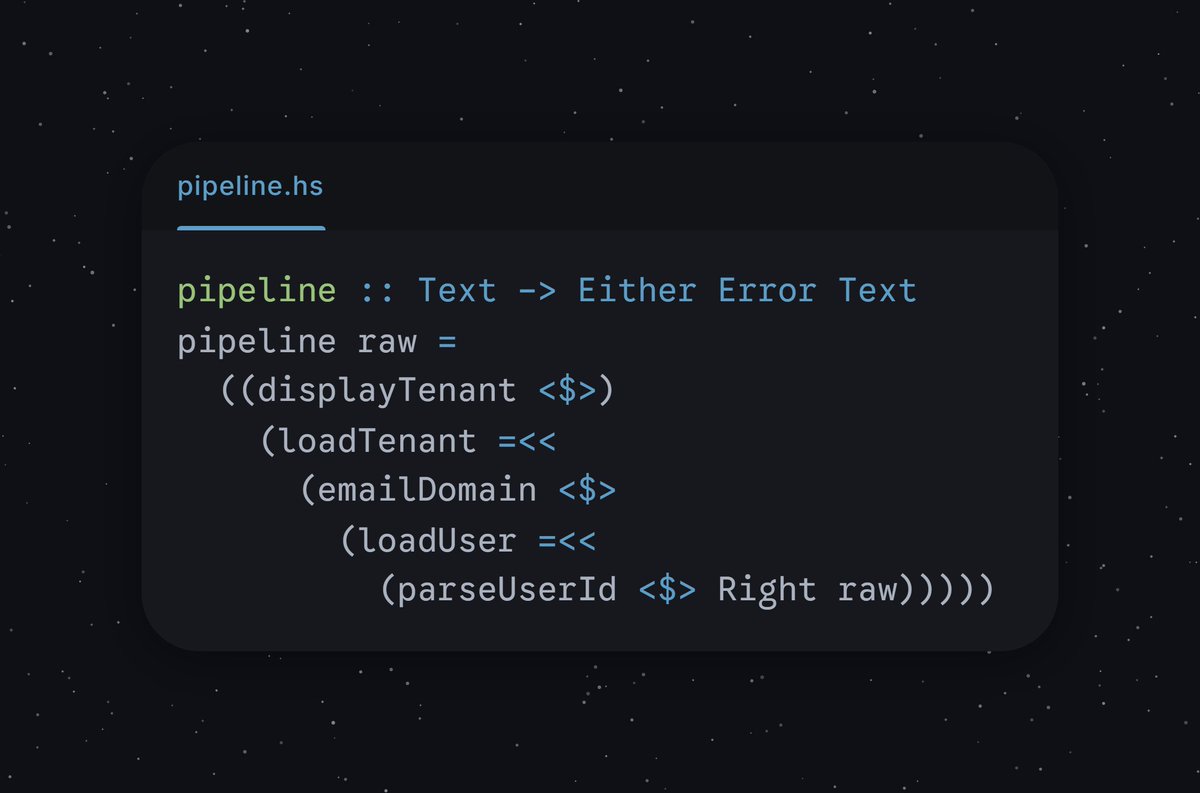
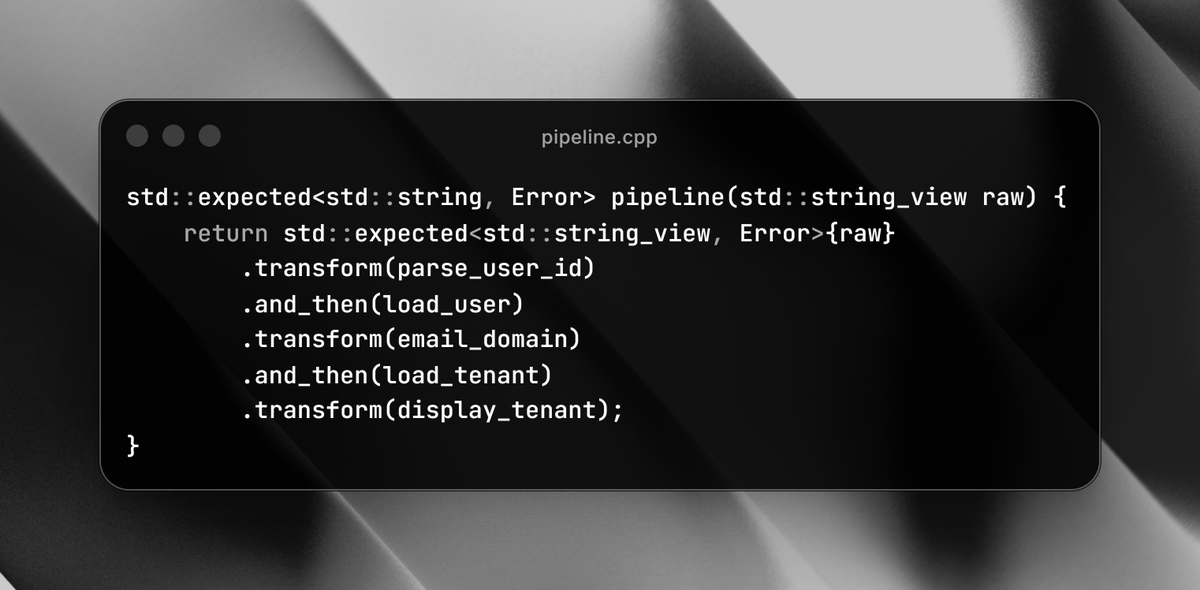
When I say that C++ is the best FP language, I'm not joking.
The combination of Functor and Monadic operations in C++ looks more elegant and uniform than an operator soup in Haskell.
Grok foundation model V9-Medium (1.5T) has finished training. Evals look good. A lot of Cursor data was added in supplementary training and there is more to come.
Fine-tuning is underway and reinforcement learning begins in a few days. 2 to 3 weeks to public release.
This will be a major improvement over the 0.5T v8-small that currently serves all Grok production traffic, especially for difficult coding tasks.
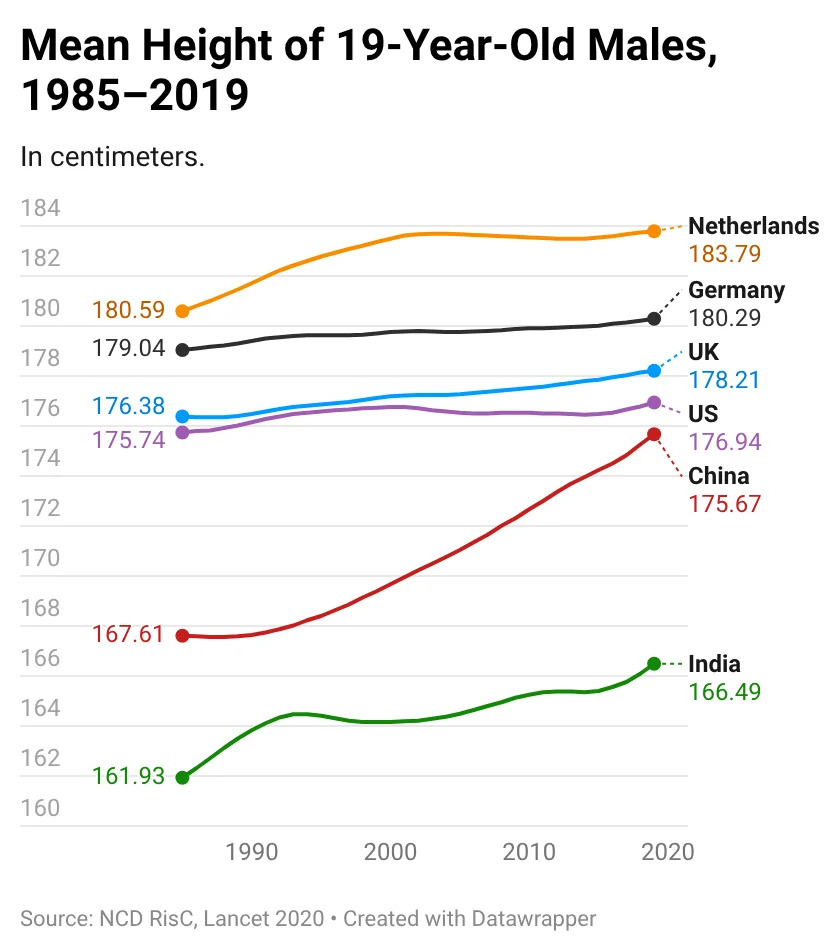
Over the past 34 years the average Chinese man became, on average, 3 inches taller than his grandfather.
But entire population can't rewrite its DNA in 35 years.
So what made them grow so fast? The answer might surprise you.
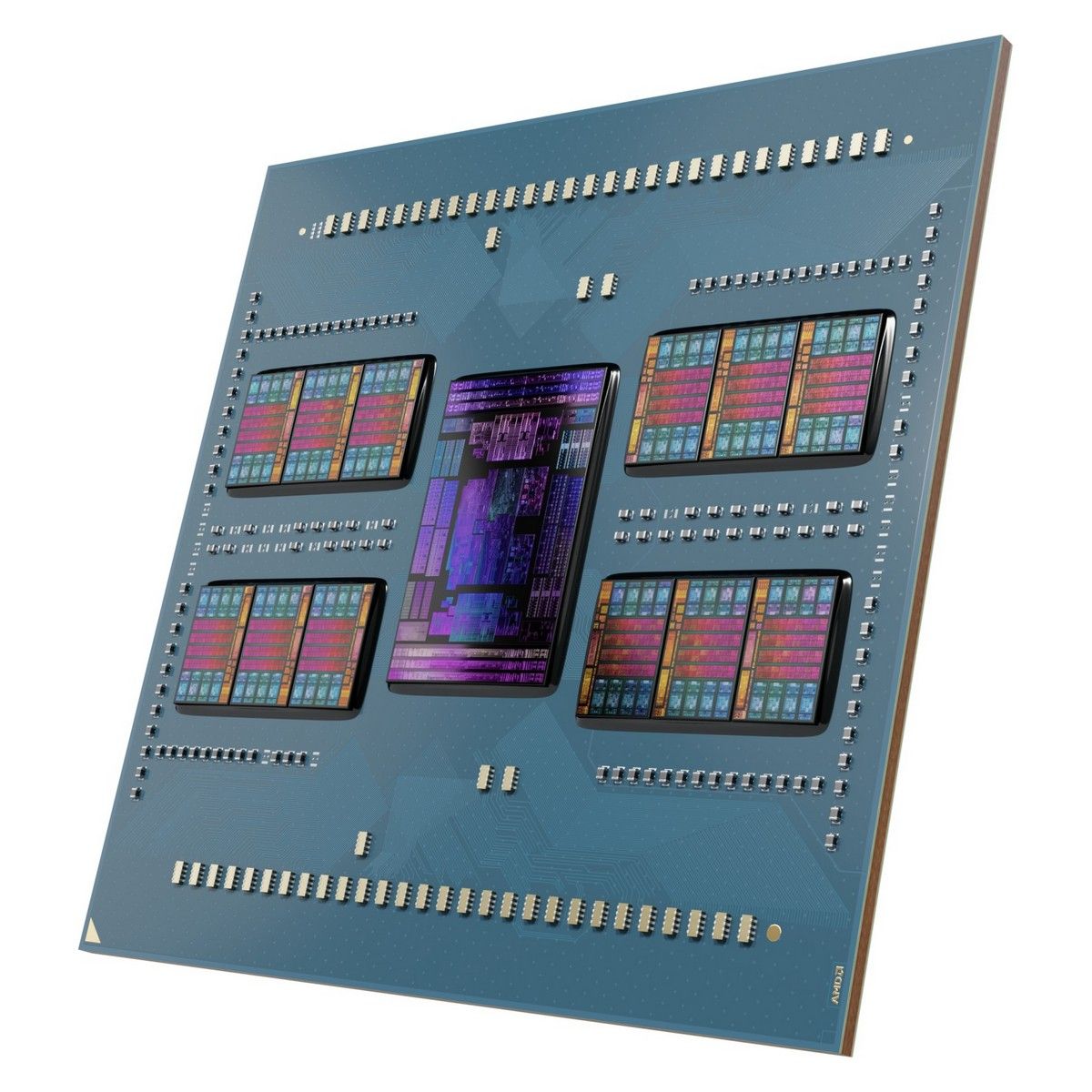
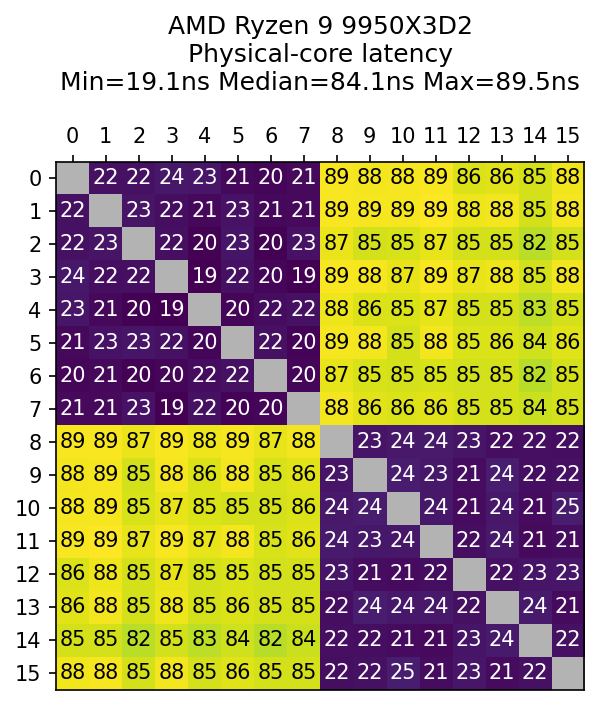
AMD’s latest CPU 9950X3D2 is getting many talking about the penalties of cross-CCD cache latency.
But trust me, AMD has a way weirder chip, the EPYC 9175F.
At first glance, they look *somewhat* similar. Both 16 cores, 32 threads, Zen 5, lots of L3. Yet, the EPYC spreads it across 16(!) CCDs!
It is an absolutely bizarre CPU.
Essentially the same topology as the 128-core EPYCs, but with 7 cores disabled on every chiplet!
Honestly a nightmare for synchronized multithreaded code, because communicating between ANY core means you’re crossing CCDs. So, that cross-cache latency that everyone complains about on the X3D2 is ridiculously amplified.
So what is it good for?
There’s probably ~2 good reasons. One would be software that uses per-core licensing. The other would be any time you need low latency independent threads…with as much *local* L3 as possible.
Not all L3 is created equal!
The X3D2 might have big, total slices of L3…but that takes about a 4 cycle V-Cache penalty. With the 9175F, each core has 32MB of local, uncontended L3 with no penalty. It’s actually a pretty neat chip if you can fit your working set into ~32MB!
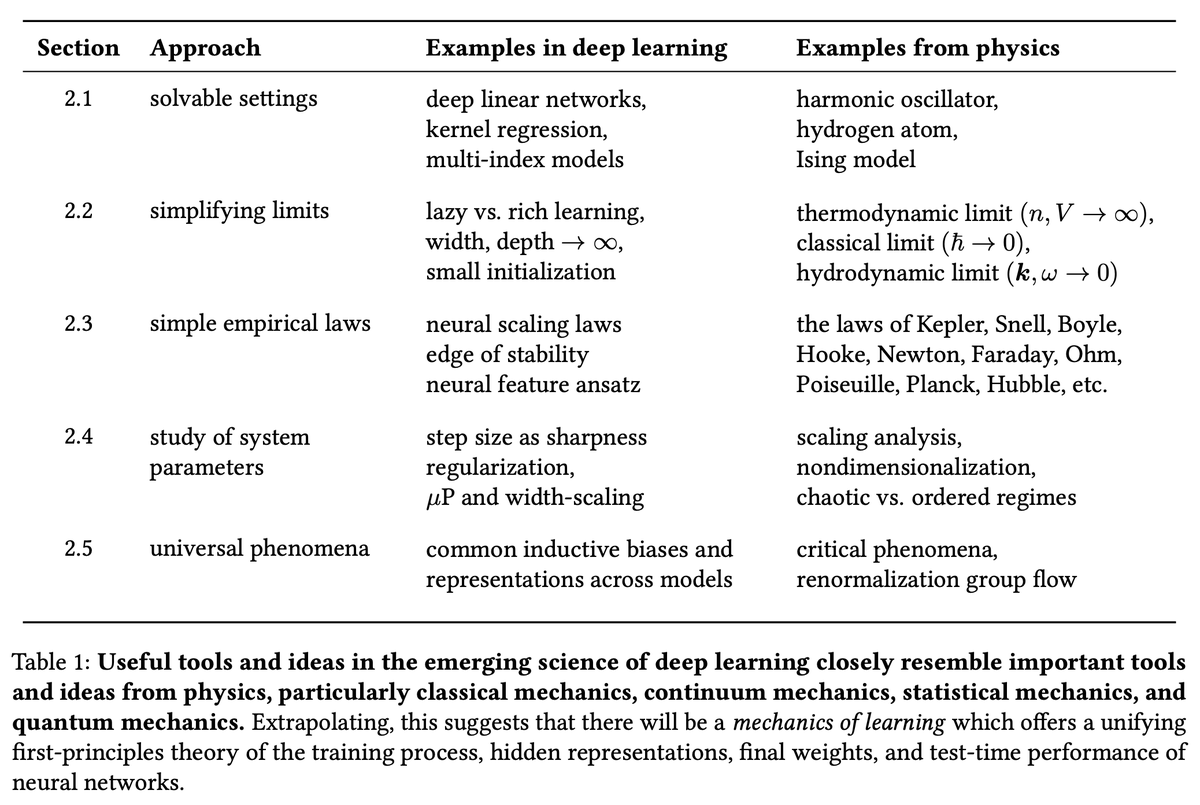
1/ Deep learning is going to have a scientific theory. We can see the pieces starting to come together, and it's looking a lot like physics!
We're releasing a paper pulling together these emerging threads and giving them a name: learning mechanics.
🔨 https://t.co/92nSIHameW 🔧