मैं CRPF से हूँ, वर्ल्ड की सबसे बड़ी पैरामिलिट्री फ़ोर्स, जो इंडिया के अंदर हर मुश्किल सिचुएशन, चाहे J&K है, नार्थ-ईस्ट है, या नक्सल अफेक्टेड एरिया है, हर एरिया के अंदर यह फ़ोर्स काम करने लग रही है।
और मैंने इन तीनों ही थिएटर में अपनी सर्विस कम्पलीट की है। तो बड़े शान से मैं कहता हूँ कि मैंने बहुत सारे ऑपरेशन्स करने का भी मेरे को सौभाग्य मिला है, और मैं इस फ़ोर्स के ऊपर गर्व महसूस करता हूँ। - सहायक कमांडेंट अजय मलिक (CRPF)
#CAPF: 'एक IPS प्रतिनियुक्ति रोकती है 15 से ज्यादा पदोन्नति', आईटीबीपी/नौसेना के पूर्व अधिकारी का बड़ा दावा
https://t.co/nkxRFUov8W
IPS प्रतिनियुक्ति 15 से ज्यादा पदोन्नतियां रोकती है, CAPF में पदोन्नति-अवरोध केवल राजपत्रित अफसरों की समस्या नहीं, यह हवलदार व सिपाही तक पहुँचती है।
@AadiAchint and I recorded a podcast examining the new CAPF Bill being tabled in Parliament—and one issue stood out starkly: the continued administrative and operational control of the CAPFs by the IPS.
This arrangement is not merely outdated; it is structurally flawed.
The Central Armed Police Forces are not an extension of state policing—they are specialised, combat-capable forces tasked with border management, counter-insurgency, internal security, and high-risk deployments in some of the most hostile environments. Yet, their leadership pipeline remains externally controlled, with limited scope for cadre officers to rise to the top. This has direct implications for morale, professionalism, and institutional integrity.
It is worth recalling that the Supreme Court of India has, in substance, flagged the need for structural reforms in police and security institutions. The spirit of those observations applies squarely here: functional autonomy, professional leadership, and insulation from arbitrary control are essential for effectiveness.
The question, therefore, is straightforward:
Why should forces that fight insurgencies, guard borders, and operate in quasi-military roles remain tethered to a policing framework designed for civil law enforcement?
The CAPFs must evolve into self-led, professionally commanded forces where leadership emerges from within the ranks—officers who have grown in the same operational environment, understand ground realities, and carry institutional memory.
This is not about inter-service rivalry. It is about organisational efficiency, fairness, and national security.
If we are serious about strengthening India’s internal security architecture, then the reform must begin here:
Delink CAPFs from IPS control. Empower them as independent, professional forces.
Anything less would be a continuation of a system that no longer serves its purpose.
#CAPF #PoliceReforms #NationalSecurity #India
https://t.co/OChydWyGkI
As Parliament takes up the Central Armed Police Forces (General Administration) Bill, 2026 in the week ahead, I share my letter to the Hon’ble Home Minister @AmitShah conveying a representation received from CAPF veterans on certain service-related and institutional matters, requesting that their concerns receive due and considered attention.
Security editors in India will analyse wars, geopolitics, drones and border tensions endlessly.
Yet there is remarkable silence on the structural leadership question within the CAPFs - even after Supreme Court scrutiny and talk of a possible legislative workaround.
This goes to the heart of internal security governance.
If Indian media can rigorously question defence reforms and security institutions abroad, surely it can examine structural questions within India’s own system too.
Or are some subjects simply considered… inconvenient?
Or do they just not have the courage for true journalism?
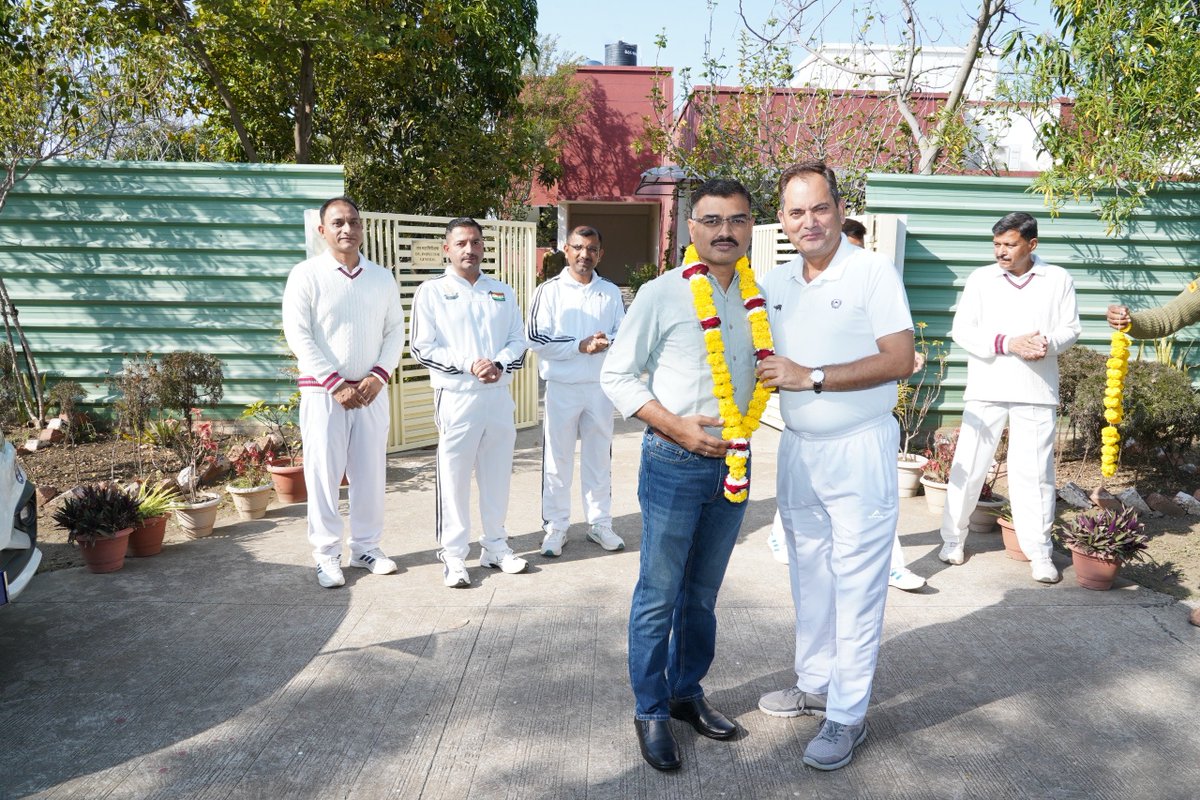
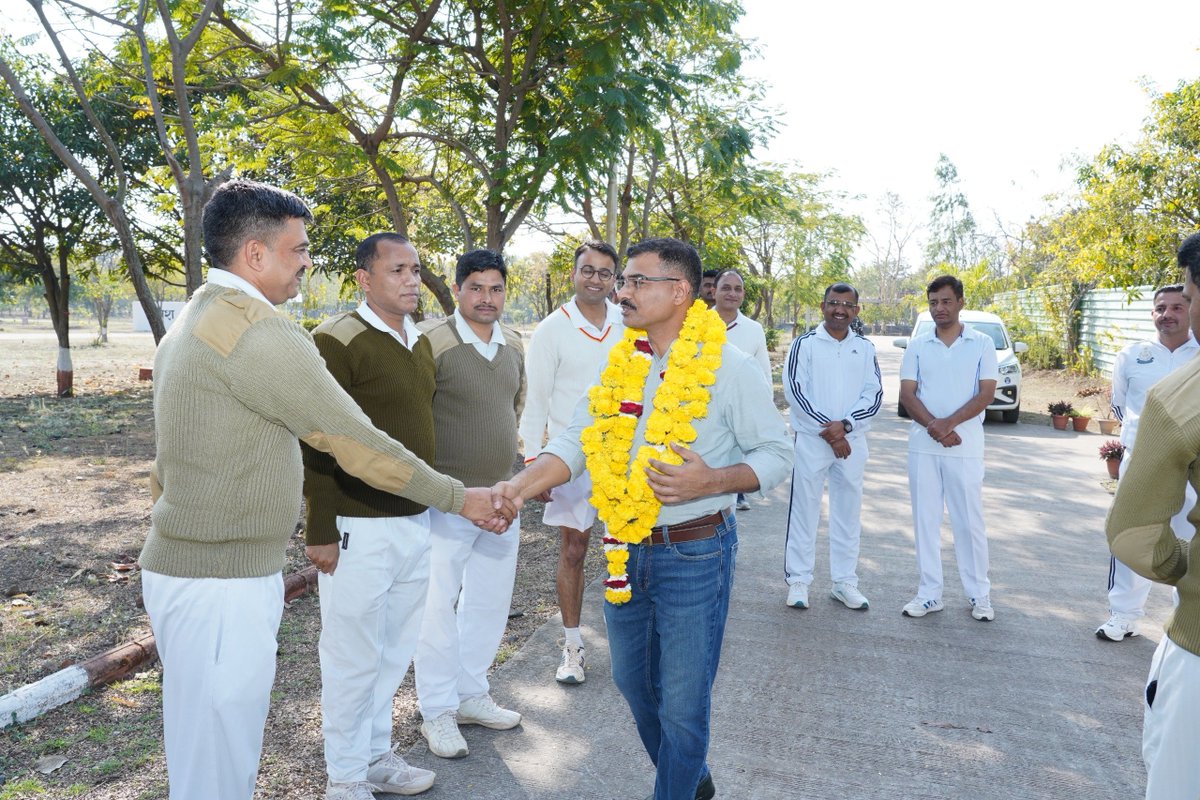
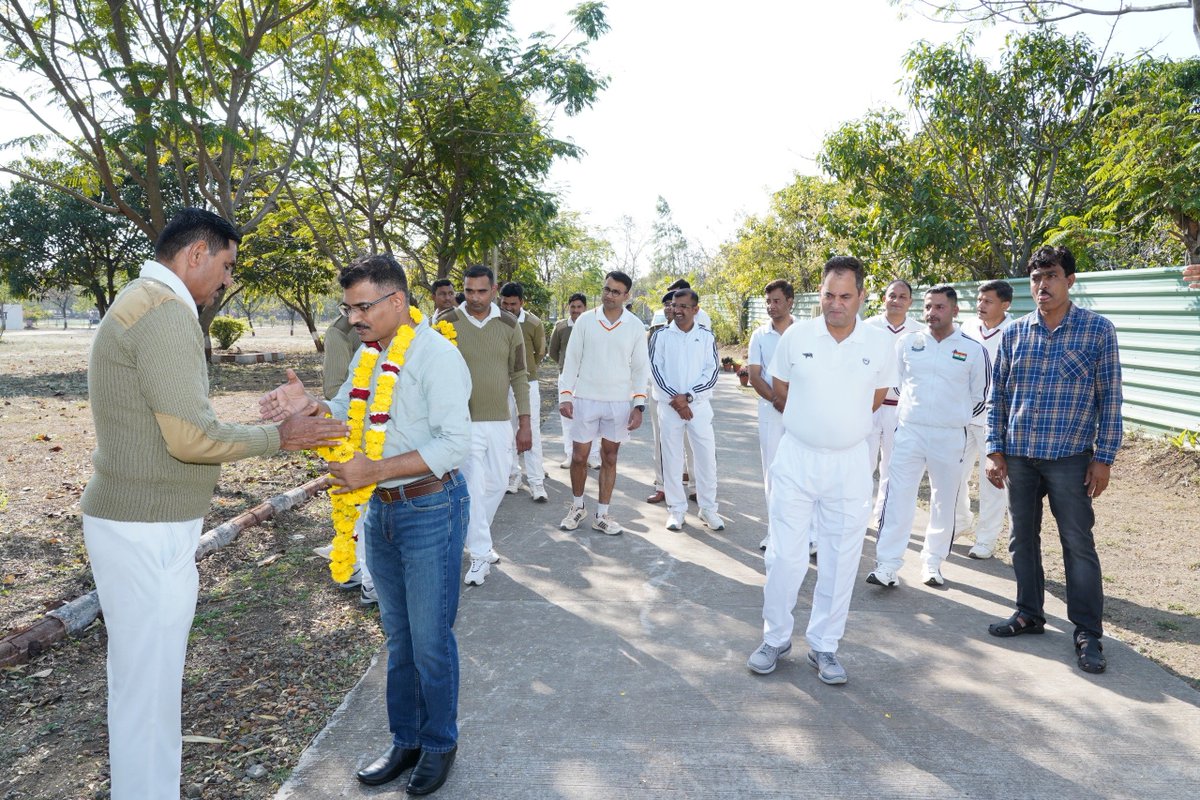
आज श्री अजीत सिंह राठौड़, उपमहानिरीक्षक को श्री बी एस जसवाल उपमहानिरीक्षक, कार्यवाहक निदेशक अकादमी भोपाल, अन्य अधिकारियों तथा समस्त कर्मचारियों द्वारा उनके नये कार्यस्थल बल मुख्यालय, नई दिल्ली हेतु स्थानांतरण पर विदा किया गया ।
छायाचित्र: