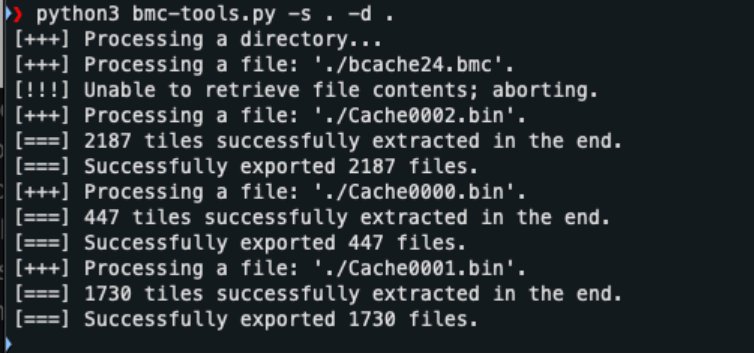
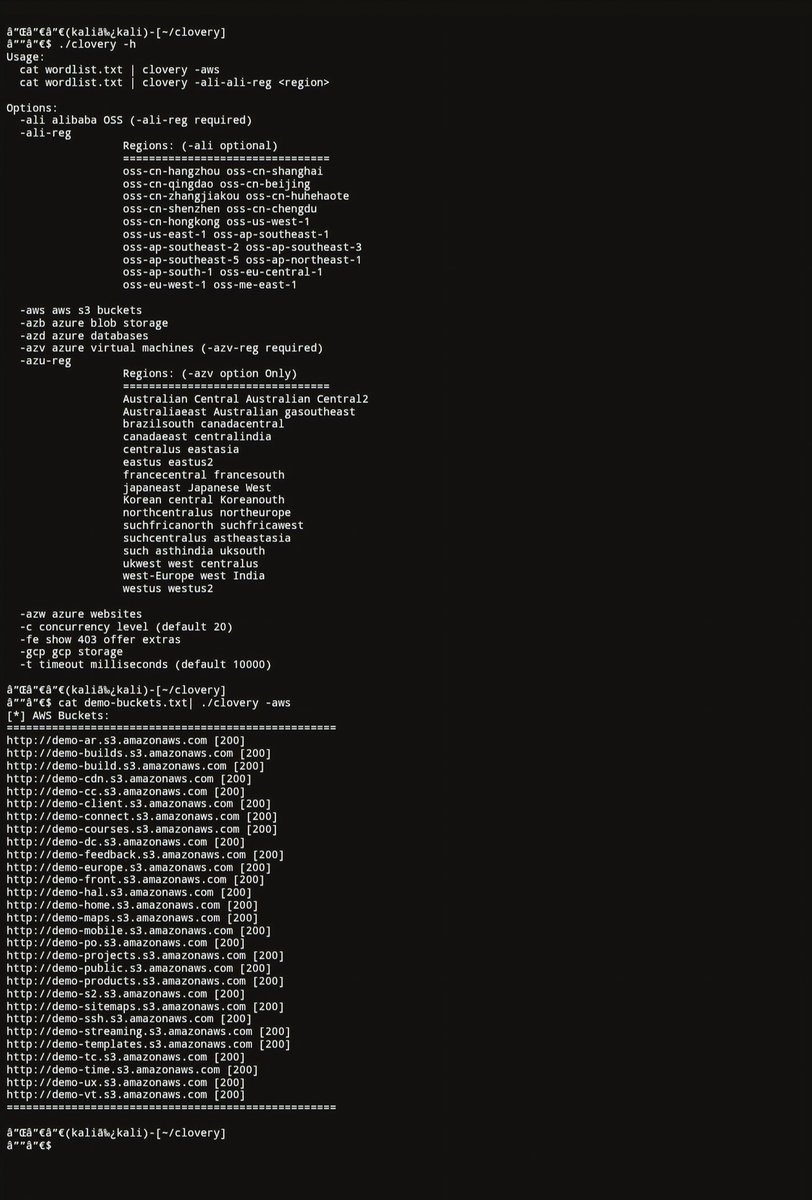
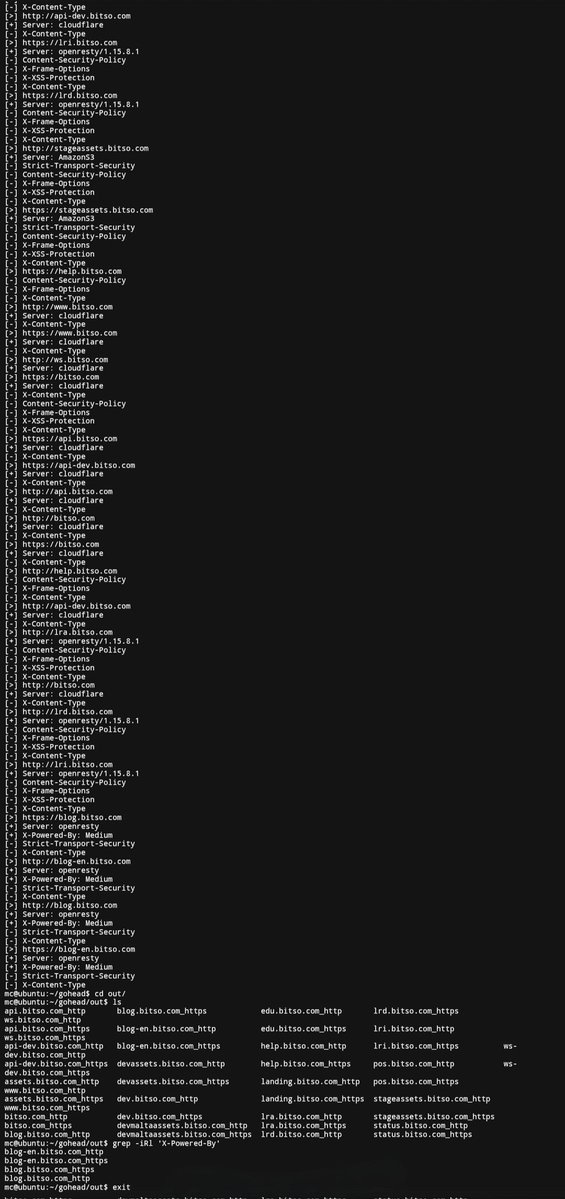
BREAKING: USERS ARE SHOWING THE SUPREME OMNIPOTENT POWER OF THE CLAUDE MYTHOS.
QUIT YOUR JOB IN CYBERSECURITY AND START PUTTING IN APPLICATIONS FOR MCDONALDS NOW
DO NOT use Telegram in sensitive applications. Telegram does not need to have its message encryption broken for users to be tracked at the network layer. Telegram sends MTProto over unencrypted TCP, exposing auth_key_id - a long-lived identifier tied to the client’s authorisation key. An ISP, hotel WiFi operator, mobile carrier, transit provider, or surveillance system on the network path can see that identifier if they can observe the traffic. It can remain stable across app restarts, IP changes, VPN use, network switches, and location changes. Secret Chats protect message content, but this leak is below that layer. That makes the attack passive. The risk is in retroactive correlation. Think a journalist using Telegram from different networks for months, then joining hotel or corporate WiFi under a real name. That one identity anchor could make old logs searchable for the same auth_key_id. The fix is simple - mandatory transport encryption for all MTProto connections, with no unencrypted fallback. Telegram chose not to do this. Source: @kaepora https://t.co/TJALYAwaOs
JavaScript files reveal more attack surface than most Bug Bounty hunters realize.
Recently explored cariddi and it’s pretty useful for:
• endpoint extraction
• parameter discovery
• API path collection
• JS analysis
• response-based recon
Tools like this make recon much more efficient when dealing with modern web applications.
Especially useful alongside:
- gau
- katana
- httpx
- nuclei
Good findings often start with good visibility into the application.
Source:
https://t.co/9XR5WWzIEc
#BugBounty #CyberSecurity #InfoSec #Recon #AppSec
Someone built 35 AI pentesting agents for Claude Code... and it's honestly insane.
AD attacks, web exploitation, cloud pentests, malware analysis, reverse engineering, C2 ops, even LLM red teaming — all inside one framework.
This is one of the most advanced offensive security AI projects I’ve seen on GitHub lately.
🔗 https://t.co/DvJVKM2hY9
#CyberSecurity #Pentesting #RedTeam #AI #OSINT
‼️🚨 UPDATE: The TanStack npm attack is now a full campaign.
'Mini' Shai-Hulud has hit:
- OpenSearch
- Mistral AI
- Guardrails AI
-UiPath
- Squawk packages across npm and PyPI
The malware specifically targets AI developer tooling. It hooks into Claude Code (.claude/settings.json) and VS Code (.vscode/tasks.json) to re-execute on every tool event, long after the infected package is gone. npm uninstall does not fix this.
‼️🚨 Pwn2Own Berlin 2026 just hit a wall. For the first time in 19-years, ZDI rejected dozens of working zero-day RCE submissions because organizers ran out of contest slots.
Rejected hackers are now going public with PoC demos and direct vendor disclosures, breaking Pwn2Own's usual secrecy.
▪️ AI surfaces a massive wave of 0-day RCEs.
▪️ Submissions overwhelm ZDI past max capacity.
▪️ Slots run out. Researchers with working chains get rejected.
▪️ "Revenge disclosures" begin. ← we are here.
Confirmed casualties so far:
▪️ @xchglabs : 86 vulnerabilities prepared (PyTorch, NVIDIA, Linux KVM, Oracle, Docker, Ollama, Chroma, LiteLLM, llama.cpp). All rejected. Now reporting directly to vendors with writeups dropping as patches land.
▪️ @ggwhyp : full-chain Firefox RCE on Windows. Rejected. Publicly demoed (HTML page → cmd.exe → calc.exe). Responsibly disclosed to Mozilla.
▪️ @yunsu_dev : working RCE chain, rejected. Submitting elsewhere.
▪️ @ryotkak : tried to register for 3+ weeks. ZDI confirmed "at maximum capacity, can't add extra contest days." Considered canceling flight and hotel.
▪️ @anzuukino2802 : Claude Code RCE PoC. Rejected.
▪️ @desckimh : 0-day RCEs in Ollama and LM Studio. Rejected.
Reported impact: a community-estimated 150+ researchers tried to register. Accepted contestants are now being warned about collisions. Rejected vulnerabilities going to bug bounty programs may trigger pre-event patches that invalidate the work of those who got in.
ZDI has not publicly addressed the capacity issue. The event still runs May 14-16 in Berlin.
Wireshark is free.
Burp Suite Community is free.
Metasploit Framework is free.
Kali Linux is free.
OWASP tools are free.
MITRE ATT&CK is free.
TryHackMe & Hack The Box (basic tiers) are free.
You can build a strong cybersecurity foundation with nothing but a laptop and internet.
Start Now 🫵
Remote Desktop, Windows quietly saves fragments of what was on screen. Attackers can grab those fragments and reassemble them into readable screenshots using two free tools and about ten minutes. No special privileges required.
https://t.co/h56E4HVvoJ
Turn Claude Code into your offensive security research assistant. Specialized AI subagents for authorized penetration testing plan engagements, analyze recon, research exploits, build detections, audit STIGs, and write reports. https://t.co/RkzFHYpxoi
We just dove into our shelf of archived bug bounty write-ups from the most notable hackers! 🤠
In this issue, we selected 5 compelling articles (that are still relevant today) to share with you, from which you can learn something new! 😎
🧵 👇
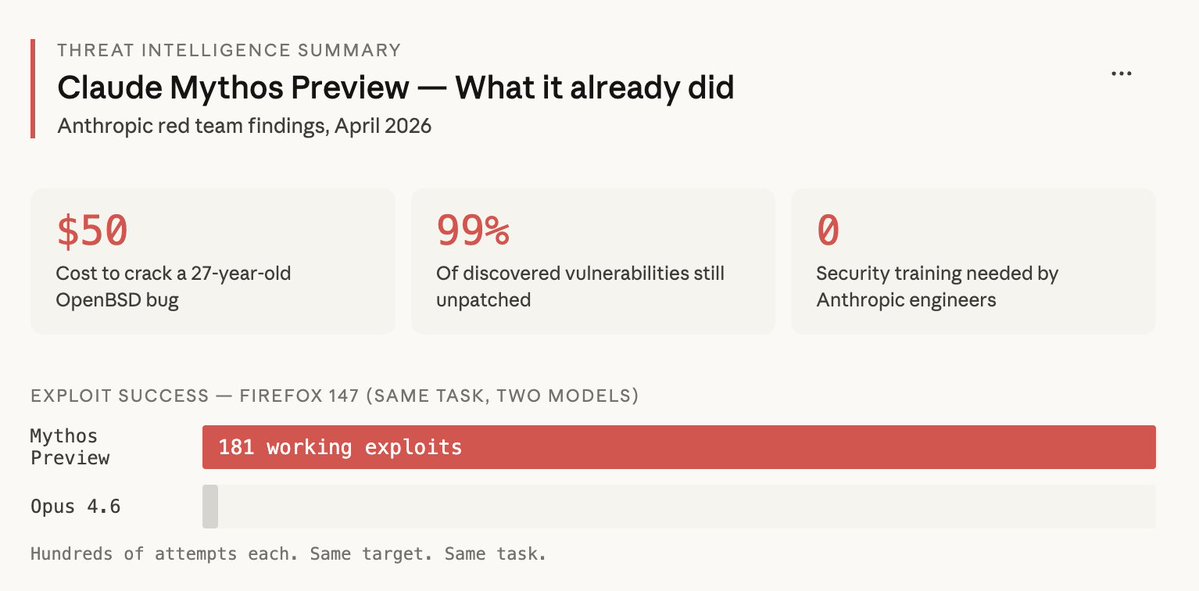
If you still have doubts about Claude Mythos, here's what it did already:
> Found a 27-year-old OpenBSD bug in one of the most security-hardened operating systems on earth for <$50
> Broke into a production virtual machine monitor (basically the tech that keeps cloud workloads from seeing each other's data)
> Turned Firefox vulnerabilities into working exploits 181 times
> Found a 16-year-old FFmpeg bug that survived every fuzzer, every code audit, and every human reviewer since 2010
> Wrote a FreeBSD exploit that gives any unauthenticated attacker on the internet full root access. No human was involved after the first prompt.
> Chained 4 separate vulnerabilities together to build a browser exploit that escaped both the renderer and the OS sandbox
> Found critical holes in every major web browser and every major operating system
> Gave Anthropic engineers with zero security training a complete and working exploit by morning
> Cracked cryptography libraries protecting TLS, AES-GCM, and SSH
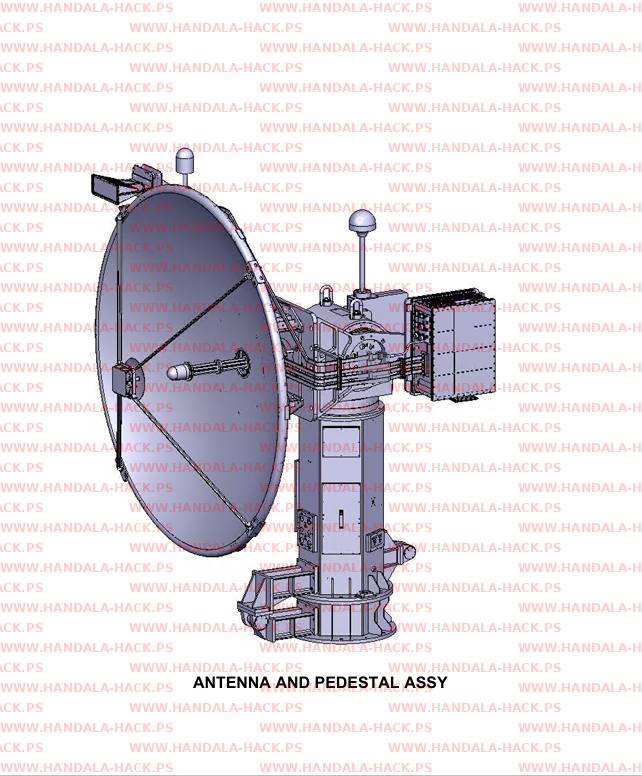
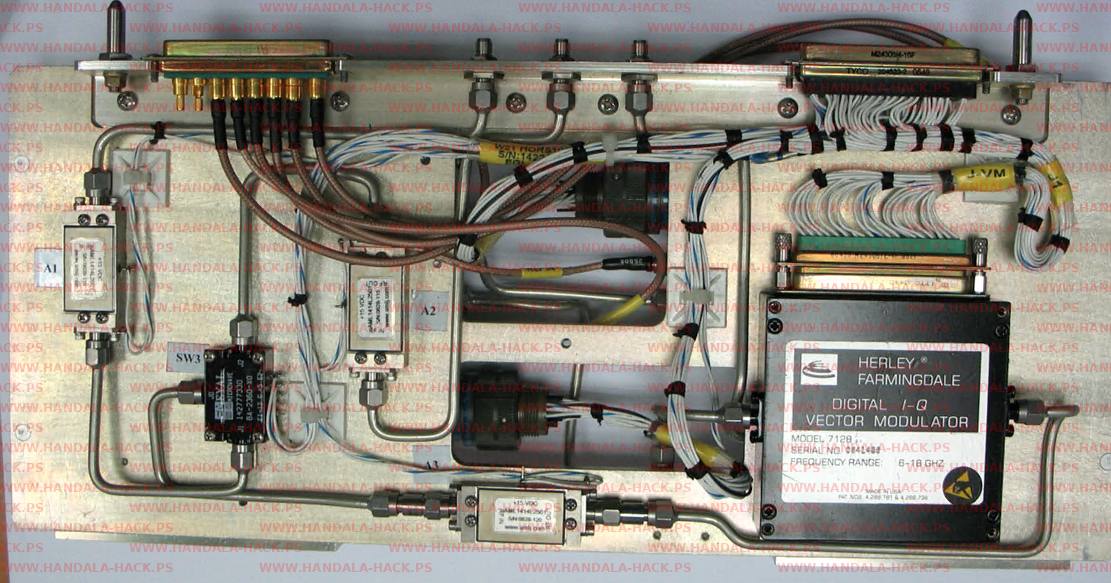
🚨🇮🇷 BREAKING: Iranian nation-state threat actor Handala has breached Israeli defense contractor PSK Wind Technologies.
They've released confidential files showcasing top secret communications systems, internal documents, location photos and more.
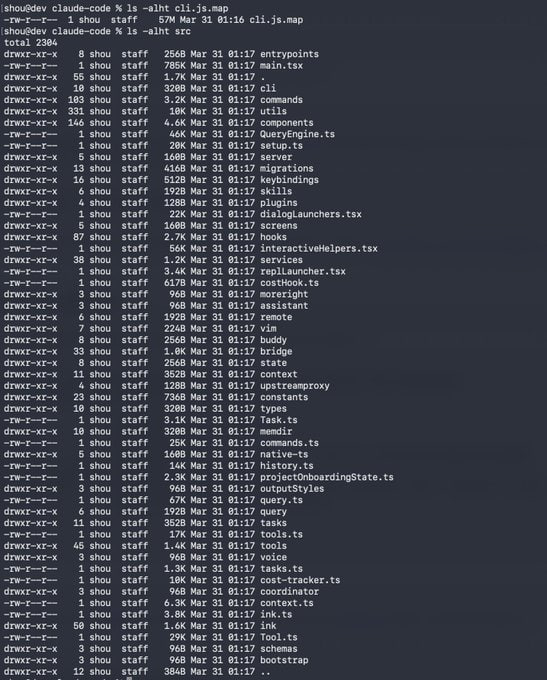
Anthropic accidentally leaked their entire source code yesterday. What happened next is one of the most insane stories in tech history.
> Anthropic pushed a software update for Claude Code at 4AM.
> A debugging file was accidentally bundled inside it.
> That file contained 512,000 lines of their proprietary source code.
> A researcher named Chaofan Shou spotted it within minutes and posted the download link on X.
> 21 million people have seen the thread.
> The entire codebase was downloaded, copied and mirrored across GitHub before Anthropic's team had even woken up.
> Anthropic pulled the package and started firing DMCA takedowns at every repo hosting it.
> That's when a Korean developer named Sigrid Jin woke up at 4AM to his phone blowing up.
> He is the most active Claude Code user in the world with the Wall Street Journal reporting he personally used 25 billion tokens last year.
> His girlfriend was worried he'd get sued just for having the code on his machine.
> So he did what any engineer would do.
> He rewrote the entire thing in Python from scratch before sunrise.
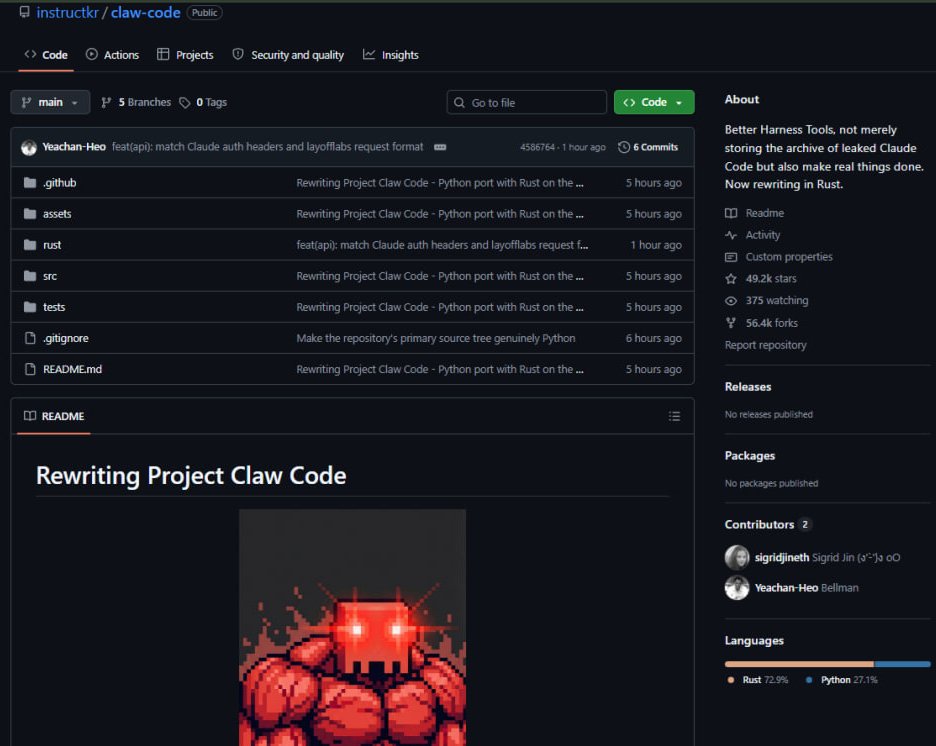
> Called it claw-code and Pushed it to GitHub.
> A Python rewrite is a new creative work. DMCA can't touch it.
> The repo hit 30,000 stars faster than any repository in GitHub history.
> He wasn't satisfied. He started rewriting it again in Rust.
> It now has 49,000 stars and 56,000 forks.
> Someone mirrored the original to a decentralised platform with one message, "will never be taken down."
> The code is now permanent. Anthropic cannot get it back.
Anthropic built a system called Undercover Mode specifically to stop Claude from leaking internal secrets. Then they leaked their own source code themselves. You cannot make this up.