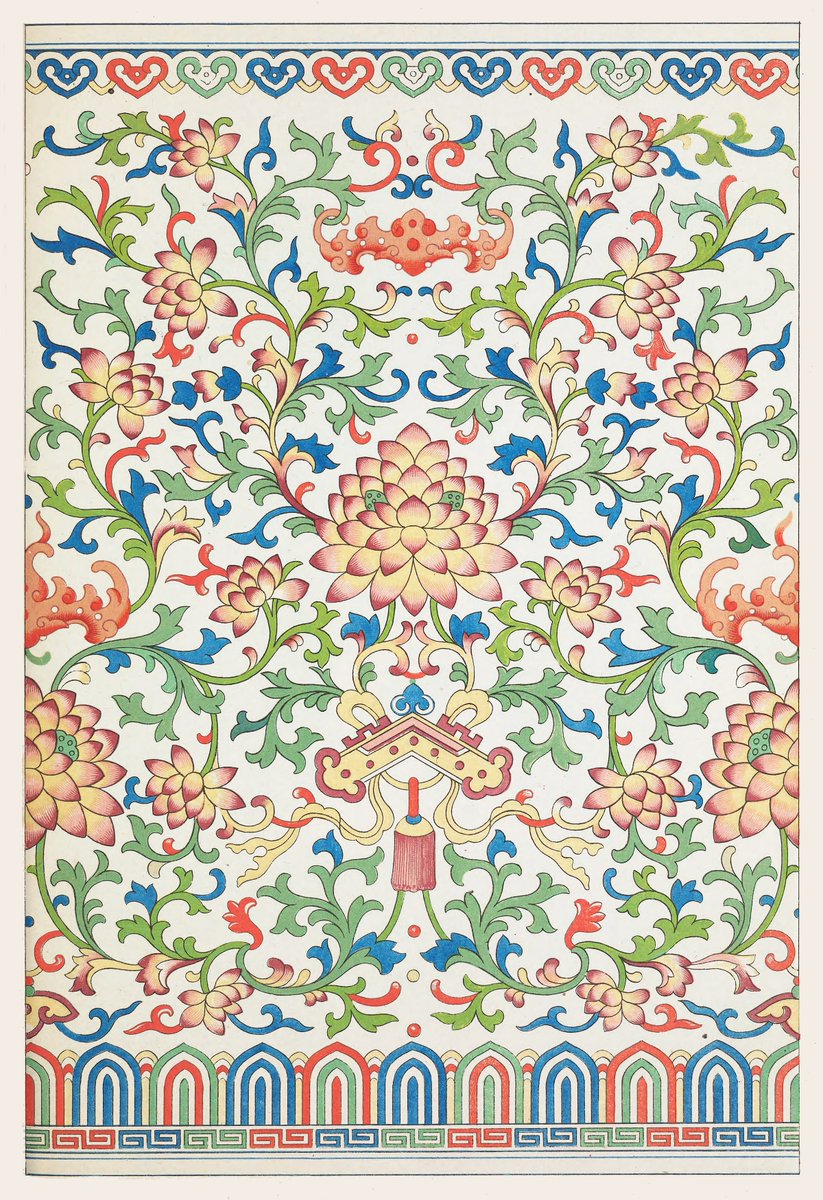
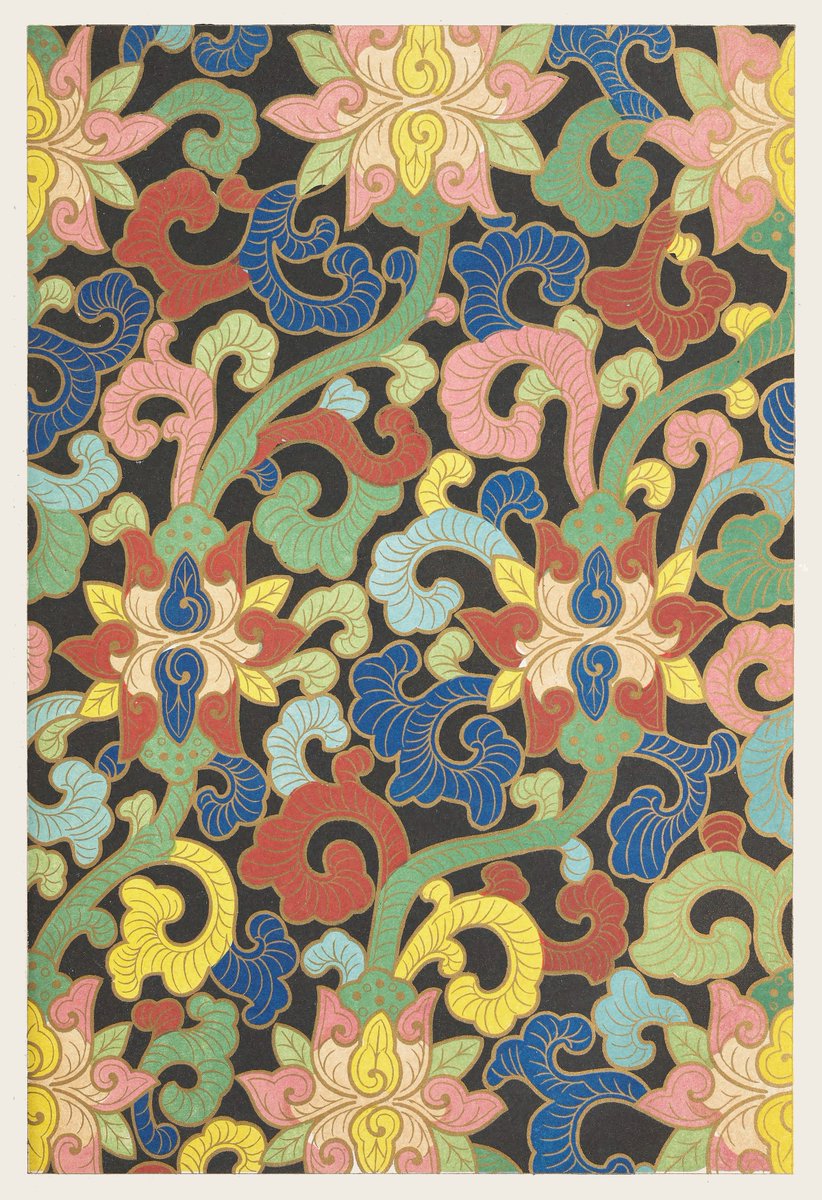
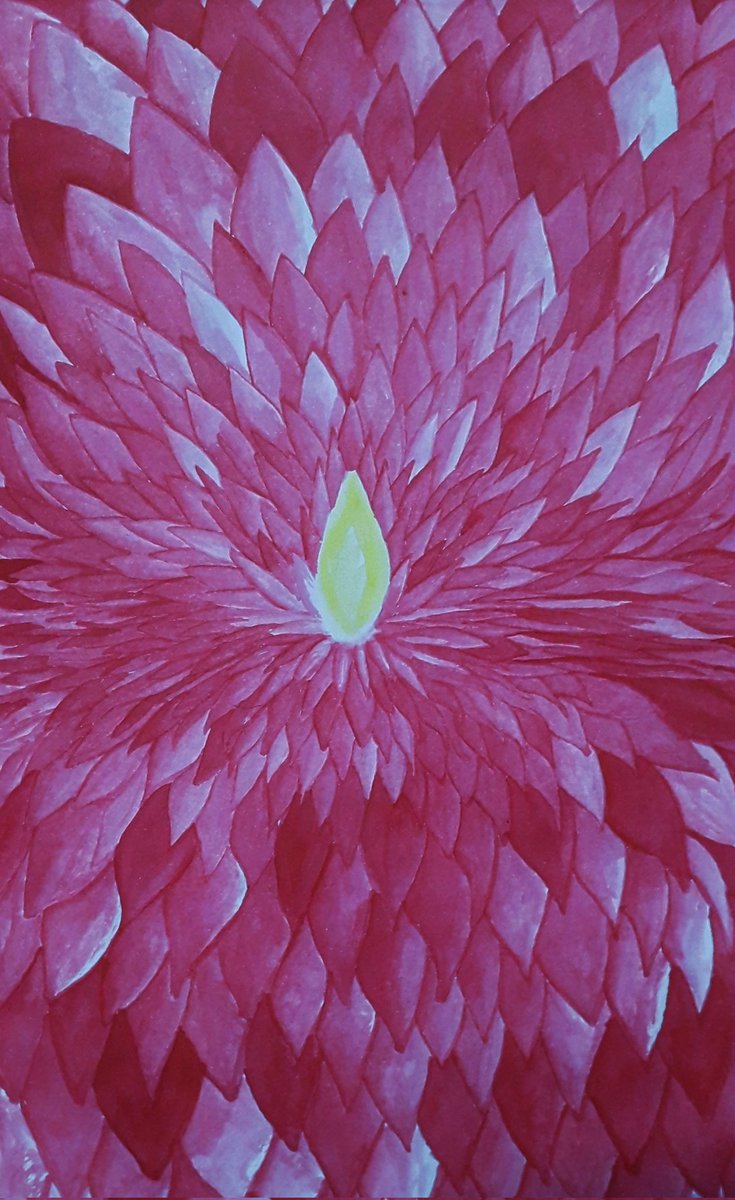
Chromolithographic plates from Owen Jones’ Examples of Chinese Ornament (1867) which reproduces ornamentation from painted vases, incense burners, lacquer boxes, and many more objects in the @V_and_A. More here: https://t.co/q3h5N2MqDH
“From nowhere we came; into nowhere we go. What is life? It is the flash of a firefly in the night. It is the breath of a buffalo in the wintertime. It is the little shadow which runs across the grass and loses itself in the sunset.”
~ Crowfoot, Blackfoot Chief, 1890
Cupid Presenting a Rose to a Butterfly (L'Amour). Artist: Antoine-Denis Chaudet (completed by Pierre Cartellier). Date: Model exhibited 1802; Marble completed 1817. Material: Marble; Height 77 cm. Collection: Musée du Louvre, Paris.
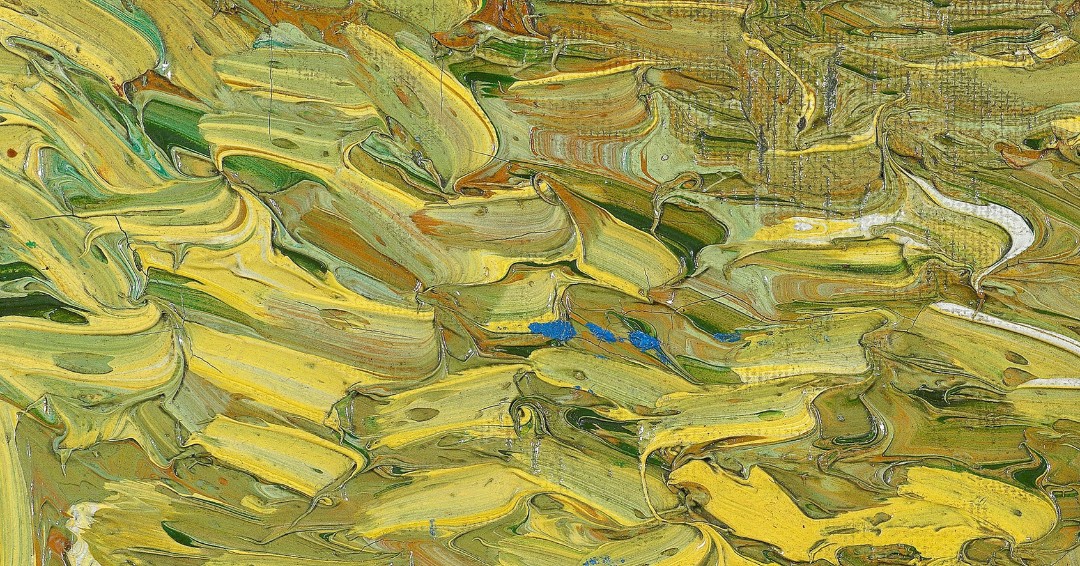
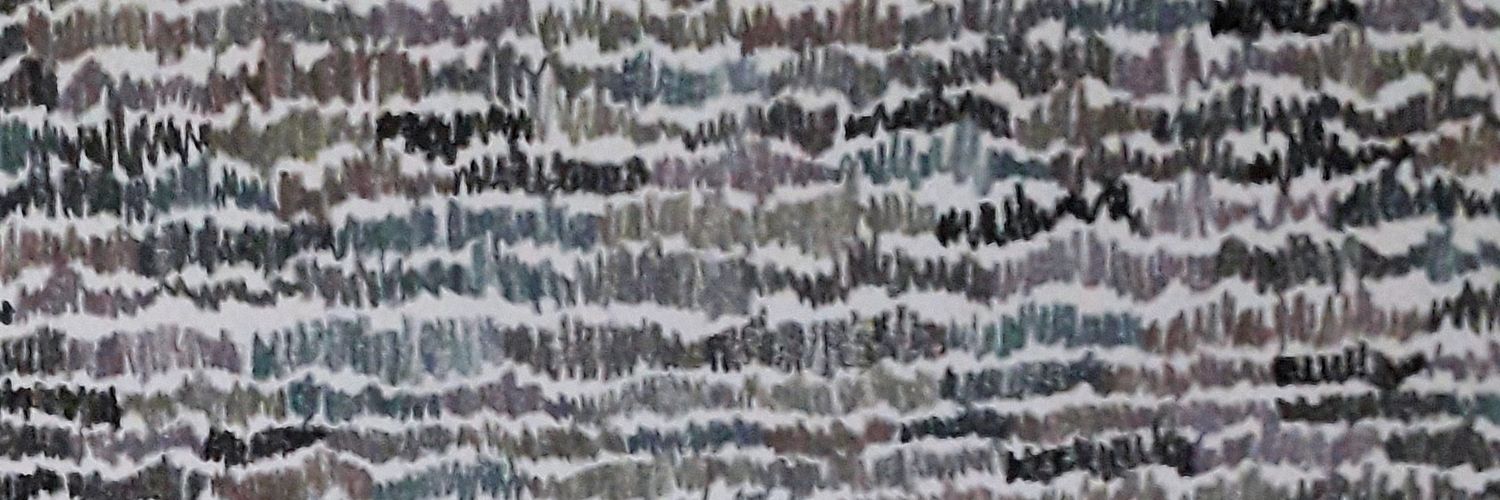
Let’s take a dip into Van Gogh’s brushstrokes 🎨
Ever noticed how thickly he painted ‘Landscape at Twilight’ (1890)? 🌅 Van Gogh captured the all-encompassing character of nature – not only its beauty and vitality, but also the unease and loneliness of those empty, desolate landscapes.
What do you see in Van Gogh’s brushstrokes?
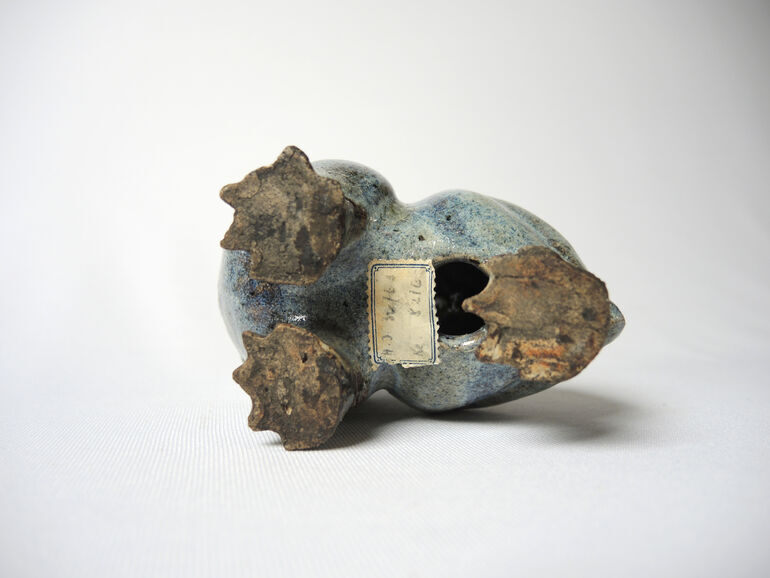
In Chinese iconography, this figure is deeply connected to the Moon. Contrary to the Western concept of the "Man in the Moon," the ancient Chinese viewed the shadows and craters on the lunar surface as the silhouette of a giant frog. This belief stems from the story of the Goddess Chang’e, who stole the elixir of immortality and fled to the moon. According to legend, as punishment for this theft, the goddess lost her elegant form and transformed into a warty "Moon Toad," doomed to live on the moon forever.
Pay attention to the mouth of the work—it’s wide and upturned. This carries a distinct meaning. In Chinese, the word shih, which means "eclipse," shares the same root as the verb "to eat." People believed that lunar eclipses weren’t scientific phenomena, but rather the moment this celestial frog was trying to swallow the moon. During an eclipse, villagers would scare the monster by banging on tin cans, shouting, and screaming to force it to "spit the moon back out."
Finally, I’d like to talk about the piece’s construction. In contrast to the pristine whiteness of porcelain, this stoneware work perfectly captures nature’s irregular texture. The craftsman skillfully shaped the clay to mimic the frog’s moist, rough skin, applying a special glaze known as "transmutation." The transitions between the blue, gray, and earth tones are the result of uncontrolled chemistry caused by temperature fluctuations inside the kiln. This glassy layer—which thins to a milky blue over the raised bumps on its back and deepens to navy in the folds—gives the work a wet, lifelike appearance, as if it had just emerged from a muddy pond.
You can access the work from this link: https://t.co/26TWRJp9CB