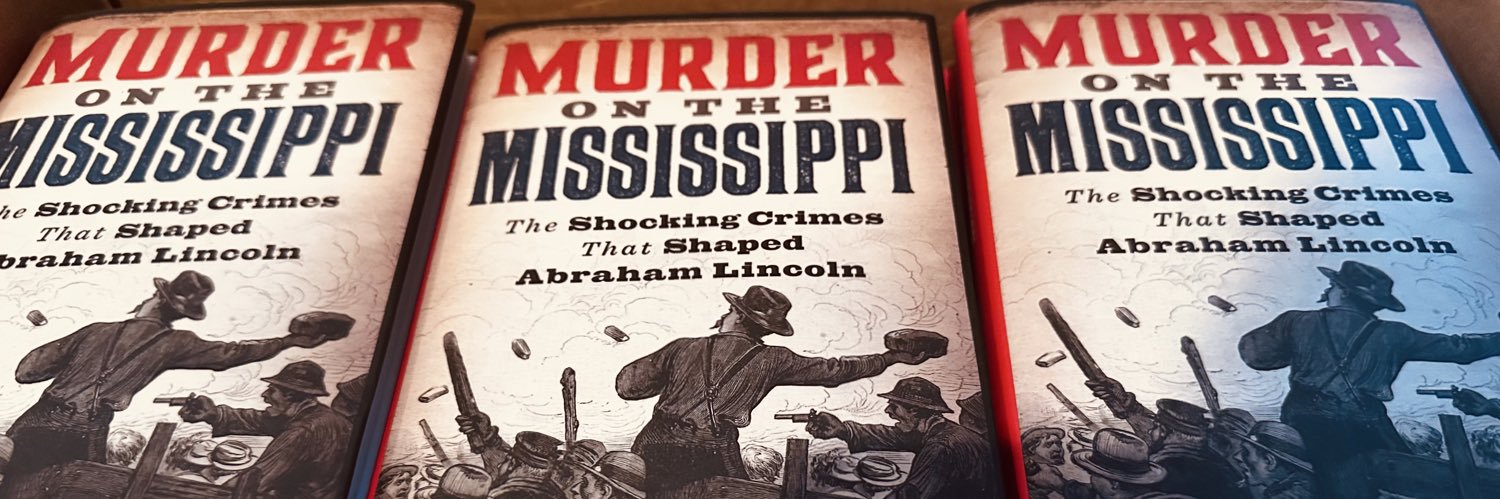
Thrilled to announce that pre-orders are now available for my next book - out in October - about a formative moment in the life of Abraham Lincoln and the racially motivated lynchings that were at the heart of his first major speech. https://t.co/kIhJhpkALR
Sonny Rollins was the last surviving musician from “A Great Day in Harlem”, the iconic 1958 photograph by Art Kane that brought together dozens of jazz legends in Harlem.
It is with deep sorrow and profound love that we announce the passing of Sonny Rollins. The Saxophone Colossus died this afternoon at his home in Woodstock, NY at the age of 95. 1/2 https://t.co/6AGmFrB7x4
Hunter College's Roosevelt House has issued a video of my conversation with Eugene Robinson last night, about his powerful new book, FREEDOM LOST, FREEDOM WON. Hope you enjoy. https://t.co/FXL2lSkACi via @YouTube
I didn’t think I had any tears left to cry today, but man, was I wrong. My heart breaks for the Sterling family. Love and prayers. Thank you @RealMichaelKay for doing an amazing job portraying the kind of man Mr. Sterling was. I don’t know how you held it together but we are lucky to have you. ❤️
Mockler on Cost of Iran War:
So in New York, they did free school lunches for $300 million a year, put that against the $50 billion, which is a conservative estimate for this war. We could have funded this across the country. How about in Connecticut? They have paid family leave. It was $450 million a year. And it is $5 million to start up. Put that against the $50 billion. It is a no brainer. What about one more in New Mexico. It costs $1.5 billion for free college. We could do that 20 times over with the $50 billion that we've spent.
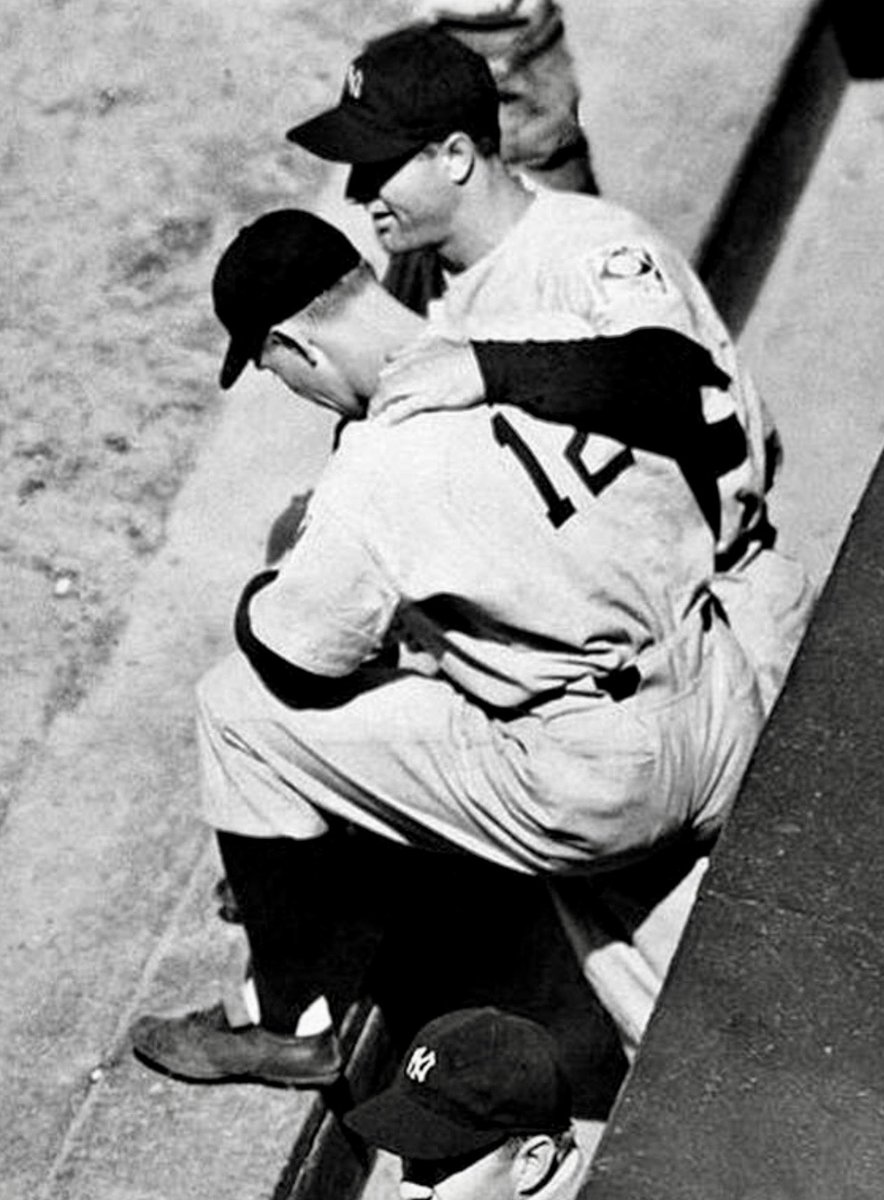
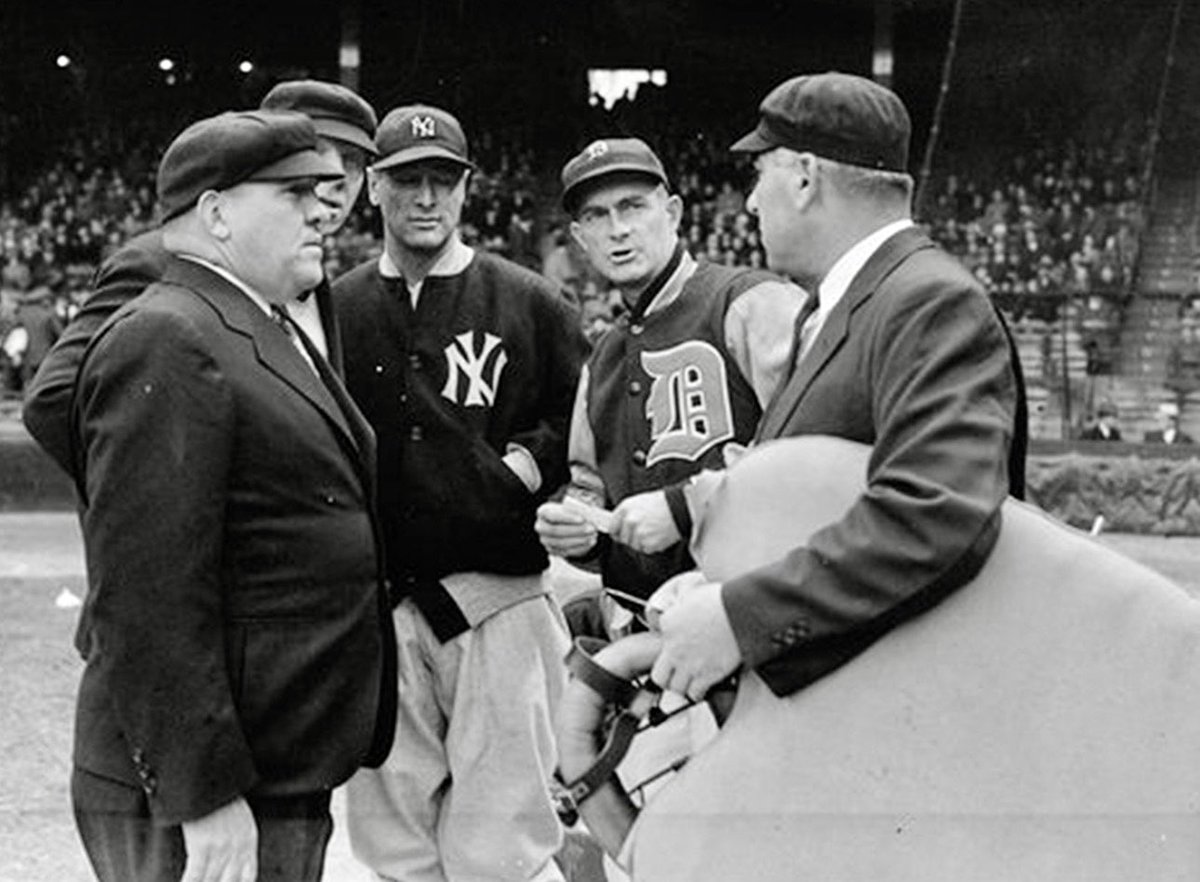
May 2, 1939: Lou Gehrig benches himself after playing 2,130 consecutive games. He advised his replacement Babe Dahlgren that day & took the lineup card out to the umpires. He never plays again…
You don't need advice from editors on rejected manuscripts.
My short story “Ender's Game” was rejected by Ben Bova at Analog back when that was the top market for a sci-fi story. Ben gave me feedback. He thought the title should be “Professional Soldier” and he said to “cut it in half.”
But I knew he was wrong on both points and submitted it to Jim Baen at Galaxy. He sat on it for a year, and responded to my query with a rejection. There was some kind of explanation, but I don't remember what it was. I concluded at the time that Baen's comments showed that he had barely glanced at the story.
So … I got feedback both times, but it was not helpful. I looked at Ben's rejection again. What was it about the story that made him think it should, let alone COULD, be cut in half?
Apparently it FELT long. What made it feel long? Now, post-Harry Potter, I would call it the quidditch problem. I had too many battles in which the details became tedious. So I cut two battles entirely, merely reporting the outcomes, and shortened another. In retyping the whole manuscript (pre-word-processor, that was the only way to get a clean manuscript), I added new point-of-view material to the point that I had cut only one page in length. So much for “in half.”
But I already knew that my manuscripts did not need cutting — if it wasn't needed, it wouldn't be there in the first place. Even the battles were still there, but instead of showing them, I merely told what happened (so much for the usually asinine advice “show don't tell”), which kept the pace going.
Those changes made, I sent it to Ben again. I did not remind him of what he had advised me to do. I merely told him I liked my title, and said, “I have addressed your other concerns,” which was true. I figured he wouldn't remember what his exact words had been. My answer was a check. That revised story was the basis for my winning the Campbell Award for best new writer.
Did Ben's feedback help? Yes — but his specific advice was not right, and I knew it. On my next two submissions, Ben hated my endings, and I revised as suggested. The fourth submission he rejected outright, and the fifth, and I thought, Am I a one-story writer? I went back to Ender's Game and tried to analyze why it worked. Then, deliberately imitating myself, I wrote “Mikal's Songbird.” Ben bought it, and it received favorable mentions. I was afraid then that I had consigned myself to writing stories about children in jeopardy. But in fact I was writing character stories rather than idea stories. And THAT was how I built a career, not by self-imitation, and not by following editorial suggestions.
I did get wise counsel from David Hartwell on my novel Wyrms, but that was on a book that was already under contract, and it was story feedback, not style. I got wise counsel from Beth Meacham, too, on various books over the years — but again, only on books that were under contract. I also received appallingly stupid advice from the editor of my novel Saints, which temporarily destroyed the book's marketability; after that, I was allowed to go back to my original structure and save the book — now it's one of my best.
Editors don't know more than you about your story. They especially don't know why they decide to accept or reject stories. YOU have to know what your story needs to be, and take only advice that you believe in.
Your best counselor on a story nobody bought is TIME. Let some time pass and then reread the story. Don't even think about why it Didn't Work. Instead, think about what DOES work, and then write it again, a complete rewrite, keeping nothing from the previous draft. Find the right protagonist and begin at the beginning — the point where the protagonist first gets involved with the events of the story. Be inventive — the failed first draft no longer exists, so you're not bound by any of your earlier decisions. THAT is how you resurrect a good idea you did not succeed with on your first try.