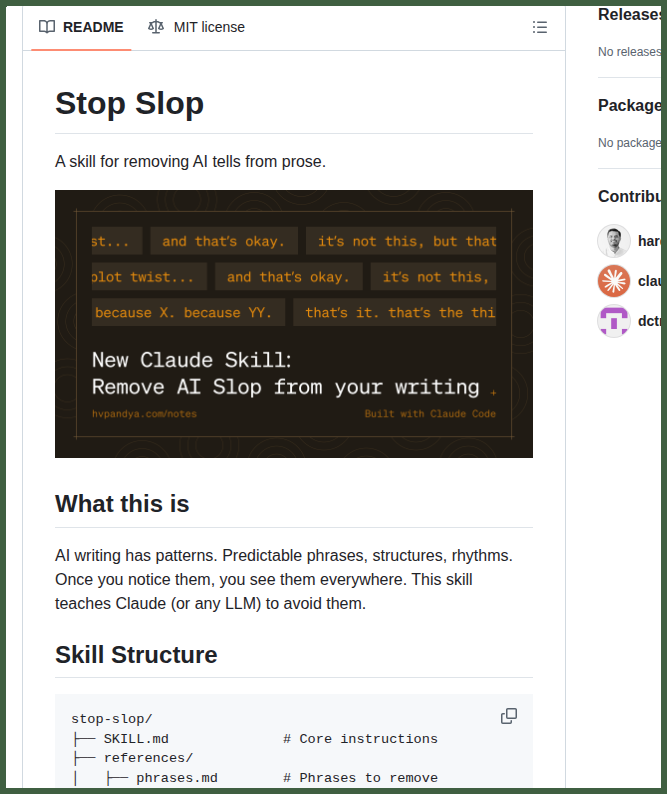
https://t.co/QeY8qtjiR7 Obsidian → create a new vault (folder)
https://t.co/ftjVlKfKjC Claude Desktop (Claude Code)
3.Point Claude to the path of your vault
4.Paste the prompt from the article
> Just 4 steps and 10 minutes of your time
The face I made when I realized I had been suffering all this time, not knowing such simple things
Algorithm Visualizer devrait être dans la boîte à outils de tout·e développeur·se qui apprend ou enseigne des algos — la visualisation en direct à partir du code rend les mécanismes abstraits vraiment lisibles.
https://t.co/LMycabGIbQ
¡Brutal manera de pasar a modo oscuro tu web!
Con una animación nativa y personalizable.
Sólo 2 líneas de JavaScript y un poco de CSS:
→ https://t.co/vlgHAkRSr5
Go to your competitors’ sites.
Copy their URLs.
Download GetViralSEO .com
Find their top pages by SEO traffic.
Create better content on the same topics.
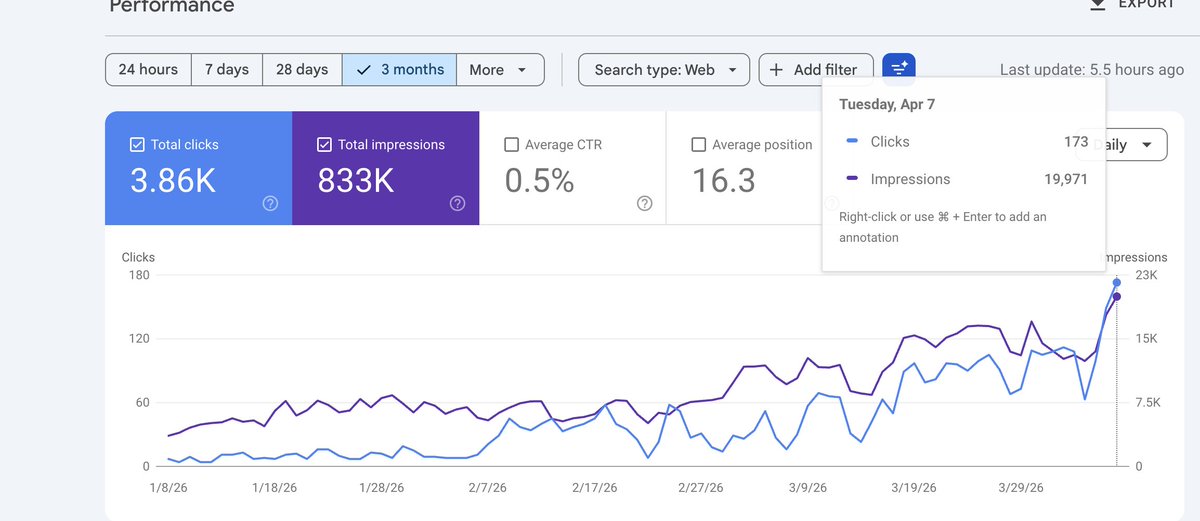
That’s the exact strategy I used to reach 173 clicks per day.
France is transitioning government desktops to Linux, with each ministry required to formalize its implementation plan by autumn 2026.
https://t.co/WKXjXN0rDy
#Linux#OpenSource
TypeScript 6.0 is now available!
This release brings better type-checking for methods, new standard library features, new module features for Node.js, and more!
But most important, this release brings us one step closer to the upcoming native-speed 7.0!
https://t.co/hon0RU1L5B
Subagents are now available in Codex.
You can accelerate your workflow by spinning up specialized agents to:
• Keep your main context window clean
• Tackle different parts of a task in parallel
• Steer individual agents as work unfolds
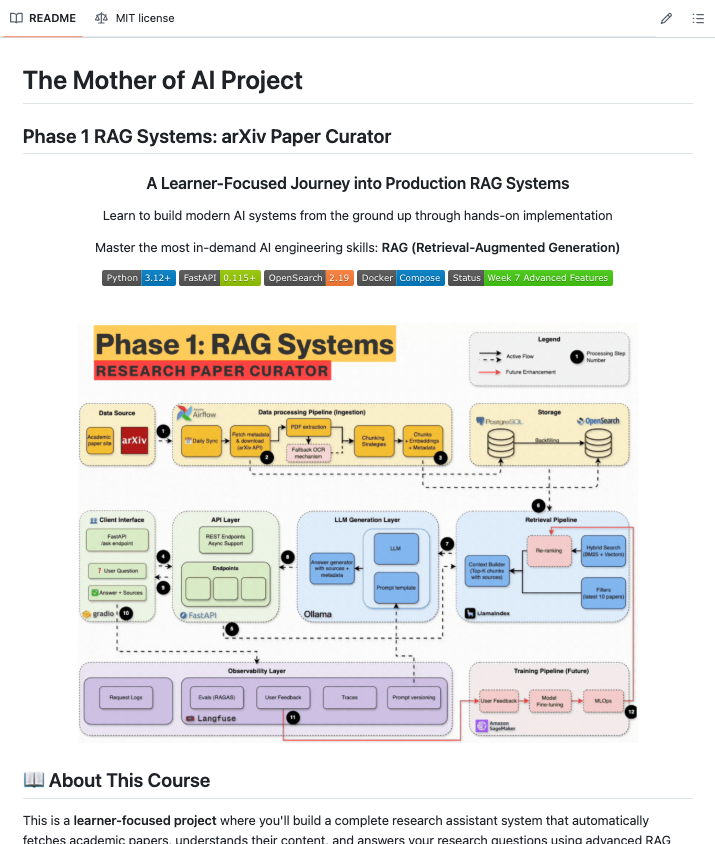
i found a github repo that teaches you to build production RAG systems the way actual companies do it
it's called production-agentic-rag-course.
here's what you are going to learn:
week 1: docker, fastapi, postgresql, opensearch, airflow
week 2: automated arxiv paper ingestion pipeline
week 3: bm25 keyword search foundations (before touching vectors)
week 4: hybrid search with embeddings + rrf fusion
week 5: complete rag with local llm and streaming responses
week 6: langfuse tracing + redis caching for production monitoring
week 7: agentic rag with langgraph + telegram bot
what i like about this approach is the sequencing
most tutorials skip straight to vector search and call it a day. this one builds keyword search first because that's what real companies actually do solid search foundation enhanced with ai, not ai-first approaches that ignore search fundamentals
every week has a notebook, a blog post, and a tagged git release so you can clone exactly where you left off
https://t.co/8lQy3viUFg
one thing is clear and its that if you want to build real ai systems, you have to understand the plumbing first. the people who skip to the fun parts are the ones whose agents break in production
Git Worktrees are the secret behind multi agent systems
Because they make true parallel execution possible
Yet most people know nothing about them...
In this 22 min video, i explain Git Worktrees and why Agents love them:
If you use OpenAI Codex, check this out:
A 130+ subagent, category-based collection built for real development workflows.
Subagents are specialized helpers that let Codex handle specific tasks (review, debugging, docs, infra, etc.) with clearer outputs and less context noise.
Each runs with its own context and instructions, making workflows more structured.
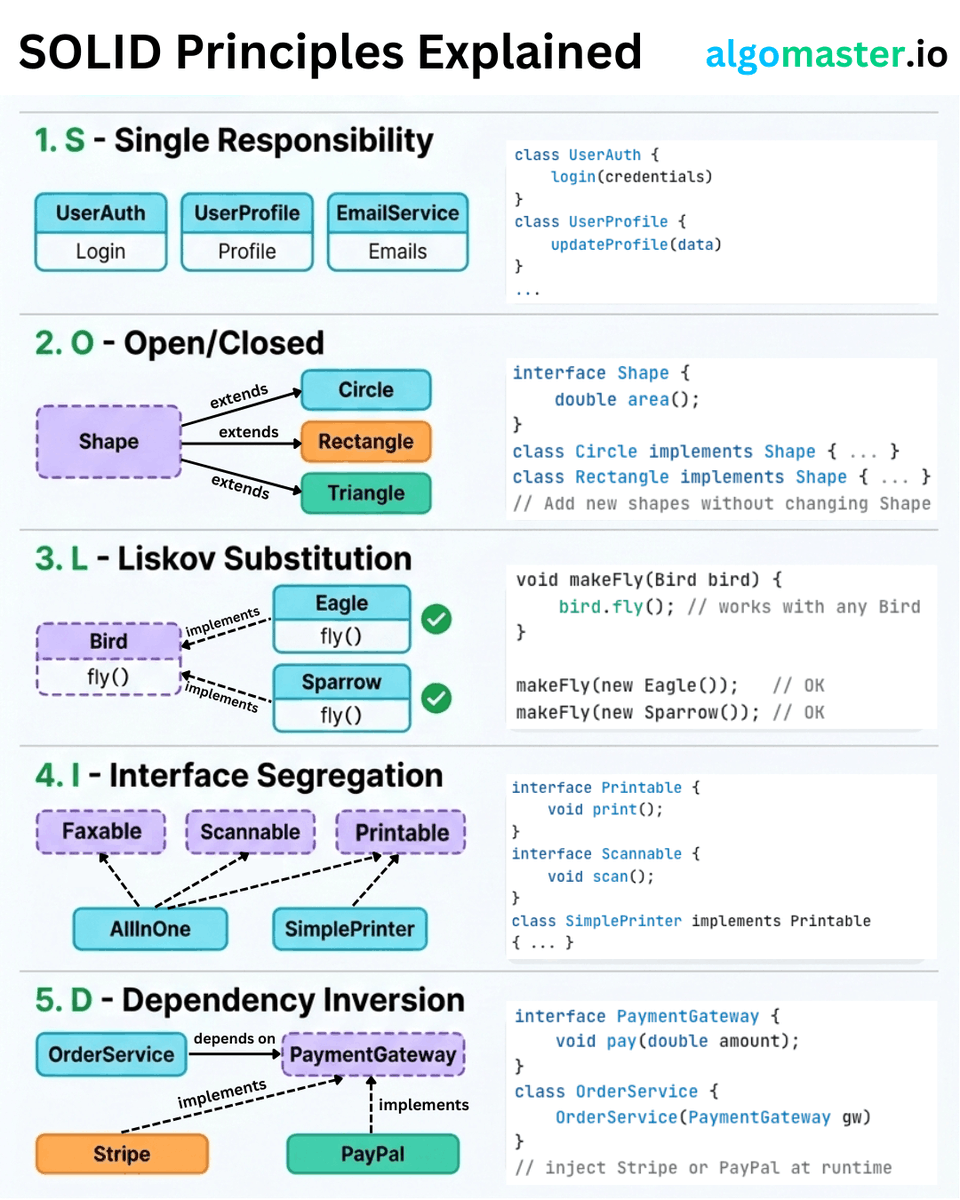
SOLID Principles Explained with Clear Examples:
𝐒 - 𝐒𝐢𝐧𝐠𝐥𝐞 𝐑𝐞𝐬𝐩𝐨𝐧𝐬𝐢𝐛𝐢𝐥𝐢𝐭𝐲 𝐏𝐫𝐢𝐧𝐜𝐢𝐩𝐥𝐞
A class should have only one reason to change.
- Example: Instead of one giant User class that handles authentication, profile updates, and sending emails, split it into UserAuth, UserProfile, and EmailService.
𝐎 - 𝐎𝐩𝐞𝐧/𝐂𝐥𝐨𝐬𝐞𝐝 𝐏𝐫𝐢𝐧𝐜𝐢𝐩𝐥𝐞
Classes should be open for extension but closed for modification.
- Example: Define a Shape interface with an area() method. When you need a new shape, just add a Circle or Triangle class that implements it.
𝐋 - 𝐋𝐢𝐬𝐤𝐨𝐯 𝐒𝐮𝐛𝐬𝐭𝐢𝐭𝐮𝐭𝐢𝐨𝐧 𝐏𝐫𝐢𝐧𝐜𝐢𝐩𝐥𝐞
Subtypes must be substitutable for their base types without breaking behavior.
- Example: If Bird has a fly() method, then Eagle and Sparrow should both work anywhere a Bird is expected.
𝐈 - 𝐈𝐧𝐭𝐞𝐫𝐟𝐚𝐜𝐞 𝐒𝐞𝐠𝐫𝐞𝐠𝐚𝐭𝐢𝐨𝐧 𝐏𝐫𝐢𝐧𝐜𝐢𝐩𝐥𝐞
Don't force classes to implement interfaces they don't use.
- Example: Instead of one fat Machine interface with print(), scan(), and fax(), break it into Printable, Scannable, and Faxable. A SimplePrinter only implements Printable.
𝐃 - 𝐃𝐞𝐩𝐞𝐧𝐝𝐞𝐧𝐜𝐲 𝐈𝐧𝐯𝐞𝐫𝐬𝐢𝐨𝐧 𝐏𝐫𝐢𝐧𝐜𝐢𝐩𝐥𝐞
High-level modules should not depend on low-level modules. Both should depend on abstractions.
- Example: Your OrderService should depend on a PaymentGateway interface, not directly on Stripe or PayPal.
The real power of SOLID is not in following each principle in isolation. It's in how they work together to make your code easier to change, test, and extend.
♻️ Repost to help others in your network
for those who dont know PromptFoo is a free tool that helps developers test their AI apps the same way you test normal software.
Instead of guessing if the AI is safe and correct, you write quick tests. The tool automatically checks things like:
- Can someone trick the AI (jailbreak)?
- Does the AI leak private information?
- Is the AI saying bad or dangerous things?
- Does the AI follow rules properly?
It’s like a safety checker for AI.
Over 300,000 developers and big companies already use it.
https://t.co/fttbWlVUDH
We’re acquiring Promptfoo.
Their technology will strengthen agentic security testing and evaluation capabilities in OpenAI Frontier. Promptfoo will remain open source under the current license, and we will continue to service and support current customers.
https://t.co/xhmLmJRoUZ