🚨 CZ just said this:
People buy Bitcoin and ask, 'When do you exit?'
You don't exit the internet. You don't exit AI. You simply use it.
I agree, imo crypto is bigger than we imagine, and in 20 years we won't remember 2026 bear market
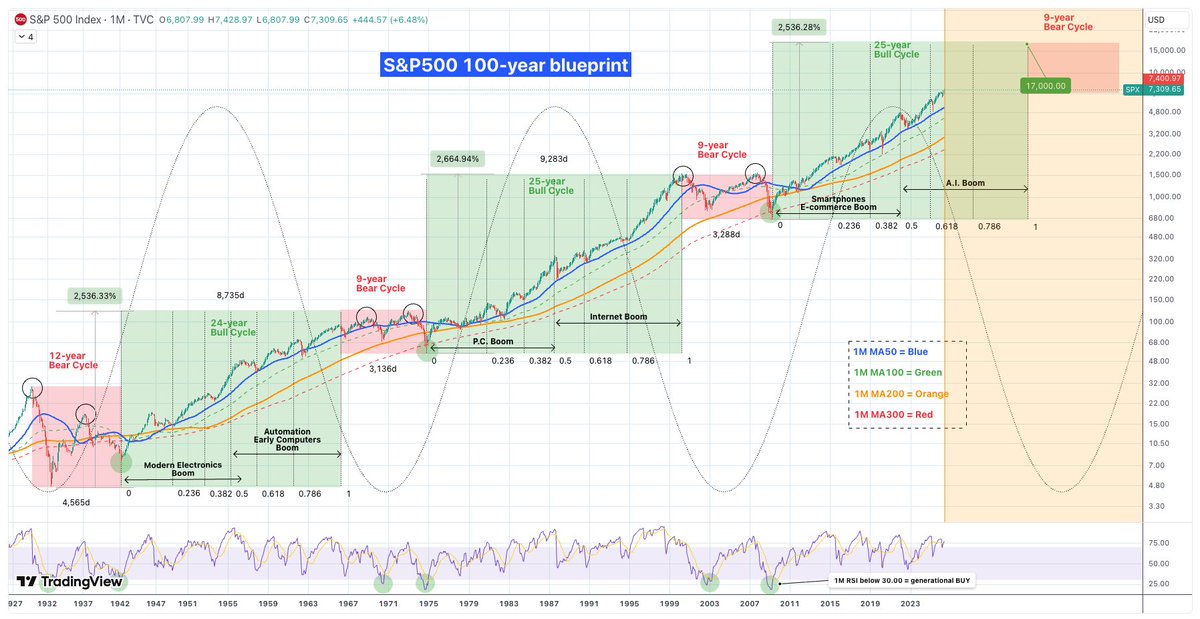
Der 100-Jahre-Plan für den Aktienmarkt
Wenn du dir die letzten 100 Jahre anschaust, siehst du ein klares Muster: Der Markt wiederholt immer wieder die gleichen Zyklen. Seit der Großen Depression 1930 gab es drei große Abwärtsphasen und drei Aufwärtsphasen .
Wir stecken gerade mitten im dritten großen Bullenmarkt.
Die schlechten Zeiten (Bärenmärkte)
Diese Phasen dauerten meistens etwa 9 Jahre (die Weltwirtschaftskrise von 1930 war mit 12 Jahren eine Ausnahme). Ein typisches Zeichen war, dass der Markt zweimal oben und zweimal unten „anklopfte“, bevor es wieder aufwärts ging. Oft krachte der Kurs bis zu einer bestimmten langfristigen Linie (dem 300er-Schnitt im Monatschart) und startete von dort aus neu durch.
Die guten Zeiten (Bullenmärkte)
Die ersten beiden großen Aufwärtsphasen dauerten jeweils 24 und 25 Jahre. Das Spannende: Sobald der Markt einmal Fahrt aufgenommen hatte, fiel er fast nie unter eine bestimmte grüne Linie (den 100er-Schnitt). Die blaue Linie (50er-Schnitt) war dabei immer die beste Chance, um günstig nachzukaufen, wenn es mal zwischendurch ruckelte.
Warum steigt der Markt so extrem?
Hinter jedem Bullenmarkt steckt eine neue Technologie:
Früher waren es industrielle Durchbrüche.
Dann kam der Internet-Boom.
Heute erleben wir den E-Commerce- und Social-Media-Boom.
Klar, irgendwann platzen diese Blasen immer, weil die Leute übertreiben. Aber die Technik bleibt! Das Internet ist nicht verschwunden, nur weil die Kurse im Jahr 2000 abgestürzt sind – es wurde zum Fundament für alles, was wir heute nutzen.
Der KI-Boom
Wir sind jetzt im zweiten Teil des aktuellen Aufschwungs, und der wird von der Künstlichen Intelligenz getrieben. Wahrscheinlich wird diese Blase um das Jahr 2034 platzen. Das wird wehtun, aber danach wird KI das feste Rückgrat unserer gesamten Wirtschaft sein.
Im Grunde sind die letzten 100 Jahre eine Kette von Erfindungen, die die Kurse immer höher treiben. Die Abstürze zwischendurch sind nur dazu da, die heiße Luft rauszulassen und Platz für neues Geld und die nächste Technologie zu machen.
Was bedeutet das für dich heute?
Wenn dieser Zyklus so läuft wie die letzten beiden, könnte der S&P 500 bis auf 17.000 Punkte steigen.
Es wird zwischendurch immer wieder Korrekturen geben. Der Zoll-Crash Anfang 2025 war so ein Moment, hat aber die wichtige blaue Linie nicht ganz berührt.
Schau auf den RSI-Anzeiger. Wenn der unter 30 fällt, ist das eine Chance des Jahrzehnts. Das ist in 100 Jahren erst sechsmal passiert – und jedes Mal war es der perfekte Zeitpunkt zum Kaufen.
Liken, Folgen, Speichern, Kommentieren, Teilen.
Danke für den Support 🫶😊🫶
Stop trading like it’s 2020.
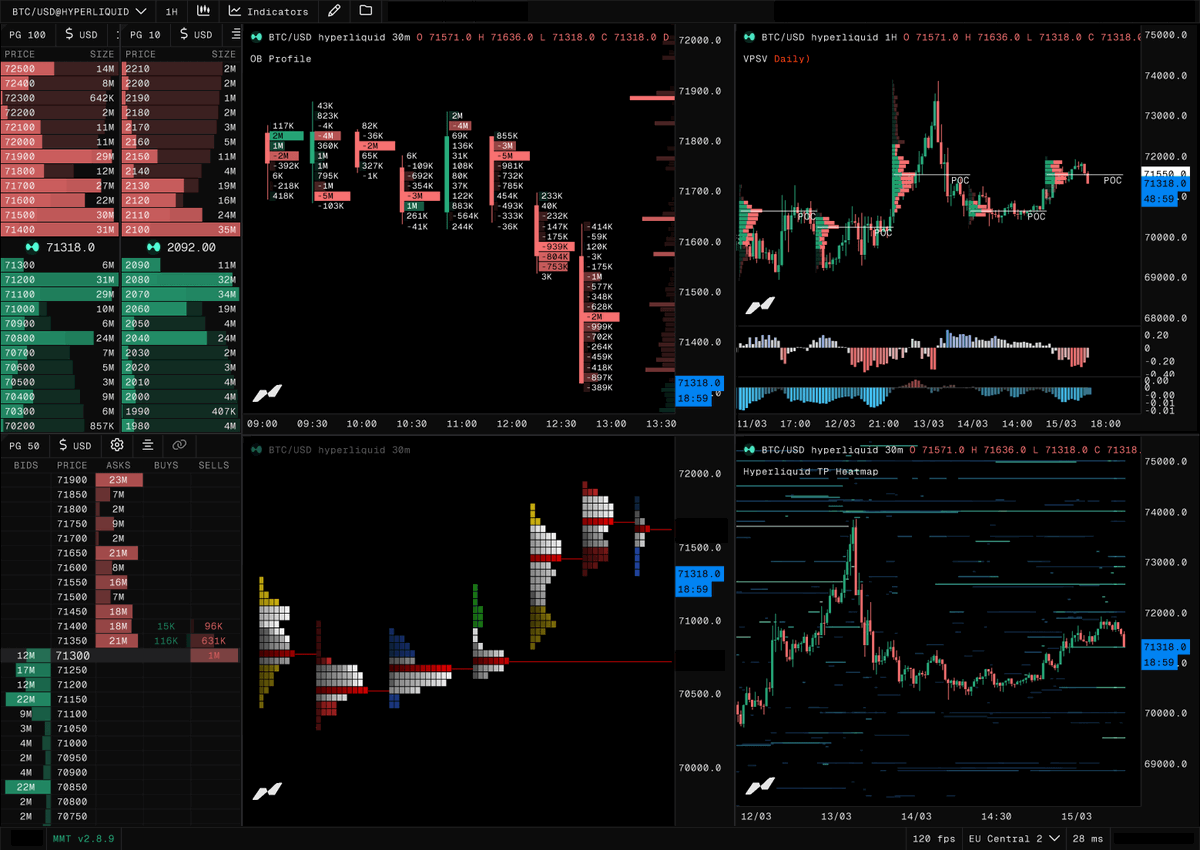
AI can read your charts now.
Most traders have no idea how this works yet.
I broke it down step-by-step.
Like + Follow + Comment “CLAUDE” I’ll send it.
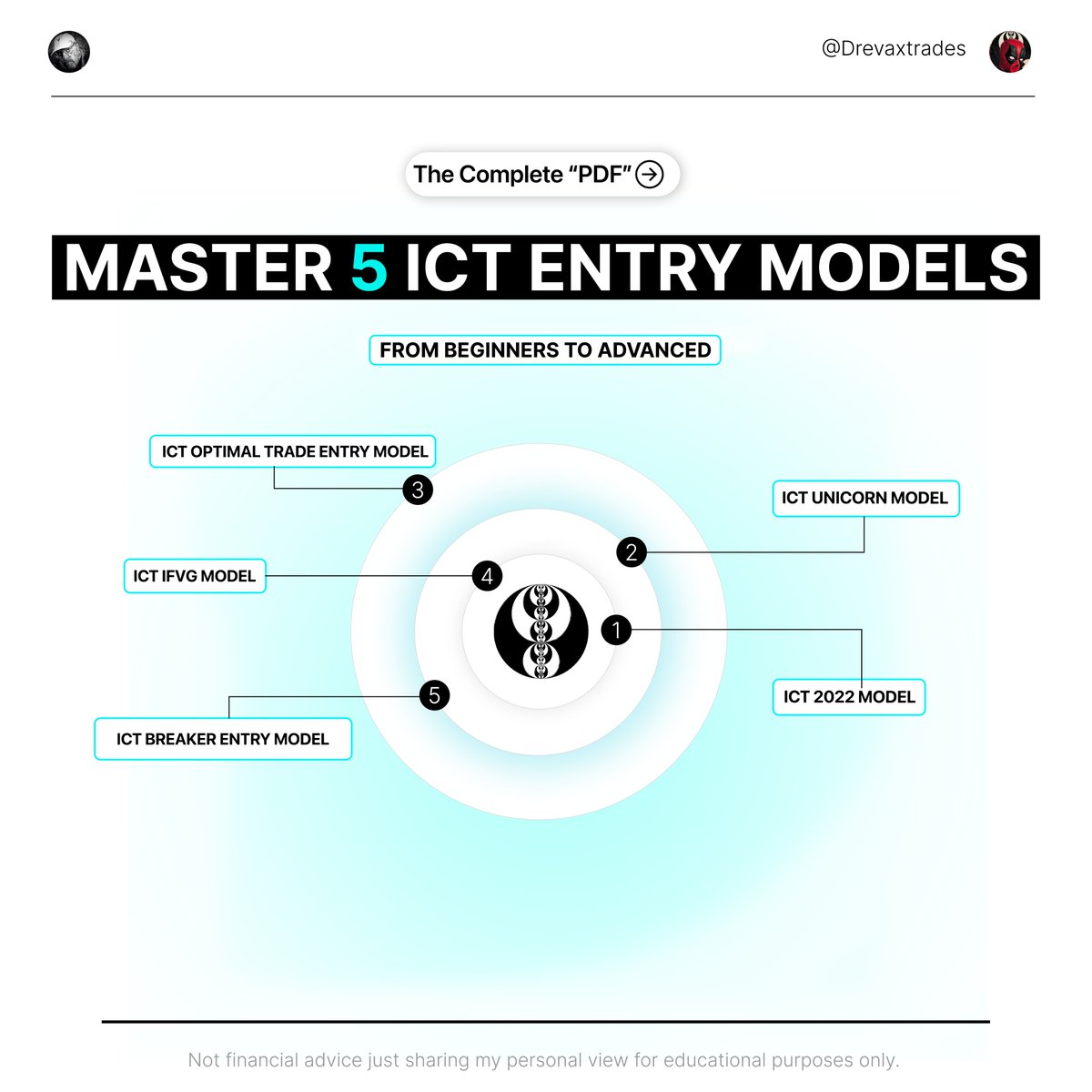
5 ICT Entry Models That Actually Matter.
I compiled 5 high-probability ICT entry models into a 25+ page PDF.
Built to help you execute with precision and consistency.
Want the PDF?
→ Follow
→ Like & repost
→ Comment “TRADE”
Just created a complete tutorial on how I made $300k in 13 minutes—the exact strategy using London session timing, demand zones and liquidity sweeps.
For 24 hours, it's yours for FREE.
Like + comment "TUTORIAL" and I'll DM it to you.
(must be following + RT for priority)
After reviewing the Senate Banking draft text over the last 48hrs, Coinbase unfortunately can’t support the bill as written.
There are too many issues, including:
- A defacto ban on tokenized equities
- DeFi prohibitions, giving the government unlimited access to your financial records and removing your right to privacy
- Erosion of the CFTC’s authority, stifling innovation and making it subservient to the SEC
- Draft amendments that would kill rewards on stablecoins, allowing banks to ban their competition
We appreciate all the hard work by members of the Senate to reach a bi-partisan outcome, but this version would be materially worse than the current status quo. We’d rather have no bill than a bad bill. Hopefully we can all get to a better draft.
We'll keep fighting for all Americans and for economic freedom. Crypto needs to be treated on a level playing field with the rest of financial services so we can build this industry in a safe and trusted way in America.
Venezuela: The $60B+ Bitcoin "Shadow Reserve"
Markets focus on the $17T+ in Oil that Venezuela owns.
But what they don't know is that Venezuela one of the largest active $BTC holders in the world.
Similar in scale to both $MSTR and Blackrock.
Here's how this impacts markets and prices:
Intelligence reports indicate that the Venezuelan regime accumulated a "shadow reserve" of Bitcoin (BTC) and Tether (USDT) estimated at more than $60 billion. (HUMINT)
his hoard was built through "gold swaps" and the requirement that oil exports be settled in USDT to evade sanctions.
Intelligence cited by Whale Hunting (authored by Bradley Hope and Clara Preve) indicates that the accumulation began in 2018, coinciding with the aggressive liquidation of the Orinoco Mining Arc’s gold reserves.
- The regime likely converted ~$2B of gold proceeds into Bitcoin at an average price of $5K, which would have been around 400,000 BTC. At Jan 2026 price of ~$90K, that specific tranche alone would be worth $36B.
As the "Petro" experiment failed, the regime pivoted to using Tether (USDT) as a proxy for the petrodollar during cruide oil sales. However, Venezuela began to "Wash" that into Bitcoin, recognizing that USDT retains the ability to freeze addresses.
Given market intelligence, we can estimate that Venezuela has roughly:
Gold Swaps: 2018–2020, Gold Bars, Value Now: ~$45B - $50B
Petro-Crypto: 2023–2025, Crude Oil, Value Now: ~$10B - $15B
Mining Seizures: 2023–2024, ~$500M
Giving a grand total between 2018–2026: ~$56B - $67B in Bitcoin, implied at 660K+ Bitcoin, with a floor at 600K in Bitcoin.
That does not mean US has full control of the Bitcoin yet. The days following today will be defined by a high-stakes interrogation to secure the Bitcoin.
The U.S. will likely offer plea deals, reduced sentencing, or protection for family members in exchange for the surrender of seed phrases. Given the severity of the narco-terrorism charges, the leverage is there.
So now the revelation of the $60 billion hoard fundamentally alters the supply/demand dynamics of the Bitcoin market for 2026, as the Venezuelan reserve is estimated at: 600,000+ BTC.
This is 12 times larger than the German sale and 2 times larger than the U.S. government’s entire pre-raid stockpile.
In 2024, the German state of Saxony liquidated ~50,000 BTC ($3 billion). This 50K BTC sale caused a 15-20% market correction and weeks of bearish sentiment.
Now compare that to 600,000.
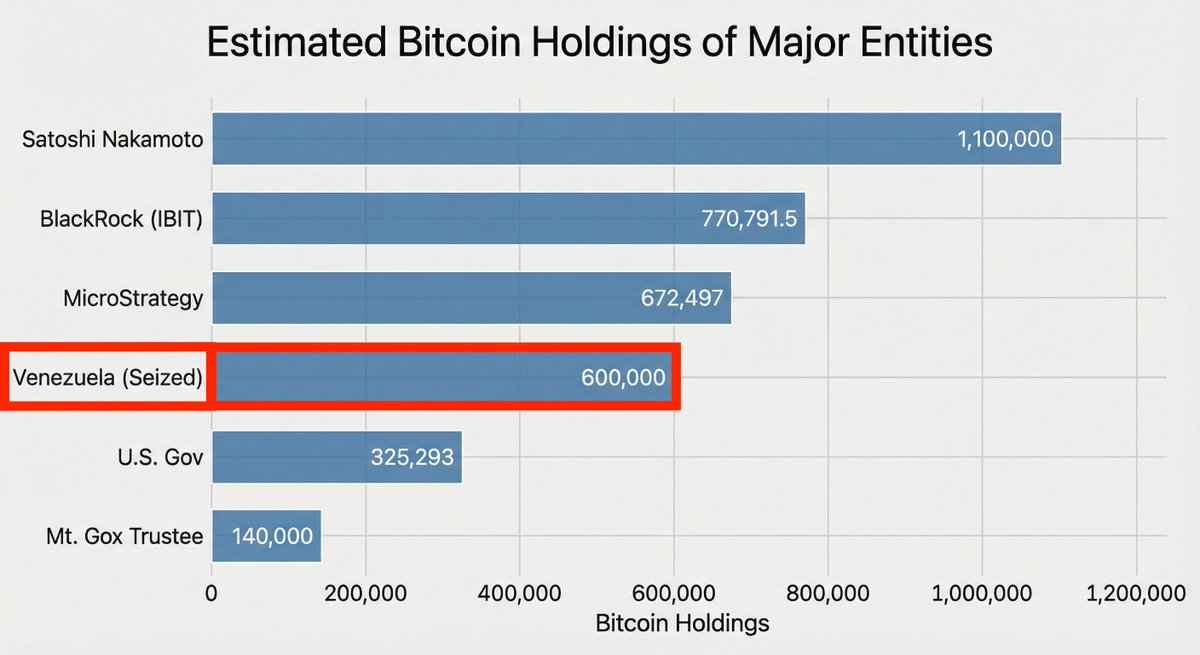
Here's the leading entity holders of Bitcoin:
1. Satoshi Nakamoto ~1,100,000
2. BlackRock (IBIT) ~770,791.5
3. MicroStrategy ~672,497
4. Venezuela (Seized) ~600,000
5. U.S. Gov ~325,293
6. Mt. Gox Trustee ~140,000
Now, here's what will likely happen from here:
The "Frozen Asset" (High Probability):
The assets are seized but immediately entangled in complex litigation Creditors file injunctions; the DOJ claims forfeiture. The keys are held in escrow by the U.S. Treasury, but the coins cannot move.
Short-term volatility due to uncertainty, followed by a bullish "supply shock" narrative.
Short-term volatility due to uncertainty, followed by a bullish "supply shock" narrative. The market realizes that 600,000 BTC (3% of circulating supply) have been effectively removed from the market for 5-10 years. This acts as a massive "lock-up," reducing liquid supply and supporting higher prices.
The "Strategic Reserve" Pivot (High Probability):
Influenced by the "Strategic Bitcoin Reserve" movement, President Trump orders the Treasury to hold the Bitcoin as a permanent U.S. asset.
This too acts as a massive lock up, reducing liquid supply and supporting higher prices.
The "Fire Sale" (Very Low Probability):
The U.S. DOJ declares the assets "perishable/volatile" and executes an immediate liquidation via Coinbase Prime or USMS auctions to fund the occupation costs.
However, this is unlikely due to Trump's positive stance toward Bitcoin "Reserves" from confiscating assets.
_
Results:
Markets have been looking at the massive oil reserve and beneficiaries, while ignoring the elephant in the room: Bitcoin.
The "second order effect" is likely a massive supply lock-up.
If the U.S. seizes these assets, they will likely move from "active liquid reserves" of a rogue state to "frozen sovereign assets" of the U.S. Treasury, reducing available supply and potentially acting as a catalyst for higher prices in Q1 2026.
There will likely be increased volatility. But for market participants shorting Bitcoin because of fears of "conflict", this event is generally seen as bullish for $MSTR and Bitcoin holders as this effectively locks up supply for many years to come.
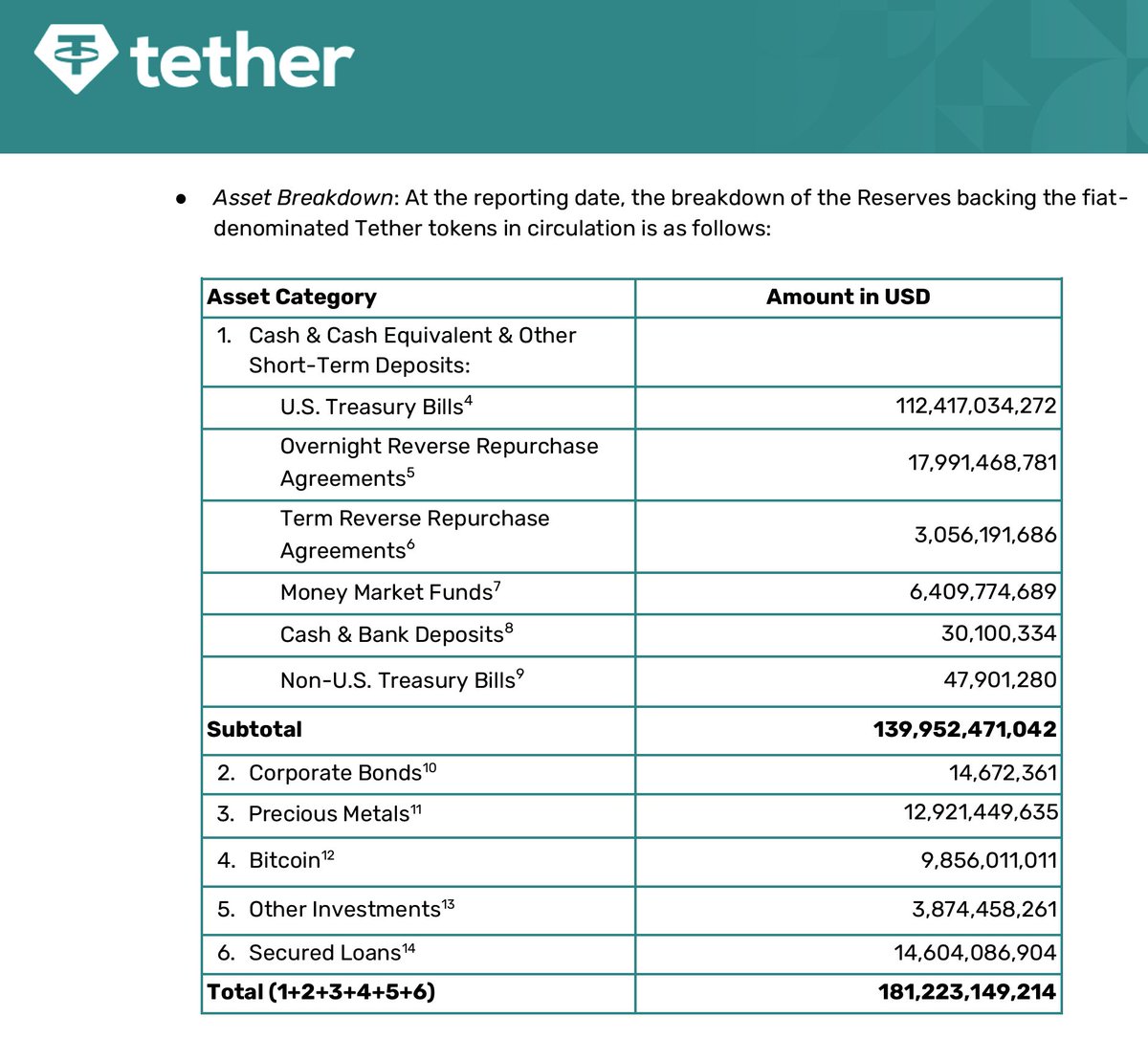
The Tether folks are in the early innings of running a massive interest rate trade. How I read this audit is they think the Fed will cut rates which crushes their interest income. In response, they are buying gold and $BTC that should in theory moon as the price of money falls.
A roughly 30% decline in the gold + $BTC position would wipe out their equity, and then USDT would be in theory insolvent. I'm sure some large holders and exchanges will demand a real-time view of their B/S so they can assess the solvency risk of Tether. Get out your popcorn, I expect the MSM to run wild with this, especially all the editors with TDS who want to shit on Lutnick and Cantor for backing this stablecoin.