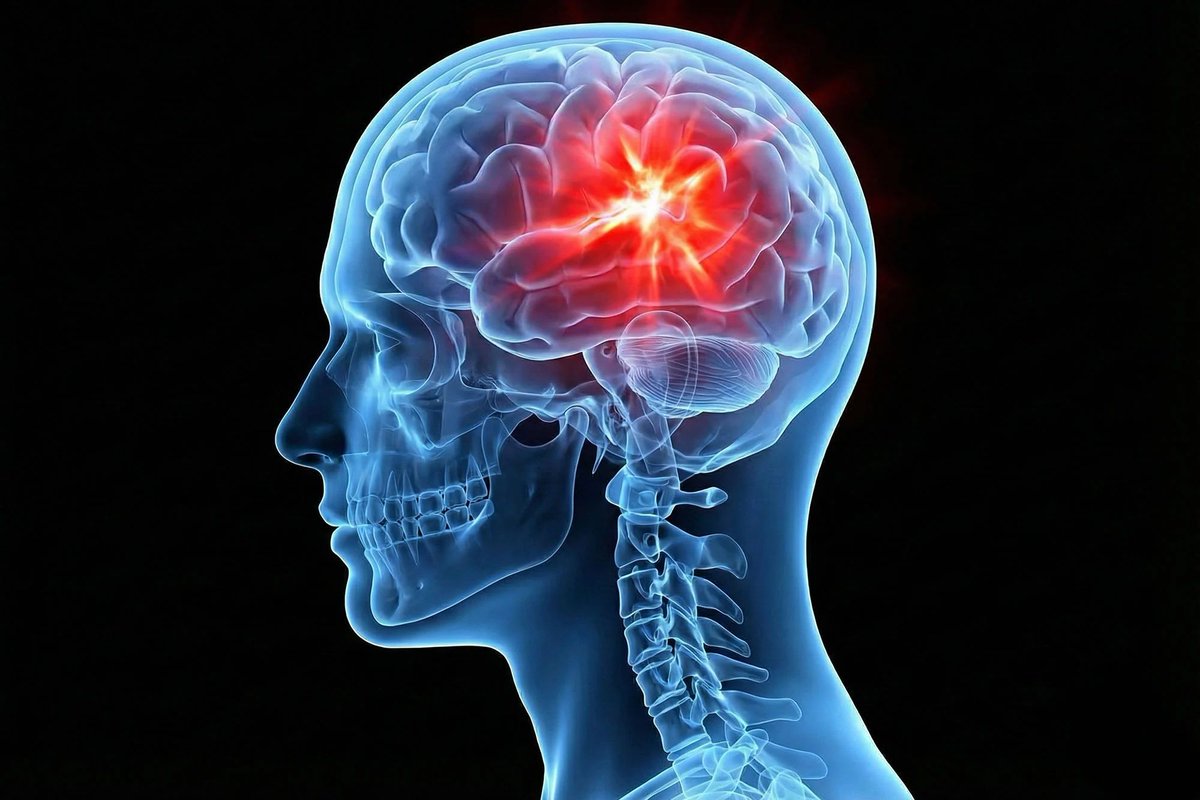
There is a magnesium ion sitting inside one of the most important channels in your brain, and it spends most of its time blocking it. That is not a malfunction. That block is how your brain decides what to learn.
The channel is the NMDA receptor. It is central to learning and memory, and it has an unusual rule for opening. Glutamate, the brain's main excitatory signal, has to bind to it. But binding alone does nothing, because a magnesium ion is physically lodged in the pore, plugging it shut. The only way to clear that plug is for the neuron itself to already be active and electrically depolarized. Glutamate plus voltage, at the same instant, pops the magnesium out.
So the receptor only opens when two things happen together: an incoming signal and a neuron that is already firing. That makes it a coincidence detector. It is the molecular version of "these two things are related," and that is the cellular basis of learning. When it opens, calcium floods in, triggers an enzyme called CaMKII, and the synapse gets stronger. Strengthening that connection is, quite literally, the physical act of learning something.
The magnesium block is the gatekeeper for the whole process. It keeps the channel silent until the signal is real and coincident, so the brain strengthens what matters and ignores random noise.
This is where it gets interesting. That same block also acts as a brake on overexcitation. When magnesium is low, the brake loosens and these channels become easier to open with less provocation. At the mechanism level, that means the threshold for excitation drops. This is a clean, well-established piece of biochemistry. It is also exactly the kind of mechanism that gets oversold, so be careful with the leap from "magnesium gates NMDA receptors" to "magnesium fixes anxiety." The gating is real and rigorous. The clinical claims downstream of it are a separate, much messier question.
What is not in doubt: a single magnesium ion sitting in a channel is one of the most elegant control switches in human biology, and it is running quietly in your head right now.
Jahr & Stevens, J Neurosci, 1990
Hou et al., Mol Neurobiol, 2020
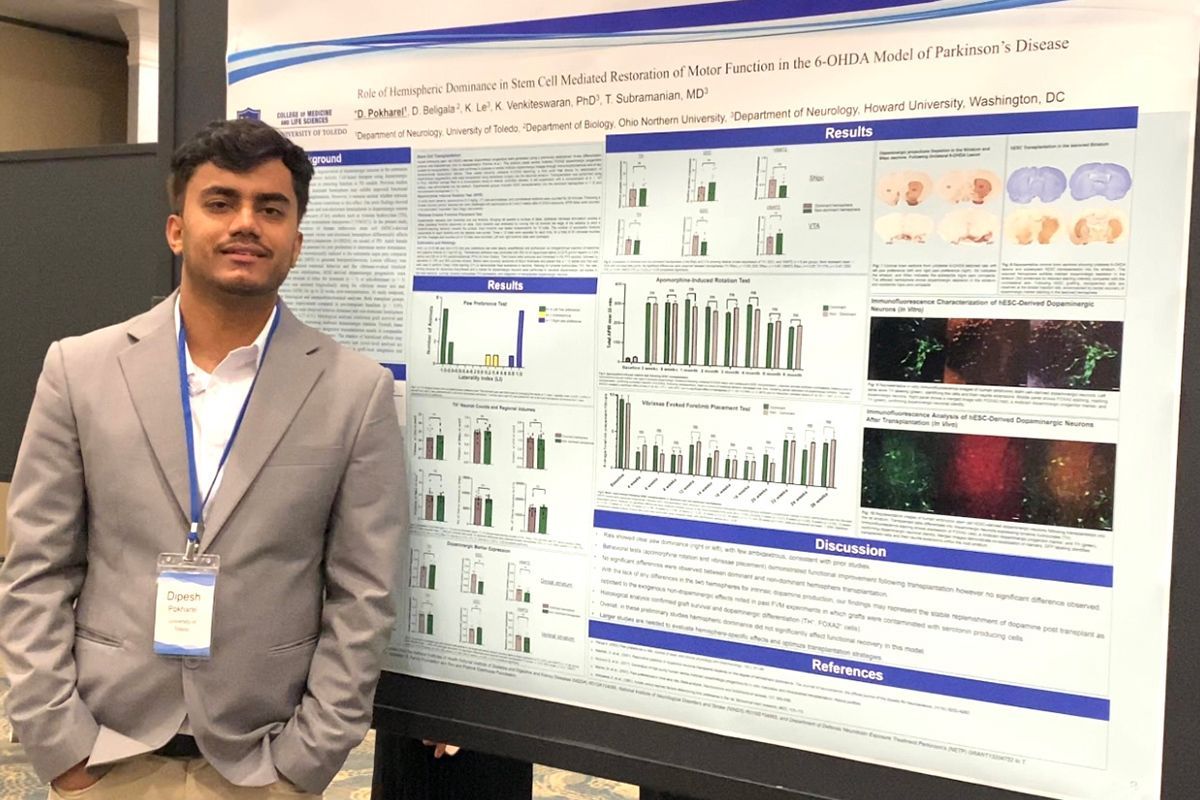
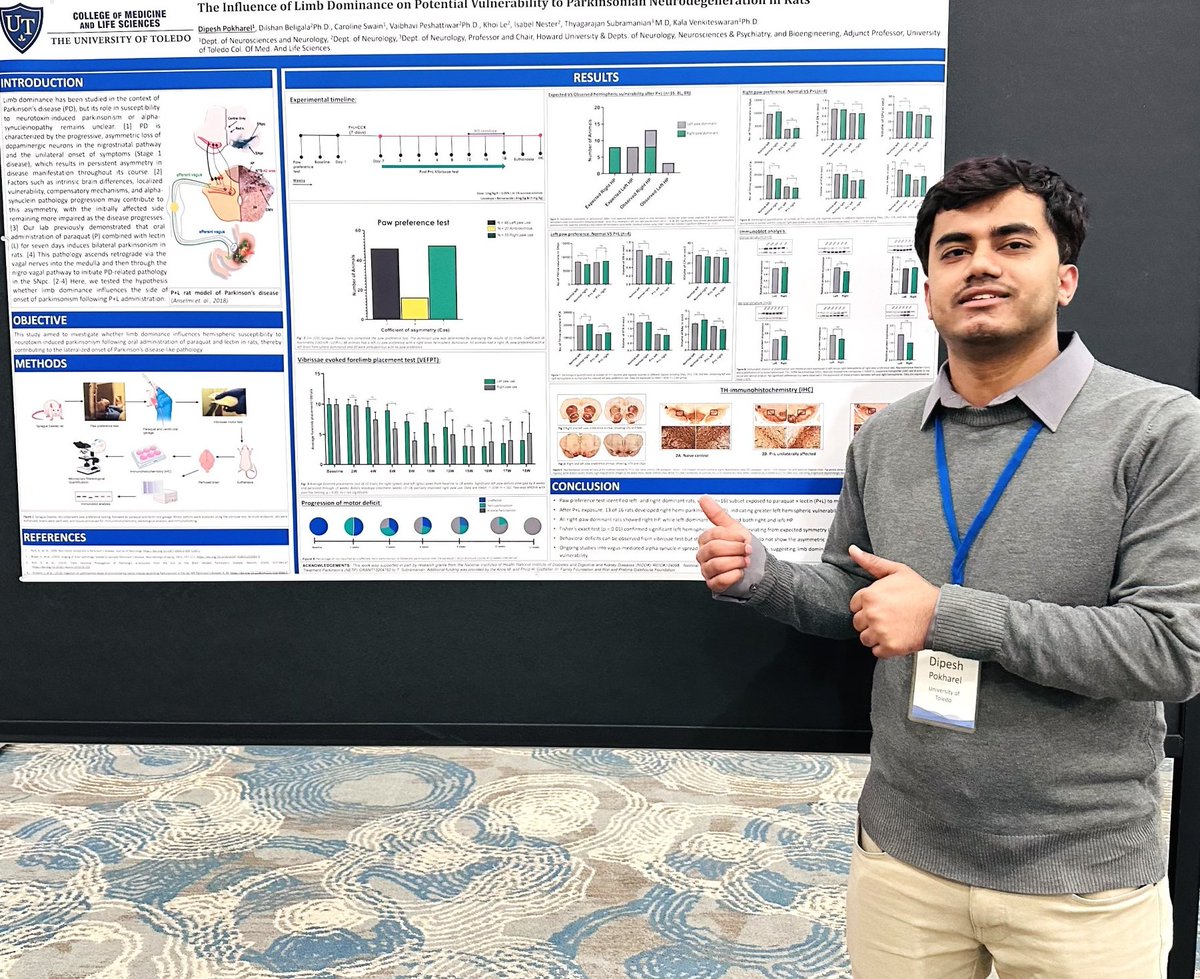
Dipesh Pokharel, Ph.D. candidate in the Neuroscience and Neurological Disorders Track of our Biomedical Science Program, recently attended and presented a research poster at the American Society for Neural Therapy and Repair (ASNTR) 2026 Annual Conference.
Could GLP-1 diabetes drugs help protect the brain?
New research suggests medications such as semaglutide (Ozempic) may do more than control blood sugar. Read my latest article in The Annapurna Express: https://t.co/38sMJYZtej
#GLP1#ParkinsonsDisease#AlzheimersDisease#Brain
Attended the ASNTR Annual Conference in Clearwater Beach, Florida 🌴It was an incredible experience connecting with scientists, clinicians, and trainees working at the forefront of neural therapy and repair.
#ASNTR2026#Neuroscience#Neurodegeneration#PhDLife#DipeshPokharelPhD
Attended the ASNTR Annual Conference in Clearwater Beach, Florida 🌴It was an incredible experience connecting with scientists, clinicians, and trainees working at the forefront of neural therapy and repair.
#ASNTR2026#Neuroscience#Neurodegeneration#PhDLife#DipeshPokharelPhD
From conscious choice to autopilot, your brain turns repeated actions into neural shortcuts. Habits are biology in action. Read more from Dipesh Pokharel (@dipesh_neuro) on the #ISpyPhysiology blog: https://t.co/TQm64zEg8a
Dipesh Pokharel, a Ph.D. candidate in our Neuroscience and Neurological Disorders Track, writes an article in Nepalese daily newspaper @TheAnnaExpress about why treatments for Alzheimer’s and Parkinson’s disease fail in clinical trials. https://t.co/7DxnPVNSM4
Reminder
A new Brain Aging and Alzheimer's Research.
Scientists in Singapore found a protein, DMTF1, that helps aging brains make new nerve cells in lab studies. Boosting this protein seemed to reverse age-related decline in neural stem cells, potentially aiding memory and learning.
Another study identified Sulfavant A, a molecule that helps brain immune cells clear Alzheimer's related plaque in lab and animal models.
#ParkinsonsDisease is more than just tremors. This week on the #ISpyPhysiology blog, Dipesh Pokharel tells us more about the signs, who's affected and how exercise and meds can make life easier for people with PD: https://t.co/ZddglaMxWF
New study shows just a few drinks fragment your brain's communication. Regions go from working together to operating in isolation.
Turns out how "disconnected" your brain gets predicts how drunk you feel."
https://t.co/OLdDLK3KKI