We have two common observations about AI coding.
At one end of the spectrum, people say programming is over. We are all now program managers: we decide what to build and delegate the coding to AI.
At the other end, people ask, “Where is all the great software AI is delivering?”
I believe these opposing views run deep. They reflect the difference between software as an industry and software as a craft.
Recall Henry Ford’s assembly line: it frustrated workers but made cars affordable.
Much the same is happening with software. You can build a new web app in hours with AI. It will be generic, inexpensive, and often better than what you could craft yourself in the same time.
For many, that’s enough: a generic app that is slightly limited and not too polished.
Yet many people in the West still build businesses selling carefully designed products atop this generic infrastructure.
Things get interesting when AI is used by craftsmen who truly care about the end product.
Using AI as a craftsman takes longer to bear fruit because it is harder.
Here is how I have used AI in recent months. I start a project and ask AI to sketch a solution. It works.
I could stop there, post the code on GitHub, and move on. In a year, I would produce 400 new libraries—the sweatshop model of AI production.
Instead, I treat the AI output like a human research assistant’s draft: “Nice proof of concept!” Then I spend weeks mercilessly reviewing and refining the code.
Importantly, AI’s greatest value may not be writing code. I use it as a research assistant: “What if I did it this way?” I can test ten designs in parallel and discard them all. That freedom is valuable.
I continue until my code far exceeds the state of the art—well above what lazy prompts would produce.
This craftsman strategy is bearing fruit. It may lead to a golden age of software. But by nature, it is slower and less visible.
It is slower partly because we are still developing the right processes.
Few will do this.
I roast and grind my own coffee. Most people buy overpriced capsules. My coffee is in a different league, but most don’t know what good coffee tastes like.
The same applies to software. Many think Microsoft Teams is good software. If you sell to those customers, simple AI prompting is enough—and if you become a billionaire, good for you.
But I predict a lasting market for the kind of software a small team of dedicated craftsmen can produce with AI and other tools.
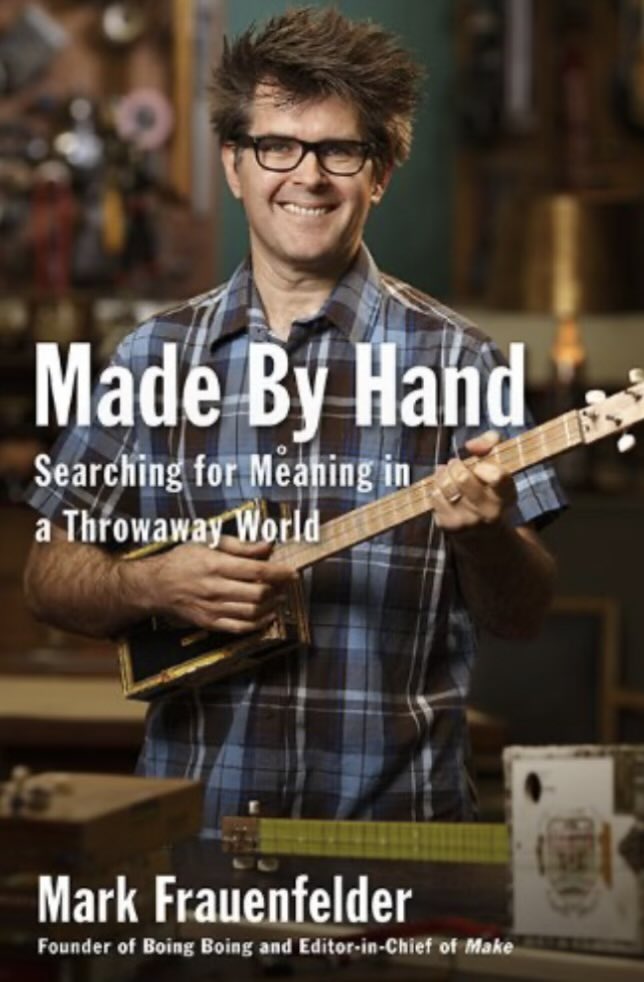
Mark Frauenfelder’s book Made by Hand is relevant in this context. Roasting is a hassle. Why do I do it? Why bother making crazily good software if so-so software is enough to pay the bills? Many people won't like the answer: it is a spiritual issue. Once you have enough to eat, why do you build anything? If I chose to be frugal, I could probably retire today. Eat spaghetti. Scroll the web.
Some people will reply that it is all about status competition. But roasting my own coffee does not make more popular with the ladies. If anything, it makes me weird. Yet it also makes me happier.
For many of us, the craft is the point. And AI won't change that.
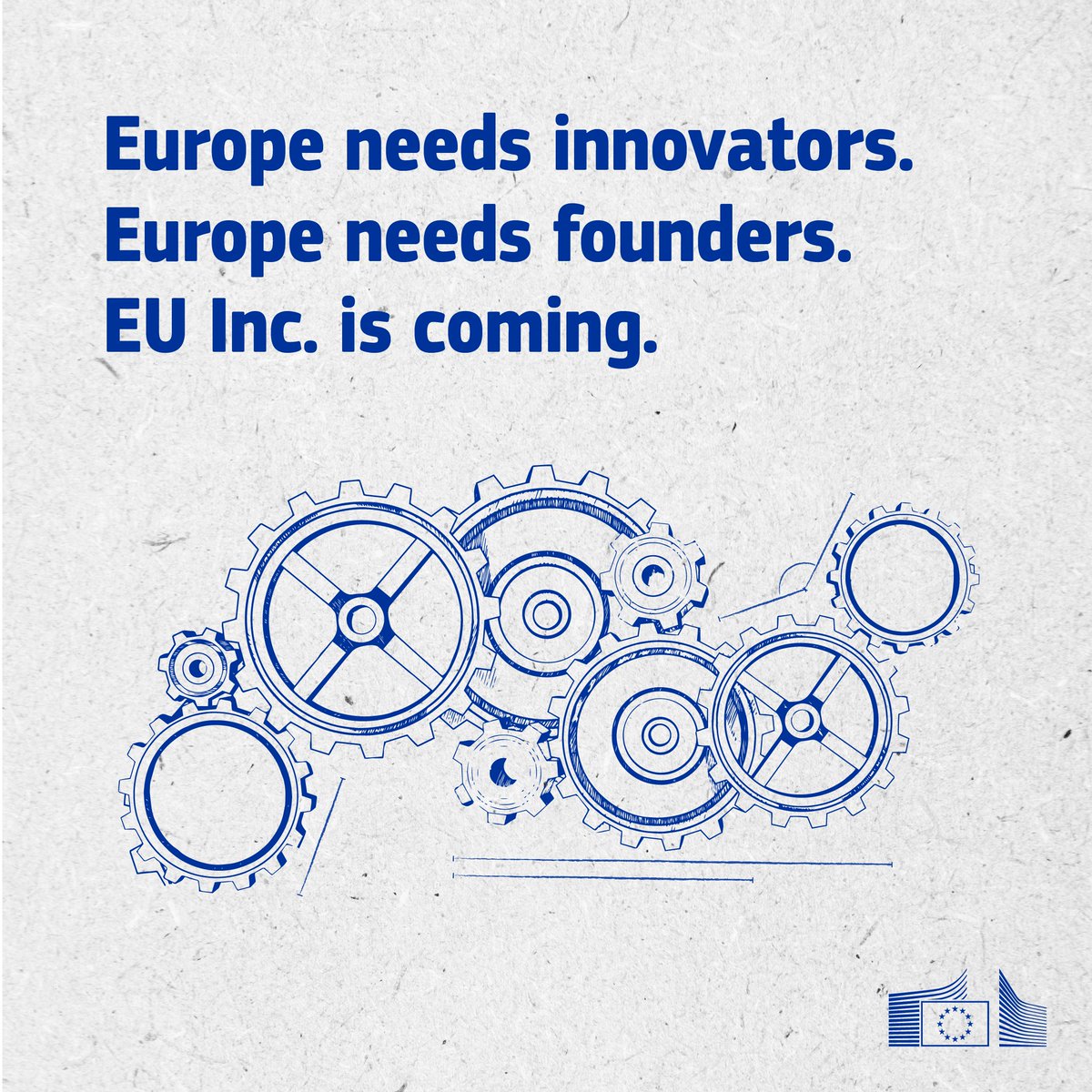
We are introducing EU Inc. To make building and growing a business across the EU faster, simpler, and smarter.
🔸 Start a company in less than 48 hours
🔸 No minimum capital requirement
🔸 Fully online and borderless
Oh wow, a popular GitHub Action (tj-actions/changed-files) was fully compromised. Someone committed a base64-encoded payload that runs a script that in turn prints out encoded secrets…
Stay safe out there!
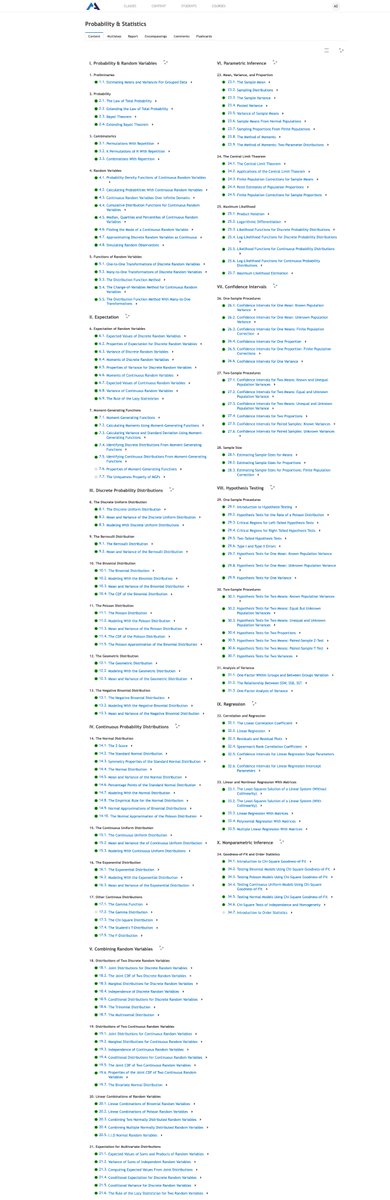
Great news. @_MathAcademy_'s Probability and Statistics course will be launched in time for Christmas.
The final list of topics is attached.
Just call me Santa Claus. 🎅
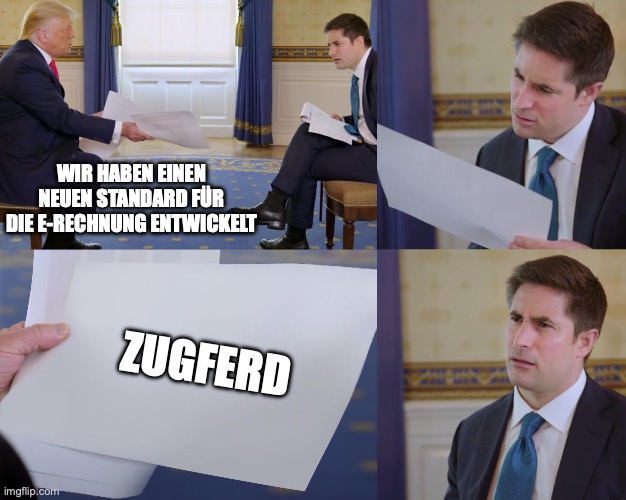
The world will hate us (🇩🇪) again as soon as every support team of every SaaS company everywhere is hit by their German customers with "PLEASE PROVIDE AN E-RECHNUNG".
Our new textbook Theoretical Foundations of Conformal Prediction is out!
Conformal prediction is a a statistical technique that augments ML systems with uncertainty information for safe deployment. This book lays out the core theory.
https://t.co/ZaDAl1Hnft
Rails 8.0: #NOBUILD, #NOPAAS, all-in on SQLite as a production database option with jobs, cache, and cable, new authentication generator, and so much more! Final release is out 🎉 https://t.co/qom10worLW
Ich denke da auch immer wieder drüber nach. Vielleicht gründe ich auch irgendwann eine kleine Agentur, um der öffentlichen Hand zu helfen - falls das Problem die Supplier sind.
Ich kann mir vorstellen, dass die folgende Strategie funktionieren könnte:
* Dienstleistungen finden, die online durchgeführt werden können (z.B. Melderegisterauskunft oder Urkunden vom Standesamt)
* Kommunen finden, die das ganze nur per Email abbilden ohne Backend.
* Mit denen reden, ob die an einer GDPR et al. compliant Lösungen interessiert werden
* V0 könnte eine client side app sein, die alle Nutzereingaben mit einem Public Key der Kommune verschlüsselt und dann wie gehabt per Mail verschickt. Authentifizierung mittels nPA. Der Bürger bekommt eine nette UI, die Kommune kann einen einzelnen Prozess low risk digitalisieren ohne viel durcheinander zu bringen intern.
* Wenn das klappt, kann das natürlich ausgebaut werden, mehr Prozesse oder ein custom backend etc. etc.
Ein paar schnelle Gedanken.