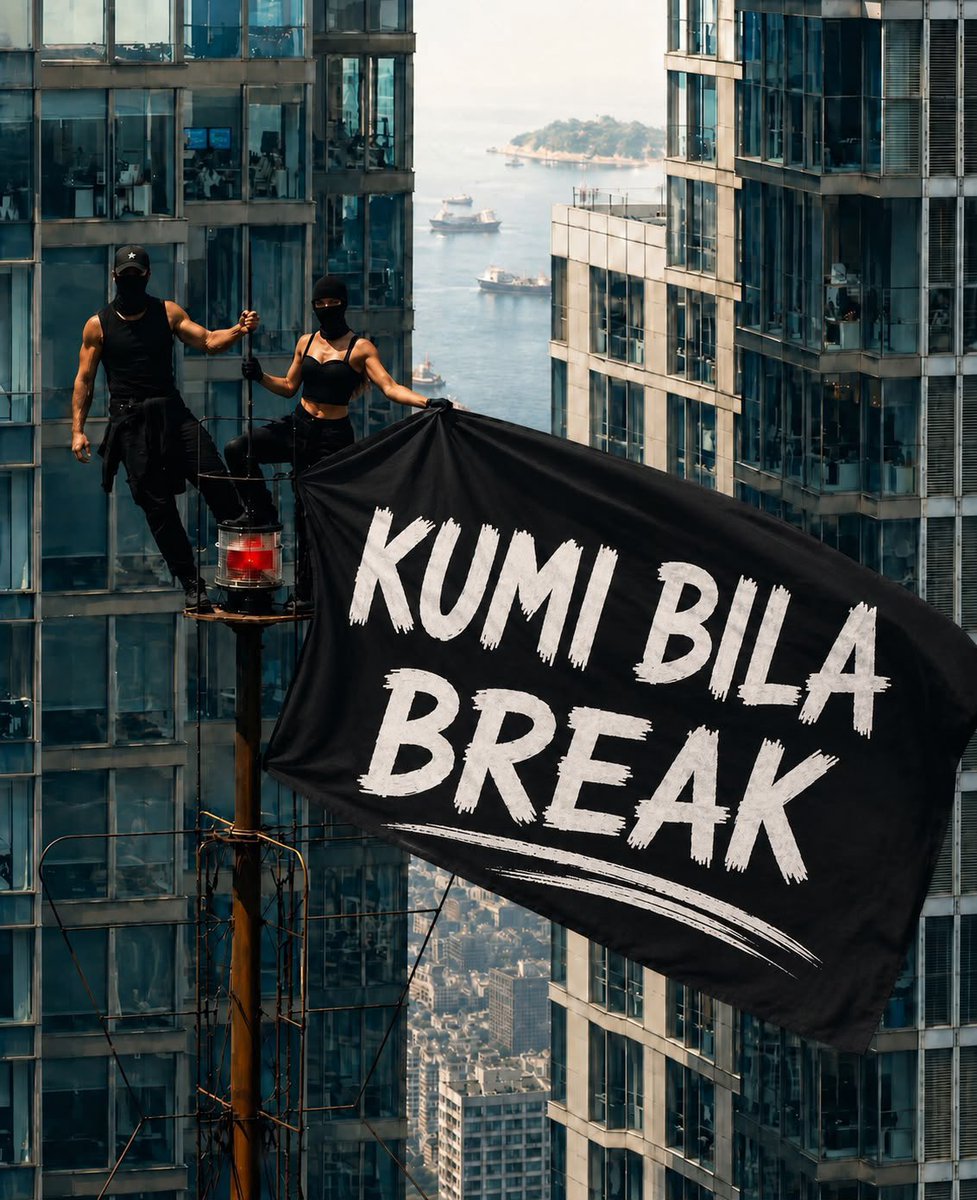
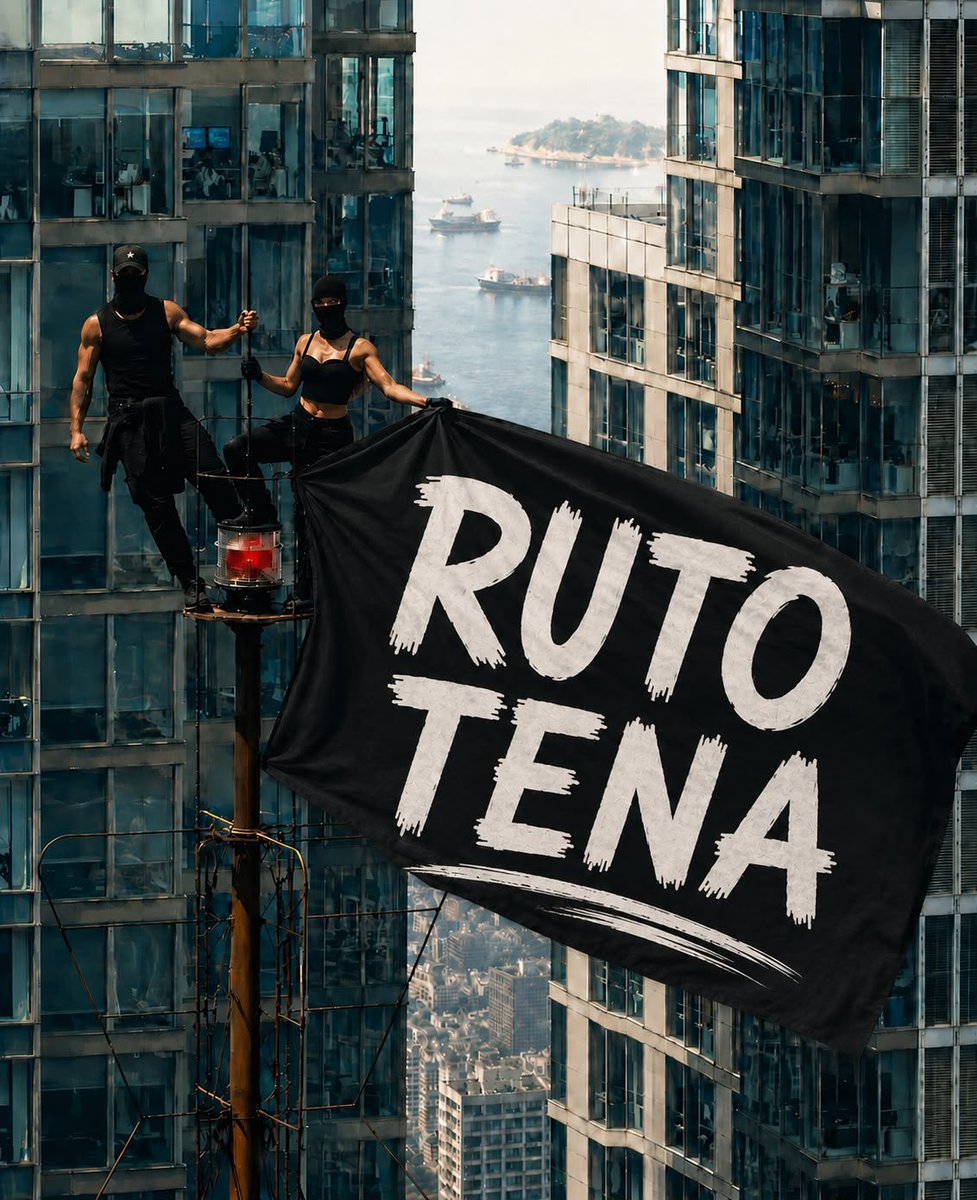
That we find William Ruto at the tail end of Raila Odinga is a blessing to Kenya. A visionary handed over to a builder. There is no vacuum in the race.
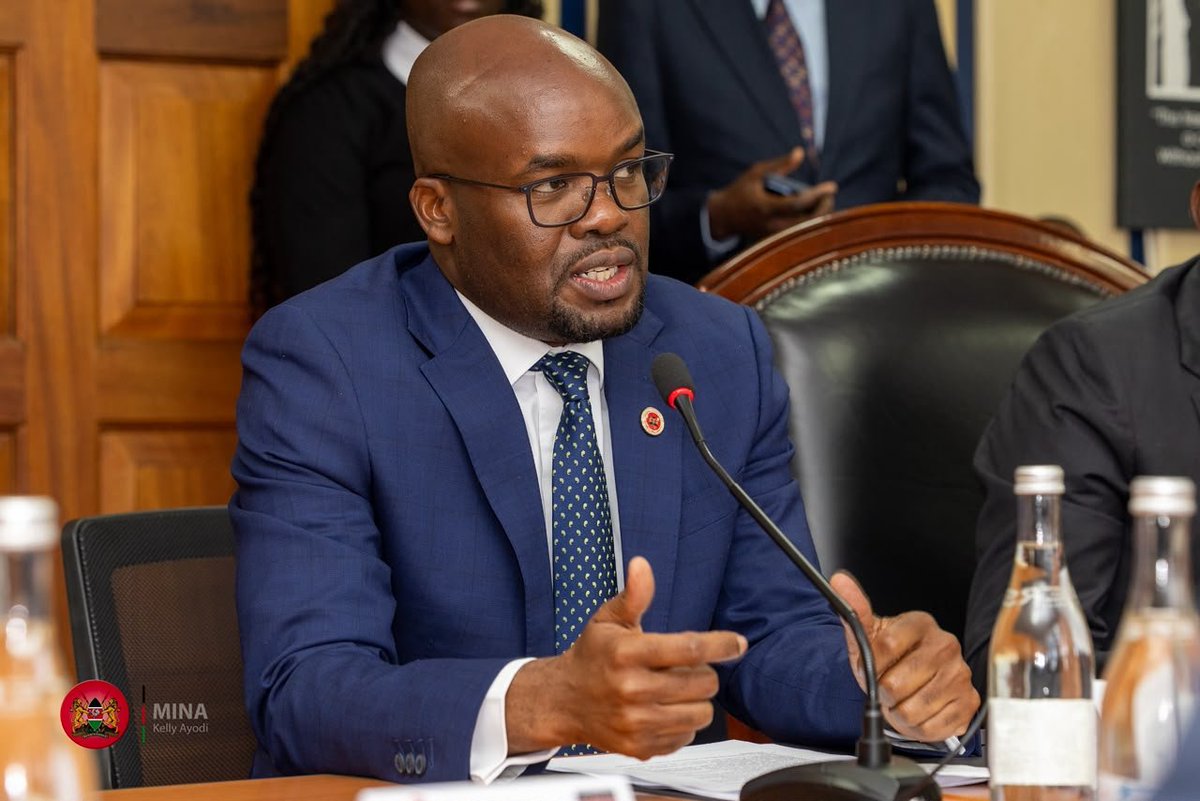
The Ministry of Interior and National Administration continues to strengthen our cybersecurity framework through robust policies, legislation and institutional coordination.
The enactment of the Computer Misuse and Cybercrimes Act provides a comprehensive legal framework for preventing, detecting, investigating and prosecuting cyber-related offences, while safeguarding critical information infrastructure and digital systems.
In addition, the National Computer and Cybercrimes Coordination Committee (NC4) plays a central coordinating role by bringing together government agencies and key stakeholders to enhance cyber threat monitoring, information sharing, incident response, capacity building and the overall safety of the country's cyberspace.
Data has become one of the most valuable assets of the digital age, often described as the goldmine of this generation.
As more Kenyans embrace digital services, they continue to entrust government institutions with vast amounts of sensitive personal and transactional information. This trust places upon us a profound responsibility to protect that data through robust security measures, strong governance frameworks and vigilant oversight.
It is for this reason that we treat cybersecurity as a national priority, recognizing that the integrity, confidentiality and availability of data are fundamental to public trust, service delivery and the success of our digital transformation agenda.
As Nairobi continues to experience rapid urban growth, its critical infrastructure must be expanded, upgraded and modernised to meet the demands of a thriving Capital City.
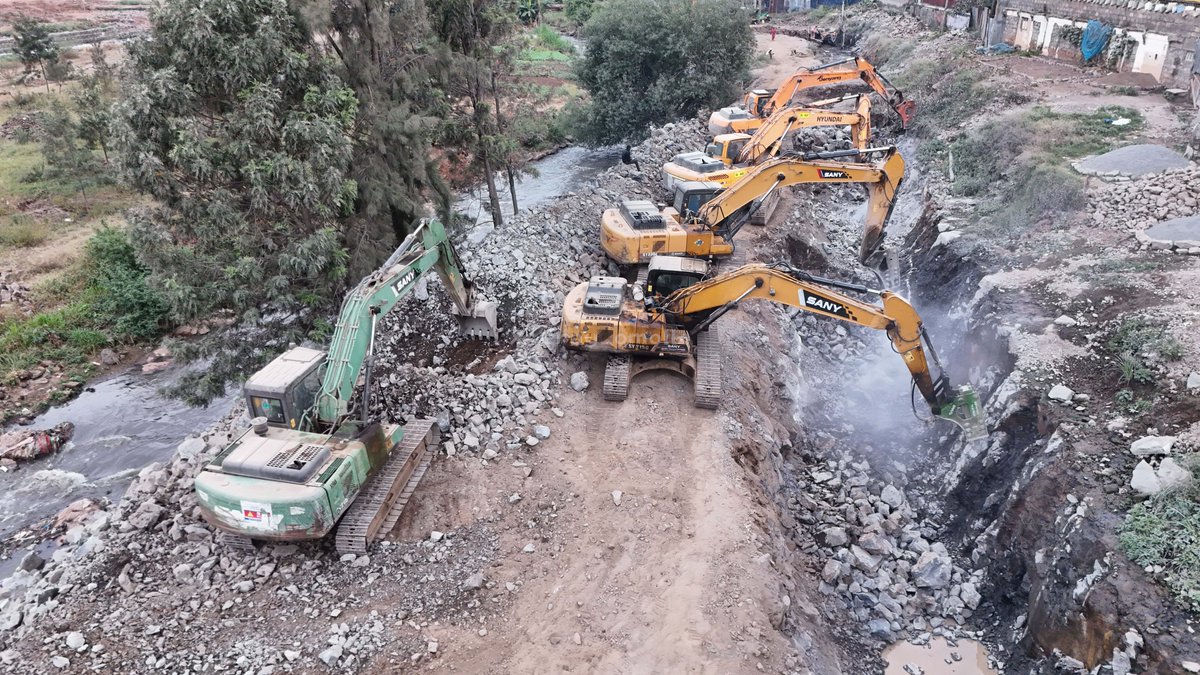
Under the Nairobi River Regeneration Programme, remarkable progress has been made in upgrading the sewerage system serving Lucky Summer and Baba Dogo in Ruaraka Constituency.
The project is delivering a 27-kilometre trunk sewer lines along the Nairobi River corridor, creating an interceptor system that diverts wastewater away from the river and surrounding neighbourhoods.
With a treatment capacity of 60 million litres per day, the upgraded network will help curb pollution, improve sanitation and protect the Nairobi River ecosystem.
At the same time, the ClimateWorX Mtaani Initiative has provided employment opportunities to more than 45,000 youth and women engaged in river clean-up, drainage maintenance and environmental restoration, demonstrating the strong link between infrastructure development, environmental conservation and community empowerment.
The State Department for Internal Security and National Administration, through the National Government Administrative Officers (NGAOs), has played a key coordination role in supporting project implementation and mobilising communities under the ClimateWorX Mtaani Initiative. MORE PICS - https://t.co/hyKWqky1UM
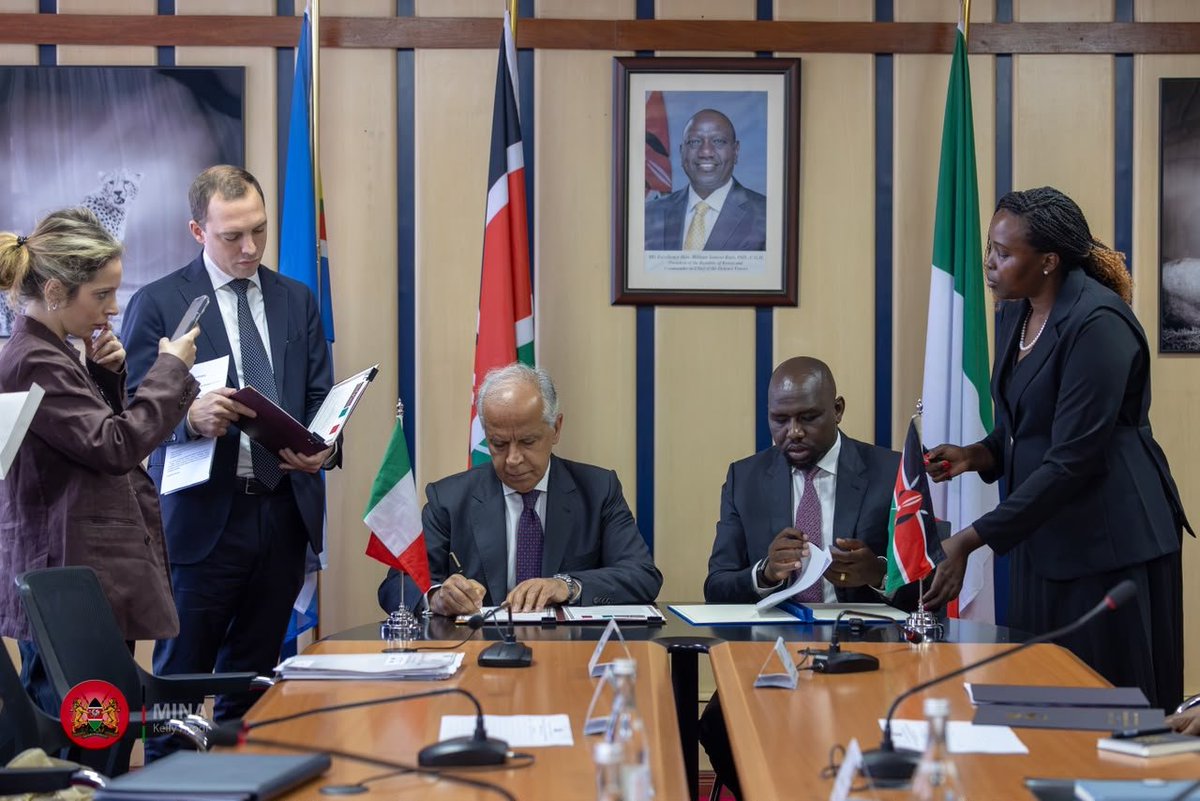
Joined the Kenyan delegation, led by Cabinet Secretary Hon. @kipmurkomen, during the signing of a Letter of Intent on Security Cooperation between Kenya and Italy.
The ceremony was held alongside the Italian delegation headed by Minister of the Interior @Piantedosim.
The signing underscores the shared commitment of Kenya and Italy to deepen security collaboration and strengthen efforts to address emerging security challenges.
It also gives practical expression to lessons drawn from Kenya's benchmarking visit to Italy, which demonstrated that policing is most effective when institutions work together under a shared framework.l
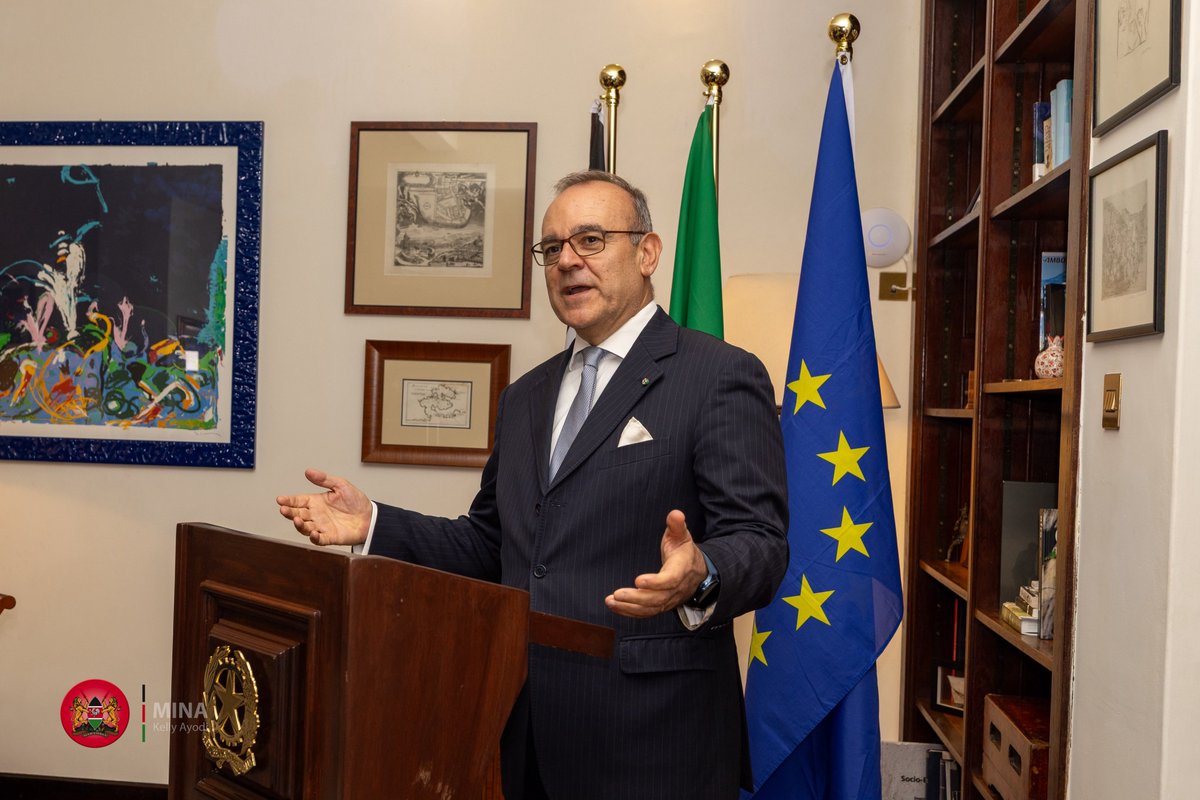
Following the signing of the Letter of Intent on Security Cooperation between Kenya and Italy earlier today, we joined members of the Kenyan and Italian delegations for a cocktail reception hosted by the Italian Ambassador, Mr. Vincenzo Del Monaco, at his Official Residence.
The engagement provided an opportunity to further strengthen ties, deepen mutual understanding and reaffirm our shared commitment to enhanced cooperation in addressing emerging security challenges.
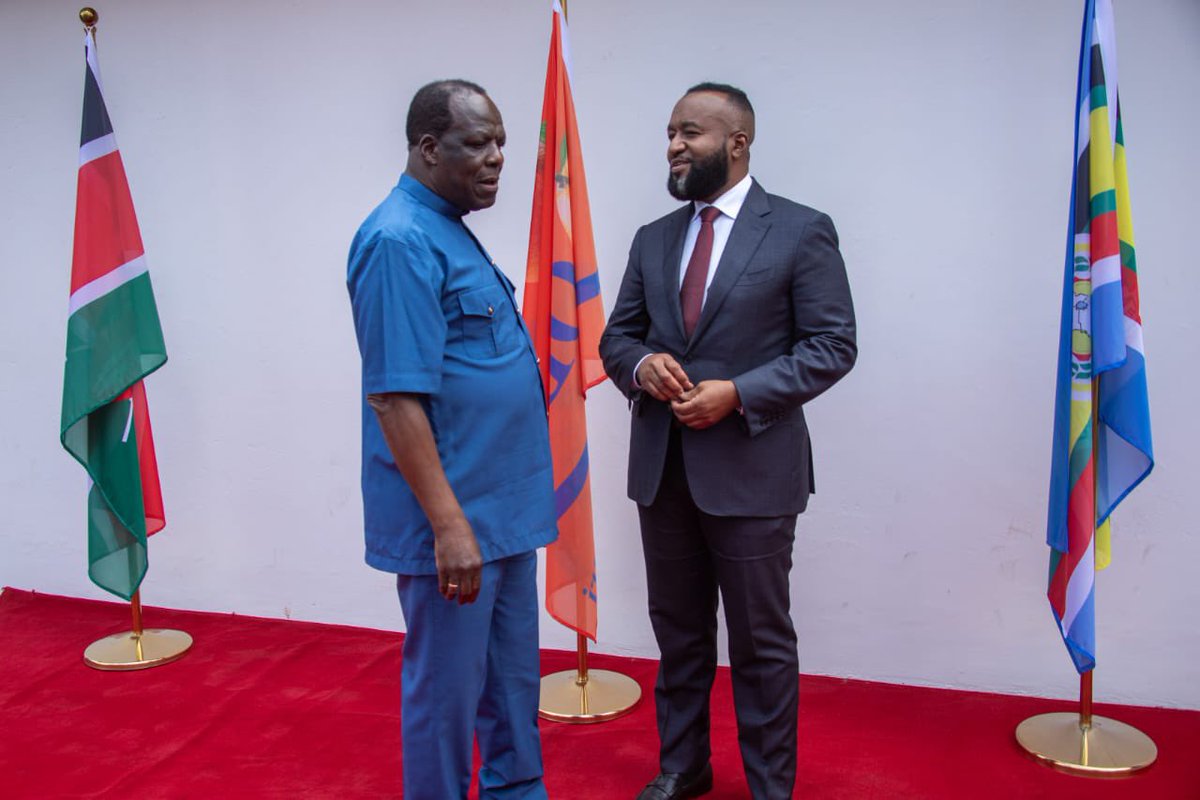
— Held a routine consultation meeting with ODM Party Leader Dr. Oburu Odinga, ODM National Chairperson Gladys Wanga, CS Wycliffe Oparanya, CS Hassan Joho, CS John Mbadi, CS Opiyo Wandayi, and ODM ED Oduor Ong’wen. TUKO TAYARI.
My friend @amerix you’ve missed the concept of “all politics is local”.
The concept has nothing to do with the platform.
Whether mainstream press, digital platforms or village barazas, the platform is irrelevant to the nature and agency of politics.
Does the politics you are doing in Nairobi align with the politics your cousin is confronted with in shamakhokho?
@Disembe It seems I redirected my understanding.
It is true, the interests of a Nairobian, are different from a Shamakhokhian.
Interests trigger urgency, and this urgency bypasses the information channels.
True in 1997, true in 2007, and still true in 2027.
Nairobi's new fisheries HQ is rising in South C 🏛️
Uvuvi House will consolidate 4 key fisheries agencies under one roof. KShs 999.6M, World Bank-funded, built by Landmark Holdings Ltd.
A statement building for Kenya's Blue Economy push 🌊
#ConstructionToday#UvuviHouse
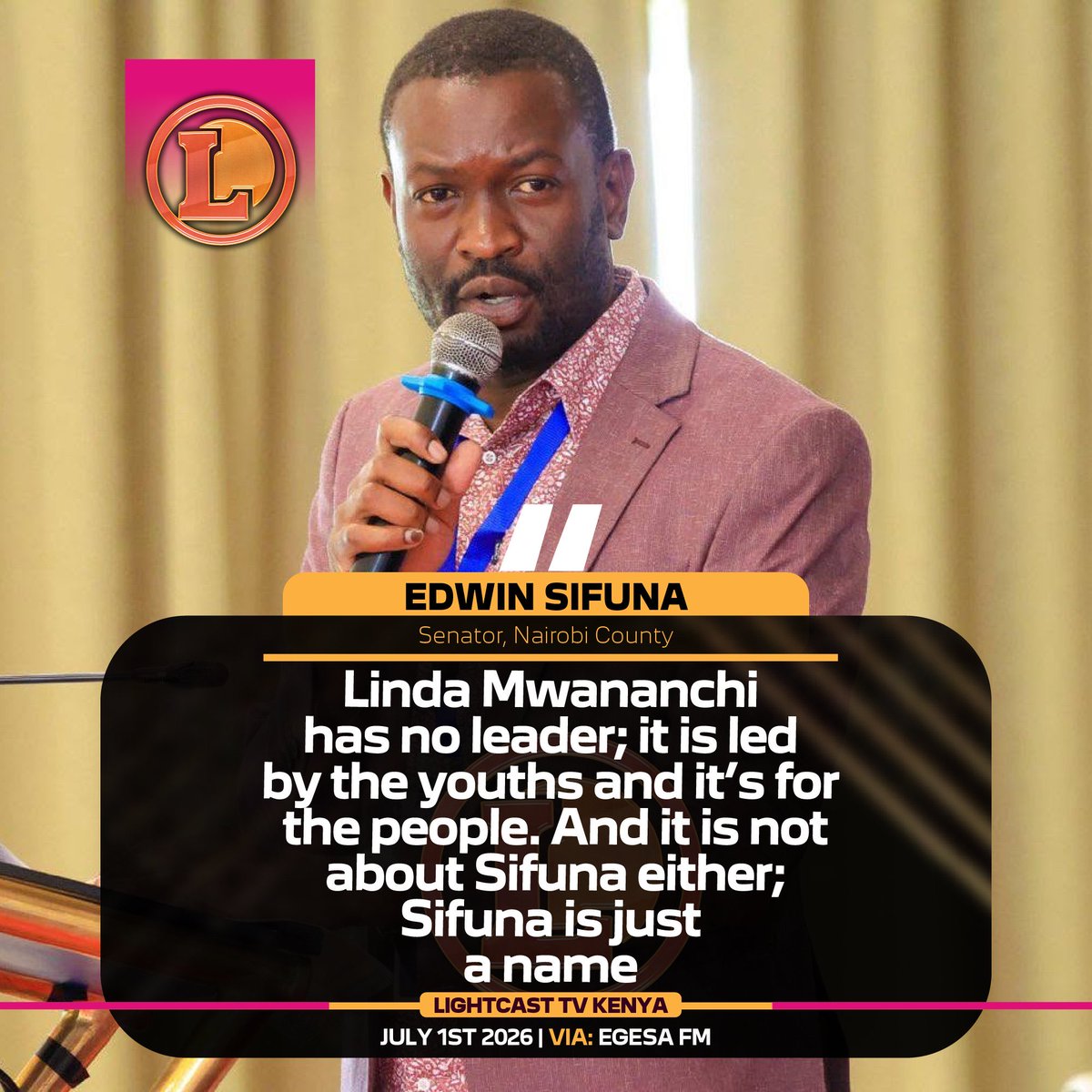
Edwin Sifuna must be peddled as the Linda Mwananchi “de facto” principal.
He must, else he loses his relevance.
The desperation to have Sifuna as a presidential material has to do with Uhuru’s attempts to con Gen Zs by giving them something closer to their ‘thinking’.
This has been occasioned by the failure of legacy opposition (Kalonzo) to galvanize Gen Zs.
Sifuna’s rise as the “de facto” Linda Mwananchi supremo however destroys James Orengo, also hanging on the outfit to safely exit Siaya politics.
Orengo would rather get one vote as a presidential candidate than lose his Siaya seat after gambling. He knows he can’t defeat ODM in Siaya.
Either way, the outfit will collapse under their heavy weight of its own internal contradictions.