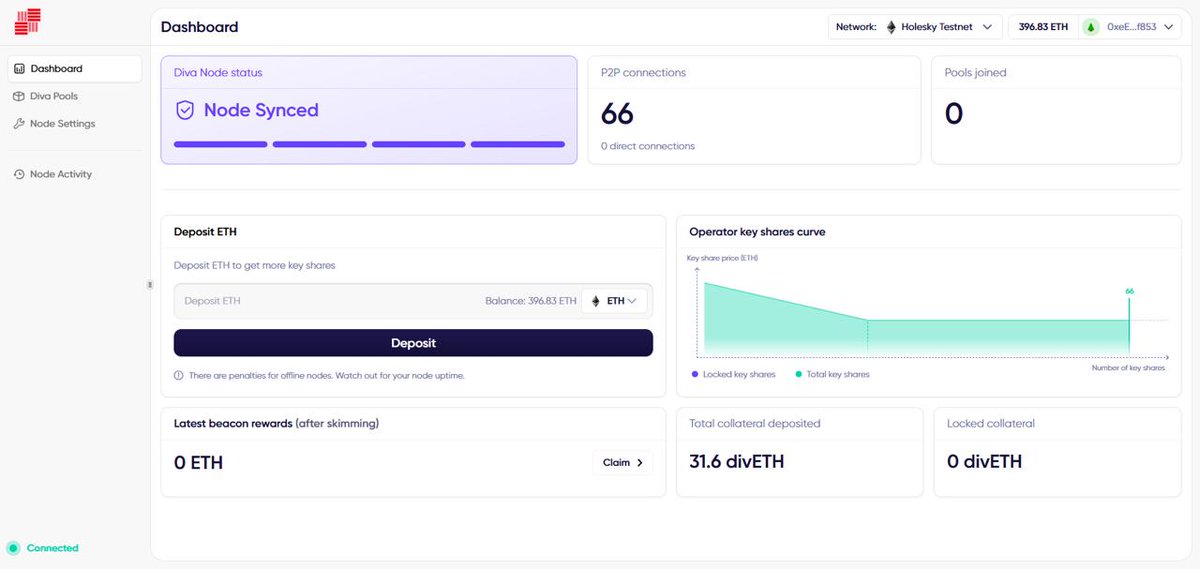
Native DVT for @ethereum staking is exactly what we’ve been building at Diva for years!
Bringing true decentralization to Ethereum staking without cutting corners, and while enshrining home stakers.
Our time is now ⌛️
https://t.co/7kdgwppzOO
Vitalik Buterin has proposed integrating native Distributed Validator Technology (DVT) directly into Ethereum’s staking protocol to reduce single points of failure and improve decentralization. The proposal would allow validators to operate using multiple keys under a single identity with threshold signing, and it is still under community discussion. https://t.co/sjHDMf1kKV
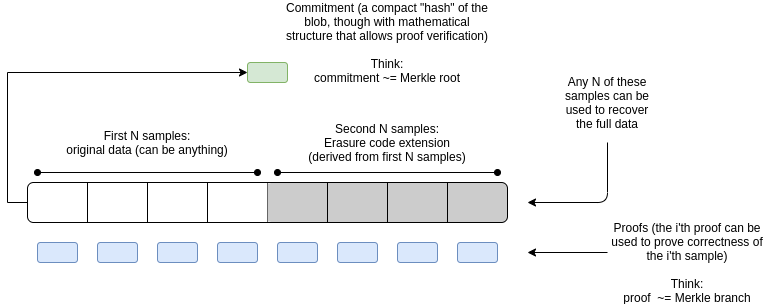
PeerDAS in Fusaka is significant because it literally is sharding.
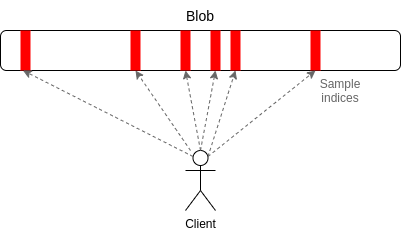
Ethereum is coming to consensus on blocks without requiring any single node to see more than a tiny fraction of the data. And this is robust to 51% attacks - it's client-side probabilistic verification, not validator voting.
Sharding has been a dream for Ethereum since 2015 , and data availability sampling since 2017 ( https://t.co/Fa0jKFgObW ), and now we have it.
That said, there are three ways that the sharding in Fusaka is incomplete:
* We can process O(c^2) transactions (where c is the per-node compute) on L2s, but not on the ethereum L1. If we want to scaling to benefit the ethereum L1 as well, beyond what we can get by constant-factor upgrades like BAL and ePBS, we need mature ZK-EVMs.
* The proposer/builder bottleneck. Today, the builder needs to have the whole data and build the whole block. It would be amazing to have distributed block building.
* We don't have a sharded mempool. We still need that.
But even still, this is a fundamental step forward in blockchain design. The next two years will give us time to refine the PeerDAS mechanism, carefully increase its scale while we continue to ensure its stability, use it to scale L2s, and then when ZK-EVMs are mature, turn it inwards to scale ethereum L1 gas as well.
Big congrats to the Ethereum researchers and core devs who worked hard for years to make this happen.
EIP-7688 is still not implemented. As a result, anyone using EIP-4788 in their code must upgrade their smart contracts when Beacon structures are changed.
Glamsterdam is an excellent fork to include EIP-7688!
Each fork we are forced to add a lot of bug prone boiler plate due to changing structures. Each fork we argue that the benefits don't make it priority. The time we have wasted for not having done this 4 forks ago amounts to an entire fork's work.
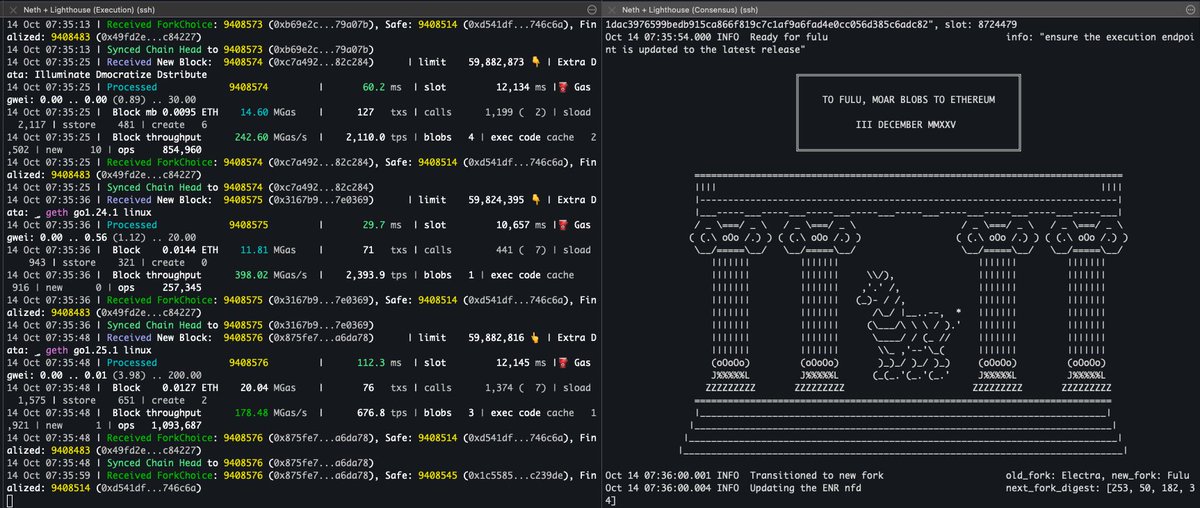
🚀 The @ethereum Sepolia Testnet has completed its fork and is now running seamlessly on the Nethermind Client.
Huge appreciation to everyone across the ecosystem - from client developers to researchers and DevOps crews - who made this happen.
Onward to Hoodi. ⚙️
Long time no see friends! FYI, Diva is alive, and the protocol is being stress tested in Hoodi private testnet with the help of amazing professional operators who have supported Diva since the beginning. Public testnet soon 👀
🎉 Congratulations to the @ethereum community and @ethereumfndn on the successful activation of the Pectra fork! Diva Staking is prepared to use the newly introduced features, such as supporting smart contract–triggered validator exits and new validator sizes for mainnet launch, enhancing validator performance and yield.
Pectra is live on Ethereum mainnet!
- Smart account wallet UX features now active
- L2 scaling data storage blobs increased by 2x
- Validator UX improvements live
Community members will continue to monitor for any issues over the next 24 hours.
After a few hiccups with the Holesky and Sepolia hardforks, we’re excited to share that #Hoodi has successfully forked. 🦾
Each successful testnet implementation gets us one step closer to the full Petra upgrade on mainnet!