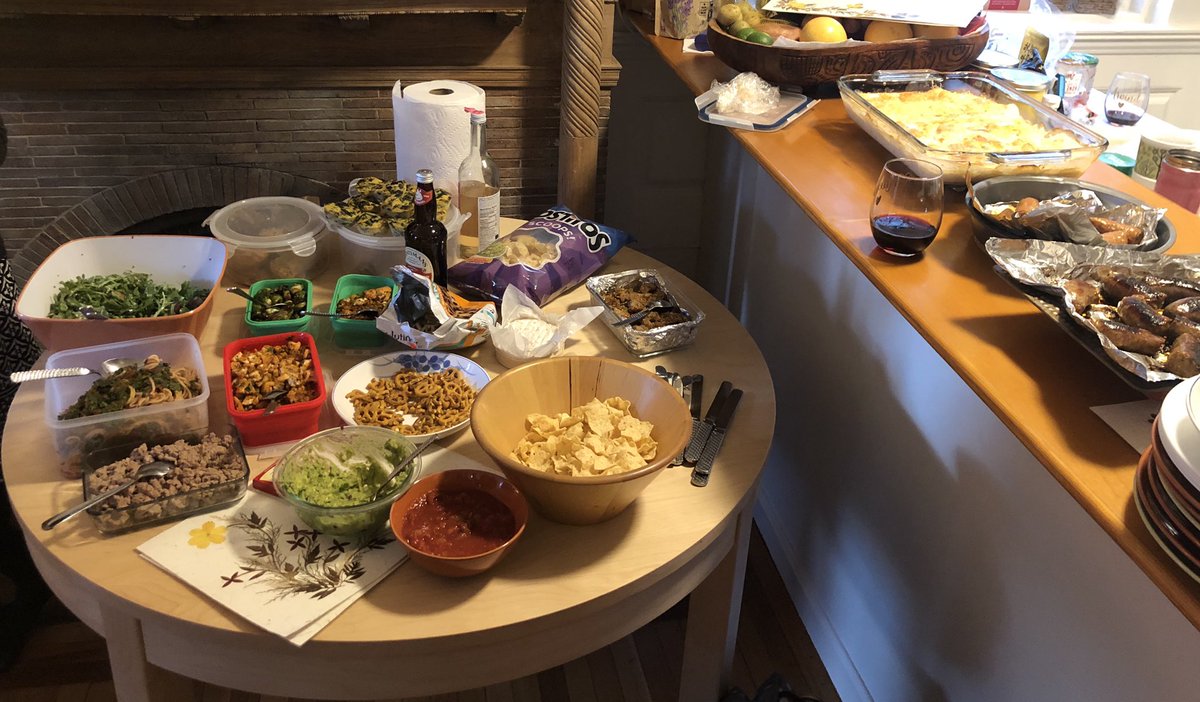
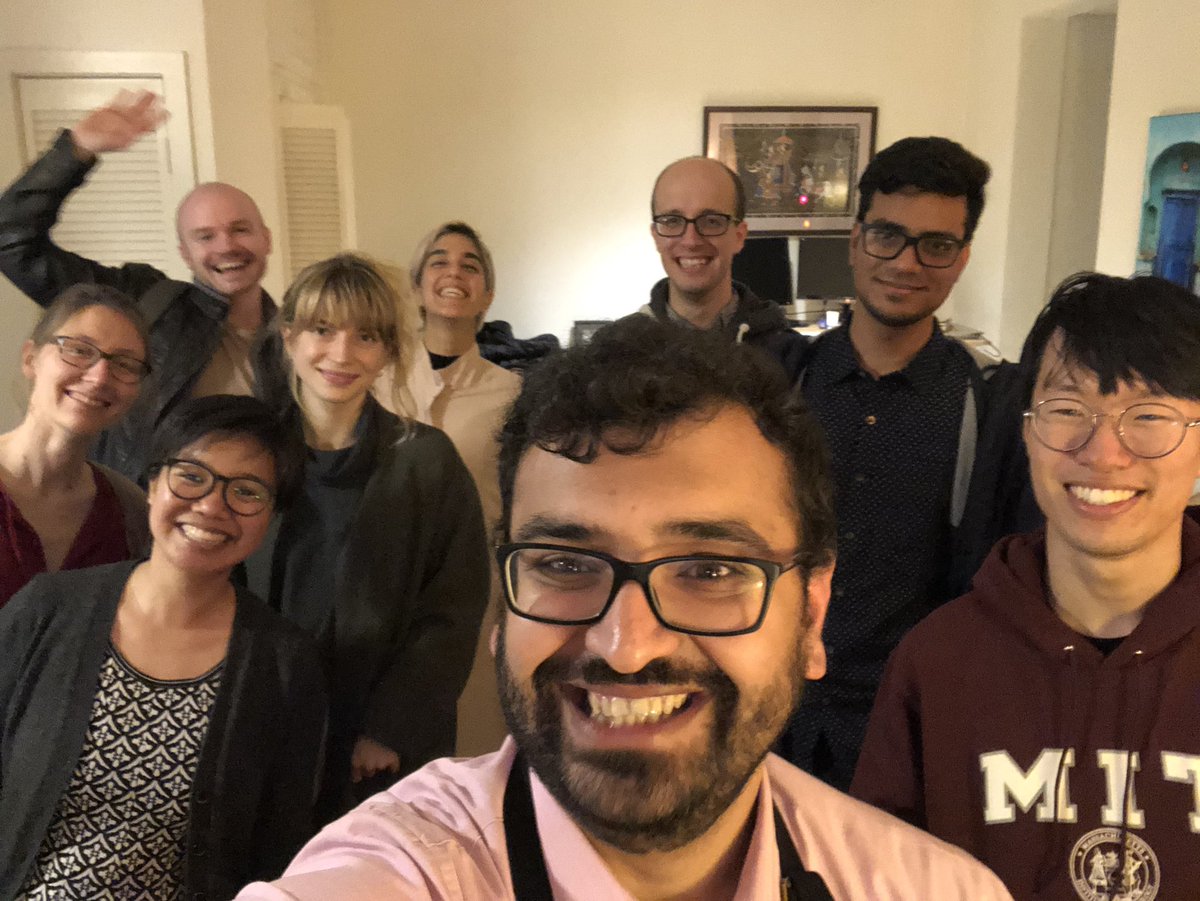
this is my place
quick lore: back in 2023 i was hunting for an apartment and couldn't find a single decent furnished one
so i took a leap of faith, bought this, and put a lot of work into it
every now and then i get to share it with awesome people from the blr startup community
The Myth of “Love Learning”
People often ask me how to get better at chess. My answer is almost the opposite of what people expect.
You don’t have to love learning.
In fact, if you wait until you love the process, you’ll probably never become very good.
We romanticize improvement. We imagine great players waking up excited to study endgames, analyze losses, or memorize opening lines. Sometimes that’s true. Most of the time it isn’t.
Improvement is often boring.
The difference between an amateur and a professional isn’t that the professional enjoys every minute. It’s that they keep going when they don’t.
People say children are fearless learners. I’m not so sure.
Children quit things constantly. Piano. Swimming. Languages. Football. Chess. They usually continue only because someone else insists they do. Parents. Teachers. Coaches.
Discipline often comes before passion, not after.
The same is true for adults.
We tell people to “follow your curiosity.” That’s wonderful advice if curiosity happens to last. Usually it doesn’t.
Every meaningful skill has a point where curiosity runs out and routine takes over.
That’s where improvement actually begins.
Chess certainly did not always feel like play to me.
There were tournaments where the last thing I wanted to do after six hours of defending a miserable endgame was analyze another five hours.
There were openings I studied not because they fascinated me, but because my opponents forced me to.
There were positions I analyzed simply because they were objectively important.
Not because they were fun.
Because they needed to be done.
People often criticize schools for asking the wrong questions.
But there’s another side to that story.
If everyone only studied the questions they found interesting, most people would develop huge blind spots.
Sometimes someone else knows what you need to learn before you do.
Nobody is naturally curious about tax law before becoming an accountant. Or anatomy before becoming a surgeon. Or rook endings before losing enough of them.
External structure isn’t always the enemy of learning.
Often it’s the bridge that gets you to the point where genuine curiosity develops.
The biggest obstacle isn’t fear of looking stupid.
It’s our addiction to doing only what feels rewarding today.
Modern life gives us endless opportunities to switch the moment something becomes difficult.
A new opening.
A new productivity system.
A new app.
A new hobby.
Very few people simply keep doing the same useful thing for years.
That’s the superpower.
So when people ask how to improve at chess, I don’t tell them to fall in love with learning.
Love helps.
Curiosity helps.
Being willing to fail helps.
But none of those are reliable.
Build habits that survive the days when none of those feelings are there.
Because mastery isn’t built on motivation.
It’s built on showing up after motivation has left the room.
"We couldn't get people to use it for free... and people openly mocked it," said Lukas Biewald (@l2k) about what would become a $1.7B business, his AI observability startup @wandb.
Luckily, Weights & Biases' first customer was a little-known business named OpenAI. After seeing his product up on monitors in their offices, Lukas thought, "Okay, this is good, even all I can do is help OpenAI, this is something to be proud of."
In the latest episode of Data Talks on the Rocks, I spent almost an hour with Lukas about his journey building one of the seminal startups in AI. In this wide-ranging discussion, we cover:
• Why his earlier AI labeling startup (CrowdFlower) was an example of being right but just too early
• How GitHub's founders inspired him to sell to developers
• What he saw as an unpaid intern at OpenAI before ChatGPT (hint: robots!)
• How he's now back coding and optimizing inference throughput with @karpathy's autoresearch
• Why robotics is a software problem, not a hardware one
Full link to interview in thread below.
Clawdbot's public skills repo is such a security nightmare, crypto scammers trying to get prompt injections in left and right. Today this 'axiom-agent' skill got thousands of downloads. (PSA do not run skills you haven't read through yourself completely!)
I've never felt this much behind as a programmer. The profession is being dramatically refactored as the bits contributed by the programmer are increasingly sparse and between. I have a sense that I could be 10X more powerful if I just properly string together what has become available over the last ~year and a failure to claim the boost feels decidedly like skill issue. There's a new programmable layer of abstraction to master (in addition to the usual layers below) involving agents, subagents, their prompts, contexts, memory, modes, permissions, tools, plugins, skills, hooks, MCP, LSP, slash commands, workflows, IDE integrations, and a need to build an all-encompassing mental model for strengths and pitfalls of fundamentally stochastic, fallible, unintelligible and changing entities suddenly intermingled with what used to be good old fashioned engineering. Clearly some powerful alien tool was handed around except it comes with no manual and everyone has to figure out how to hold it and operate it, while the resulting magnitude 9 earthquake is rocking the profession. Roll up your sleeves to not fall behind.
GDPR banners are exhausting. What a terrible user experience. It’s like being approached to sign a waiver at the entrance of every store you enter for the rest of your life.
Developing interactive time exploration capabilities in Rill Dashboards has been a journey of refining foundational concepts, defining flexible time ranges & handling complex time-related interactions.
In this blog, @djbarnwal shares our lessons learned.
https://t.co/YhYbkhdvR6
@_themousepotato@powersoffour Yeah, I worked on Iodide a few years back when it was in Alpha. Sad to see it's not being actively maintained. Nevertheless you can try out Deepnote (https://t.co/DXRPTIKAU0). They have some really exciting things to offer.