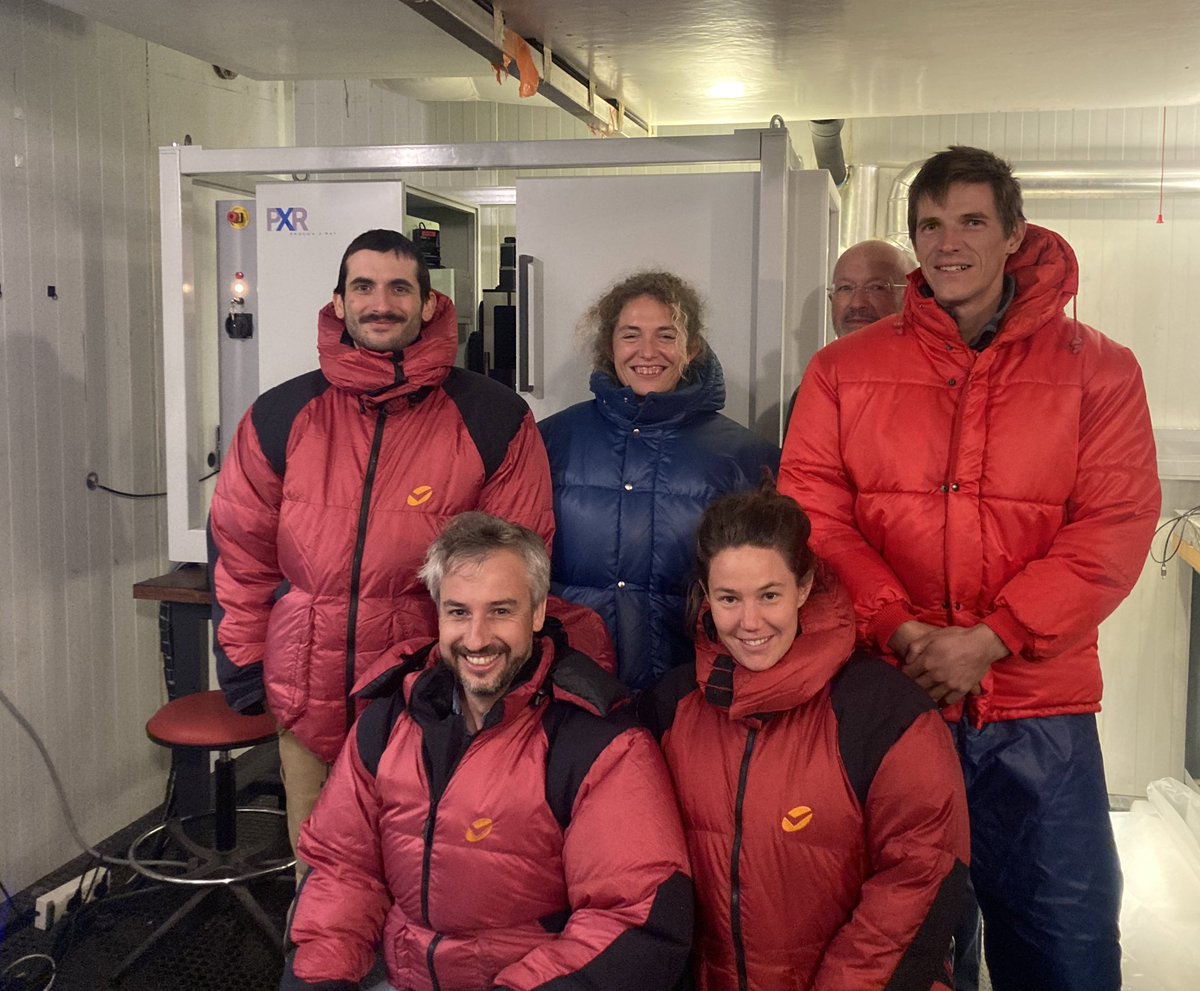
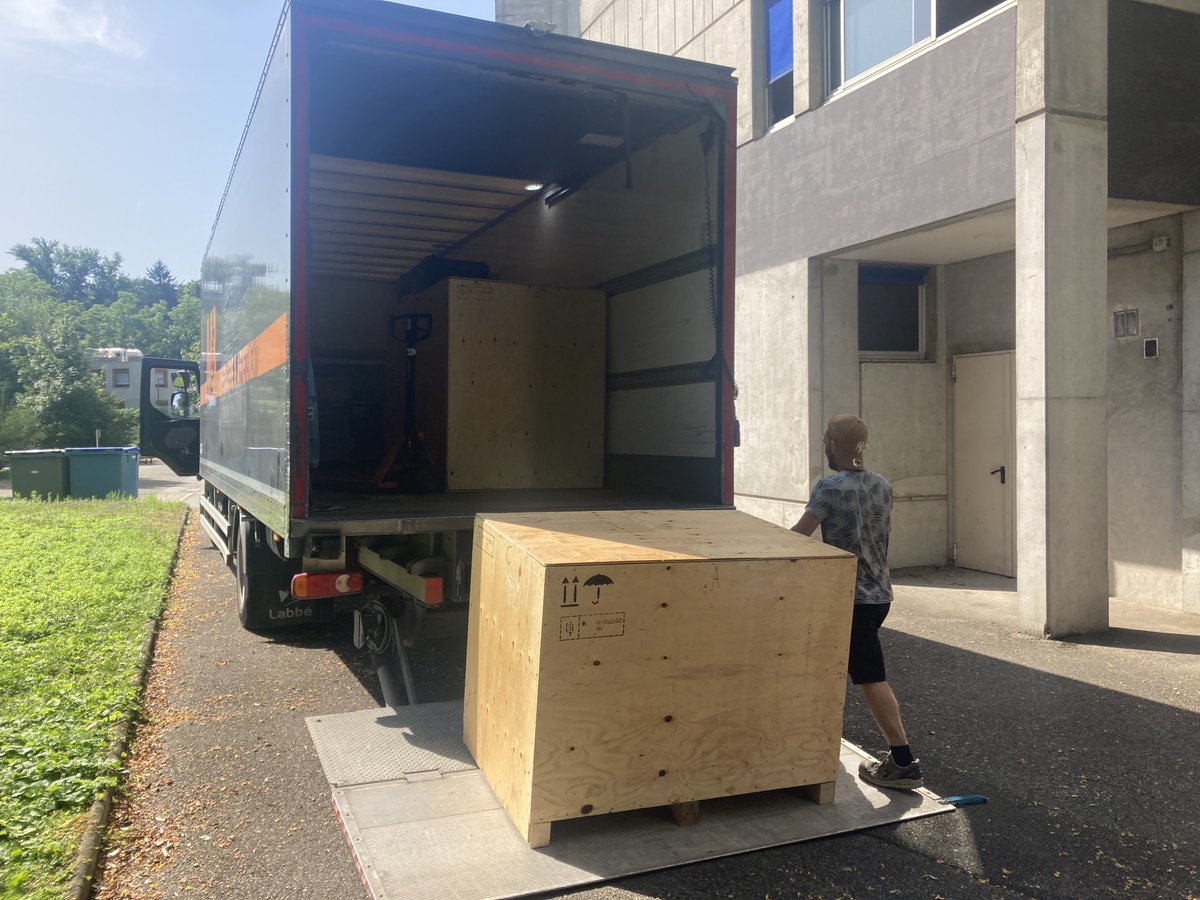
Our Ct scanner is almost ready to depart for #CHARS 🤞🏻🤞🏻🤞🏻🤞🏻 for the safe transportation and successful installation in the high arctic to discover the wonder of arctic snow microstructure
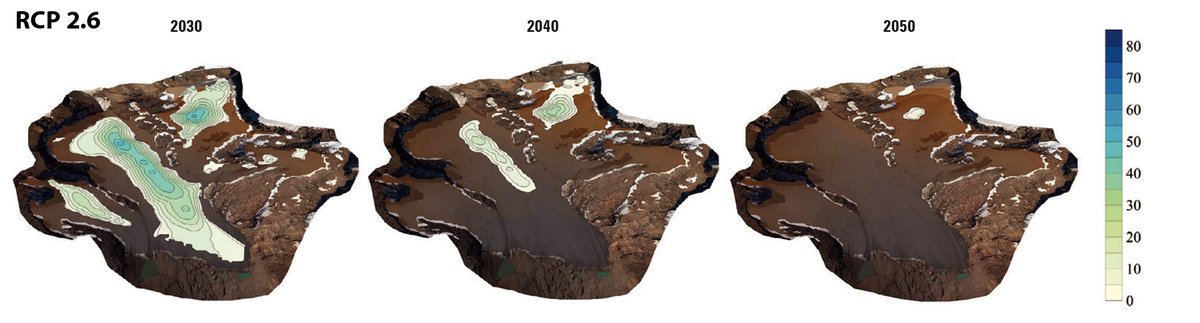
St Sorlin Glacier will disappear by 2050! 🥵😱
(much sooner than previously expected!)
This result is irrespective of the climate scenario used and it applies to most of the glaciers in French Alps (75%) whose accumulation area lies below 3400 m asl...
https://t.co/pYrCWZaOkP
New JOG paper!
“Snow and avalanche climates in the French Alps using avalanche problem frequencies” by Benjamin Reuter, Pascal Hagenmuller, Nicolas Eckert
--> https://t.co/iEEyW60oyI
@INRAE_Lyon_Gre @SLFDavos @meteofrance@CNRS@docmepra
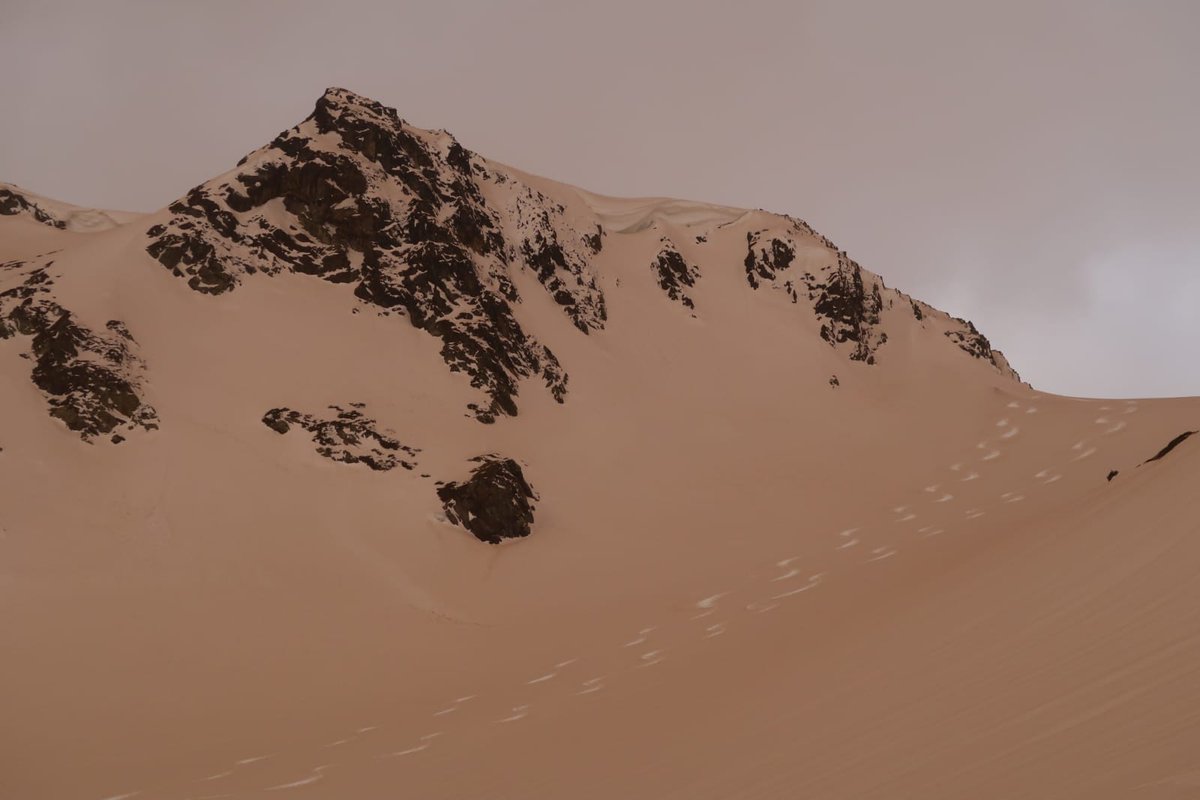
The 📷contest @ALPALGA1 2023-2024 is open! Hikers, trekkers, sportspeople, scientists, share your emotions in front of the red snows in mountains and subpolar regions! Help scientists to a 1st participatory census! With @kilianfound. Tell your friends! https://t.co/pKsoLFQgQB
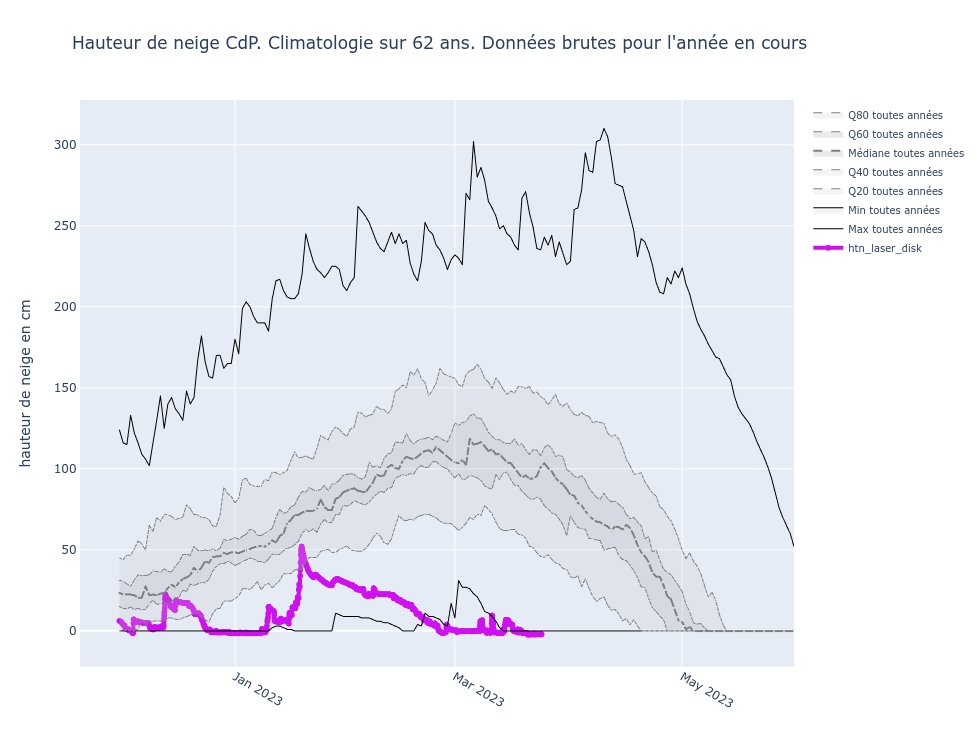
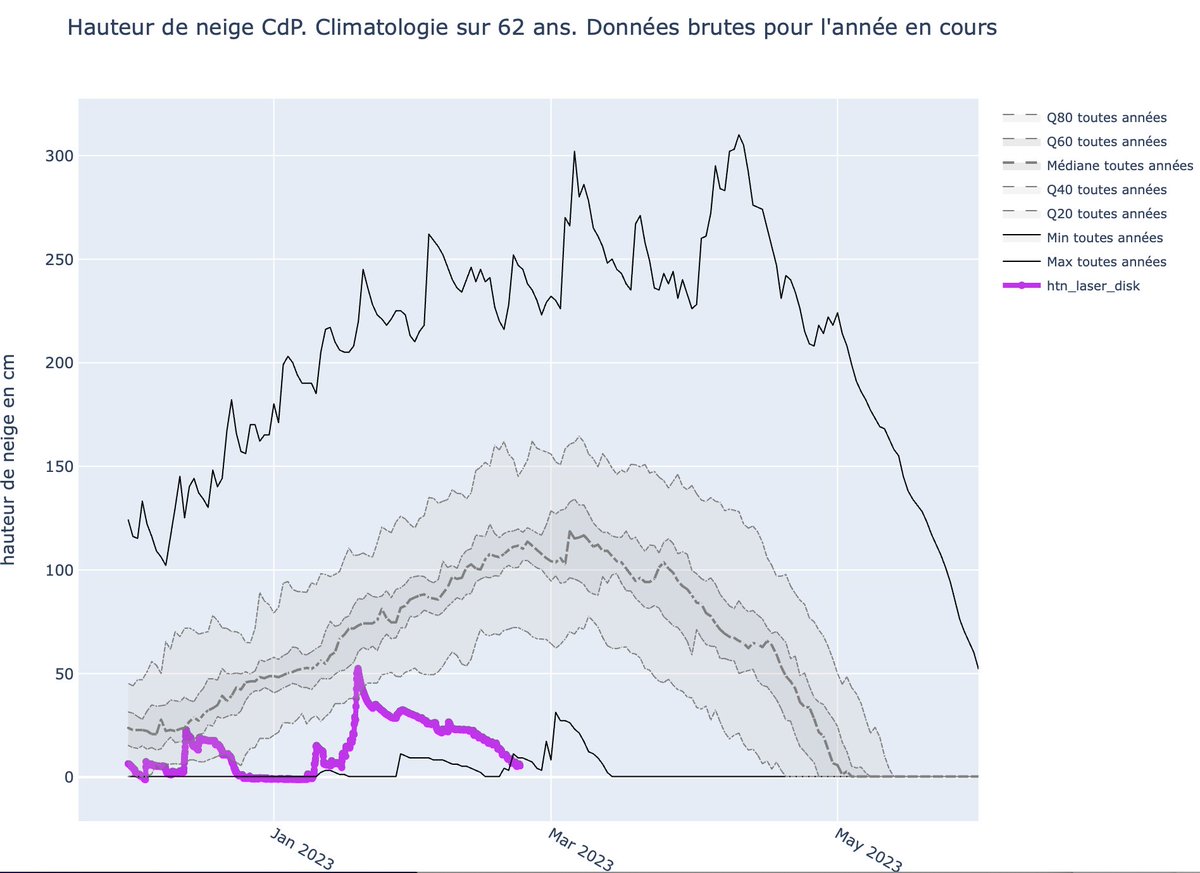
@Francois_Jobard L'enneigement est très déficitaire au col de Porte. Le max. saison 2022/2023 (48 cm) est pour l'instant le plus faible enregistré depuis 1958 (64 cm en 1989/1990). La hauteur moyenne sur l'hiver (01/12-30/04) est, à ce jour, à peine supérieure à la pire saison 1989/1990 (7.6 cm).
@marc_barbarossa@ivori_erc@mpneige@meteofrance @INSU_CNRS Il faut bien sur lire 20eme percentile (20th percentile) et non quantile, Cela signifie ici que 20% des années considérées ont connu une fin février avec moins de 65 cm de neige.
Bad year to collect snow for @ivori_erc, with one of the worst winters since 1960-1961 at Col de Porte (1325 m, France) in terms of snow depth. Typically for the end of February, the average snow depth is 110 cm, the 20th quantile is 65 cm, and now there is only about 6 cm.
Intéressé.e par l'instrumentation de pointe sur la neige à Météo-France ? Fait rare : un poste de technicien supérieur instrumentation (H/F) est ouvert en externe dans mon équipe au centre d'études de la neige. Détail et candidature ici : https://t.co/5oDxunHVlG
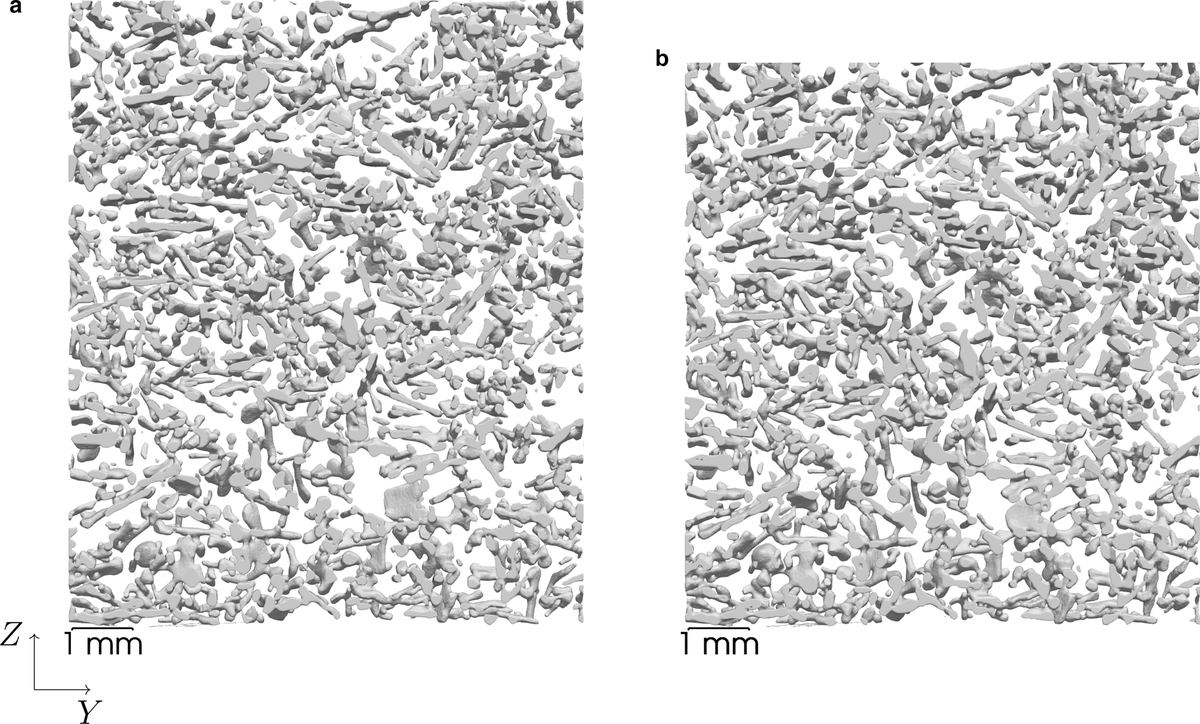
New JGLAC FirstView article! "Disentangling creep and isothermal metamorphism during snow settlement with X-ray tomography” by Antoine Bernard, Pascal Hagenmuller, Maurine Montagnat, Guillaume Chambon > https://t.co/sVLRlevRDc @CNRS @IGE_Grenoble @Univ_Toulouse@docmepra@egg_igs
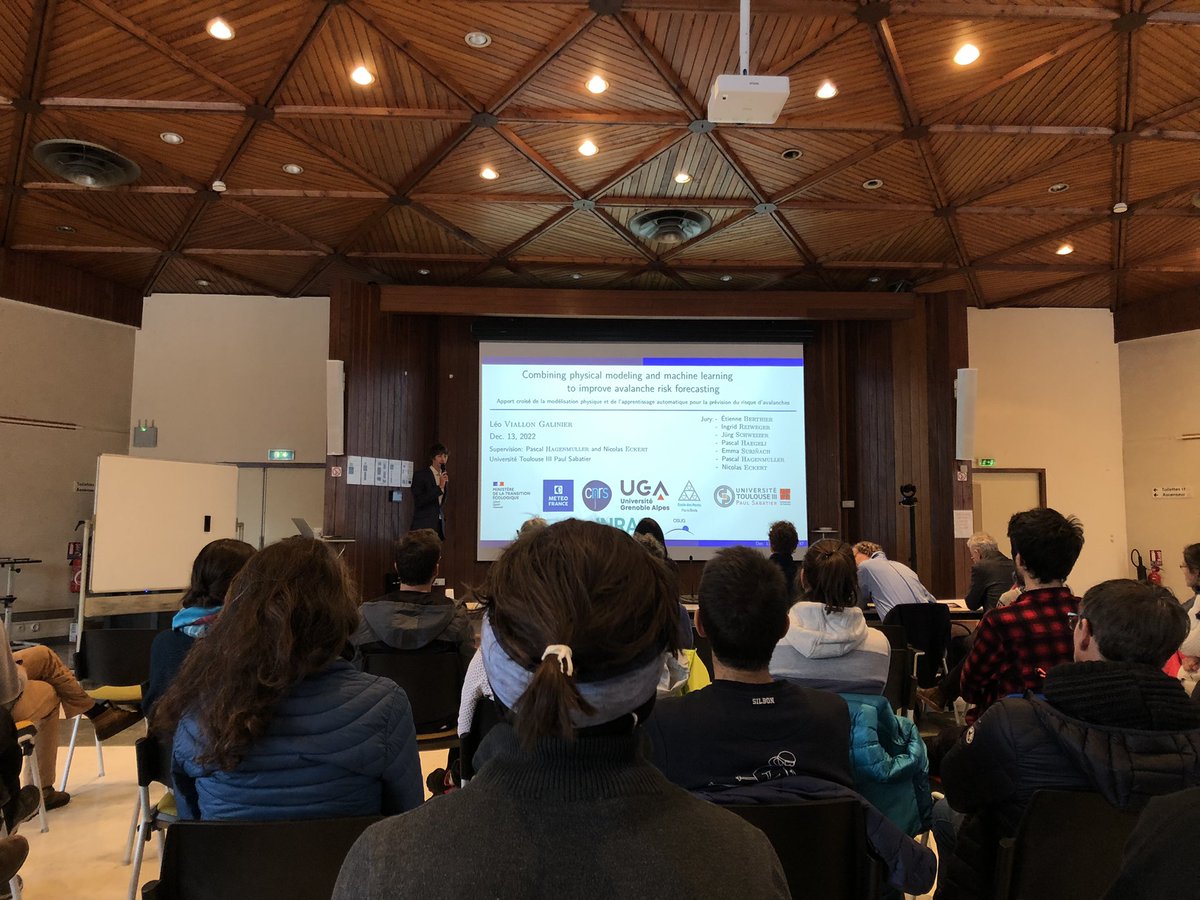
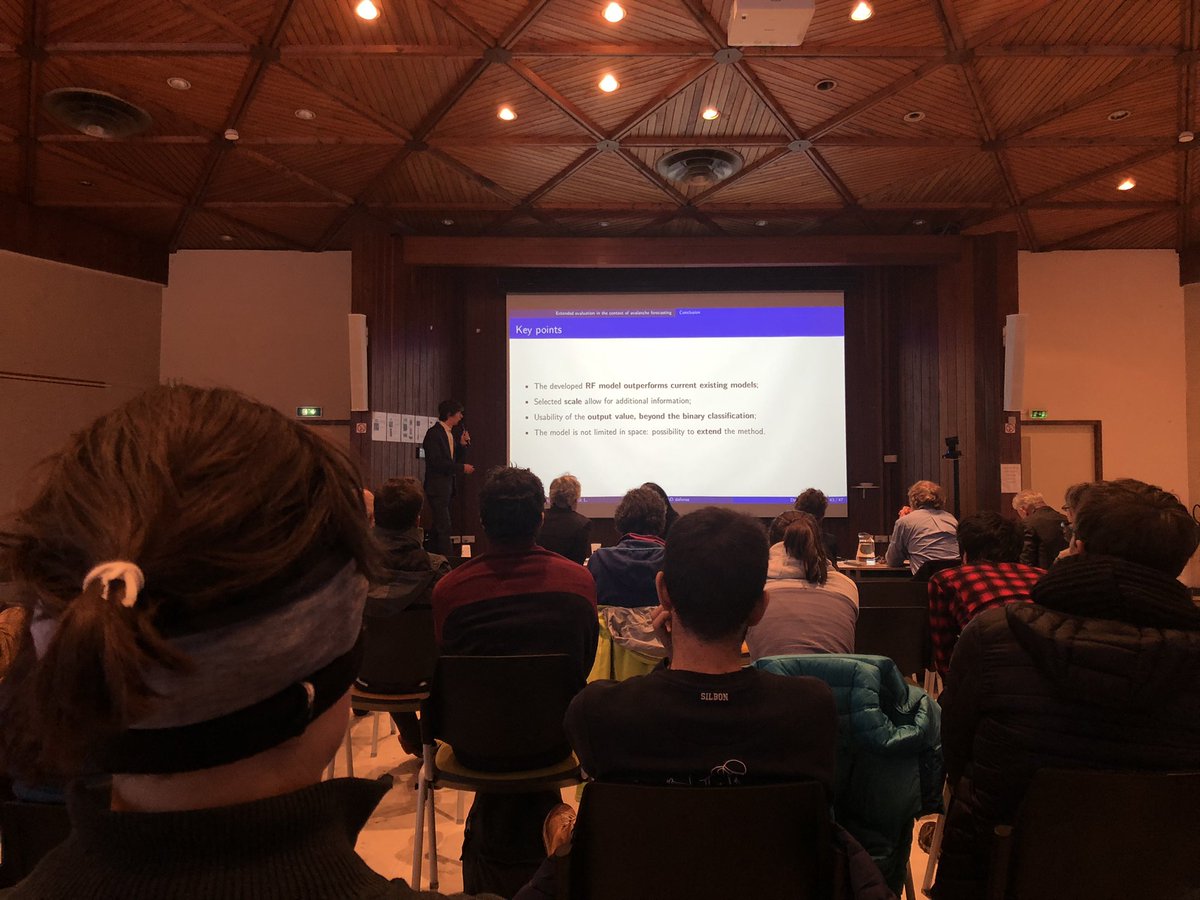
Brillant PhDdefense from Léo Viallon-Galinier on the use of physical modeling and machine learning for #snow#avalanche risk forecasting, supervised by @docmepra and Nicolas Eckert, CNRM/CEN and INRAE ❄️🏔 Exciting perpectives for operational avalanche risk forecasting ! 👏🏻
Hi snow and avalanches people 🏔️❄️⛷️
Wondering if dust deposition impact snow stability ?
Our attempt of answer here :
https://t.co/EvtbmBrrCo in discussion @EGU_TC
Worse than 2003: Swiss glaciers melted like never before
More than 6% or 3 km3 loss of ice during one single year! Simply incredible...
Check out media release by @scnatCH
https://t.co/5WsmFN31Cn
Time to unwrap the presents from @ivori_erc. Long-awaited tomograph #ProCon just arrived at #CEN#CNRM. Looking forward to using it to capture snow microstructure in the Alps (2022/23) and the Arctic (2023/24) #CHARS
Our journal was today officially launched at the #ICTMS conference, we look forward to support the #tomography community! Open access fees fully waived and the race is on for the first paper in the journal https://t.co/0kihBjA6Aw Please share/retweet
Abstract submission deadline to the IGS/SLF - Intl Symposium on Snow is fast approaching.
The symposium is being held in Davos, Switzerland
25 - 30 September 2022 at the Davos Congress Centre.
Submit your abstract ASAP and register your interest to attend.
https://t.co/o734b0sRlA