@piersmorgan@Cristiano They only won because he was subbed off plus the incorrectly disallowed croatia goal. And they gave your suuii the MOM. Pathetic.
@dom_lucre@CyberGreen09 Not all immigrant Americans live this life. Only a few who have worked their ass off all their lives, only a few hard working and intelligent ones live this life because most of them deserve it. Dont make it about race, work your ass off from earlyon. Dont be a lazy bum.
@bryan_johnson@chamath Good detailed public health information.
Please dont just listen to anyone and stop your medications, that is never good. Do your own research, reach out to specialists and your clinicians. Ask questions.
Definitely do not stop statins, and preventative LDL-cholesterole lowering therapies in general, based on these arguments, as they clearly misrepresent the facts.
The AMORIS study only showed that extremely low total cholesterol was negatively associated with the chance of becoming a centenarian (reaching 100 years of age) (observational association; not causal, and low total cholesterol can also reflect underlying illness in older adults).
Total cholesterol is different from LDL. Statins specifically lower LDL in the blood by increasing LDL receptor expression in the liver.
The points made here perpetuate a common misconception, often propagated by health influencers, which is mixing up the beneficial functions of a molecule (nearly all naturally occurring biological molecules have legitimate functions in cells, tissues, and organs) with the level of these molecules in the blood, abnormally high levels do not mean a particular molecule is doing its job better, for a simple example, think of glucose, it fuels the brain, too much would not cause your brain to function more, the contrary as it causes metabolic disease, diabetes, and even increases cognitive decline risk.
Cholesterol, and even LDL, have their legitimate functions, but these functions do not improve when the molecules are abnormally high in the blood. In fact, elevated LDL in the blood is often an outcome of defective liver uptake, frequently due to metabolic disease, and in rarer cases, solely due to genetics (familial hypercholesterolemia).
LDL is causally linked to cardiovascular disease, and lowering it reduces heart attack risks in patients with existing plaque. Mendelian randomization studies also show that lifelong exposure to lower LDL levels reduces coronary artery disease risk; a 38.7 mg/dL reduction correlates to over a 55% reduction in coronary artery disease risk. Moreover, loss-of-function mutations in PCSK9 lead to a 28% reduction in LDL and correlate to an 88% reduction in coronary heart disease.
The genetic variants with lower cholesterol share a similar mechanism with statin or PCSK9 treatments, in that they mainly lower LDL by increasing liver clearance.
The U-shaped relationship between LDL-cholesterol levels and all-cause mortality at a population level is likely driven by reverse rather than actual causation, since many aging and chronic disease drivers, including inflammation, malnutrition, cancer, and liver disease, can all contribute to lowered levels of lipoprotein.
Contrary to the observational data, a large meta-analysis showed that more intensive statin regimens and further reductions in LDL cholesterol produced further reductions in heart disease events and death risk. 20% reduction in coronary heart disease death and 10% reduction in all-cause mortality per 1 mmol/L (38.7 mg/dL) LDL-C reduction across trials.
With that said, you might want to reconsider statins in the following cases:
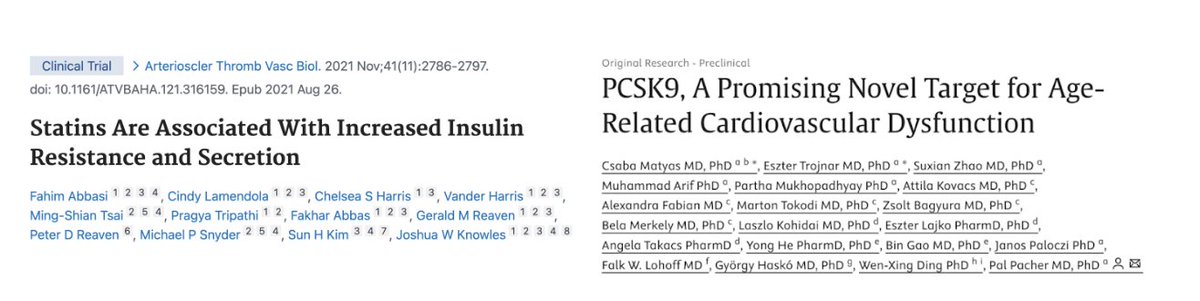
A severely lowered LDL coupled with partially increased blood glucose can be a sign of cholesterol "overmedication." The same mechanism that leads to increased clearance by liver uptake also works to increase LDL uptake by pancreatic islet cells. Preclinical evidence shows that overmedication to lower blood LDL can lead to disrupted pancreatic islet functions and insulin secretion, and increased blood glucose (In humans, statins are associated with a modest increase in diabetes risk overall; this is not reliably diagnosed by “LDL too low,” and risk is most evident in predisposed individuals).
Consider swapping to PCSK9 inhibitors. This is a well-established injectable (once every month or every two weeks) class of biologics (recombinant monoclonal antibodies targeting PCSK9 and preventing its effect in degrading the LDL receptors in the liver). PCSK9 inhibitors have shown added protective effects in lowering cardiovascular disease risk even in patients already on statins. They also have a speculative anti-aging mechanism since circulating PCSK9 has been shown to increase with aging. While they can also plausibly interfere with the pancreatic islets and cause similar disruption seen with statins, there is no evidence yet to date of PCSK9 inhibitors increasing diabetes risk, such as evidence exists for statins (major outcomes trials have not shown a significant increase in new-onset diabetes over ~2–3 years of follow-up).
If your HDL is too low, you need to pursue strategies to increase it, including exercise, healthy diets rich in MUFA and Omega-3 fats and fibers, avoiding added sugar and refined carbs, and abstaining (or seriously cutting down) on alcohol.
If you are experiencing muscle ache and discomfort with statins, this is also a strong reason to switch. While the more acute form of muscle degeneration is very rare and would have been detected earlier as you began your statin therapy, lower-grade muscle aches are common in statin users. Changing to PCSK9 inhibitors, or other medications like ezetimibe (a cholesterol absorption blocker), can also help.
Personally, I am currently on Repatha, a PCSK9 inhibitor, as I replaced statins after noticing they slightly increased my blood glucose.
Married 23.
Completed residency 27.
First child 28.
Fellowship of All India Collegium of Ophthalmology (Glaucoma) 29.
Second child 30.
Fellowship of International Council of Ophthalmology 33.
Royal College of Surgeons 36.
Marriage doesn’t impede your career. #MedTwitter