IDSA has released a new consensus statement on initial antifungal treatment of severe histoplasmosis in adults, children, and pregnant individuals: https://t.co/lZNCPAFdYM
🔥🔥Back online🔥🔥
IDSA/ESCMID 2026 Guidelines on Staphylococcus aureus Bacteremia: Risk Stratification, Diagnostic Evaluation, and Management of Adults and Children Part-1
#IDXposts
https://t.co/X1kOKsrVfg
🔥Just published 🔥
Infective Endocarditis: Diagnosis, Antibiotic Therapy, and Management: A Scientific Statement From the American Heart Association #idxposts#IEWiki
https://t.co/0yXAfs4X6X
Thanks @Inox94
🆕🔥🟢Excellent review article
Carbapenemases: epidemiology, detection and management in a changing global landscape
🔺Carbapenemase classification.
🔺Characteristics of key carbapenemase families
🔺Geographic distribution
🔺Guideline-based treatment recommendations https://t.co/BeayHLiePW
SEPSIS 2026: Consenso internacional multidisciplinario, con 164 expertos de 22 países, establece 40 recomendaciones en siete áreas fundamentales del manejo de la sepsis. 🩺 https://t.co/VTSsEl6o1z @ClinicaNavarra
Wow—this is an amazing, comprehensive review! 🤩
They explore the origin and history behind the names of virtually every antibacterial and antifungal.
🆕🔥🟢 Review | #OFID
What’s in a Name? Etymology and History of Antibacterials and Antifungals
There are so many tables! 📚
I summarized them into 2 infographics 🦠🍄
Check it out! ✨👇 https://t.co/ixn75vkSoF
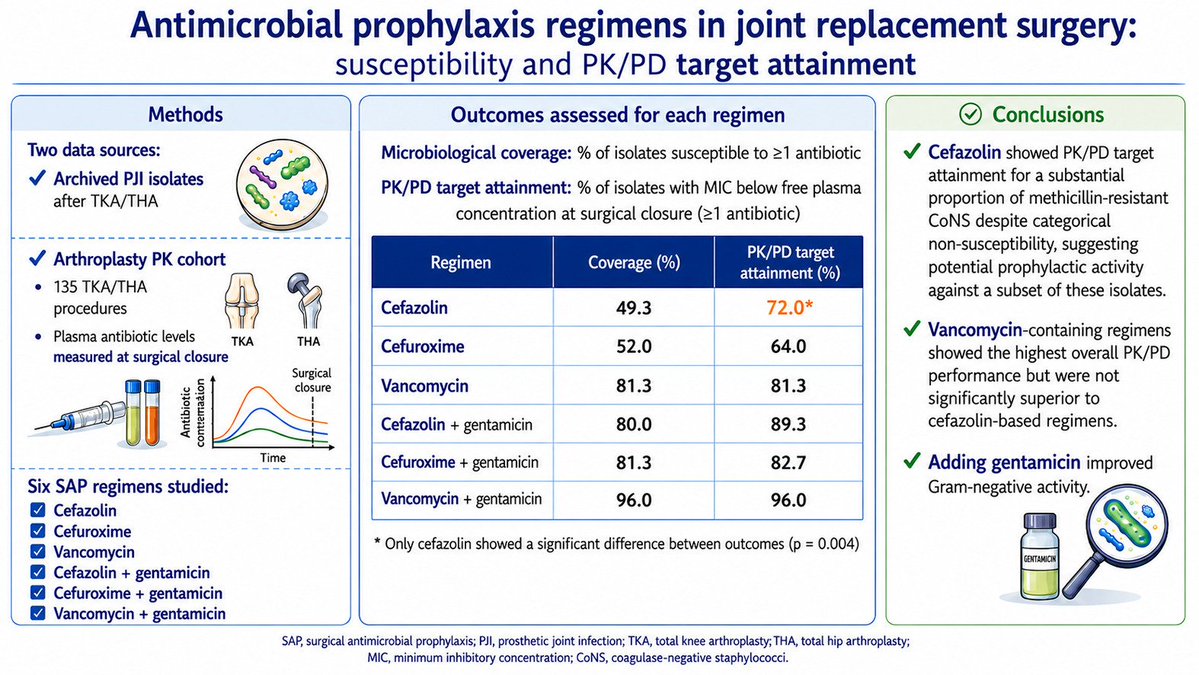
🆕💥🟢Antimicrobial prophylaxis regimens in joint replacement surgery: susceptibility and PK/PD target attainment
🔺Intraoperative cefazolin plasma concentrations exceeded the MIC of a substantial proportion of methicillin-resistant CoNS, suggesting potential prophylactic effect despite in vitro methicillin resistance
🔺For cefuroxime, patterns were similar: PK/PD target attainment occurred among methicillin-resistant CoNS, although less often than with cefazolin (36.8% vs 68.4%; p=0.051), consistent with higher cefuroxime MICs
🔺Vancomycin-containing regimens had the highest PK/PD performance but were not significantly superior to cefazolin-based regimens
🔺Gentamicin improved activity against Gram-negative bacilli in all regimens
https://t.co/kLgJB0omnV
Alpha-gal syndrome is an IgE-mediated delayed hypersensitivity to galactose-α-1,3-galactose (alpha-gal), a carbohydrate found in mammalian meat but absent from human tissue. 👉 https://t.co/u7gdEwOjIP
The condition is initiated by exposure to alpha-gal through tick bites, particularly those from the lone star tick (𝘈𝘮𝘣𝘭𝘺𝘰𝘮𝘮𝘢 𝘢𝘮𝘦𝘳𝘪𝘤𝘢𝘯𝘶𝘮), which can lead to sensitization. Patients with alpha-gal syndrome can present with a broad spectrum of clinical features that ranges from isolated gastrointestinal symptoms to cutaneous manifestations (e.g., urticaria, pruritus, and angioedema) and severe systemic reactions, including anaphylaxis and, in rare cases, death from cardiovascular collapse. Delayed onset of symptoms (3 to 8 hours) after consumption of mammalian meat products is a notable distinction from other foodborne allergens. Alpha-gal syndrome can develop several weeks after the initial tick exposure, and 𝘈. 𝘢𝘮𝘦𝘳𝘪𝘤𝘢𝘯𝘶𝘮 has become more common in the northeastern United States during the past decade — a factor that increased recognition of the alpha-gal syndrome, expansion of diagnostic testing, and the geographic expansion of tick vectors. The Centers for Disease Control and Prevention has estimated that alpha-gal syndrome might have developed in 96,000 to 450,000 persons in the United States since 2010.
Learn more about the alpha-gal syndrome in “A 38-Year-Old Man with Abdominal Pain,” a Case Record of the Massachusetts General Hospital, by A.A. Ahonkhai et al.: https://t.co/u7gdEwOjIP
A 54-year-old Brazilian farmer presents with a 2-month history of intensely pruritic lesions on his feet after working barefoot in a pigsty.
What is the most likely diagnosis? 🤔
A) Tungiasis
B) Cutaneous larva migrans
C) Chromoblastomycosis
D) Mycetoma
Wow, this is the review article I’ve been waiting for!
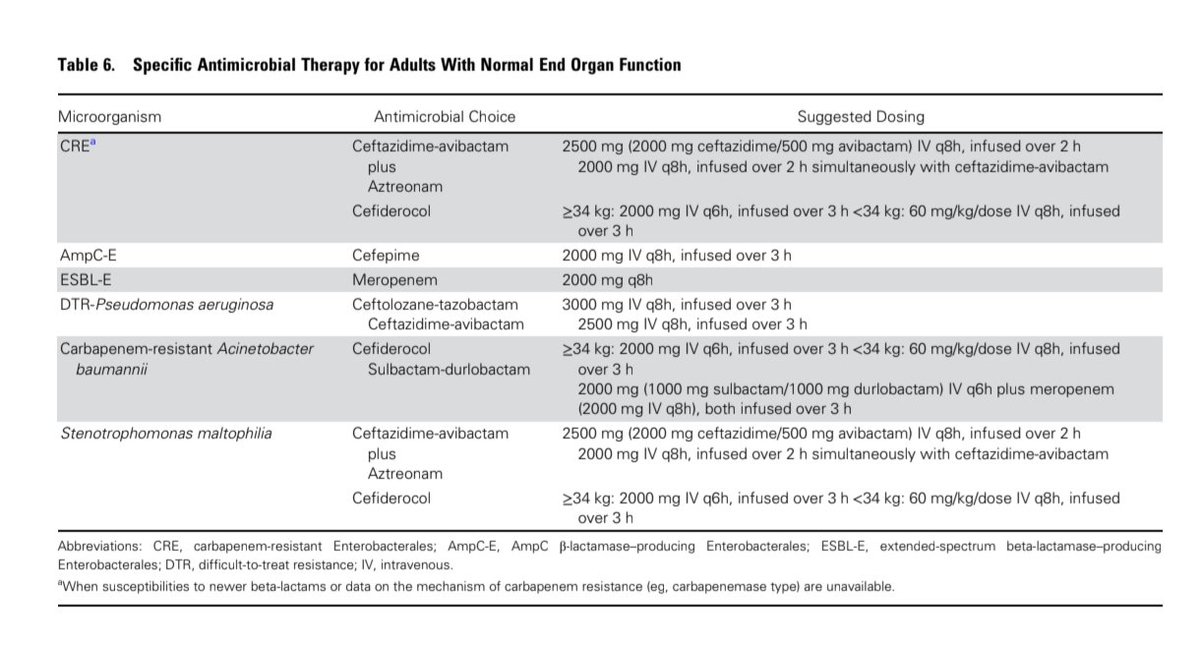
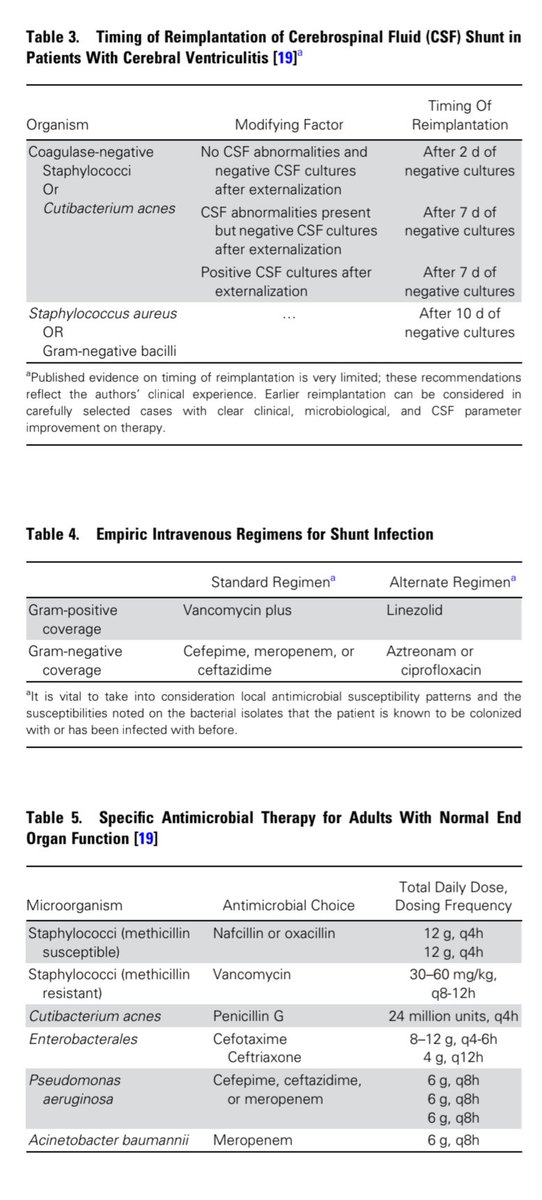
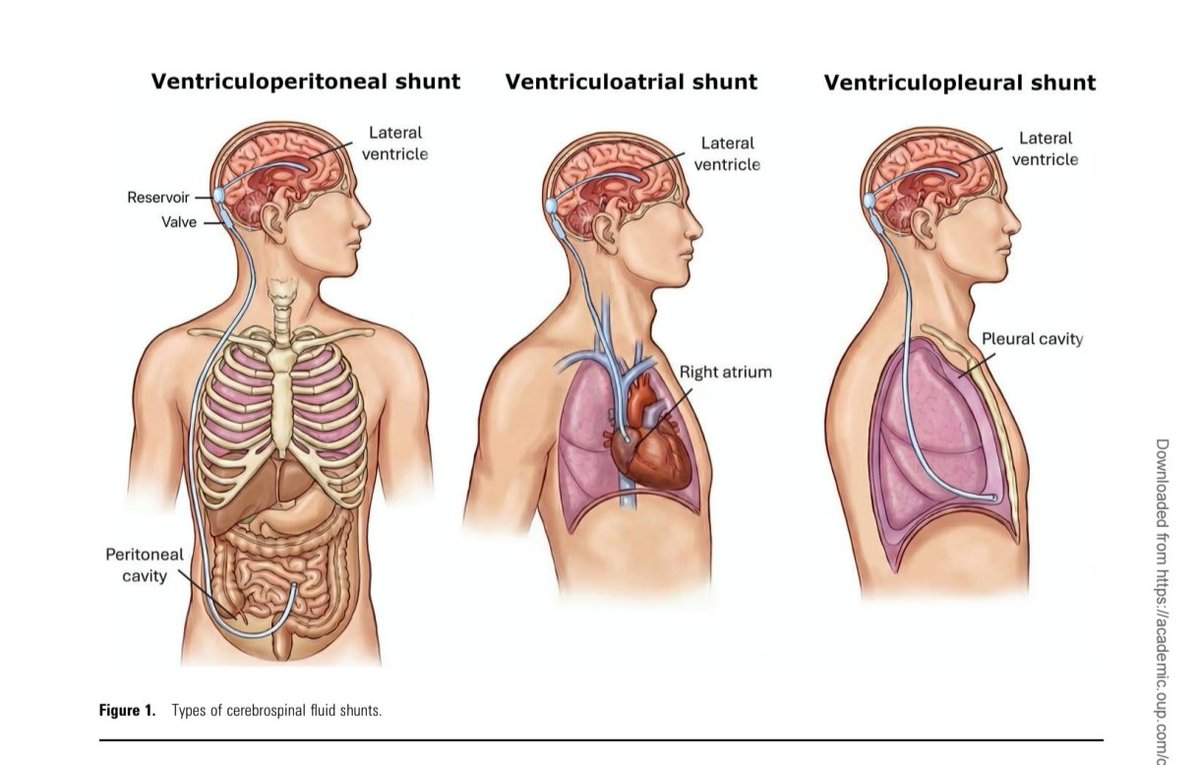
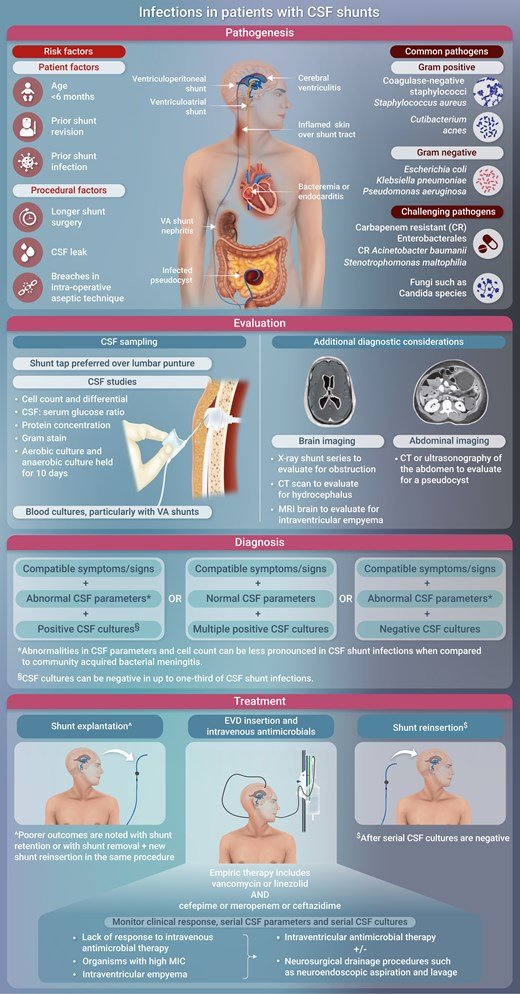
🆕🔥🟢State-of-the-Art Review: Infections in Patients With Cerebrospinal Fluid (CSF) Shunts #idxposts#bookmark https://t.co/63hVilBXlY
New #IDSAGuidelines!
IDSA has released updated evidence-based recommendations on the prevention of invasive aspergillosis in adult solid organ transplant recipients: https://t.co/yYl8psAqN0
🔥Our article in EJHP is now published🔥🌟s @drgabx@BradSpellberg
“Universal high-dose meropenem for antimicrobial-resistant Gram-negative infections: evidence or overreach?”
We argue that the IDSA AMR guidance recommendation for universal high-dose meropenem (2 g IV q8h as 3h EI) for all infections other than uncomplicated cystitis is largely based on PK/PD extrapolation & expert opinion without supporting clinical outcomes data.
https://t.co/zhFI8w6Bws
La BACTERIEMIA por #Enterococo#faecium 🩸⛓️ es un RETO por su resistencia intrínseca a #Betalactamicos 🧬🛡️
En @TheLancet REVISIÓN y Consenso Delphi de expertos 📚🤓 sobre:
♦️R a vancomicina⚠️
♦️Hemocultivos seguimiento🩸🗓️🩸
♦️Tratamiento óptimo💉👌🏻
🔗🆓https://t.co/RHLu5m9htr
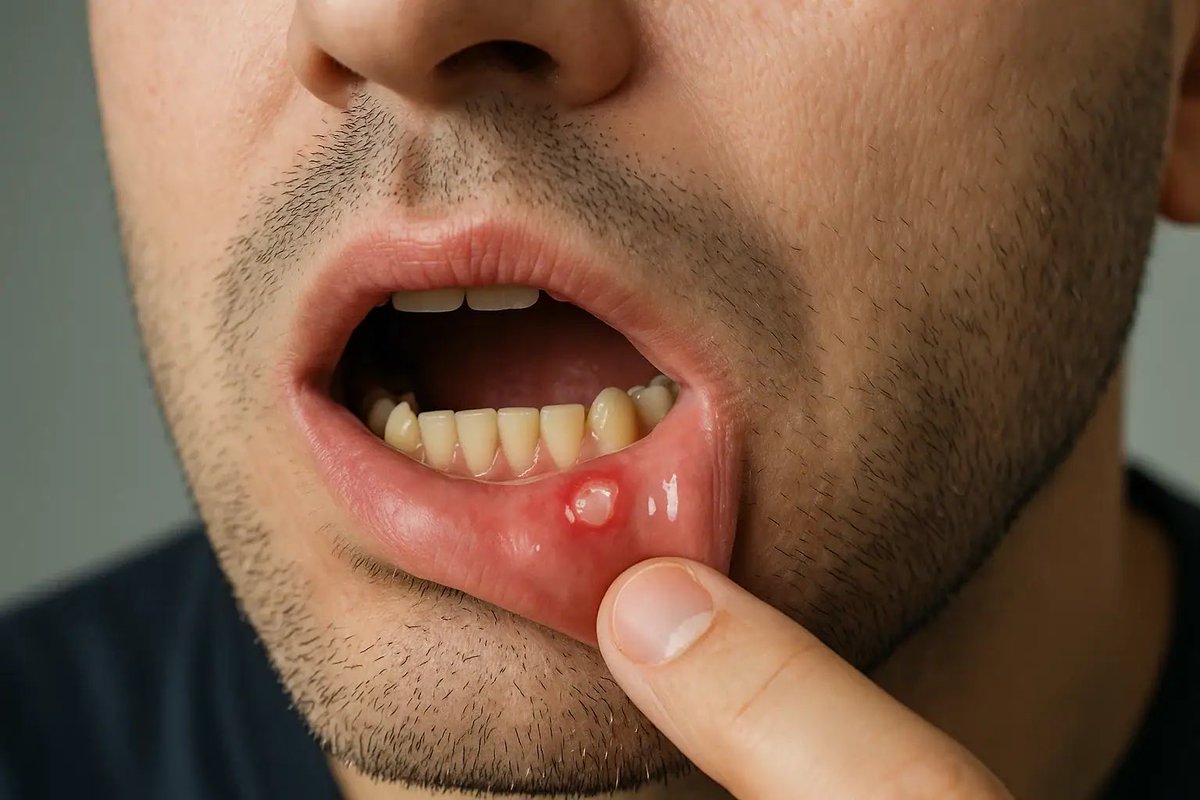
A patient with “recurrent mouth ulcers” walks into your OPD
Most get symptomatic treatment
Few get evaluated properly
And almost everyone assumes
“Mouth ulcers = vitamin deficiency”
Reality?
Recurrent aphthous stomatitis is primarily a T-cell mediated disease
Let’s decode what we’re actually missing 👇