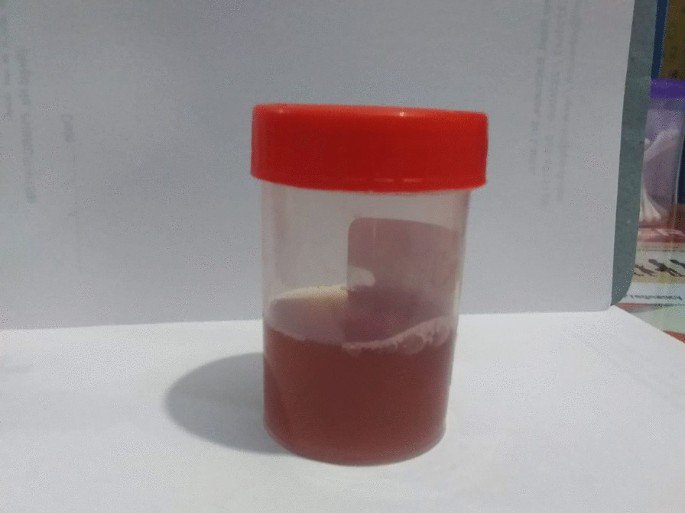
Before your kidney function test ( BUN & Creatinine). Follow these steps for more accurate results.
1. Drink a lot of water ( dehydration can raise creatinine and lower eGFR)
2. Avoid very high- protein food such as meat in the 12-24 hours before the test ( Cooked meat can temporarily increase blood creatinine levels)
3. Avoid strenuous or high-intensity exercise for 24–48 hours beforehand, as it can raise creatinine from muscle breakdown.
4. Inform the lab and your doctor about all prescriptions, over-the-counter drugs, vitamins, herbal products, and supplements.
@g_diets_ Many women with PCOS may have normal fasting glucose but still have elevated insulin or post-meal blood sugar spikes.
Glycemic testing like Fasting blood sugar or HbA1c helps to detect impaired glucose tolerance. OGTT may be used as an alternative.
As a Medical Laboratory Scientist, here’s how to prepare for the most reliable lipid profile (commonly known as cholesterol test):
1. Have an overnight fast of 9–12 hours (from your last meal the night before until the blood draw).
2.Avoid alcohol for at least 24 hours — it can sharply raise triglyceride levels.
3. Skip intense exercise the day before and on the day of the test — it can temporarily change lipid levels.
3. Eat a normal dinner (avoid heavy, fatty, or sugary meals) — recent high-fat or high-sugar intake can elevate triglycerides and affect calculated LDL.
4. Inform your doctor and the lab of all supplements and medications you’re taking — some can interfere with results.
5. Get good sleep and avoid smoking — both can temporarily alter lipid values.
Most people get inaccurate home blood pressure readings. Do these 6 things instead
1. Avoid caffeine, exercise, and smoking for at least 30 minutes.
2. Sit comfortably for at least 5 minutes with your back supported.
3. Rest your arm on a table so the cuff is at heart level.
4. Place the cuff directly on bare skin (not over clothes).
5. No talking, moving, or laughing.
6. Take at least two readings, 1–2 minutes apart, and find the average.
#BloodPressure
#Healthtips
Your doctor asked for a urine routine examination ( Urine R/E) test while you are on your menstrual period or have bleeding issues? Don’t hide it.
Menstrual blood in the urine sample can:
1. Look like urinary tract bleeding
2. Show protein (mimicking kidney disease)
3. Show white cells (looking lik a UTI)
Always tell the lab if you’re menstruating or have any bleeding. It keeps your results accurate.
@DrTedros It is very important to stay hydrated during this period ( drink 6 to 8 glasses of water daily) . This will help prevent the risk developing chronic kidney diseases.
Most people use herbal products believing they will cure diabetes without medical advice. This often results in complications, eventually leading to leg amputation.
Kindly consult your physician before taking any medication.