PCOS is now PMOS, and it's one of the leading causes of female infertility.
After 14 years, 56 global organizations, and input from 14,000+ patients and clinicians, The Lancet has officially renamed PCOS to Polyendocrine Metabolic Ovarian Syndrome (PMOS).
The old name sent everyone chasing "cysts" — when the real drivers are insulin resistance, androgen excess, impaired glucose metabolism, and elevated cardiovascular risk.
This was never a gynecological condition with metabolic side effects. It's a metabolic condition with gynecological consequences.
PMOS affects 1 in 8 women. Up to 70% go undiagnosed.
Join Dr. Heather Leidy and me on May 21 for webinar providing overview and practical applications of the new Dietary Guidelines. Sponsored by IAFNS and providing CME credits for dietitians. Register here: https://t.co/9klAtne42j
@MegynKellyShow Both myself and @donlayman were there as they announced the new guidelines. Both of us had been working towards this for quite some time in different ways. There is still so much to discuss and understand.
The American Heart Association was the first group in the world to proclaim saturated fat is bad for health (in 1961). So of course it's are not backing down. Even reject full-fat milk and normal cheese--due to sat fat content--ignoring the last 15 years of science to the contrary. An illustration in the intransigence of bureaucracies
1/
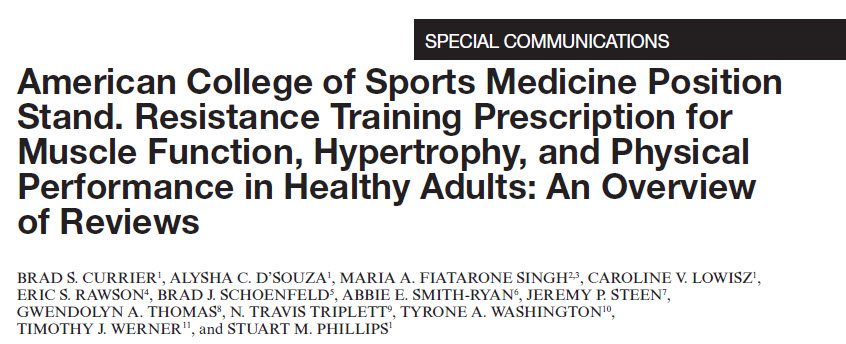
Big update in exercise science: ACSM has revised its resistance training Position Stand for the first time since 2009. That is a 17-year gap, and a lot has changed. 🧵https://t.co/Vk3yQj3Rmp
So true. When we published the first higher protein low carb diets in 2003 we went through 2 years of bias reviewers at AJCN. Finally published in Journal of Nutrition
When you challenge the status quo—in this case by showing that animal products are actually highly nutritious—it can be hard to get into top scientific journals. We went through 3 rounds of review at Nature Food and 2 at Nature Communications yet both rejected this paper.
The Dietary Guidelines are finally aligned with the science. Prioritize protein & balance Carbs and fats for muscle health. @DrGabrielleLyon has been a leader in muscle-centric health &her new book The Forever Strong Playbook is the essential roadmap https://.drgabriellelyon.com
Interesting question. Protein quality reflects the content & digestibility of 9 EAAs from foods under defined conditions. Glycemic Index reflects potential of different foods to impact blood glucose. PQ precedes GI by about 100 yrs
The protein quality Hub also features our EAA-9 calculator for determining % of RDA for each EAA in a food, meal or diet. The paper provides website & examples. Try it out. Have fun
Our new paper (https://t.co/9aouRNH6DW) introduces our open access website for protein quality. We have captured all public available protein quality data. Hub allows for calculations for over 7000 foods & ingredients
Makary says the data linking saturated fats to heart is weak. True! So many scientists have published on this. I ask you to find a paper that justifies the specific 10% numeric cap.
Control of pre-diabetes and T2D is more about reducing Carbs but you need to replace the calories. IMO increasing protein has many advantages over increasing fat. So higher Prot & reduced Carbs proven effective
@donlayman Thanks Dr layman, India is protein deficient in a big way, the wrong kind of messaging like that post will push people into more health crisis
@donlayman Dearest Professor: You are in my head at every first meal, telling me to get that thirty-forty grams high quality protein. Late sixties, female—your sharing your findings has made all the difference and I thank you from the bottom of my heart!
Protein only triggers phase I insulin release to support protein synthesis, glucose triggers phase II for glucose disposal. Prot replacing Carbs gram for gram reduces insulin release by 75%. Carb intake determines the outcome not protein
Protein triggers insulin.
Who will tell this to the protein propaganda bros in India promoting over-consumption of protein to an Indian population genetically pre-disposed for insulin resistance, and also causing a unnecessary demand spiking protein prices (like eggs and milk) risking the public health of already protein deficient poor people among us?
Eat unnecessary amount of proteins now and, as an Indian, you may end up with diabetes later. So always better to moderate consumption of all nutrition - cut on refined, processed carbs, take only required lean protein for your health needs, increase fiber, vitamins, and minerals by eating more vegetables.
And most importantly, don't fall for health fads from foreign lands parroted by colonized minds telling you "our food is bad, our ghee is bad, our coconut oil is bad, our breakfast is bad so follow this new fad" etc just like that. Think for yourself before going for any fad.
Elizabeth, thank you. That material was not part of DGA and frankly is a huge mistake by a staff person. We published the correct information in JAND (https://t.co/4fJAjlRwST) and in the actual DGA report, Appendix page 362, Tables 1 & 2. We are working with HHS staff to get this corrected. Thanks
@donlayman I understand your point about the protein ounce equivalents when it comes to plant foods, but they are saying that 1 egg has as much protein as 3 ounces of meat, chicken or seafood. That is incorrect.