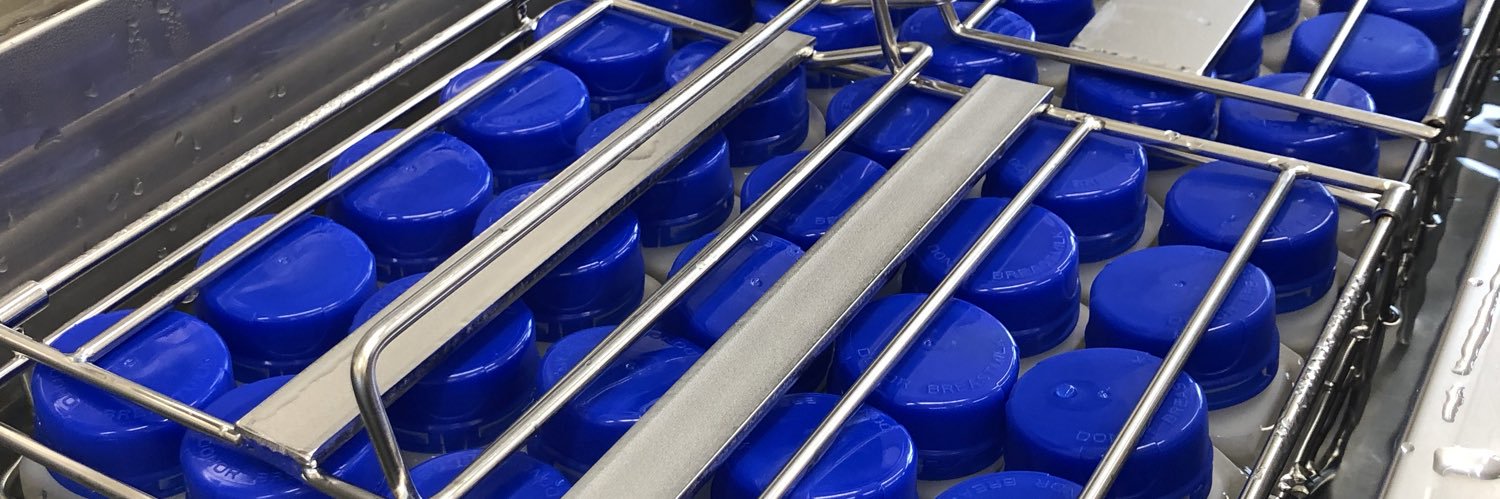
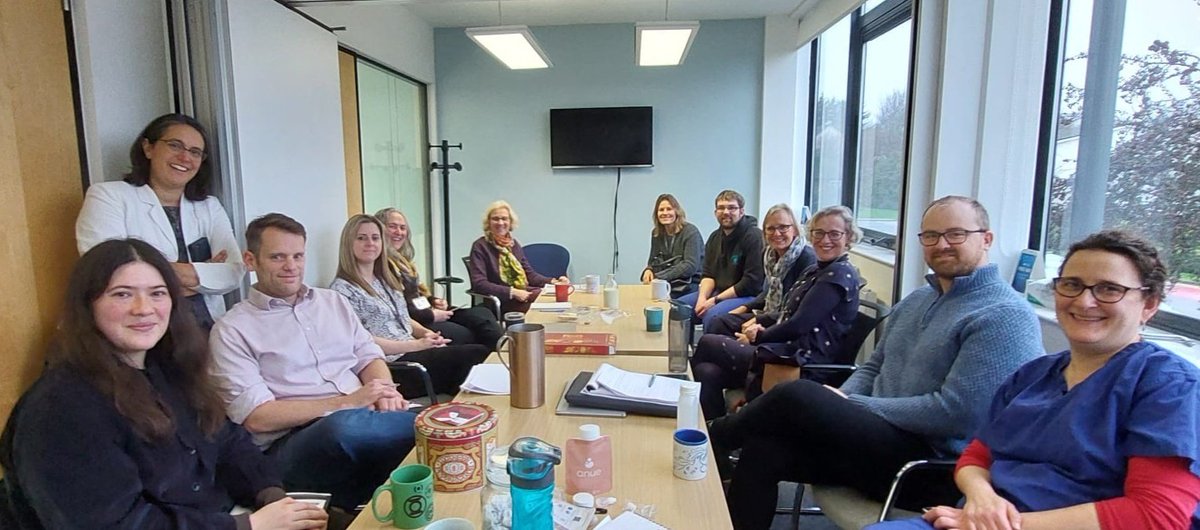
Today we started an amazing @BBSRC-funded project with the inspiring people at @BartonBlakeley. Together we aim to create glass containers for #donormilk from carbon capture material, ⬇️ the need for single use plastic while putting CO2 to good use. 🌍❤💙
Watch this space!
If your neonatal unit supports families who don't speak English as a first language, our materials to support their knowledge and consent for #DonorMilk use are available in 11 languages.
Which translations would be helpful for 2023?
@BAPM_Official@NIFNtweets@NeonatalNurses
Someone just called up to donate £1500 to @heartsmilkbank, and on top of recent funding news it's magic. 🙏
Sat imagining the outcomes if more academics were supported to spin out research into the non-profit sector. Creating living experiments informed by communities.
@MilkBankScot@UKAMB1@MilkBankChester Not quite sure that's what it meant but thanks for the congrats! Supporting all milk banks has always been the entire aim of the programme, and it has been a true honour to make so many friends in the wider milk bank community.
@DrNShenker@MilkBankScot@UKAMB1@MilkBankChester It’s a brilliant recognition to how much your research has contributed to gaps in science, the global collaborations you’ve developed along that journey… and most importantly the families and lives that it’s all made such a difference to. Research impact at its finest👏🏼
These guys made my Saturday morning! Quick dash to @Morrisons@MyDover_ for a few breakfast supplies and look who were fund raising for @SERVKent!! Three local heroes who make such a difference delivering blood, #donorhumanmilk and other emergency products. Thanks guys!!
'It's about justice'. And we're not doing well. 9 million deaths of babies and mothers annually across the globe.
The sheer breadth of data shared in a spellbinding talk by @joylawn has the hall in utter silence. #RCPCH22
So it begins! If you're at #RCPCH22 stop by the @milk_foundation stand. Our charity enables clinicians to access donor milk for clinical and research use, with training and educational resources for healthcare teams. 🙌
Finally, some good news. Email from @DHSCgovuk confirms data collection for an #InfantFeeding survey in England will commence in Spring 2023. Our national infant feeding data are over a decade old so this is much needed. 🎉
Now, how can such services be implemented? Would there be enough donors? Which indications would be prioritised, would this differ by region? How can inclusivity be assured? Training? Quality? Costings? Risk?
🎵🎶 Job ads for three research midwife roles coming soon. 🙌 8/
Majority of mothers able to achieve a full milk supply do so. Many with undiagnosed developmental breast problems achieve a route to diagnosis and understanding. Emotional and psychological improvements in perinatal period gained with work continuing to assess generalisabiliy. 7/
The diversity of indication has been evidenced by the work of @heartsmilkbank over 4 years - 450 families accessed lactation support and donor milk when indicated. Individualised care offered and learnings gained. 6/
https://t.co/5G0NaTYUPW
..mothers who need to take medications that prevent breastfeeding, those with no breast tissue, previous surgeries or burn scarring, mothers post-transplantation, living with HIV, or babies that are adopted or fostered, or failing to thrive. 5/
⬆️ scale means more donors can be supported, with more families at home able to access when in acute need. This can mean lifting rationing of provision from only the most vulnerable, to national equity based on need - mothers with cancer, insufficient glandular tissue... 4/
When families are able to talk freely, they share a general preference for their babies to receive donor milk rather than formula (85% of 7200 women with previously poor BF experiences). As seen in NICUs, alongside skilled lactation support, DHM can offer a bridge to BF. 3/