I am a respirologist and my main research interest is finding innovative new therapeutic solutions to patients with COPD. The postings reflect personal views
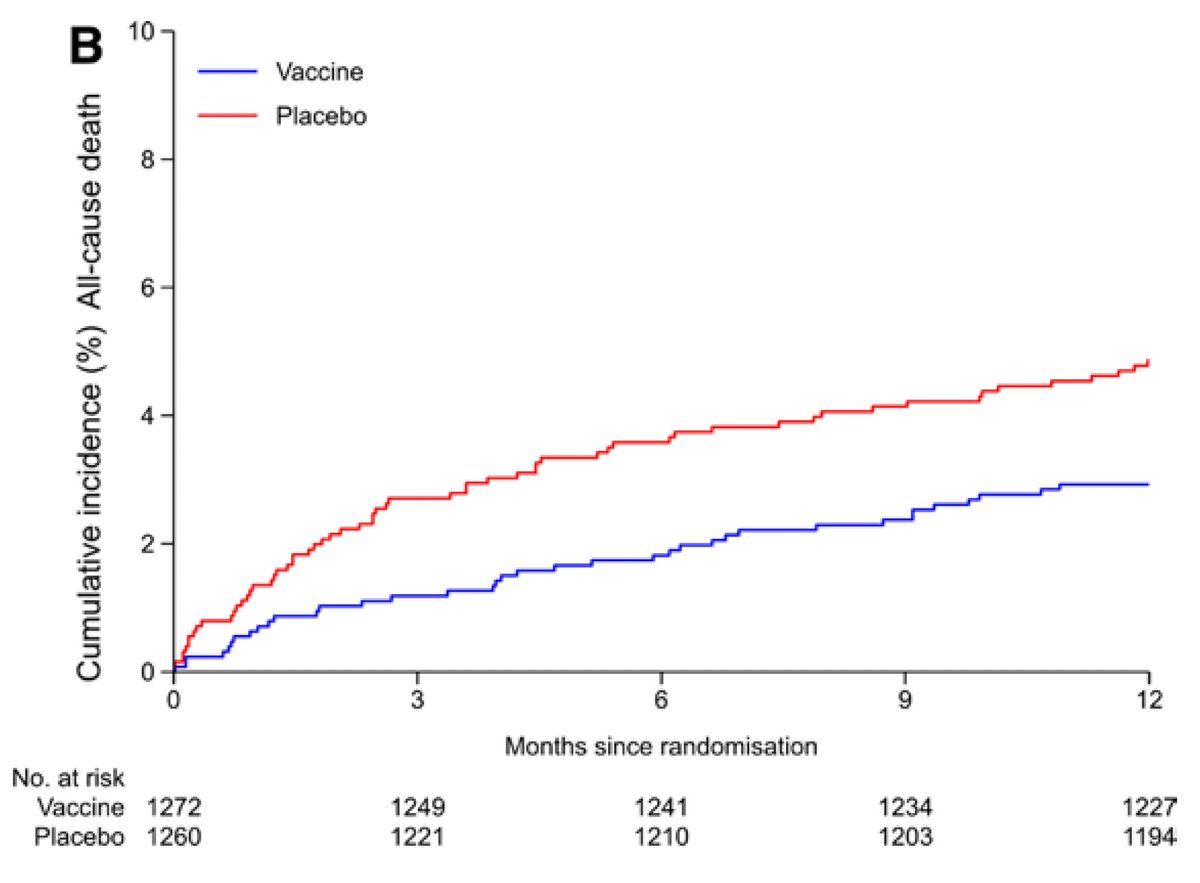
Multiple randomized trials of a flu shot vs placebo after a heart attack show reduction of mortality and other adverse CV outcomes. Backed up by new results of a Swedish nationwide registry. And recommended Class 1, Level A in the European and American cardiology guidelines. But not implemented in medical practice
Links:
—New Swedish nationwide registry report
https://t.co/IfSnFzsPor
—Largest randomized trial (Figure, all-cause mortality)
https://t.co/IiHqC0FnrO
🎙️The latest ERJ Podcast is now available!
Listen as Deputy Chief Editor Don Sin interviews Manuela Funke-Chambour about treatment implications of inflammation in pulmonary fibrosis, published in this issue of the ERJ.
Listen to/download the episode: https://t.co/rzYFOwzljP
COPD can be associated with exacerbations despite maintenance therapy. Two phase 2 trials tested add-on tozorakimab, a monoclonal antibody that inhibits interleukin-33 activity. Research findings from the phase 3 OBERON and TITANIA trials are summarized in a new Quick Take video. https://t.co/iMcdIRScF5
Many of you are in the process of applying for jobs in academia and/or in industry.
As you prepare your job talks, consider giving it the following structure:
First, a short snippet of your overall set of technical accomplishments. For instance, you might spend the first 15 minutes giving short overviews of a few of your works/papers - it's also very good to draw a theme across them if there is one.
Second, you can spend the next 20-25 minutes doing a deep dive on *just one* of them - say, the one you're most proud of, or the one that matches the team/department interests and needs best.
Finally, use the last 5-10 minutes to summarize and talk about what you think are important new directions to pursue in research and how these could have impact on the field, the company, or the department and their areas of interest and growth.
It's hard to give a bad talk that's structured this way.
The National Library of Medicine has stopped indexing articles from @SciReports in MEDLINE because the journal’s inclusion in the world’s largest biomedical library is under review, Retraction Watch has learned.
https://t.co/8NKSeo6LPs
🎙️ In the latest ERJ Podcast, Chief Editor James Chalmers talks with Christina Thornton and Marcus Mall about their Back to Basics review on bridging the airway microbiome and targeted therapy in bronchiectasis. Listen now: https://t.co/9fFDbRUKXA
Grant applications have become a lottery. A 60% growth in applications to one of the world’s most prestigious research-grant programs is resulting in an exceptionally low success rate
I think this is one of the major problems of AI--it's creating tsunami of grant applications and turning the decision process into chaos.
Grant decisions already felt fairly random and this seems to make the system worse.
https://t.co/aisA2twl4a
European Respiratory Journal: Pulmonary fibrosis is driven by chronic inflammation that links immune dysregulation to fibroblast activation, paving the way for targeted, personalised therapeutic strategies https://t.co/7NrmJqKtsm
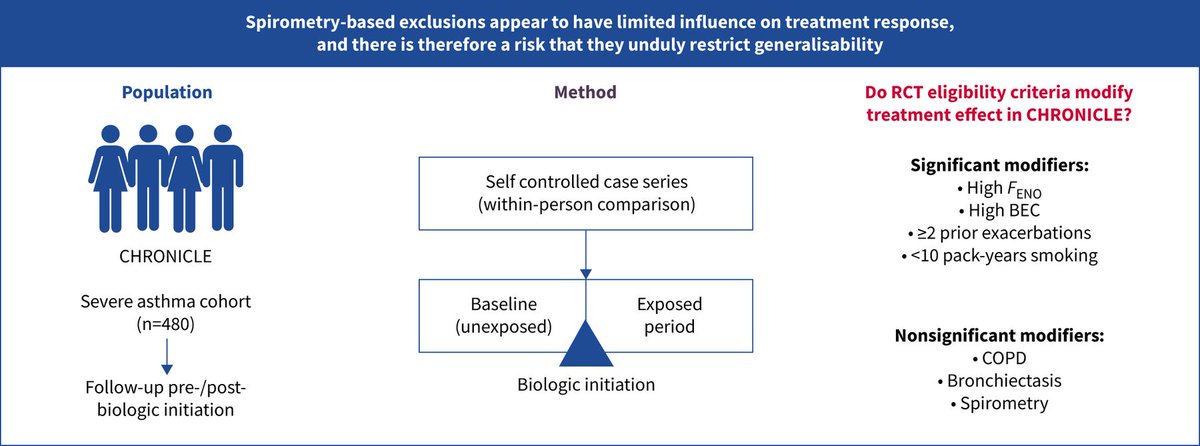
Given that biologics main target is to reduce type 2 inflammation, why is a spirometry-based exclusion necessary? This study shows that criteria based on elevated type 2 biomarkers, and exacerbation history enrich trial populations likely to benefit from biologics.
European Respiratory Journal: Spirometry-based exclusions have limited influence on biologic treatment response and unduly restrict generalisability of clinical trials https://t.co/TUkijgPA6A
Congratulations to Dr. Adeera Levin for receiving this prestigious award bestowed by @ASNKidney! Dr. Levin is a true advocate for patient-oriented research.
https://t.co/RCpIFB2KLz
New data suggest that one-third of patients with chronic obstructive pulmonary disease (COPD) may have mixed granulocytic airway inflammation. Learn about the expression of immune response and lung tissue remodeling pathways in those with the phenotype. https://t.co/D7trvCf1xI
Very severe long COVID was linked to distinct mouth and lung bacteria six months after hospital discharge, but whether those differences predated infection remains unknown. @EuroRespSoc https://t.co/NROWhbieQy
Kevin co-chairs our scientific advisory board
Kevin is at @MIT and one of the smartest people in the world on issues of engineered pathogens
Kevin's tweets are worth your time
For those wondering what "digital twinning" (point 4) looks like in lung research, see paper by Sage et al Digital twins of ex vivo human lungs enable accurate and personalized evaluation of therapeutic efficacy | Nature Biotechnology
This week in medicine
1. Optogenetics wins the Nobel Prize! It goes to Karl Deisseroth, Peter Hegemann and Georg Nagel.
2. Full phase 3 results published for Lilly’s triple-G, retatrutide: ~25% mean weight loss.
3. ARPA-H plans to cut drug development from 10+ years to <4 years: with phaseless trials, adaptive platforms, digital twins and AI agents.
4. Pfizer's trispecific antibody works (in a phase 2 trial) in atopic dermatitis - it blocks IL-4, IL-13 and TSLP.
5. Dana-Farber researchers develop a new way to drug undruggable GPCRs, with GTACs: bispecific antibodies that use the transferrin receptor to drag GPCRs into lysosomes.
6. FDA approves the Autus Size-Adjustable Valve, for patients with congenital pulmonary valve disease - the first heart valve that grows with a child.
7. The first treatment for the rare genetic disease, MCT8 deficiency, is FDA-approved - a thyroid-hormone analogue that reduces peripheral thyrotoxicosis.
8. Both of Kodiak’s next-gen antibodies work in phase 3 trials for wet age-related macular degeneration - the long-acting anti-VEGF antibody–biopolymer conjugate and the bispecific VEGF-trap/anti-IL6 therapy.
9. Roche's all-oral combo of giredestrant (SERD) + everolimus (mTOR inhibitor) targets both ER and PI3K–AKT–mTOR resistance, cutting progression in ESR1-mutant breast cancer.
10. Lilly’s EloraTZP, an amylin agonist-tirzepatide combination, beats tirzepatide alone in a phase 2 diabetes trial (with increased risk of adverse events).
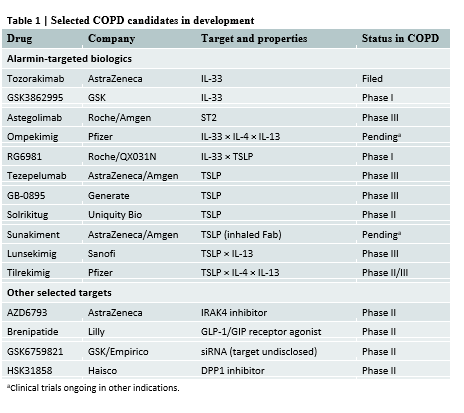
COPD trial wins spur broad respiratory hopes
https://t.co/2i2jm8P4nI
AstraZeneca’s tozorakimab reduced disease flare ups in patients with COPD, suggesting IL-33-targeted antibodies could offer broad potential in lung diseases. Read about the COPD pipeline in this news feature
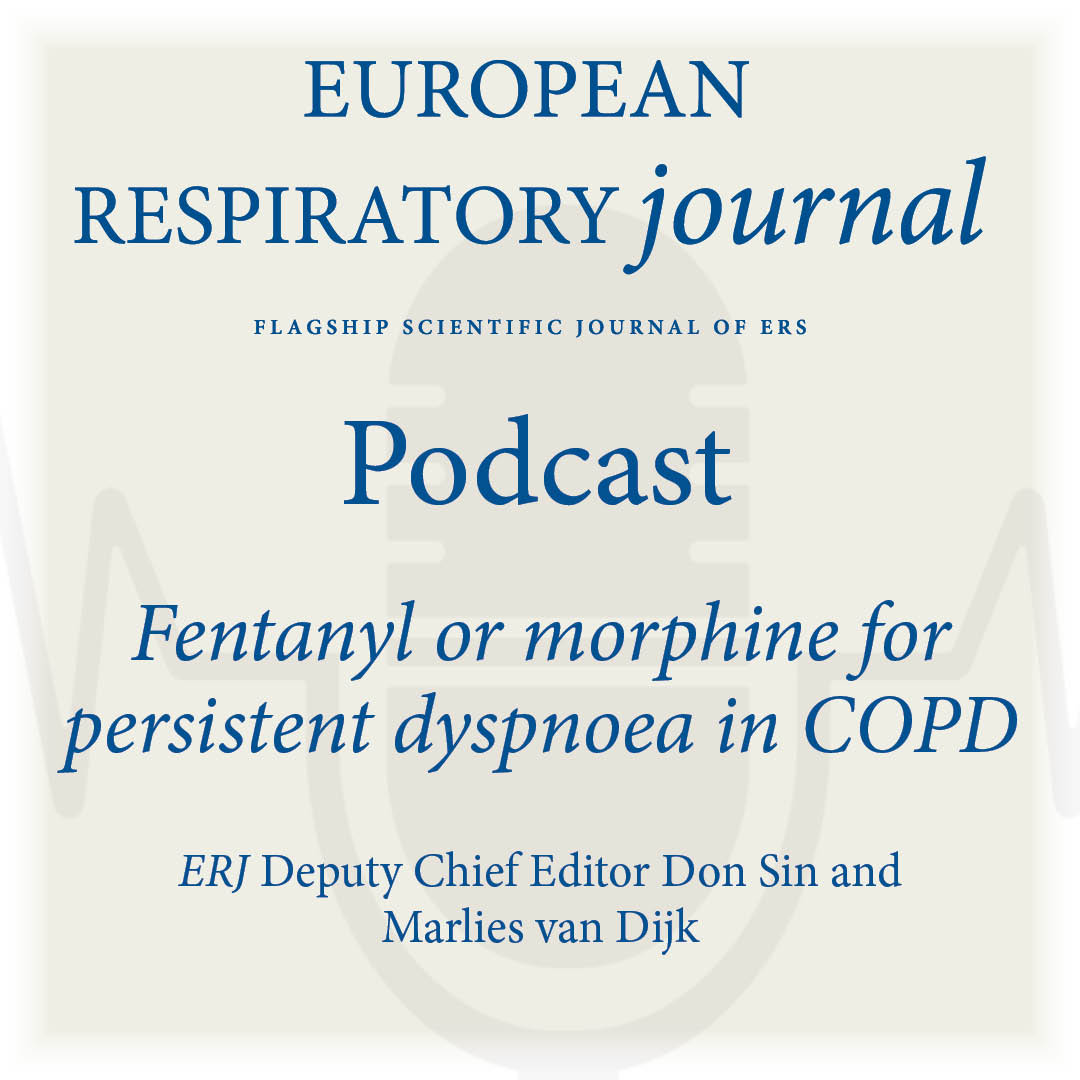
In the latest ERJ Podcast, Deputy Chief Editor Don Sin interviews Marlies van Dijk (University of Groningen, Groningen, Netherlands) about her multicentre randomised crossover trial of fentanyl & morphine for persistent dyspnoea in COPD: https://t.co/nVQXj1kdZs
@ERSpublications
@FionaMosgrove and medical knowledge! Even many pulmonologists I know don’t know that ASA modifies AA metabolism pathway and that buildup of some leukotrienes can cause this reaction in susceptible patients.
In clinic, I saw a 30 y.o. lady, who has been coughing nightly since May. Normal PFTs. 1 year ago, she took Advil and experienced nasal congestion. A month later, she took generic ibuprofen and couldn't breathe because of complete nasal blockage from mucus. What does she have?