Most portfolios find out where the floor is after the drop. With MoonUp, you set it before: Conservative (70%), Balanced (50%) or Bold (30%).
Capital splits between a USDC reserve and tokenized stocks. Markets fall, more shifts to USDC. They rise, exposure grows. CPPI, onchain.
Our First Draft follows a fictional deposit across payment intent, provider record and ledger entry.
Try the reconciliation prototype and see why retries need an idempotent path. No real transfer is involved.
https://t.co/wMgSuf4fXm
Paid twice. Or notified twice?
A payment provider sends the same notification again. Your application credits the customer again.
One transfer has become two balances. Reconciliation starts with durable identities and evidence, not a green success badge.
By the time the market reaches your floor you're already 100% in stablecoins. The algorithm starts deleveraging before it gets there, and leverages back up when the market turns.
@Yas_MoonUp from @getMoonUp on how the protection layer works.
Full ep on our Youtube channel
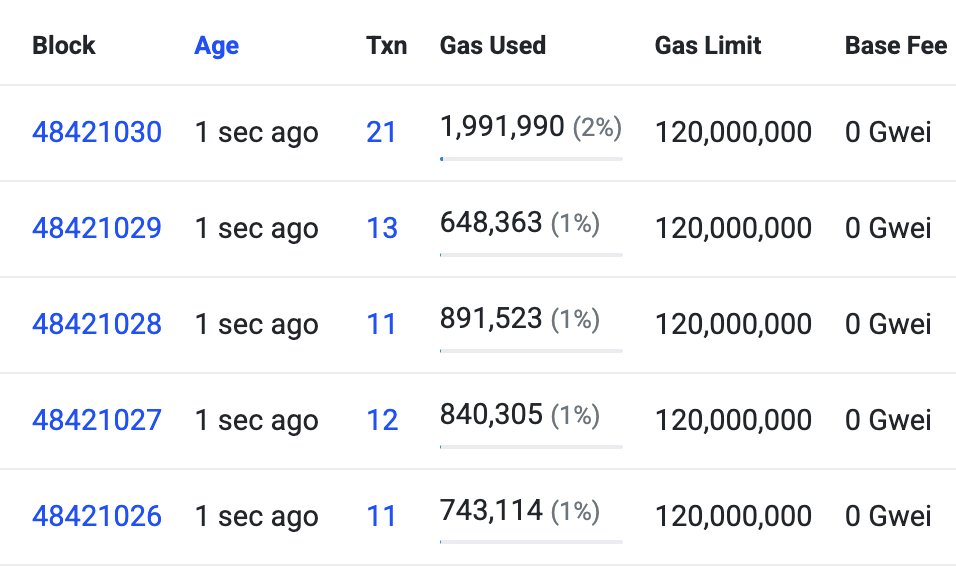
At 200ms the chain stops being the slow part of most applications.
An RPC polled on a fixed interval, an indexer that batches before it serves, a frontend built to show a pending state for a second or two: none of that gets faster because the block did.
The work to feel 200ms is in the stack above it.
@zksecurityXYZ Crypto code is where generic scanners struggle most, so a tool built just for that makes sense. Does it cover circuits too or mainly native implementations?
@CoinbaseDev@Mastercard@Cloudflare Mastercard + Cloudflare is a strong sign x402 is past the demo stage. Merchants barely needing a new integration is the part that makes it stick.
@StellarOrg Starting PQ signature work alongside smart accounts makes sense. Much easier to build signature agility into the account layer from day one than to retrofit it.