New paper with @SamPassmore_ and @PatrickESavage in #RSOS
Group singing is globally dominant and associated with social context
We look at the prevalence of group singing in a combined sample of over 8600 audio recordings and ethnographic texts 👇
My book is now published! 🌏🎶🧪
You can download it for free at https://t.co/DZw1BS65eJ - I’d be grateful if you do!
I also published an accessible summary with audio/video today in @Nature: https://t.co/FvO6vtol0o
Try that first, then give the whole book a read if you like it!
All human societies make music, and most frequently do it in groups. There are some exceptions where collective music making is rare and we don't have a good understanding of why. Cool paper exploring this question through ethnographic case studies. @RuedenChris
בימים האחרונים מתקיימות עמידות שקטות של תושבים פלסטינים ברצועת עזה, בהם הורים שכולים, עם תמונות של ילדים ישראלים שנהרגו בשבעה באוקטובר. העמידות מתקיימות בעקבות עמידות דומות שלנו בתוך ישראל נגד מלחמת ההשמדה בעזה, עם תמונות של ילדים פלסטינים שמתו במלחמה. 1/6
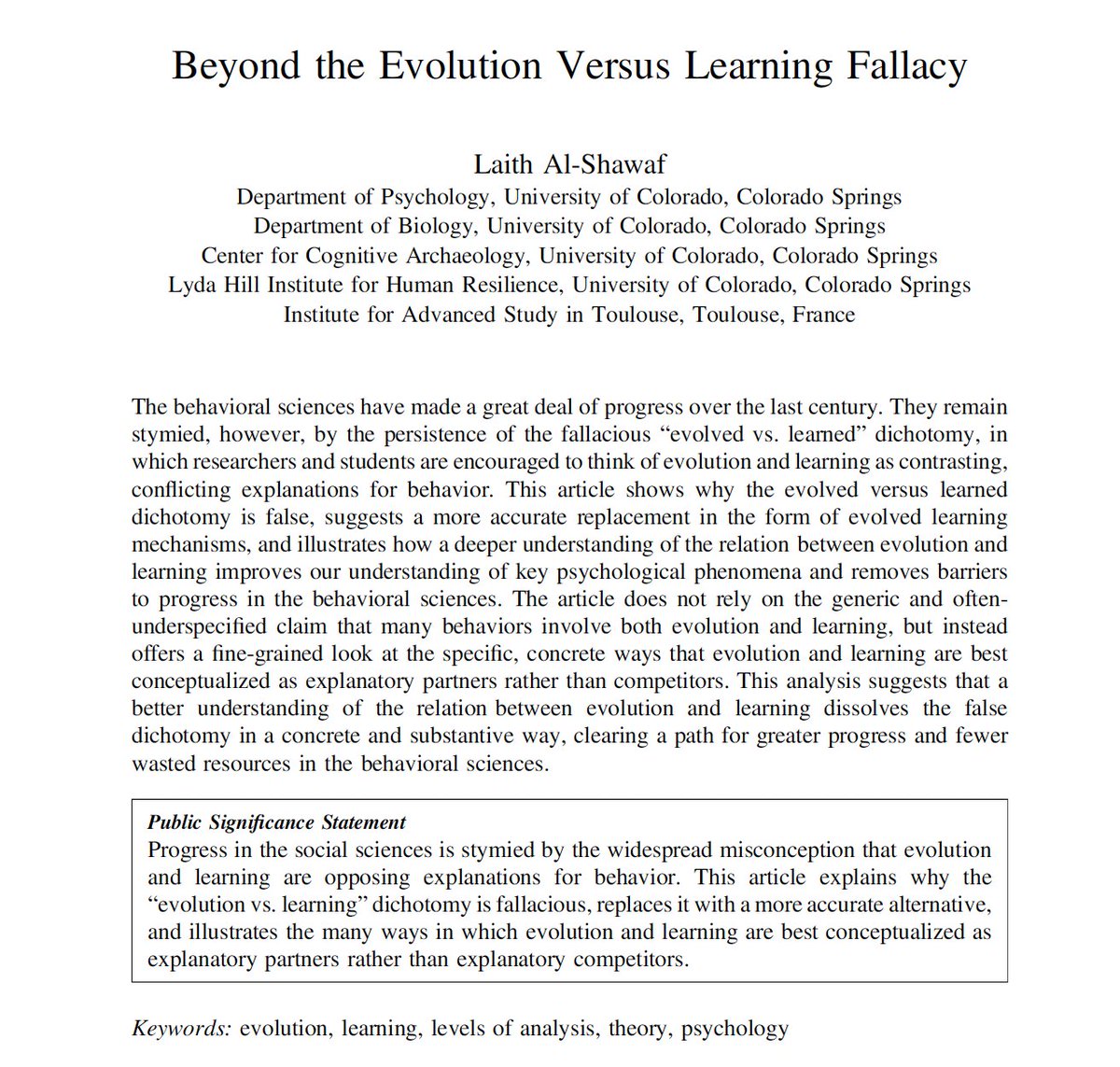
New, hot-off-the-presses! Delighted to share this new paper about why the ubiquitous "Evolution vs. Learning" dichotomy is the wrong way to think about things.
Out now in American Psychologist (@APA_Journals).
The paper avoids the boring, underspecified claim that "both matter" or "the answer is in the middle".
Instead, it takes a concrete, specific look -- with lots of animal examples -- at why evo & learning are best thought of as explanatory partners rather than competitors.
A short thread 🧵
https://t.co/G5zev8SVD7
הדברים שאמרתי הערב במסיבת העיתונאים:
״שלום לכולם,
אני מבקש להזכיר כי כבר 592 ימים מוחזקים בעזה 58 חטופים.
אנחנו נעשה הכל כדי להשיבם
המלחמה בעזה החלה כתגובה נחושה, חזקה ונכונה
למתקפה המתועבת של חמאס,
מלחמה מוצדקת והכרחית, להגן על ביטחון ישראל.
אבל מה שהחל כמערכה צודקת להשגת ביטחון ולשחרור החטופים,
הפך כיום על ידי הממשלה הכושלת הזו,
למלחמה ללא תכלית ביטחונית או ��אומית.
מה שאנחנו רואים עכשיו בעזה זה לא תמרון לשחרור חטופים -
כי אפשר היה מזמן לשחרר את כל החטופים בעסקה אחת כוללת
ולהחזירם הביתה
זה גם לא מערכה למיטוט חמאס -
כי כדי למוטט את חמאס אפשר היה מזמן
להתחיל ולבנות חלופה שלטונית לחמאס, בסיוע הסוניות המתונות,
כפרויקט אזורי שמחזק את מעמדה של ישראל ואת ביטחונה.
חברות וחברים,
אני לא נבהל ממכונת הרעל.
לא מהצעקות, לא מהבריונות,
לא מהניסיון להלך אימים על כל מי שמעז לומר אמת.
התרגלתי לכך שמי שלא מיישר קו, מי שלא שותק,
מי שלא מתכופף מול הכוח הופך מייד לאויב.
ואני מאמין שבגלל ששתקנו, התחנפנו, פחדנו,
ויישרנו קו עם הימין הקיצוני כל כך הרבה זמן –
איבדנו את עמוד השדרה שלנו -
והגענו למשבר שבו אנחנו נמצאים.
אסור לנו לפחד יותר.
אנחנו חייבים את זה לחטופים.
ללוחמים בשטח.
לאזרחי ישראל שמגיעה להם מנהיגות אמיצה.
אמרתי הבוקר שאנחנו מדינה שפויה שלא הורגת ילדים.
כששרים בממשלה הזו חוגגים מוות והרעבה של ילדים, חייבים לומר את זה.
אני התייחסתי אך ורק לממשלה הכושלת ביותר בתולדות ישראל - לא לצה״ל.
המשימה שלנו היא לוודא שישראל תישאר מדינה שפויה
שלא הורגת ילדים לא כתחביב ולא כמדיניות.
שיהיה ברור, הביקורת שלי אינה על צה״ל בשום צורה.
אני חוזר ואומר: הביקורת שלי כוונה נגד הממשלה ולא צה״ל.
צה״ל הוא הבית שלי והוא הלב שלי.
שירתי בו כל חיי הבוגרים:
כחייל, כלוחם, כאלוף.
לא סמוטריץ' ולא בן גביר המשתמטים,
ובטח שלא נתניהו ילמדו אותי מה זה מוסר לחימה,
ומה זה להגן על צה"ל.
ולכן איני מוכן לשתוק כשממשלה חסרת אחריות פוגעת בצבא שלי,
פוגעת בלגיטימציה שלו,
פוגעת בשמו הטוב.
מי שצה”ל באמת יקר ללבו וחשוב לו,
חייב לעמוד באומץ מול הממשלה.
חובה עלינו לשמור על צה״ל ועל לוחמיו
מפני הממשלה המסוכנת הזו.
ממשלה שאומרת שאפשר להפקיר חטופים
וצריך להרעיב ילדים,
זו ממשלה שנשמעת כמו דובר חמאס.
ממשלה שמדברת על פצצת אטום בעזה,
היא לא ממשלה יהודית, והיא בטח שלא ציונית.
וממשלה שחושבת שה-7 באוקטובר הוא “רגע של נס” –
היא ממשלה ששונאת את עם ישראל.
ממשלת ״חמאס-הוא-נכס״| שמצהירה
שלהציל את החטופים זה “לא מספיק חשוב” –
היא ממשלה שלא פועלת למען ישראל,
אלא עובדת בשביל קטאר.
מספיק לפחד מהם.
מספיק ליישר קו עם בריונות שמאלצת את הציבור לשתוק.
אני לא שותק –
כי לשתוק פירושו לשתף פעולה עם ה��קרת צה”ל,
עם הפקרת החטופים,
עם הפקרת מדינת ישראל.
אני פונה מכאן לשותפיי באופוזיציה –
אם צה”ל חשוב לכם כמו שהוא חשוב לי,
אל תשתפו פעולה עם מכונת הרעל.
אם אתם רוצים להציל את המדינה -
זה הזמן להתאחד.
להחזיר את 58 החטופים הביתה.
לסיים את המלחמה.
וסוף וסוף לנצח.״
מספר תובנות על עימותים עם הדרוזים בסוריה:
1. מאבק הדמים בין חמושים מקומיים וכוחות הביטחון לבין הדרוזים מזכיר מאוד את העימותים עם העלווים מחודש מרץ. סוריה מצויה בעיצומה של טרנספורמציה – משטר שע��רו מעיב קשות על תדמיתו, על אף מאמציו לייצב את המדינה. חוסר האמון והחשש בקרב חלקים>>
בן גביר הרג את פרויקט מסוקי הבלאקהוק. בניין הכוח המרכזי של הכיבוי. 3 שנים אחרי זה: ישראל מחפשת את עזרת מקדוניה ואזרבייג'אן כי שריפות ענק ומבטלים את חגיגות העצמאות.
ביבי מינה את בן גביר, כי באמת לא אכפת לו מכלום לבד מביבי. כשיקרה משהו, הוא לא זוכר לא העירו אותו.
זה כל הסיפור.
מפציר בכם לצפות בקטע הזה מהצד השני עם גיא זהר מדצמבר 22'
מסביר היטב איך אחרי עבודת מטה רצינית הזהירו שחייבים מסוקי בל הוק לצורך כיבוי שריפות.
ומי טען שזה בזבוז? שהמפכ"ל רוצה מסוק עבור עצמו?
מי.
הליצן הלאומי.
זה קטע שחייבים לראות מדצמ' 22', ערב כניסת בן גביר לתפקיד.
מנכ"ל המשרד לביטחון פנים דאז תומר לוטן מתחנן לרכוש 4 מסוקי בל הוק שישמשו לצורך כיבוי שריפות. הזהיר שזה חובה, שחייבים את המסוקים. בהול.
ומי התנגד לרכש? טען שזה בזבוז?
נו מי. מי שמתחנן עכשיו שיביאו לנו מסוקים לכיבוי מחו"ל
האם המפכ"ל הזמין לעצמו מסוקים? המשטרה מכחישה, מנכ"ל המשרד לביטחון הפנים תומר לוטן אומר שמדובר בעבודת מטה לרכש מסוקים לטובת מערך הכבאות בכלל. בן גביר מתעקש.
המנכ"ל לוטן לבן גביר: "מ"מ של שיעורי בית לא עשית".
בן גביר: תודה על הציונים
לוטן נוטש
ח"כית: אל תלך, אתה הקול של האמת.
1/
צופה בתמונות השריפה המשתוללת והדם שלי רותח!
זה זרק אותי ישר לעימות שהיה לי עם השר המיועד בן גביר לקראת כניסתו לתפקיד, על רקע רכישת מסוקי הבלאקהוק לכיבוי. רכישת המסוקים הייתה תוצאה של עבודת מטה ארוכה ורצינית שהובלתי מול המל"ל, משרד רוה"מ והאוצר, ואושרה גם ע"י רוה"מ בנט.
In addition to this detailed study on the Northern Ache, please see the forthcoming paper I have written with Kim Hill, @RuedenChris, and Aniruddh Patel on the rarity of collective music-making among the Tsimane, Ache, Ayoreo, and Tuvans:
https://t.co/7vCvbRsI4l
🧵coming soon!
Are dancing and infant-directed song (incl. lullabies) human universals? Like many people, I've long thought so.
But in a new paper in @CurrentBiology, Kim Hill & I report that the Northern Aché (Paraguay) lacked both behaviors, likely losing them during cultural declines.
@JoHenrich Indeed - our study of four cultures (Tsimane, Ache, Ayoreo, and Tuvans) in which collective music-making is rare also points to cultural loss as an important factor, though in the other three cases foreign intrusion was the main cause:
https://t.co/7vCvbRsI4l
@nirhasson @EffectiveMortga סליחה איך זה בדיוק מחזק את האמינות? יש מקרים של אקדמאים מפברקים נתונים מתוך ההנחה שלא ינברו בהם לעומק. אתה חושב שבניגוד להם, אנשי חמאס לא מסוגלים לאותה רמאות או סוג של שגיאה?
Potentially the cutest example of non-human tool use yet: Asian elephants use water hoses in elaborate and individually-specific ways 🐘 @CurrentBiology https://t.co/ynGkG11Cam