New paper shows epidemics of plague among hunter-gatherers 5,500 years ago, likely from eating marmot. Suggests that high population densities may not be as important for epidemics such as the Black Death.
https://t.co/5Rk7BAilwQ
Everyone knows that hunting in chimpanzees is mostly by males. But in bonobos, much of the hunting is by females!! Large implications for thinking about the origins of hunting in humans. https://t.co/8e8qAf1q7K
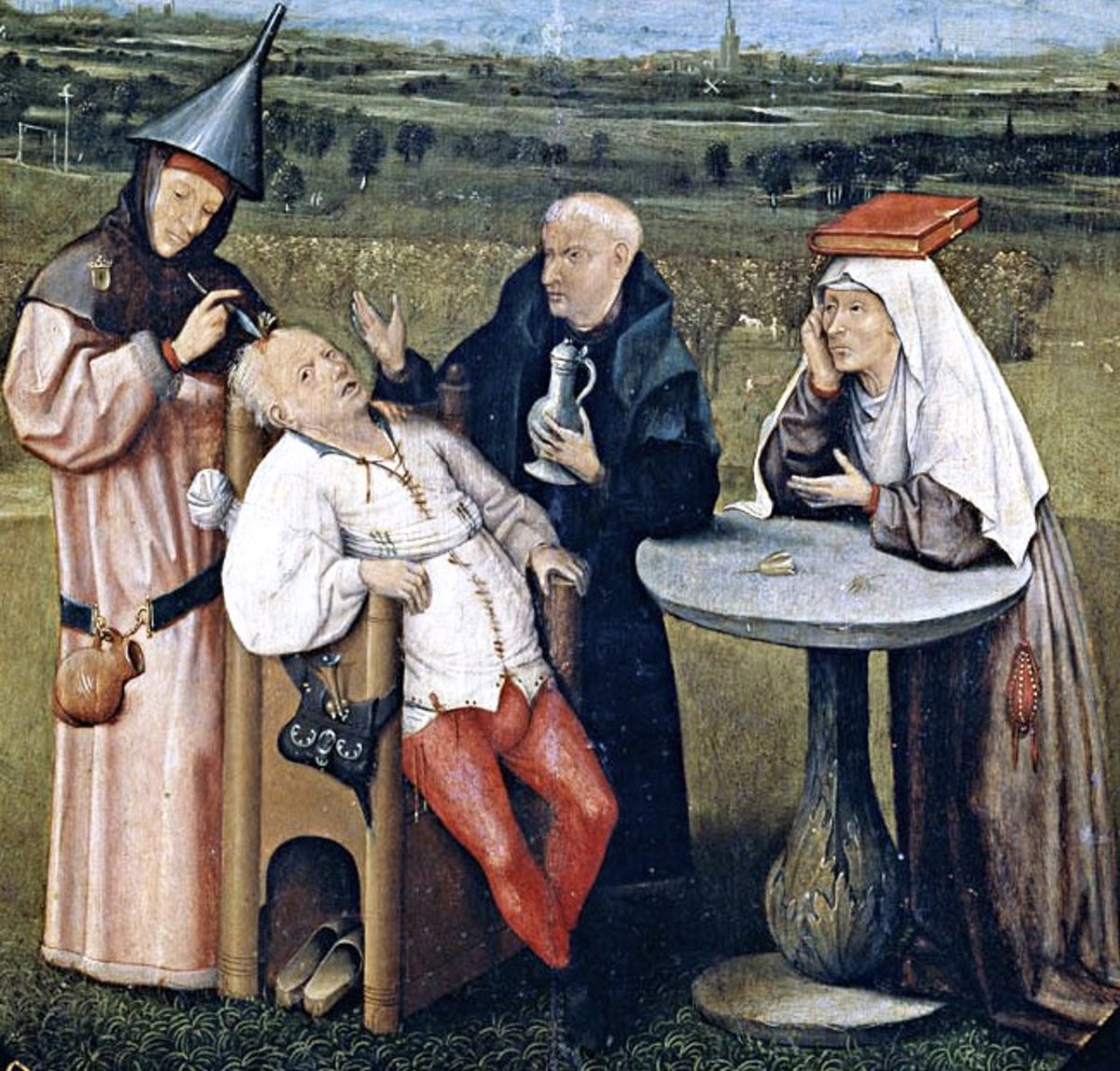
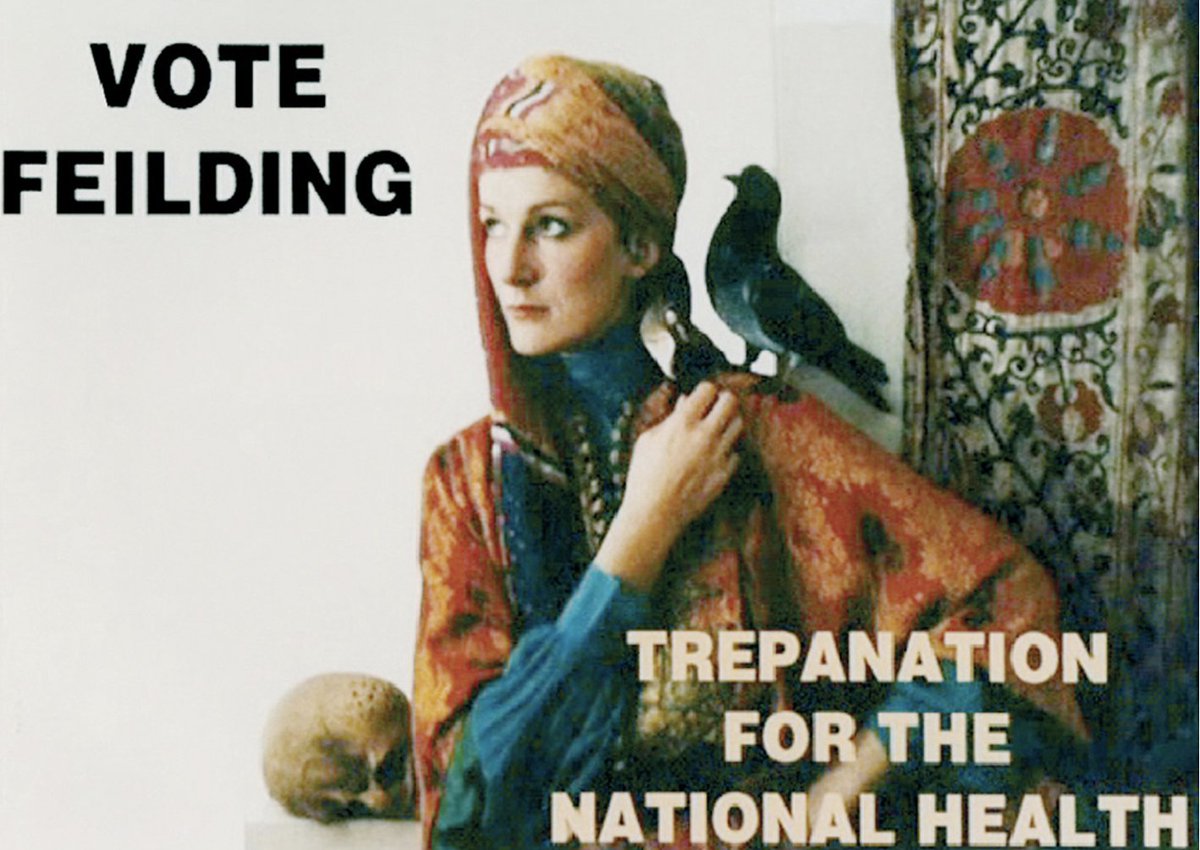
As far as I can tell, the claim that 5-10% of skulls are trepanated is wildly inflated and comes from a single non-empirical paper. Anyone have more reliable estimates?
"...why do 5-10% of skulls from 10,000 BC to 3,000 BC, all over the world, have holes in them?"
"When did the Western world give up belief in the classical good-for-everything version of trepanation? I can’t tell for sure, but it seems to have been sometime between 2015 and 2020..."
https://t.co/S9X7zluhF9
@ed_hagen@ChrisStringer65 Thanks Ed. "However, both this author and
a number of colleagues experienced in palaeopathology have found that none of them seem to present convincing evidence of skull surgery."
Anyone else concerned that with LLMs it's going to be easy to out anonymous peer reviewers when their reviews are published online. More journals are moving to this with no options for reviewers to opt out. I see the upside but think anonymity is good for the review process.
@HamesRaymond@Evolving_Moloch@ChrisStringer65 A few years ago i stumbled on ethnographic films of people spear hunting elephants (metal spears). Terrifying but also looked effective.
I'm teaching intro to human evolution in the spring and both exhilarated and terrified given how much and how fast we are learning about our complex origins.
Big news! Our new book, "Making the Modern Laboratory," is now available for pre-order. It is a stunning, 504-page hardcover book that explains how the research laboratory, and everything in it, came to be.
Did you know that the modern micropipette was invented by a German postdoc so frustrated with mouth pipetting that he ditched his lab for two days until could return with a prototype?
Or that an 18th-century scientist sewed tiny taffeta pants for male frogs to determine whether or not semen was essential for fertilization?
These stories and hundreds more are told in the book, which has a hard cloth cover and is printed in full color on Arena Natural Rough, a textured, uncoated paper made by Fedrigoni. The book is also finished with colored endpapers, thread-sewn binding, and a squared spine. It is priced at $49 and worth every penny.
Learn more and order: https://t.co/VuNlIBhHRF
We investigated the possible transformative effects of exogenous education interventions on social interactions in traditional village settings with a randomized trial, examining the connections that individuals keep, drop, or form, as well as the overall structure of village-wide networks that might arise. https://t.co/Lf1l2bTbEc 3/
Paper by the Science History Institute’s Alistair Sponsel and King’s College London’s Brian Sutton uncovers the significance of Rosalind Franklin's previously captured Photo 49. Learn more about their research here: https://t.co/mS8BgSEuvN
This spring, I'm traveling to Botswana, Zimbabwe, and Colombia, where I'll be interviewing shamans about the phenomenology of trance dances. I'm looking for folks (i.e. QRI-type people) to advise me on building a good and extremely user-friendly tool that the shamans can use to visualize their sensations.
Grateful to anyone who can link me with the right person, boost this to others, or (esp!) is down to chat more and advise! Please reply or DM if you have good leads 🙂.
@algekalipso@johnsonmxe@chris_percy@ekkolapto@cube_flipper@VisionSymmetric@AnalogWhole@theIACS@QualiaRI@42irrationalist@Josikinz
Can someone explain to me why the foremost scientific organization in the United States has the Parapsychological Association as an affiliate? Pseudoscience should not have a home in @aaas