Rent is the most regressive tax there is, and NIMBYism is why. @travisk is right: Austin let building happen and rents are going down. California can do the same. We just have to let people build.
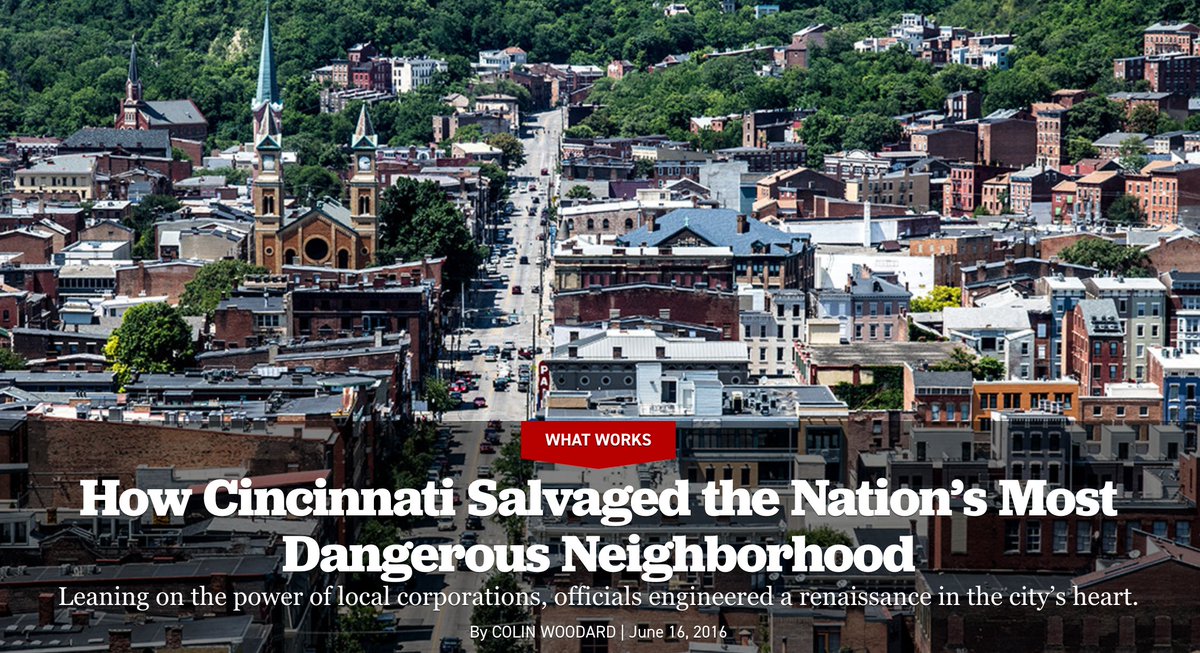
There hasn't been a homicide in Cincinnati's Over-the-Rhine neighborhood in more than a year (431 days).
Tremendous progress in a place that was once, erroneously, called 'the most dangerous neighborhood in America.'
@OhioTate Lost in this story is that there’s apparently a degenerate in Massillon willing to pay half a million dollars so his high school football team can cheat to win a State title. That is incredible.
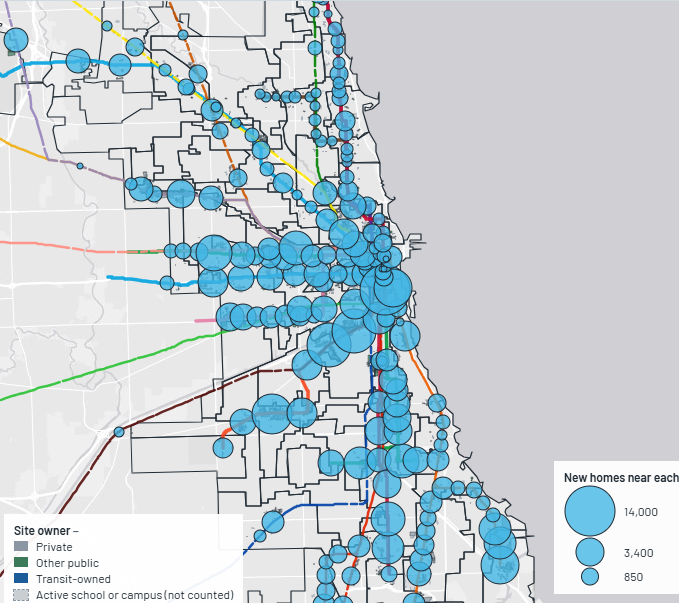
Vacant land is extremely common in this city. If we built on all of it around rail stations only, we could have 350,000 new homes without a single demolition
"We are heartbroken by the loss of Fiona. She was a symbol of resilience and joy, and her indomitable spirit served as an inspiration to our city. From the moment she captured our hearts as a tiny preemie fighting for life, Fiona brought people together and gave Cincinnati, and the world, countless reasons to smile. Our hearts go out to the dedicated caregivers at the Cincinnati Zoo who loved and cared for Fiona." -The Graeter Family
Zoning laws be like:
5,000 sq ft mansion for 1 rich guy: ✅ Essential to the fabric of the community
5,000 sq ft building split into 4 apartments for nurses and teachers: ❌ Dangerous slum that will destroy society and gentrify the neighborhood
My only reaction to this is simply moral revulsion. This is the flag of a nation that is murdering civilians daily in an expansionist war of aggression. It’s disgusting that the flag is being flown here. https://t.co/ibuhvLkfg5
A relaxation of zoning restrictions in Raleigh, North Carolina, led to a surge in construction, which reduced inflation-adjusted rents by 15% between 2022 and 2025.
Low-income renters benefited the most.
https://t.co/AA5HhdbeuI
Urban productivity depends on efficient labor markets, which require both regulatory flexibility (Europe’s challenge) and spatial connectivity (America’s challenge). #MarketDesignTheory
One of the USA’s greatest (often overlooked) strengths is its system of at-will employment. A true arm’s-length bargain between employer and employee. This is very rare worldwide.
I often see the details of money-losing businesses in Germany or France that could be healthy again in a matter of months… but they won’t. The cost of restructuring the workforce is so high that the company becomes radioactive to new management and capital. Eventually the business goes insolvent, but it lingers as a zombie for years.
It may sound heartless to talk about firing people from a money-losing business, but the alternative is far worse. Propped up by state employment insurance or liability for corporate owners, money-losing businesses sit halfway between dead and alive.
The business never gets revitalized. The money to fund those losses ultimately comes from taxpayers, not corporations. Corporations are rational - as they should be. They may fund a turnaround but they will not fund endless losses.
Capitalism is a system of creative destruction. You need both parts. The creation builds wealth, the destruction frees up talent and capital for better opportunities.
Superficially, worker protection laws (mandatory severance, termination notification periods, etc) feel humane, but in practice they kill companies. Far better for a society to focus on building a humane safety net (like more robust unemployment insurance) for those who lose jobs unexpectedly.
No business wants to fire people. They want to grow. When the penalty for shrinking becomes too high, they are also much slower to hire because they know they may not survive any unexpected negative shock. So these laws to “protect workers” end up hurting the availability of new jobs.
Economic freedom is the greatest wealth creation and resource allocation engine ever created. Interfering with the arm’s length relationship of employee and employer paradoxically ends up hurting both.
The replies to this exemplify the fundamental problem with housing in the US: people say they're unhappy with how expensive homes are, but complain endlessly about new homes being built.
I’m not getting into the debate about the actual name change. No thank you.
But every time I drive past the bridge, I just think about how much of a fit the Guardians name actually is.
Perfect location by the ballpark, the meaning, etc. The team nailed it.
"Portsmouth was settled in 1623, and it grew organically for three centuries. A vibrant community of small and large homes popped up around a commercial harbor. Then, in 1925, New Hampshire adopted its first zoning law.
Over the next century, local officials severely restricted the expansion of traditional New England villages. The tidy municipalities of the future, centrally planned for the automobile age and for large houses, took their place."
WOAH, SNOW! 🌨️ Exactly 30 years ago, the BIGGEST lake effect snow event occurred in northern Ohio. Take a look at these 5 day snow totals!
Here's today's forecast: https://t.co/ieOyrIX8Pe
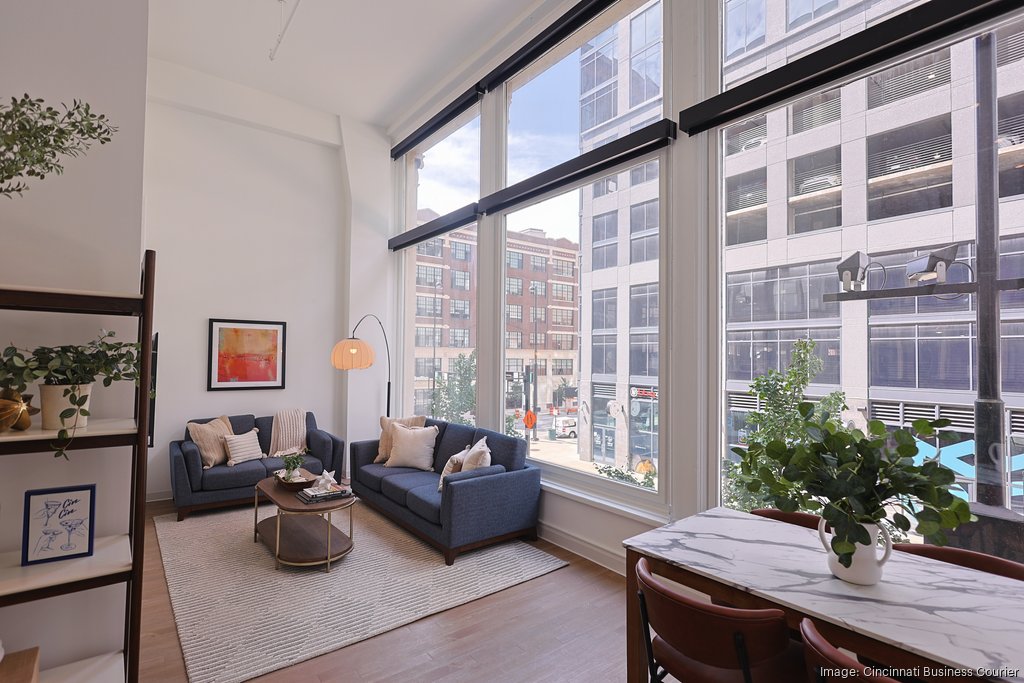
Downtown Cincinnati is swimming in 1,600 new apartments built since the pandemic.
Almost no one believes they're full. But most of them are.
It's a huge success story amid the worst real estate market in a generation.
“Across the board, folks are bullish on downtown.”