Tonight, the U.S. House of Representatives voted to end tariffs on Canada. An important victory with more work ahead. Thank you to every member from both parties who stood up in support of free trade and economic growth between our two great countries. Let’s end the tariffs and together build a more prosperous and secure future.
Make no mistake: China now has a foothold in the Canadian market and will use it to their full advantage at the expense of Canadian workers.
The federal government is inviting a flood of cheap made-in-China electric vehicles without any real guarantee of equal or immediate investments in Canada’s economy, auto sector or supply chain. Worse, by lowering tariffs on Chinese electric vehicles this lopsided deal risks closing the door on Canadian automakers to the American market, our largest export destination, which would hurt our economy and lead to job losses.
To fix this mess, Prime Minister Carney and the federal government need to urgently step up and support Ontario’s auto sector. That means making the sector more competitive by ending the electric vehicle mandate, harmonizing regulations with key trading partners and scrapping federal fees that do nothing but add thousands to the cost of making vehicles and chase away investments. Instead of importing made-in-China vehicles, the federal government needs to be focused on working with Ontario to bring investment and jobs to factory floors in Brampton, Oshawa, Ingersoll and across the province, where assembly lines are at risk or have already left the country.
Whether farmers or auto workers, Canadians expect and deserve a federal government that gives them every shot at success. I’m urging Prime Minister Carney to work with Ontario to strengthen Canada’s auto industry, not weaken it. Together, let’s protect Ontario and protect Canada.
President Donald Trump is calling the Canada-United States-Mexico trade agreement "irrelevant," saying there is no real advantage for the U.S.
Is this a negotiating tactic? @VassyKapelos asks Ontario's representative in Washington, @dpaterson1. #cdnpoli#ctvpp
More: https://t.co/TKuQ0igikx
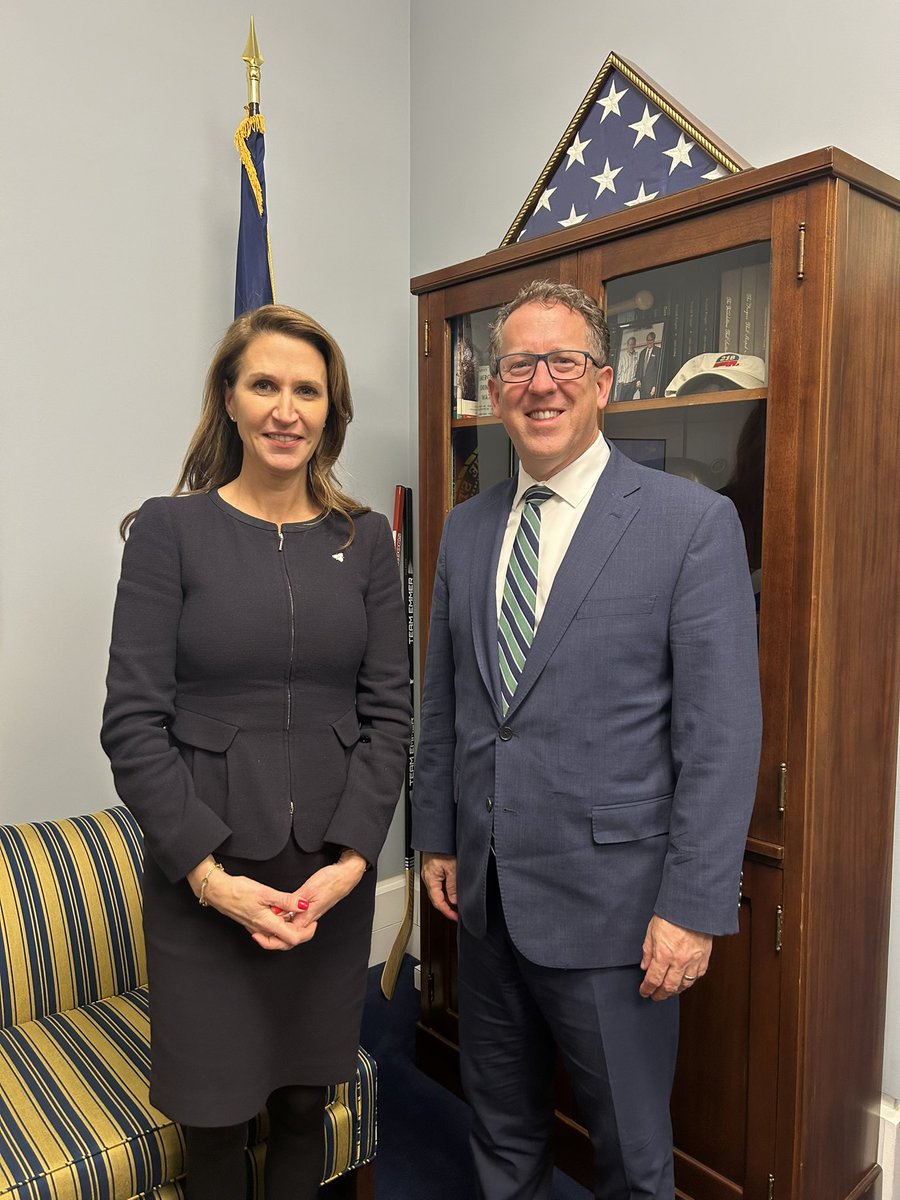
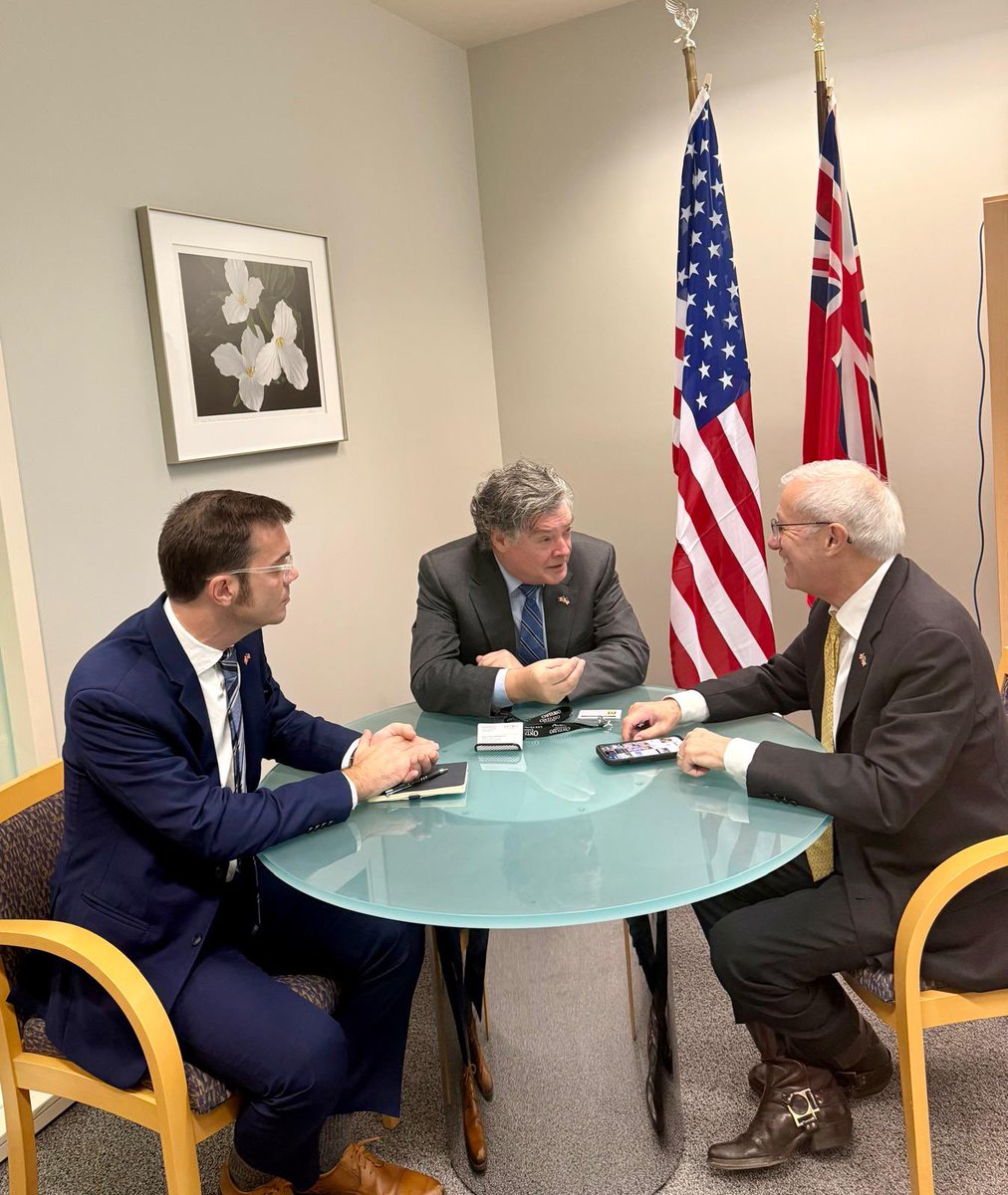
Productive conversations in Washington today with Representatives Debbie Dingell, Richard Neal, Adrian Smith and Rudy Yakym, as well as Ruth Ward, Chief of Staff to Speaker Mike Johnson. By working together, Ontario and the U.S. can create prosperity on both sides of the border.
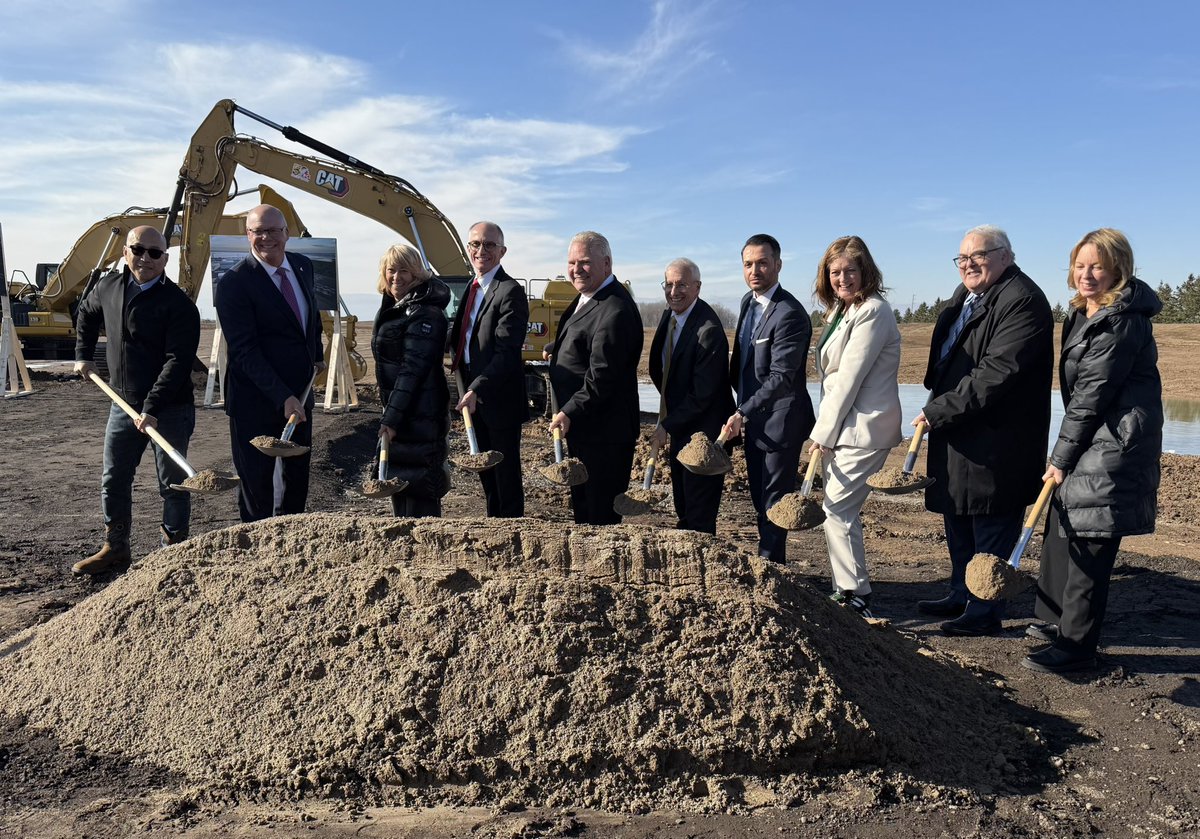
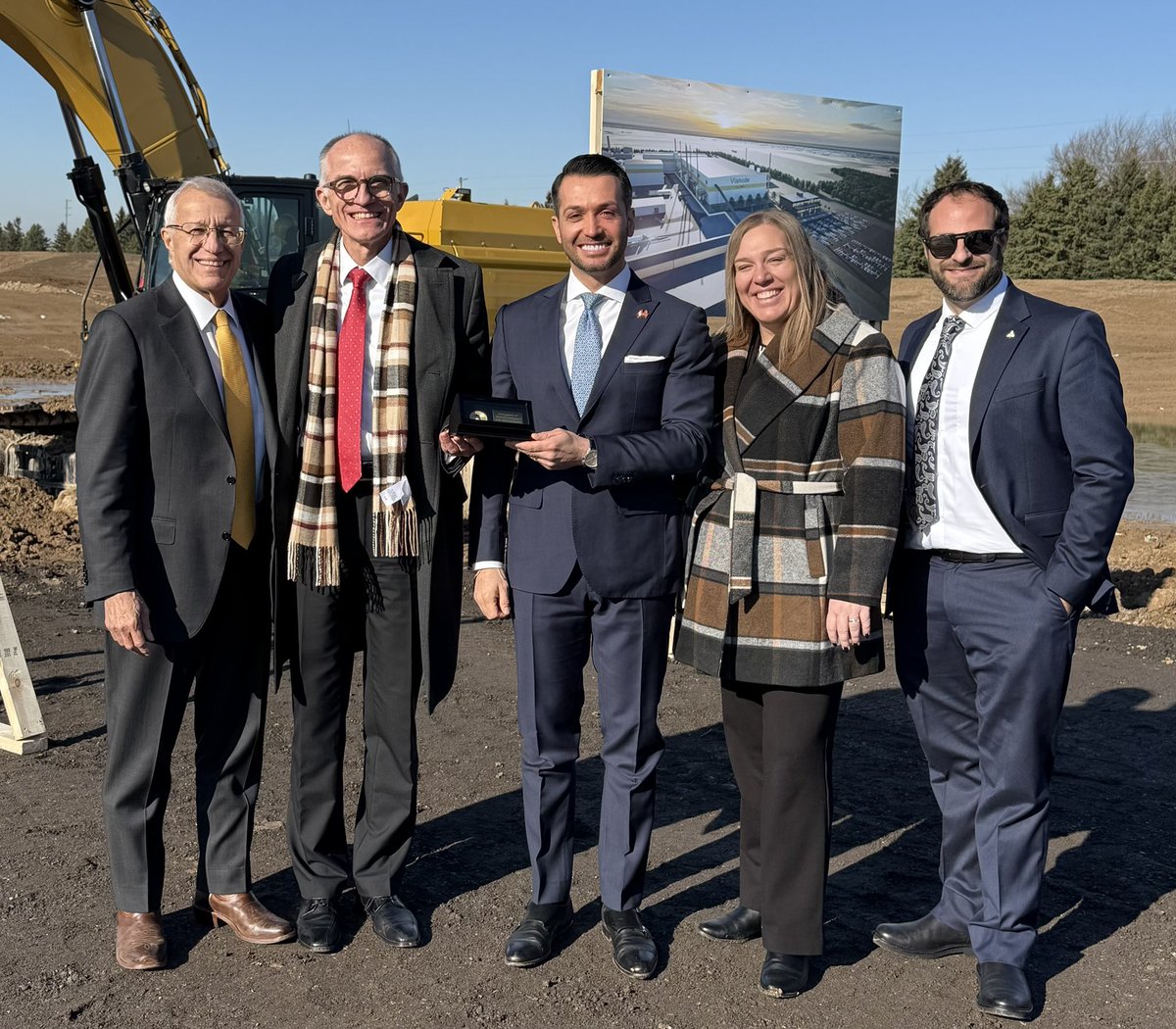
This morning in St. Thomas, our government welcomed a $3.2B investment from Vianode to establish North America’s first synthetic graphite facility and onshore the production of a critical component for the EV, defence, and nuclear sectors.
Once fully operational, this state-of-the-art facility will create up to 1,000 new, good-paying jobs, generating broad economic benefits across southwestern Ontario.
Learn more: https://t.co/fsa81rZYGf
@FordNation@RobFlackEML
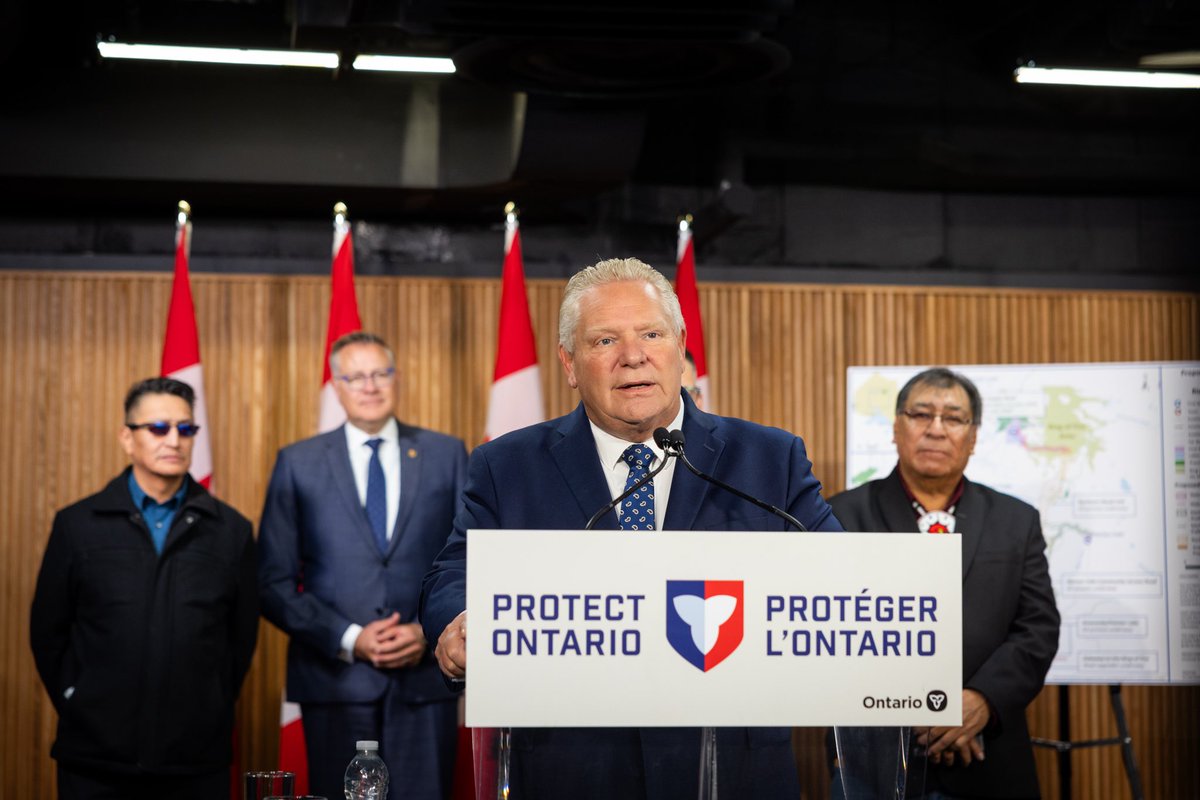
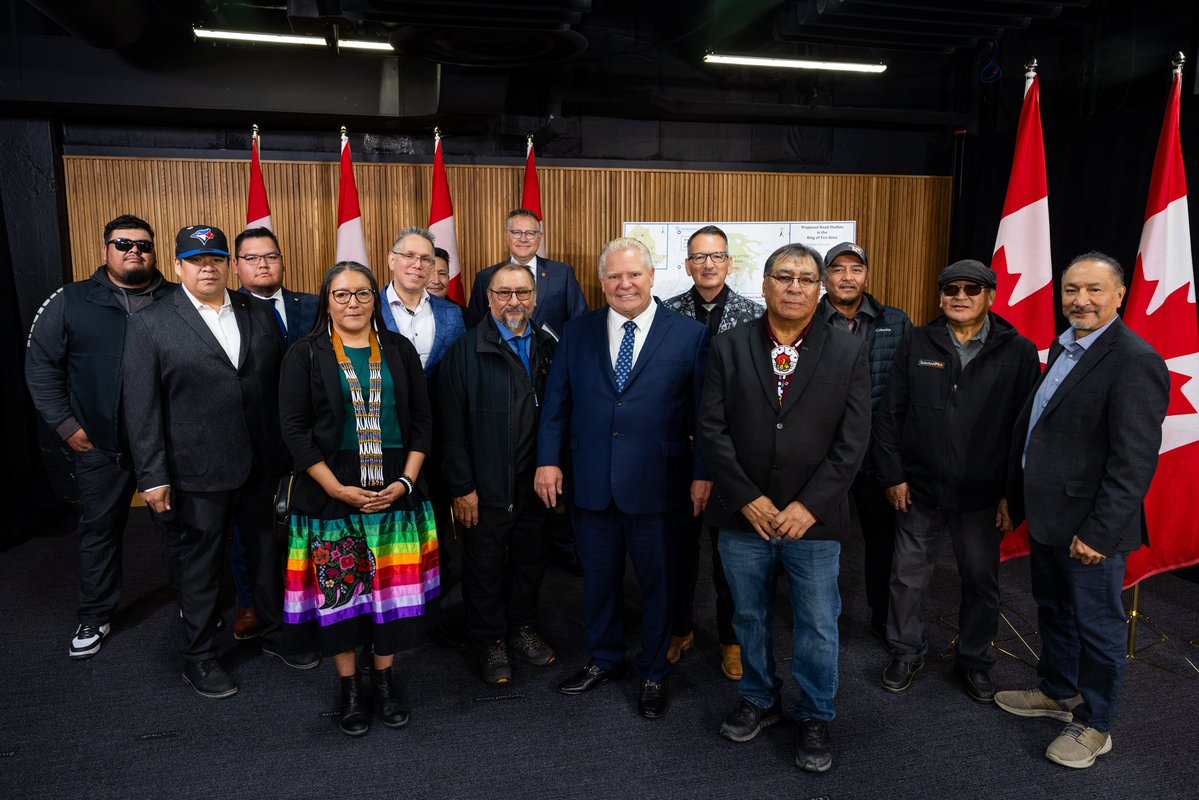
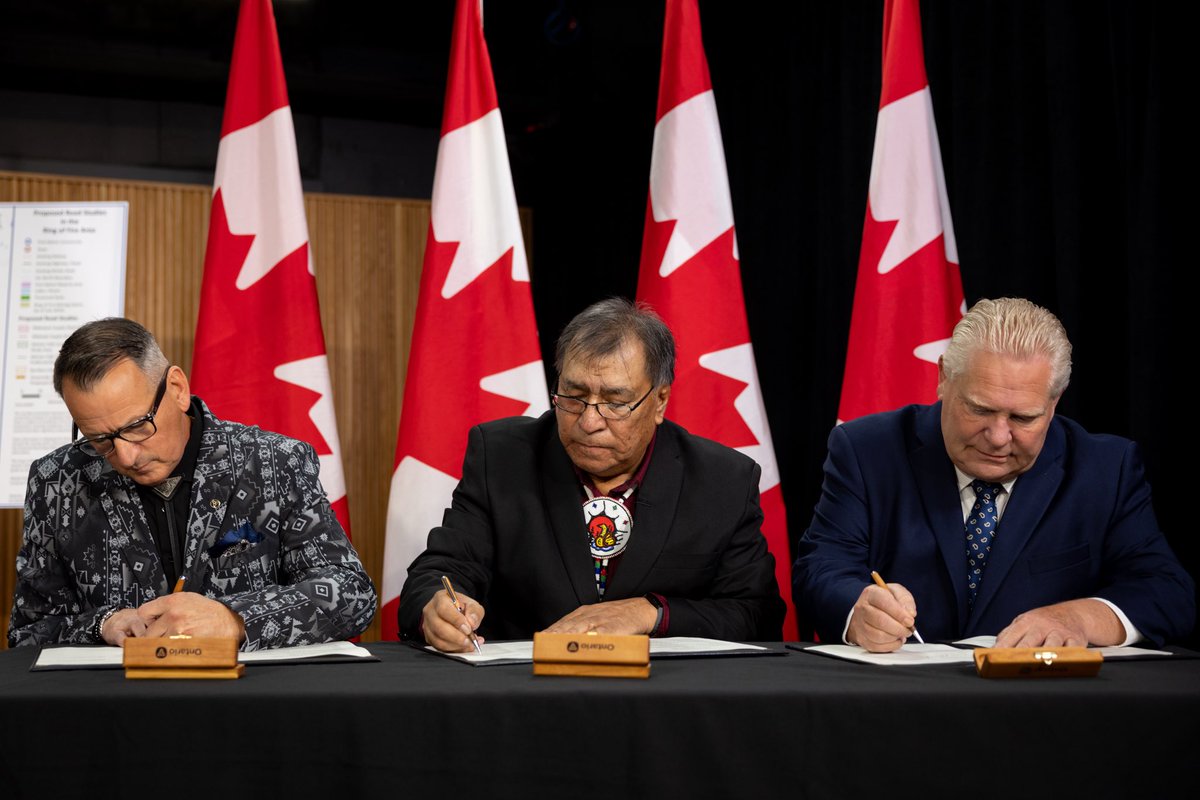
Today’s agreement with Webequie First Nation is a huge step toward building the road to the Ring of Fire, with shovels in the ground by next June.
We’re working in partnership with First Nations, so we can unlock economic opportunity for northern communities and protect workers across Ontario.
Find out more: https://t.co/UYjR7FZoqN
Another massive step forward as we unlock Ontario's economic potential.
Working with @fordnation and @GregRickford, our government is building the roads, reducing permitting timelines by half, and expanding mineral processing to secure Canada's long-term prosperity.
Today, we remember the victims of the September 11 terrorist attacks, including 24 Canadians, and honour the brave first responders who risked everything to save others.
Ontario's rep in DC, David Paterson, ahead of tomorrow's Carney-Trump meeting:
"We've been working very hard since Premier Ford came down and met with with Secretary Lutnick and with Ambassador Greer . . . we've seen progress in a variety of ways." #cdnpoli
More: https://t.co/TKuQ0ifKuZ
I just had a good call with President Trump. Canada is implementing our $1.3 billion border plan — reinforcing the border with new choppers, technology and personnel, enhanced coordination with our American partners, and increased resources to stop the flow of fentanyl. Nearly 10,000 frontline personnel are and will be working on protecting the border.
In addition, Canada is making new commitments to appoint a Fentanyl Czar, we will list cartels as terrorists, ensure 24/7 eyes on the border, launch a Canada- U.S. Joint Strike Force to combat organized crime, fentanyl and money laundering. I have also signed a new intelligence directive on organized crime and fentanyl and we will be backing it with $200 million.
Proposed tariffs will be paused for at least 30 days while we work together.
The Maine economy is integrated with Canada, our most important trading partner. Certain tariffs will impose a significant burden on many families, manufacturers, the forest products industry, small businesses, lobstermen, and agricultural producers.
For example, 95 percent of the heating oil used by most Mainers to heat their homes comes from refineries in Canada. The Air National Guard Base in Bangor depends completely on jet fuel and diesel from Canada. From fisheries to potato farmers to paper mills, these tariffs will have a significant impact on Maine’s economy and risk increasing costs for our residents.
I am working with the Trump Administration to help its officials better understand the potential ramifications of certain tariffs on Maine and to find out more about their implementation, scope, duration, and other important information, including any exemptions they may make for northern border states, certain industries, agricultural producers, and others who rely on trade with Canada.
I’ve got a better deal for President Trump: let’s work together to build Fortress Am-Can and take on the world. When Canada and the U.S. work together as two proud independent countries, we’re unstoppable.
President Trump was asked about my comments last night when I said we need to be ready to stand up for Canadian workers if he follows through with his tariffs. President Trump told a reporter that he hopes the U.S. and Canada can work something out. I agree.
The good news is the pathway to a deal isn’t complicated. The federal government needs to make sure Canada invests in our shared security with a credible plan to reach our two per cent defence spending NATO commitments, which all premiers support. The federal government needs to immediately protect our border against illegal immigration, drugs and guns that hurt both American and Canadian families. Ontario stands ready to support the Canada Border Services Agency and RCMP with hundreds of new police officers on the ground, alongside planes, helicopters, boats and drones.
Together, we need to stay focused on the real threat: China shipping cheap products through Mexico, undercutting American and Canadian workers. We’ll continue to meet with U.S. lawmakers on the need to build Fortress Can-Am with our critical minerals in the Ring of Fire and nuclear energy as we build the first small modular reactors in the G7. We’re stronger together.
Wrapping up our trade mission in #Washington with David Paterson, Ontario’s Representative in Washington.
David continues to serve as an important voice for Ontario on the ground in Washington.
Our government will continue to stand up for Ontario businesses and Ontario workers, as we work to strengthen our economic partnership with our closest ally, the U.S.
A 25 per cent tariff would be devastating to workers and jobs in both Canada and the U.S.
The federal government needs to take the situation at our border seriously. We need a Team Canada approach and response—and we need it now. Prime Minister Trudeau must call an urgent meeting with all premiers.
The U.S. is moving fast to ban Chinese software from vehicles on American roads. They’re worried about disruption and sabotage. To protect our shared national security, Canada must stay in lock-step with our American allies and do the same.
By taking this step with the U.S., we can protect our critical infrastructure from foreign interference, build up our North American supply chains and protect good jobs on both sides of the border.