Our updated @georgetownccf tracker finds that 16 months into President Trump’s 2nd term, Medicaid is covering 2 million fewer children.
This is very bad news b/c the child uninsured rate is likely going up as a result.
And this is before HR 1 Medicaid cuts kick in.
Can't be stated enough that *eligible* low-income Arizonans are losing their SNAP benefits.
They just can't get through the process to demonstrate their eligibility because Arizona's response to federal SNAP cuts is pushing its understaffed state agency to its breaking point.
Clearly this is a man who has never personally applied for public benefits.
Also he may not be aware of how the federal budget works either. You could fully eliminate all forms of public assistance and still not balance the federal budget, let alone scale back public benefits.
Miller: The way most welfare works in most states and most places is we take your word for it. If you say your kids are hungry, you are going to get food stamps. We don't check if you even have kids. You will just start getting the checks.
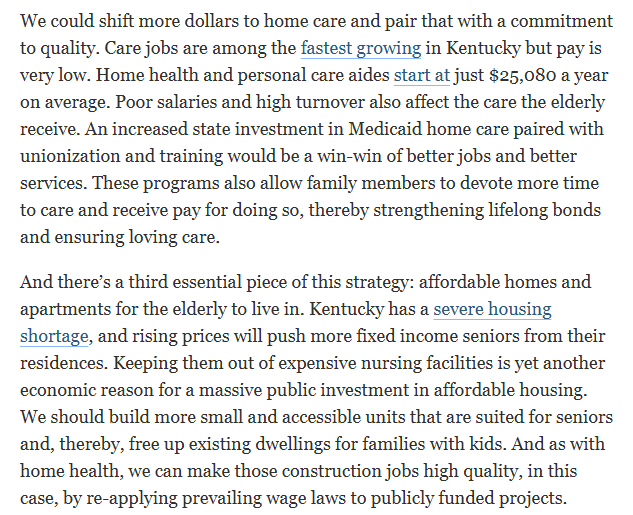
Kentucky's population is getting older and we're not prepared for the challenges that come with that.
But as our newest op-ed explains, we can get prepared by embracing a few key policies.
San Diego fell from 5th to 12th most expensive rental market by building more multifamily housing per capita than any other California city.
This is what happens when you actually build. The lesson isn't complicated.
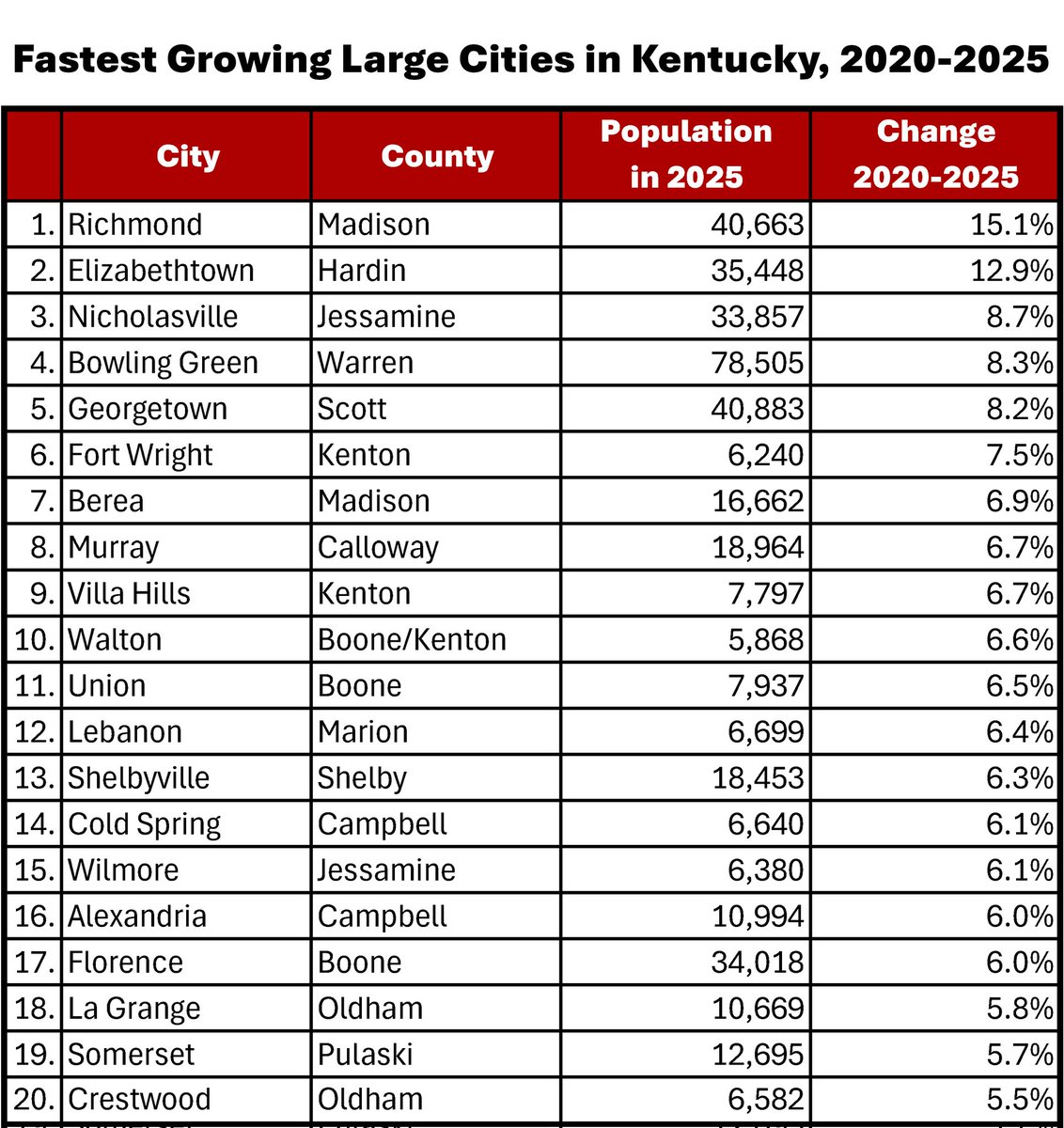
Richmond's population has increased by more than 15% over the past 5 years. Within the next year or so, it will likely surpass both Georgetown and Covington to become Kentucky's fifth largest city.
The share of laid-off Kentuckians who have run out of benefits before they found a new job has returned to Great Recession levels.
This isn’t because things are bad right now, it’s because KY cut the number of weeks people could use benefits a few years ago.
TODAY (5/18)! #ThriveKY Virtual Forum with CHFS returns! Hear directly from Cabinet leaders on rural health, child care, Medicaid, food assistance, behavioral health, and new program changes shaping KY communities in 2026. Join us LIVE at 2PM Eastern: https://t.co/S8ppJ8Z2u1
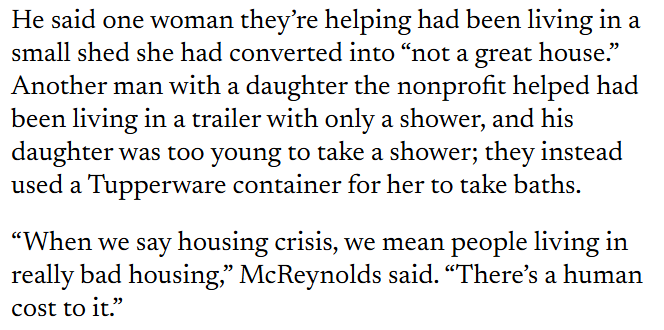
We see the impact of the Affordable Housing Trust Fund firsthand in #EasternKY. 🏡
As HDA Executive Director Scott McReynolds says: “The housing crisis won’t be solved with small steps. The investment has to match the scale of the need.”
#AffordableHousing#FundingCantWait
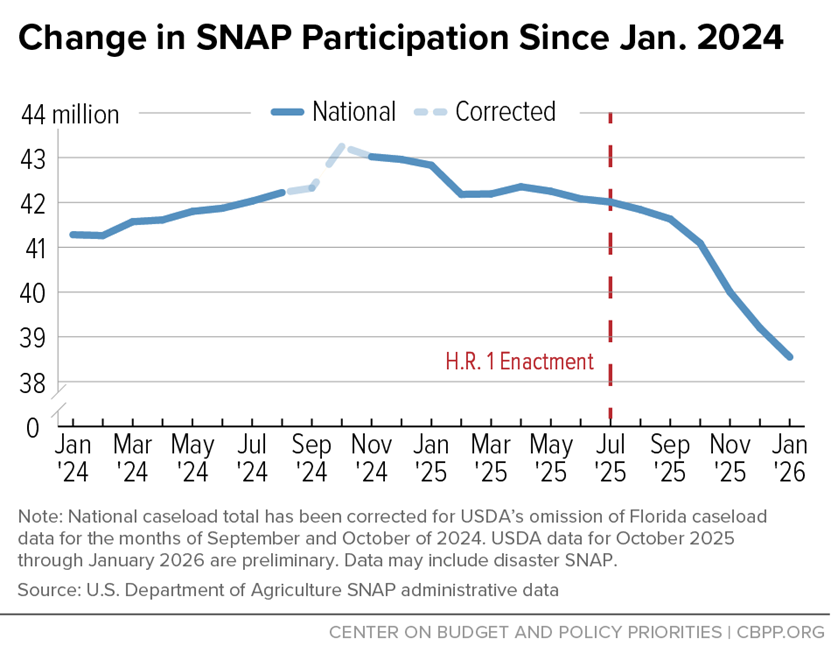
President Trump signed the deepest SNAP cuts in history into law last July. Now, people are losing food assistance at the fastest rate in almost 30 years because of harmful policy changes, not because they don't need help affording groceries.
And she calls that "good news."
Life expectancy varies widely between Kentucky counties, census data shows.
In Owsley County, one of the state’s poorest, life expectancy is 64.9 years. But in Oldham County, the state’s wealthiest, it’s 80.3 years.
This is why protecting rural health care systems is so vital.
Rural Kentucky continued to lose population in the past 5 years, new census data shows.
People leaving eastern Kentucky once drove this trend, but that’s less of a factor now. Instead, the advanced age of those who remain and lower life expectancy play the biggest role.
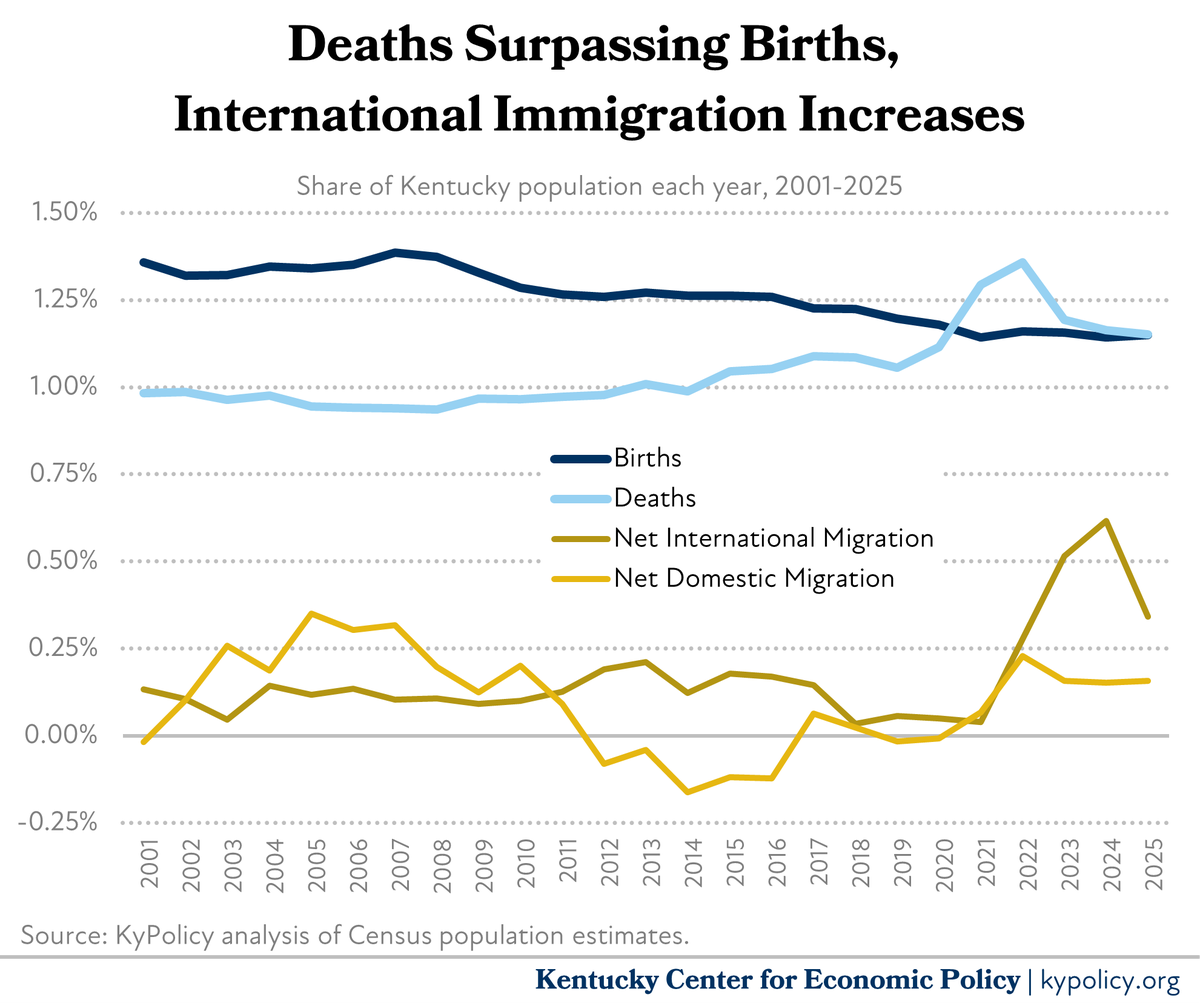
KY’s population grew by 2.2% over the past 5 years, census data shows.
But with deaths exceeding births and an aging baby boomer population, that growth was largely driven by international migration. Another reminder of the important role immigrants play in the commonwealth.
New @KyPolicy dive into the recent 5-year KY population trends. The data tells a story of an aging baby boomer population and the spike of COVID deaths in a state with low life expectancy, the importance of immigration and more. 1/2
This is the kind of good work made possible by the Affordable Housing Trust Fund.
And why we joined calls for a major investment in this year's budget. Instead, lawmakers appropriated only $5 million, not nearly enough to make a meaningful difference in our housing crisis.