@MattJamesBoyle@iavins I believe this lib was originally extracted from group cache (https://t.co/y24JSo8s9x). I've also used it in some code dealing with 3rd party integrations.
@aboodman Also Sonos.
Play 5 stereo pair in the main room.
Play 1 in bedroom.
Port connected to Denon Amp and Martin Logan speakers which are also used for the TV.
I'd probably get an Arc for the TV if I was starting over.
@joshelman@jamescham Also, the evidence on efficacy of brainstorming is spotty at best. It _feels_ good, which does support an important purpose but likely doesn't actually result in better outcomes.
@joshelman@jamescham It's not about simulating real world interactions, but facilitating different interactions that have similar outcomes.
FWIW The biggest gap I see is cultivating belonging, which is necessary for many of these processes.
@joshelman@jamescham Yes! Intentional communication and collaboration is the key.
I do think all 4 classes of work you outlined can be done successfully remotely, lots of evidence that's the case. But it's ok if not everyone wants to spend "innovation tokens" figuring it out. It is still nascent.
@joshelman@jamescham I remember talking to a team pre-covid who was struggling, they were split over two floors and essentially experiencing the same issues we talk about today with naive remote work.
"remote" is really a spectrum.
@joshelman@jamescham The point was that remote work amplifies organizational dysfunctions which already exist, but are either not acute enough to fix or not felt by all.
Practices that make remote-work work, make work better.
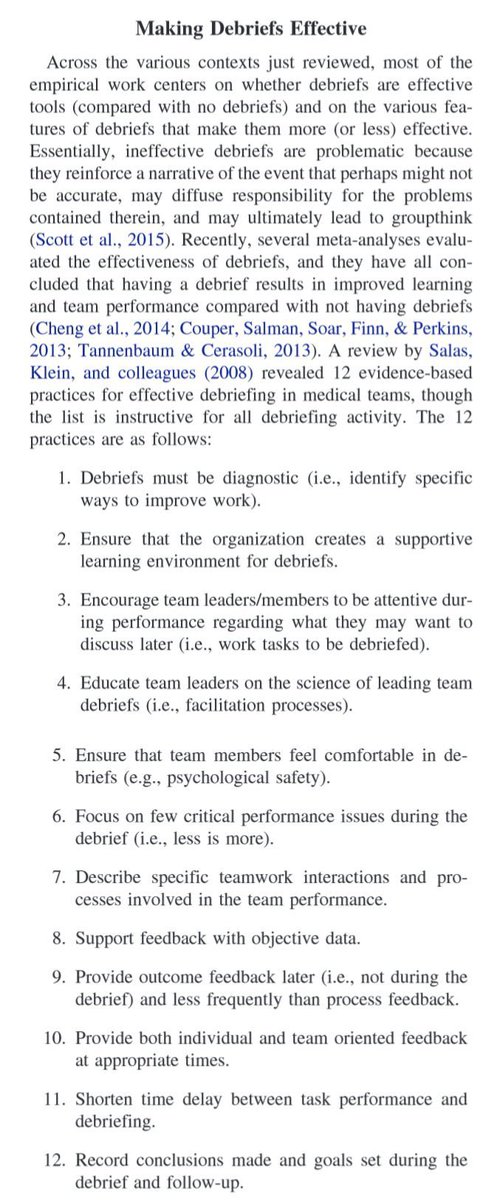
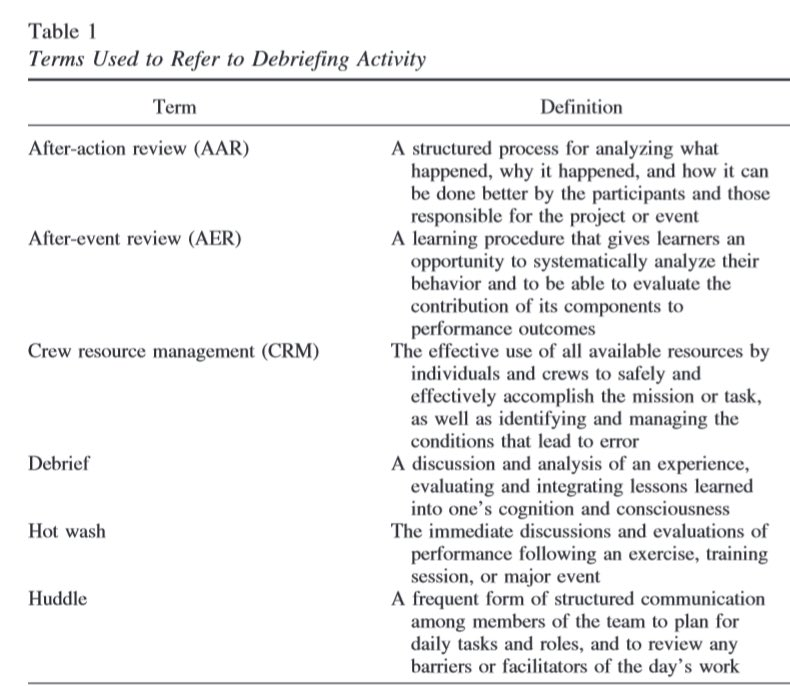
Teams that do regular debriefs (meetings focused only on learning from past team performance) improve team performance by up to 25%, but they are often infrequent, conducted only after things go wrong or big projects end.
Research on the best approaches: https://t.co/Q6rBz6vDv3
As well as pressure from the labour movement, reduced work hours gained popularity during the great depression because it meant there was more work to go around.
Worth noting that 1870 was close to peak; a time where work weeks were 70hrs and it was common to see children in factories.
By comparison, 14th century casual laborers worked about 1400 hours and 15th century farmer/miner worked about 1900.
@gavindoughtie Yeah... seems like a fundamental shift is needed.
In the meantime, China is the canary, with population possibly reaching peak and projected to decline significantly by 2100.
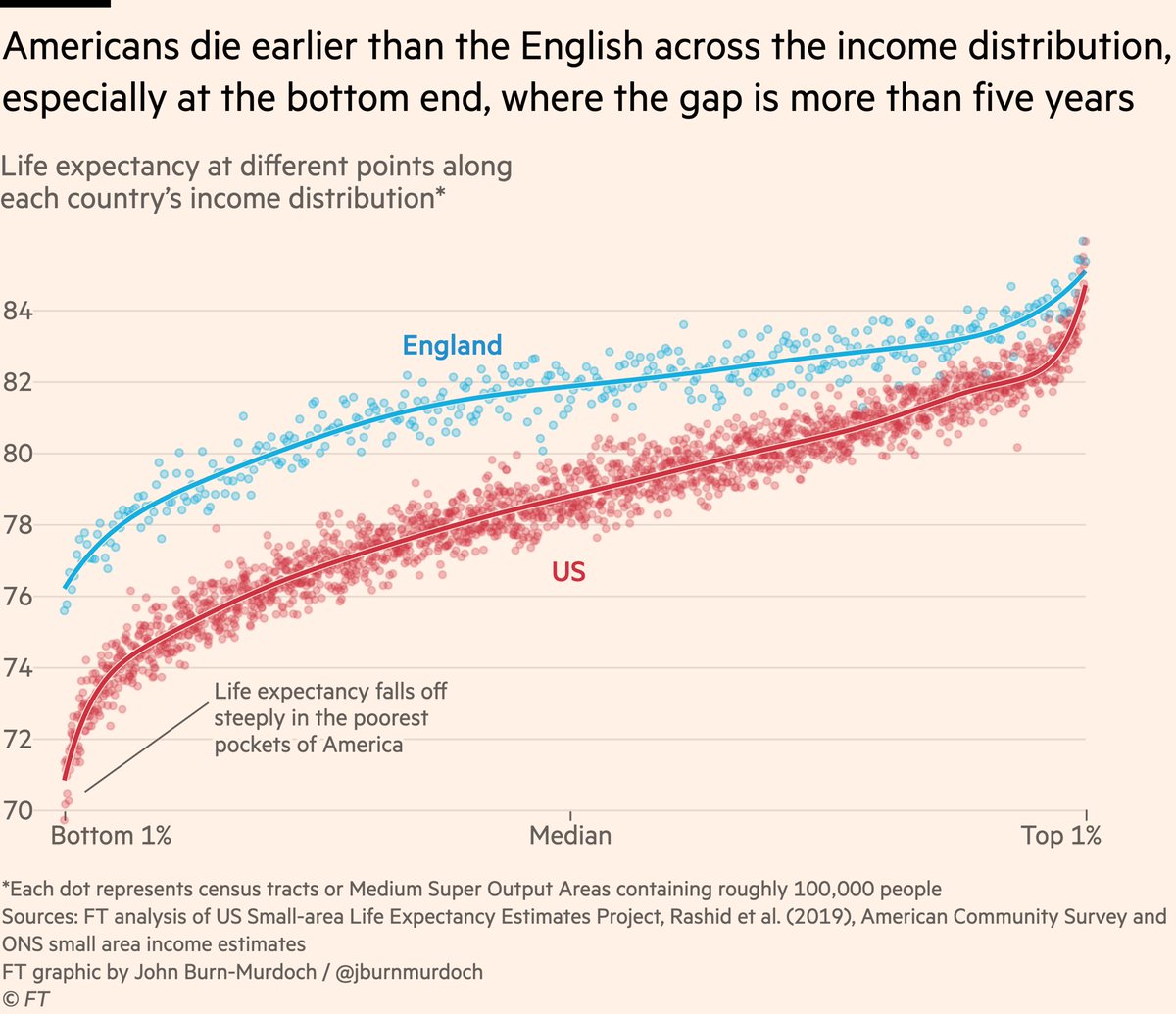
NEW: I’m not sure people fully appreciate how dire the US life expectancy / mortality situation has got.
My column: https://t.co/dBIhT9eZLv
And some utterly damning charts.
1) at *every* point on the income distribution, Americans live shorter lives than the English.