We created a GitHub repo for all MCP at @Google.
Get info on our remote managed MCP servers, open source MCP servers, examples, and learning resources.
https://t.co/XAOVhJjB4W
Use CSS custom properties and the sin() trigonometric function to give each character an eased animation-delay 🤙
.char {
animation-delay: calc(
sin((var(--index) / var(--total)) * 90deg) *
var(--duration)
);
}
Introducing sidebar.tsx—25 components to help you build all kinds of sidebars.
I don't like building sidebars. So I built 30+ of them. All types. Then simplified the core into sidebar.tsx—a strong foundation to build on top of.
It works with Next.js, Remix, Vite & Laravel.
Understand console errors with #Gemini is now available in US and a few supported regions!
Follow these steps to enable it 👉 https://t.co/ff2S943BXX
#ChromeDevTools
I could teach a day or two worth of workshops teaching how react-aria accomplishes all the power and flexibility just from what's on this page: https://t.co/dLRJgfdCNp
Really awesome patterns!
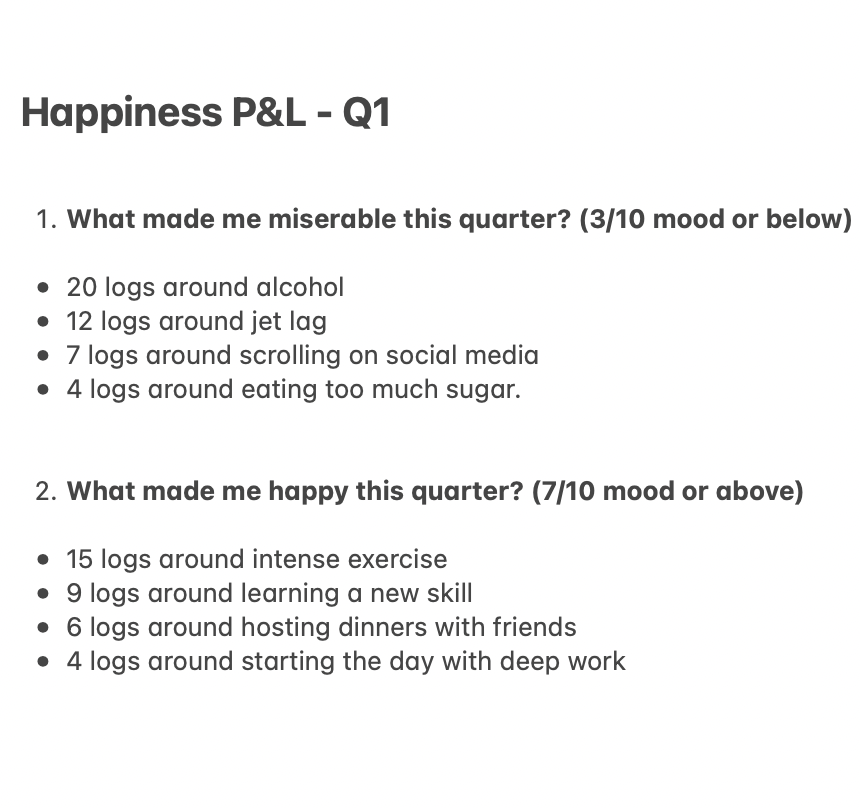
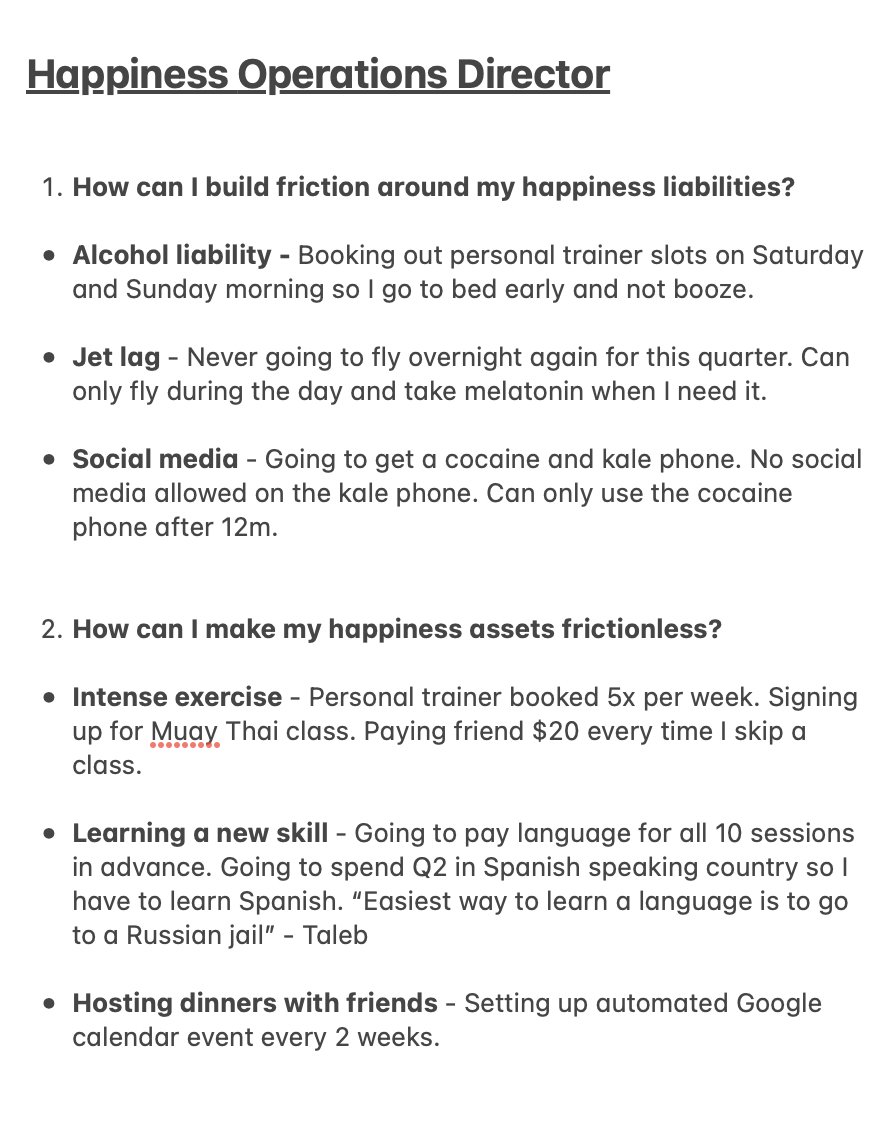
How to be happy (no bullshit - just data)
Thought experiment: If you wanted to hurt a business, what would you do?
One of the first things: Remove all data.
Meanwhile, almost nobody has any data on their happiness.
Why?
How to create a Happiness P&L on your iPhone:
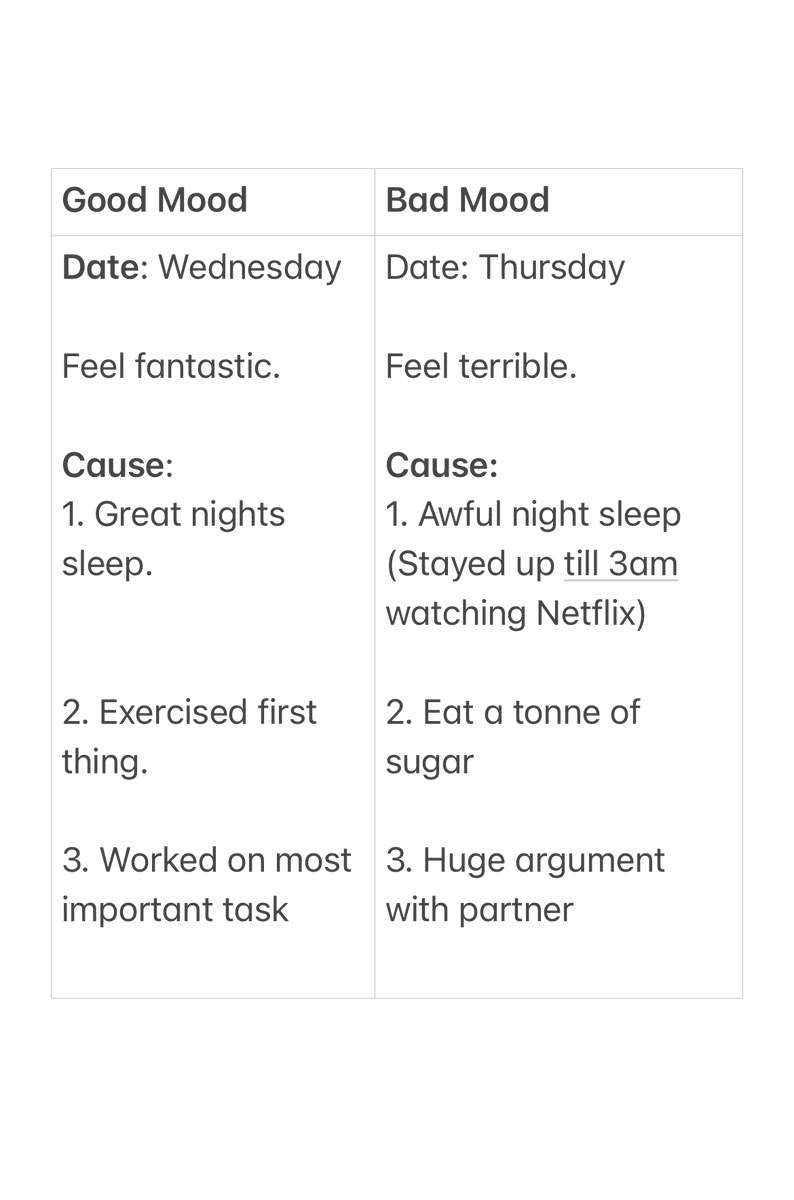
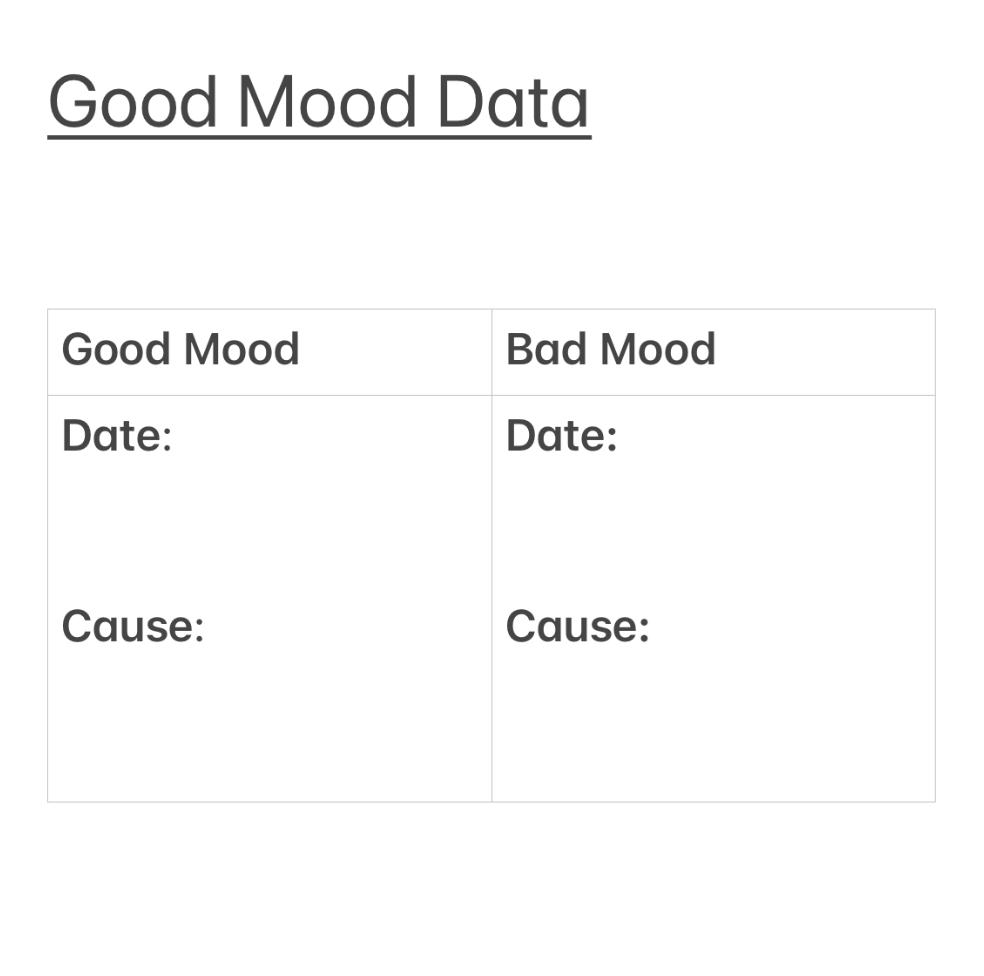
Step 1 - Create a table
If you have an iPhone, Apple notes is perfect for this.
Apple notes works better than a spreadsheet because it's frictionless -- which is key.
Make sure you pin it to the top of your notes to reduce further friction.
Step 2 - Log your mood
An average day = 5/10 mood.
If you hit a 7/10 or above, write down what caused it.
If you hit a 3/10 or below, write down what caused it.
Step 3 - Analyse your assets and liabilities
Over a month, you'll have 10-20 entries.
Over a year, you'll have 100-200 entries.
The beauty of this is you're now detached. It's just raw data of many present moments stacked together.
Look at the data like a happiness P&L.
Step 4 - Design environment and incentives
E.g.
If alcohol causes 50% of your negative mood -- you can design environment and incentives around removing this.
However, if partying with friends causes 50% of your positive mood -- you can design environment and incentives around doing this more often.
There's no right or wrong answers like the happiness gurus will suggest: There's just raw personalised data.
Now you have this raw personalised data -- you can think about it like an operations director managing a supply chain or a cash flow forecast.
-----
Why does this work?
1. The problem with happiness gurus: What makes one person happy might make someone else miserable.
The happiness industry wants to sell a magic pill (e.g. Yoga, meditation, exercise, new diet, new journalling technique etc) -- which is why it fails because it doesn't take into consideration individual differences.
One person may find Yoga fixes their anxiety -- another person may prefer to watch paint dry than do Yoga.
2. Do not forget the forgetting paradox.
The big problem people face with happiness is the forgetting paradox: We forget how much we forget because by definition -- we've forgotten it.
By tracking your mood -- you can see just how many times something made you miserable or happy. It's no longer discarded into the memory abyss.
Each month and year, you can turn into a private equity firm -- but for your happiness: Strip the liabilities and double down on the assets.
The system begins to compound. If something has made you happy or miserable 20+ times, it's impossible to bullshit yourself anymore.
Without this data -- it's so easy to bullshit yourself.
You would not run a business without any data.
Why are you running your life without any data?
-----
Nuance:
When I use the term happiness in this context here - I mean increasing your average mood per day out of 10.
The goal isn't to have a laborious debate around the many meanings of the word "happiness".
If your mood is an 8/10 or above each day -- that sounds like a fantastic life.
This is bizarre to say, but my first-ever recorded in-person talk is now up on YouTube!
I'm really proud of this talk - it teaches Generics in the way I wish I'd been taught them, by talking about type arguments and type parameters.
https://t.co/hwCPgRakRx
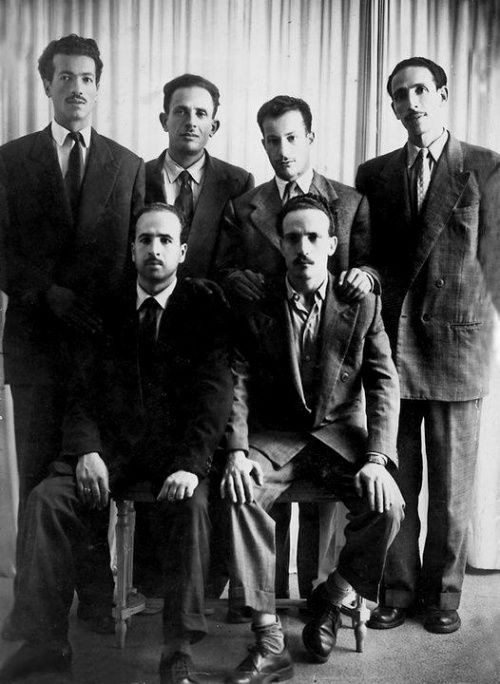
يوم تغير كل التاريخ.. و اندلعت ثورة التحرير في سبيل الله و الوطن.. ناشدين الحرية و الكرامة او الشهادة في سبيل الله.. 1.5 مليون شهيد من 1954 الى 1962 و 12 مليون شهيد من 1830
الى 1962..
#الجزائر
When the history changed... We will never forget. Glory to our martyrs. The beginning of everything. 🇩🇿🇩🇿
1.5 million martyrs from 1954 to 1962
12 millions martyrs from 1830 to 1962
When the history of north africa changed.. France will never forget.. glory to our martyrs.. the begining of everything.
يوم تغير كل التاريخ و اندلعت ثورة في سبيل الله و الوطن.. ناشدين الحرية و الكرامة.
تحيا الجزائر.. المجد و الخلود لشهدائنا الابرار.. 🇩🇿
#اول_نوفمبر_1954