Did you know dogs can have a coat pattern that looks like tiger stripes? The pattern is controlled by genetics and happens when dark pigment forms streaks over a lighter base instead of blending during hair growth. This creates stripe patterns controlled by pigmentation.
Did you know that tigers aren’t actually orange? Well, to us they are, but to their prey it’s a whole different story. Animals like deer lack the red-sensitive cone cells of the human eye, so a tiger’s orange fur blends into green vegetation and works as camouflage.
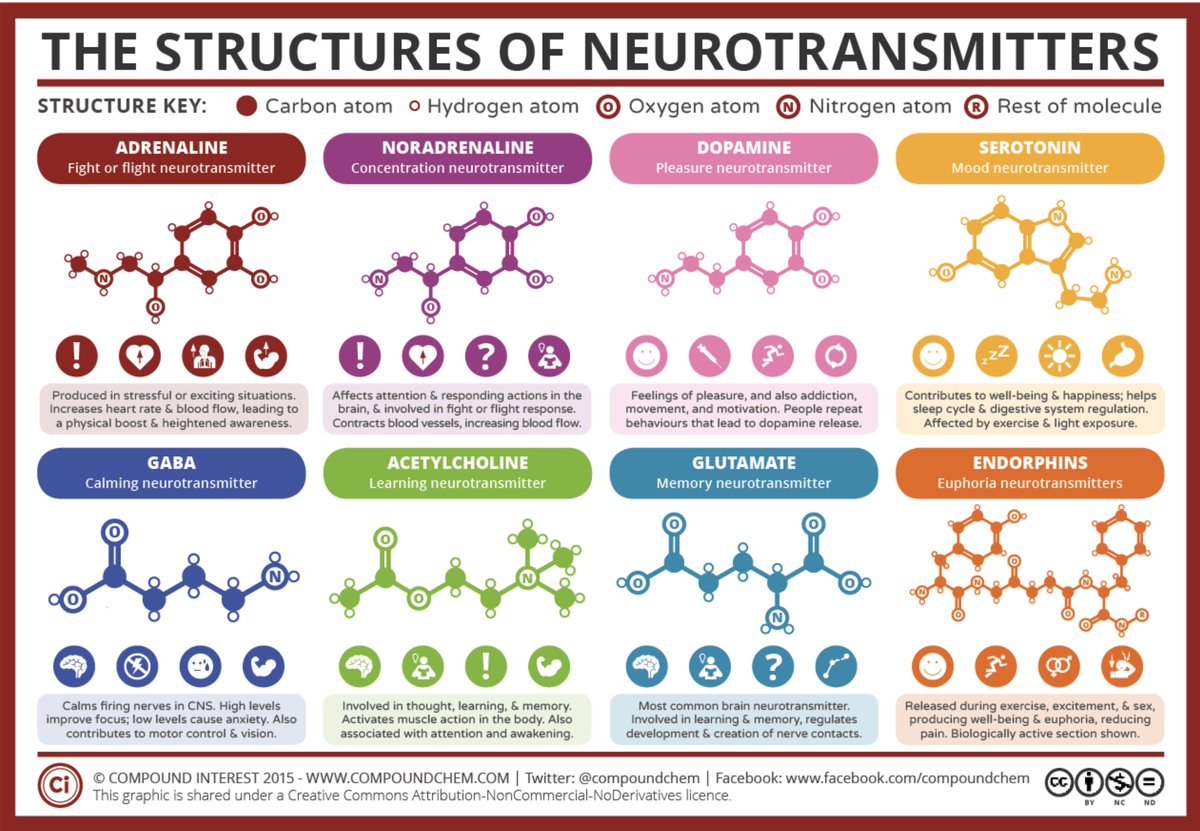
Did you know falling in love triggers a surge of chemicals in your brain? Dopamine fuels pleasure, oxytocin builds attachment and trust, and norepinephrine gives you that racing-heart, can’t-stop-thinking-about-you feeling. Love is literally a powerful neurochemical reaction.
Did you know a jellyfish Turritopsis dohrnii can reverse its life cycle through transdifferentiation? When injured, it transforms adult cells back into a juvenile state and starts over—making it biologically potentially immortal. Nature built in a restart button.
Did you know water molecules absorb red, orange, and yellow light more than blue—so blue light is scattered back to our eyes, giving the ocean a blue color. When the ocean turns green, it’s often rich with microscopic plants (phytoplankton) whose chlorophyll reflects green light
Did you know that manganese can be used as an inexpensive metal, to convert carbon dioxide into clean energy? A manganese catalyst was recently redesigned to efficiently convert carbon dioxide into formate, a source of hydrogen fuel, without the need to burn fossil fuels.
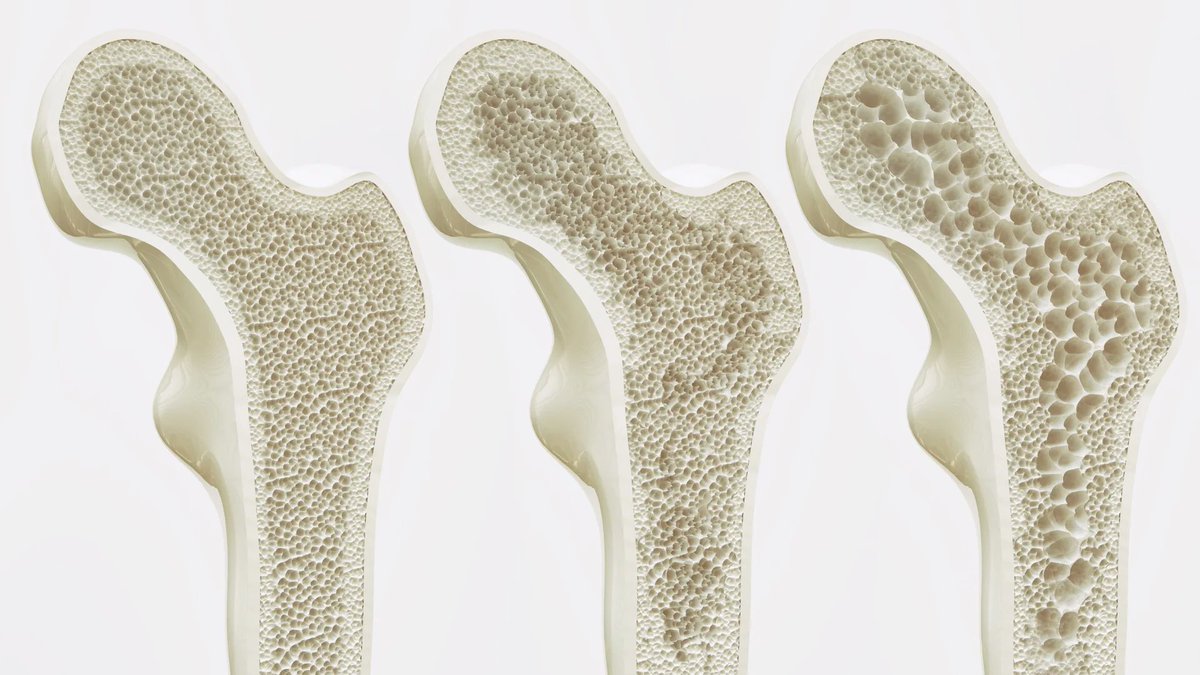
Did you know that a recently discovered protein (Piezo1) can promote bone tissue formation in response to physical activity? Understanding the pathways involving Piezo1 may lead to drugs that can simulate exercise to encourage bone strengthening to treat people with osteoporosis
Did you know that the Sun can sit directly overhead at solar noon, making vertical objects cast no shadow. In Hawaii, this Lāhainā Noon or “zero shadow” phenomenon happens at the summer solstice. Although lasting just a few minutes, it looks like gravity forgot how light works!
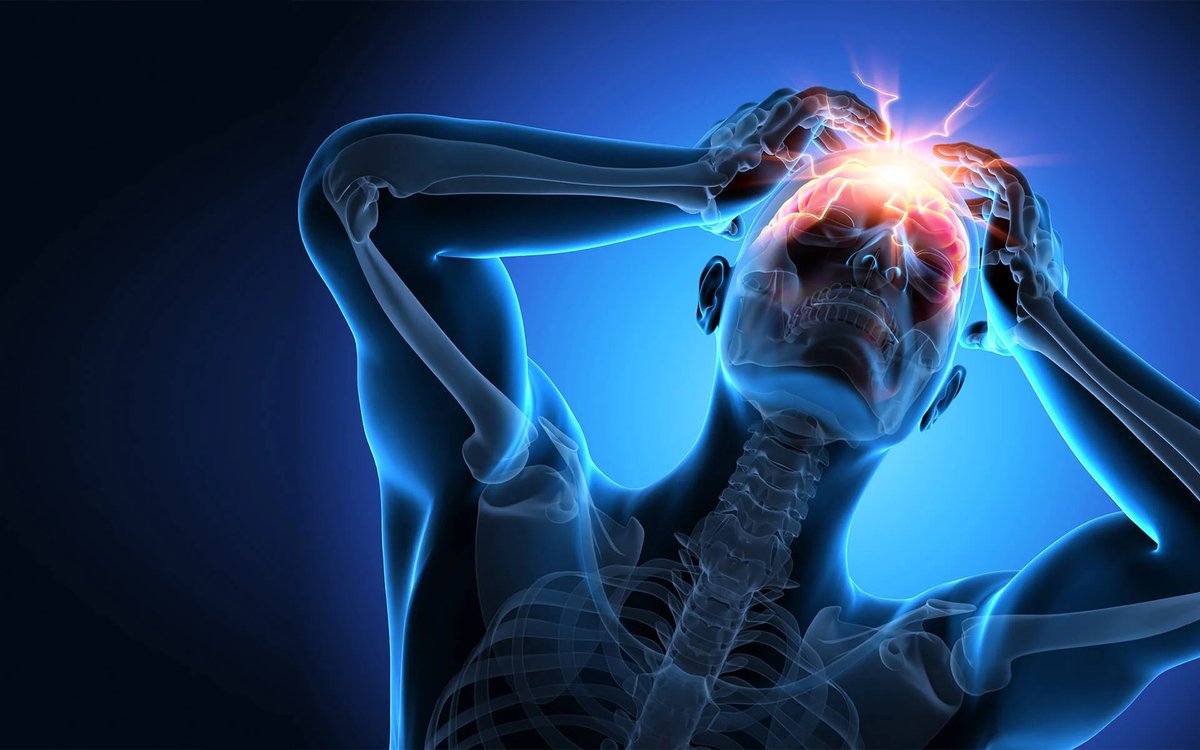
Did you know your brain itself can’t feel pain?
Brain tissue lacks the protein pain receptors—even though it processes pain. That’s why awake brain surgery is possible. Headaches actually come from pain-sensitive tissues around the brain, like blood vessels, meninges, and muscles
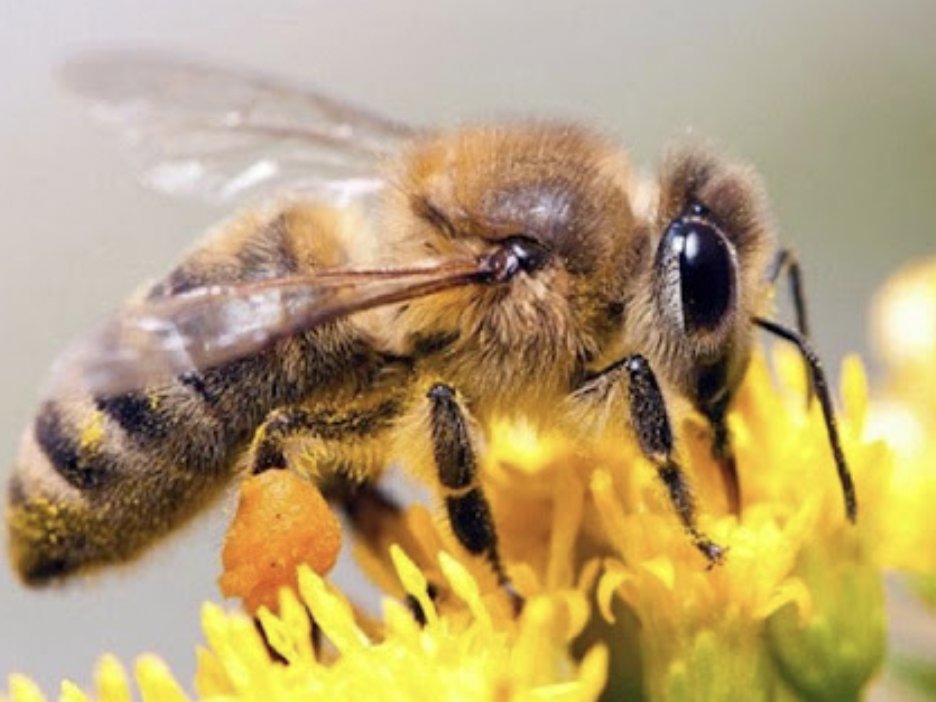
Did you know that bees navigate using the sun? When placed in a glass chamber they fly towards the light. When the lights were turned off, they lost their sense of “up” and dropped to the floor. Their internal compass only works when they see sunlight/polarized skylight patterns!
Did you know that blocking a single protein can shrink lung tumors up to 80%? Inhibiting FSP1, a key suppressor of ferroptosis, forces lung adenocarcinoma cells into iron-driven cell death, weakening tumors in mice. This breakthrough could open doors to new lung cancer therapies.
Did you know that the fluffy cloud above you might look light, but it can weigh over a million pounds? It floats not because it’s weightless, but because warm, rising air below is denser than the cloud’s moist air—keeping this massive masterpiece of physics suspended in the sky.
Did you know there’s a real medical condition that may have inspired vampire myths? Porphyria is a rare disorder that makes sunlight painful, turns teeth reddish, and causes pale skin. The disease affects how the body makes heme, the molecule that gives blood its red color.
Did you know that human eye regeneration is being studied through snails? Pomacea canaliculata (golden apple snail) is a highly invasive snail species that can regrow not only their eyes, which happen to be similar to human eyes, but also their entire heads in only a month.
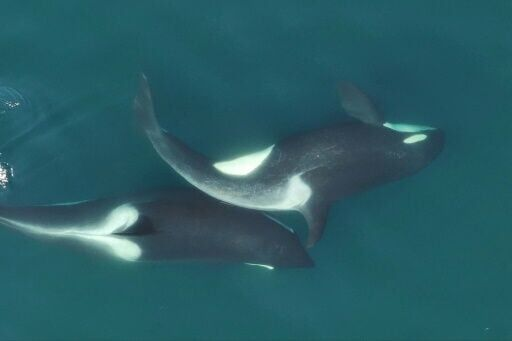
Did you know that killer whales use seaweed as grooming tools? In the Salish Sea, researchers have seen orcas playfully rolling strands of kelp across their bodies, not just to clean their skin, but also to reinforce social bonds within the pod.
Have you heard of “butt-breathing”? Some turtles have a remarkable adaptation, cloacal respiration, which allows them to absorb oxygen through specialized tissues in their rear end, letting them stay underwater for months during hibernation without needing to surface for air!
Did you know scientists have reprogrammed a botulinum toxis protease, the same protein used in Botox, to selectively break down toxic proteins? This approach targets previously "undruggable" proteins like α‑synuclein, offering a new strategy for treating diseases like Parkinson's
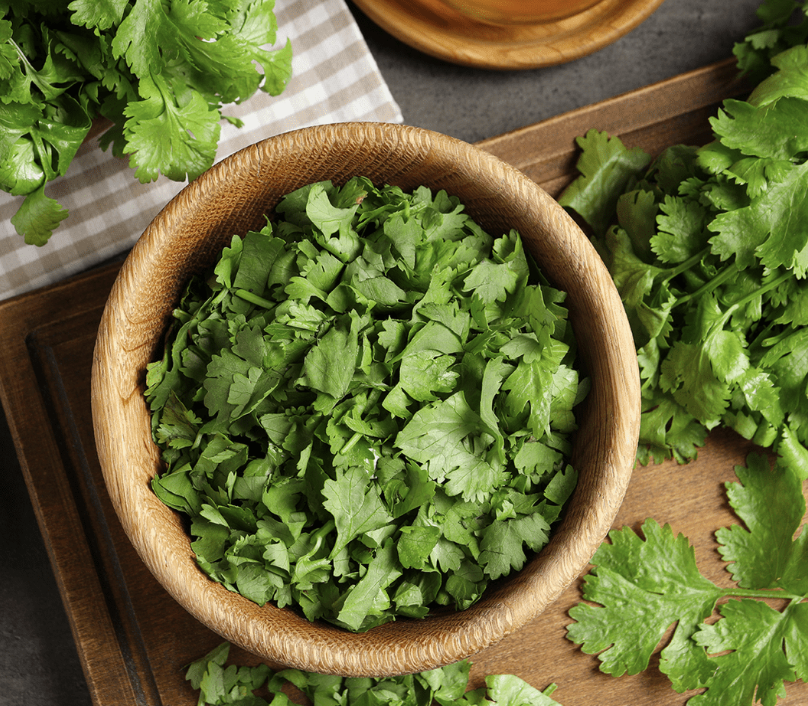
Did you know some people taste soap in cilantro? Some people have receptor gene variations that make them sensitive to aldehyde compounds found in cilantro. These same aldehydes are present in soaps, tricking the brain into perceiving it as soapy rather than fresh and citrusy!
Did you know fungi can turn ants into zombies? The fungus Ophiocordyceps unilateralis infiltrates the ant’s, takes control of its nervous system, and compels it to climb vegetation. Once ded, the fungus bursts out through its head, releasing spores to infect the next victim.