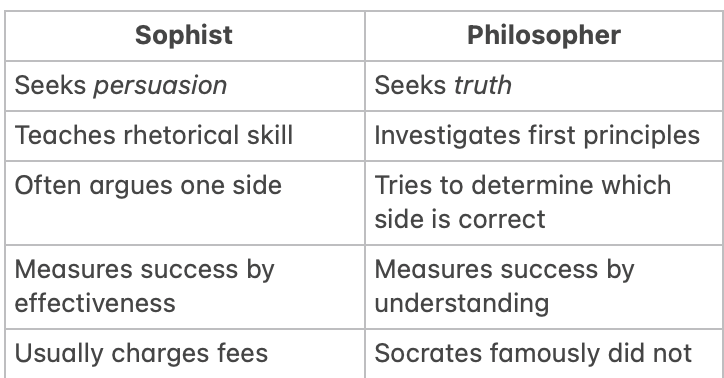
I am using the difference betw think tanks & genuine scholarship as a marker betw the SOPHISTS & the birth of PHILOSOPHY (Socrates), where you are not trying to advocate, learn effective rhetoric, & argue. You are just AT ALL TIMES trying to elicit the truth.
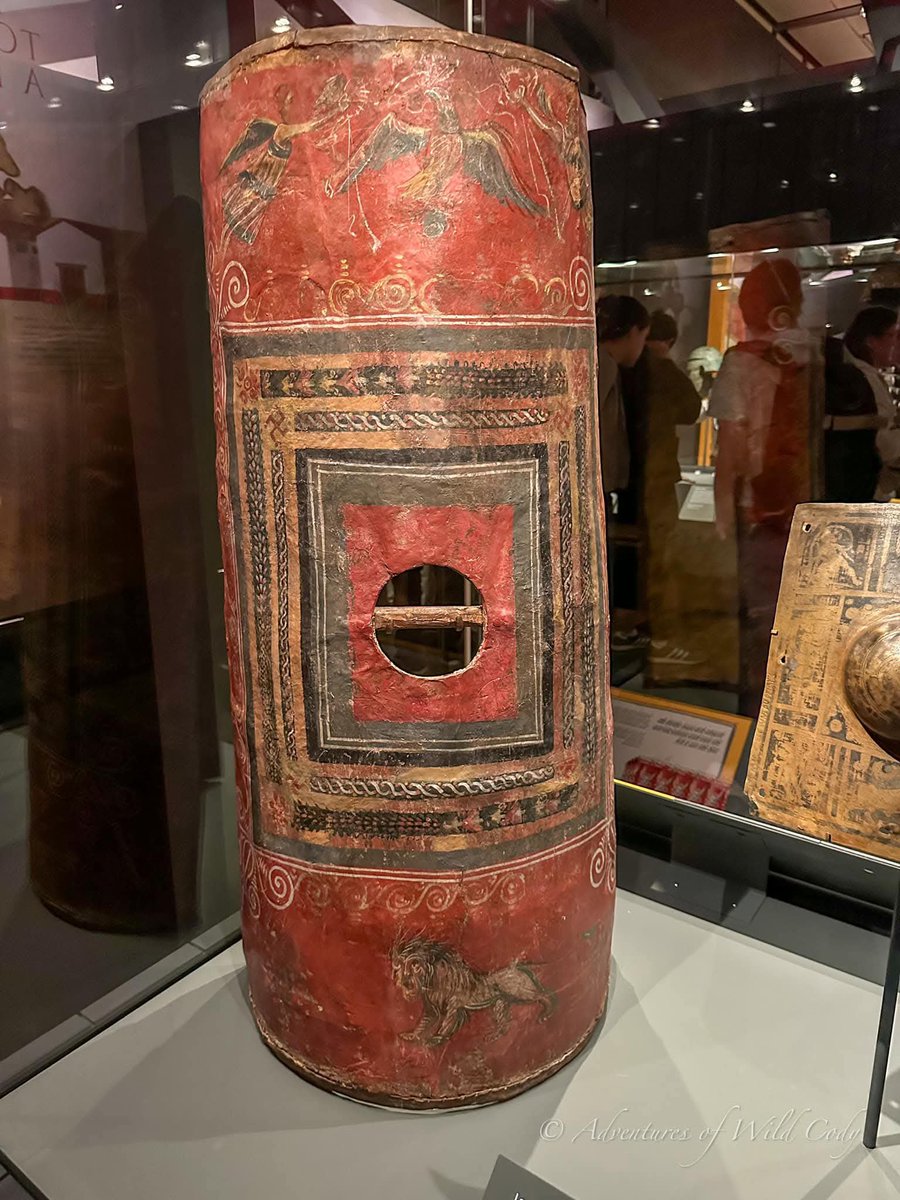
The Scutum of Dura Europos is the only surviving example of the famous rectangular shield carried by Roman legionaries. It was discovered in 1930s at the ancient city of Dura Europos in modern-day Syria, a Roman frontier settlement that became a battlefield in 256 AD when the city was attacked by the Sasanian Empire.
As enemy forces threatened the city walls, Roman soldiers rushed to reinforce their defenses. They packed earth and debris into the fortifications to prevent a collapsing wall from falling.
Among the materials sealed inside was a soldier’s shield.
For nearly 1,800 years, the wooden scutum remained hidden within the defensive structure, protected from the elements that would normally destroy such a fragile object. Unlike metal weapons or stone monuments, wooden military equipment rarely survives from the ancient world. The discovery gave historians an incredibly rare look at the equipment of ordinary Roman soldiers.
The shield still preserved traces of its original construction, including layers of wood, leather, and painted decoration. It revealed details about how Roman armies protected themselves during the empire’s final centuries.
A shield placed into a wall during a moment of crisis became a desperate message from a soldier who lived nearly two thousand years ago, and a forgotten battlefield preserved the only fully survived shield of Rome.
Yale University Museum
#drthehistories
Big believer in the idea that only a handful of decisions determine your entire life. The rest is all just noise
The big decisions are generally:
1. who you marry
2. what career path you go down
3. saving and spending habits
4. how you take of your body and exercise
5. who you spend time with (friends)
If you get these 5 right, it’s really hard to go wrong in life
Ancient Greek Theater: Architecture, Function, Ideology & Technology
The ancient Greek theater was far more than a stage — it was a sophisticated civic monument blending religion, politics, mathematics, acoustics, engineering and performance into a living microcosm of the polis.
Evolution: From simple 6th-century BCE Dionysian ritual spaces to monumental stone structures in the Hellenistic period (late 4th century BCE onward).
1. Topography & Planning Built on natural hillside slopes for stability and tiered seating, outside the city core yet harmoniously linked to the rural landscape. Oriented to avoid strong winds and embrace natural light, mountains, sky and horizon became part of the performance.
2. Key Structural Elements
•Orchestra: Circular performance space (18–25 m diameter), originally clay, later stone/mosaic. Central thymele altar to Dionysus symbolised communal dance.
•Koilon (Theatron): Semi-circular seating in wedge-shaped kerkides, divided by horizontal diazomata for even load, perfect acoustics and easy flow. Based on precise radial geometry.
•Prohedria: Marble front-row seats for priests, officials and sponsors.
•Skene: Backdrop evolving from wooden tent to grand stone façade with proskenion, backstage and scenery storage.
•Proskenion: Elevated actor platform (Hellenistic).
•Parodoi: Side entrances for chorus and audience.
3. Acoustics Legendary open-air design: 20–34° slope, reflective limestone, geometric reflection and no roof. Epidaurus still delivers crystal-clear speech across 60+ metres.
4. Stage Technology
•Mechane crane for “deus ex machina” gods.
•Ekkyclema rolling platform for interior reveals.
•Periaktoi revolving scenery panels.
5. Civic & Social Role Religious festival site, political forum, public critic and identity builder. State-organised Dionysian festivals funded by wealthy choregoi.
6. Scale Small: 3,000–5,000 seats Epidaurus: ~14,000 Hellenistic giants: 20,000+
7. Evolution Archaic: temporary wood Classical: standardised form Hellenistic: monumental stone Roman: raised stages & ornamentation
Videos 👇👇👇
1An Introduction to Greek Theatre – National Theatre https://t.co/rugwnAq3oi
2Ancient Greek Theatre – Parts & Machinery (3D) – Ancient Athens 3D https://t.co/VmGk2KKex3
3Ancient Greek Theaters and the Golden Mean – Rick Steves https://t.co/qIgWZAUtLb
4The Development of Ancient Greek Architecture – Kings and Generals https://t.co/JUBkb7g5Py
Further Reading Pickard-Cambridge – The Dramatic Festivals of Athens Travlos – Pictorial Dictionary of Ancient Athens Bieber – History of the Greek and Roman Theater Vitruvius – De Architectura Csapo – Theories of the Greek Theatre
Congrats to the @Neuralink team for helping many people who have lost use of their body with our Telepathy implant that enables computer use simply by thinking!
The next generation Neuralink cybernetic augment with 3X capability will be ready later this year.
Pending regulatory approval, we are also ready to do our first Blindsight augment that will enable those who have even complete loss of vision to see in low resolution at first, leading to high resolution over time.
“Assim como os autodidatas, os perdedores sempre possuem uma base de conhecimento mais ampla do que os vencedores. Se você quer vencer, deve saber apenas uma coisa e não perder tempo tentando saber tudo. Aos perdedores, contudo, é reservado o prazer da erudição.”
—Umberto Eco