In 2018, I shared some PowerPoint files I had made summarizing various research papers I wanted to share with teachers. The DropBox now includes those from 2019, and I will add those from later years in the coming weeks: https://t.co/kIKghom89o.
About 40 years ago I prepared some resources for before-school, after-school, and Saturday morning maths clubs. I found some of them last week, and thought I would share them more widely. Please feel free to use in whatever way you like: https://t.co/LimHDPfJIM
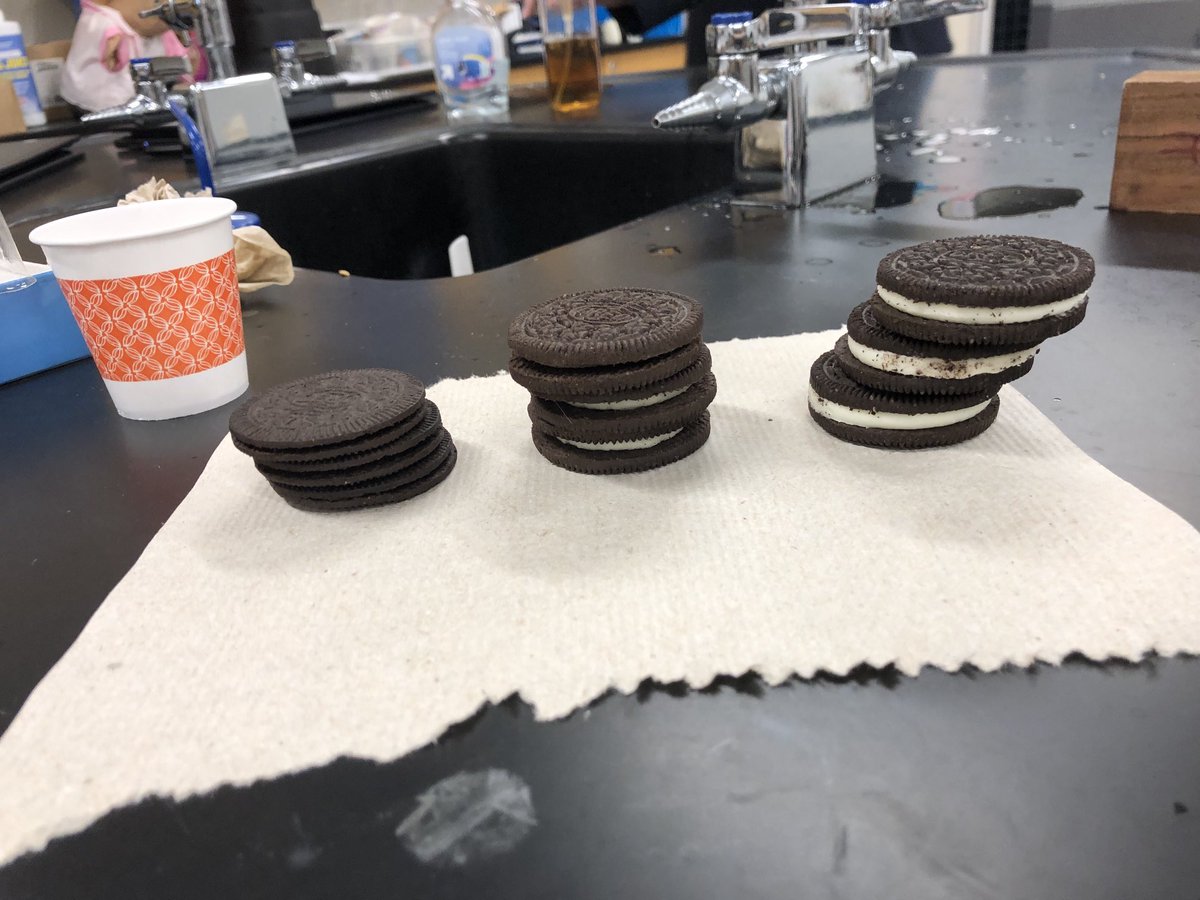
The #DGSScienceClub water engineering challenge: using a clamp stand, 8 straws & masking tape/blu tak, build a pipe to move 100ml water from a reservoir (paper cup) to a house (beaker). Our winners: most water moved 89ml; longest pipe 255cm. Definitely best done outdoors!!
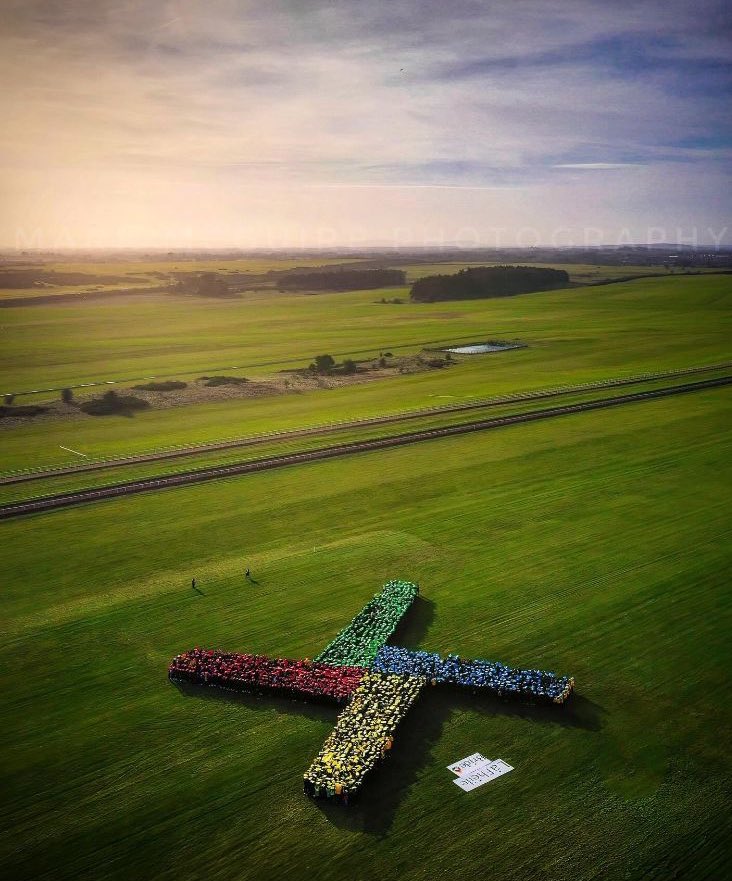
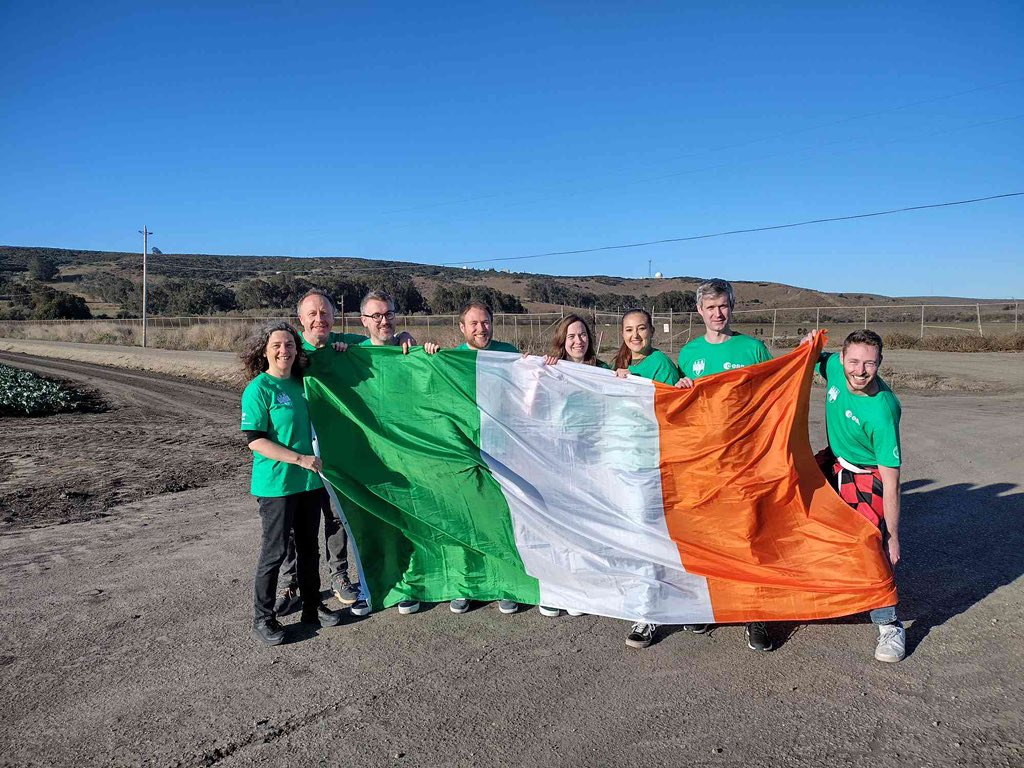
Thousands of secondary school students from Co Kildare have attempted to create a new world record at the Curragh Racecourse this afternoon by forming a human St Brigid's Cross
https://t.co/SEY4tCM1bR
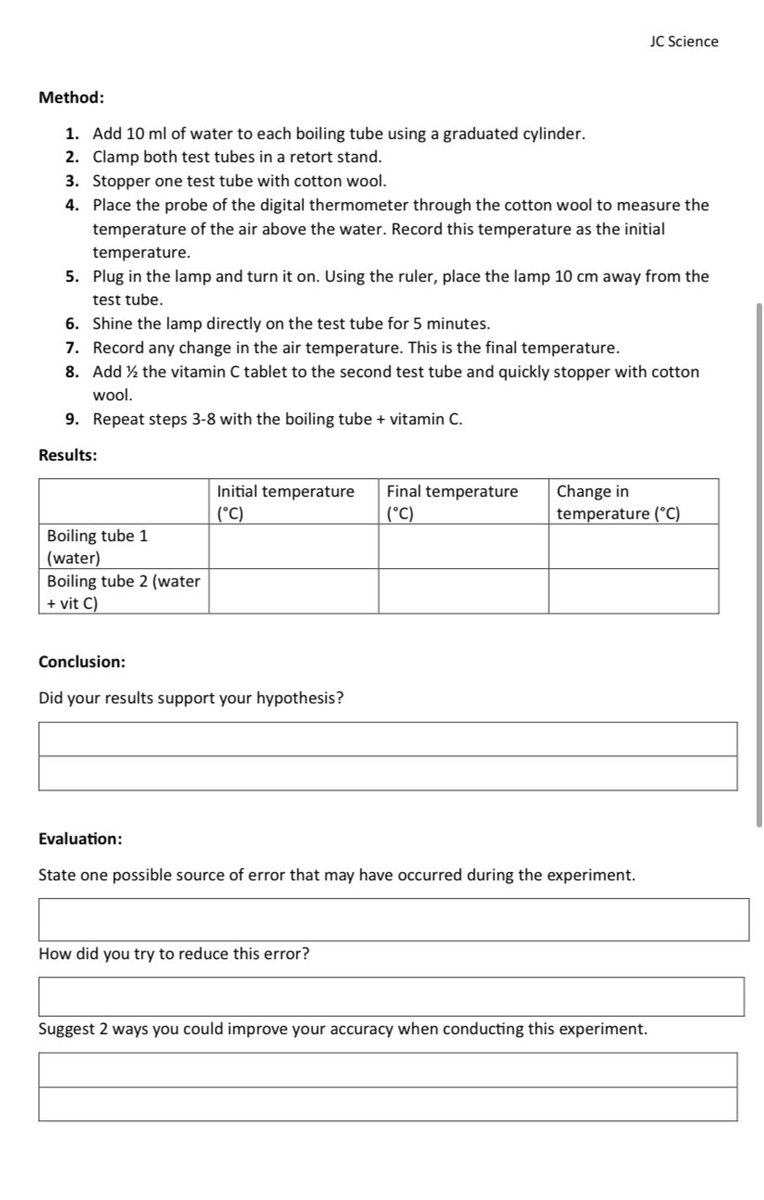
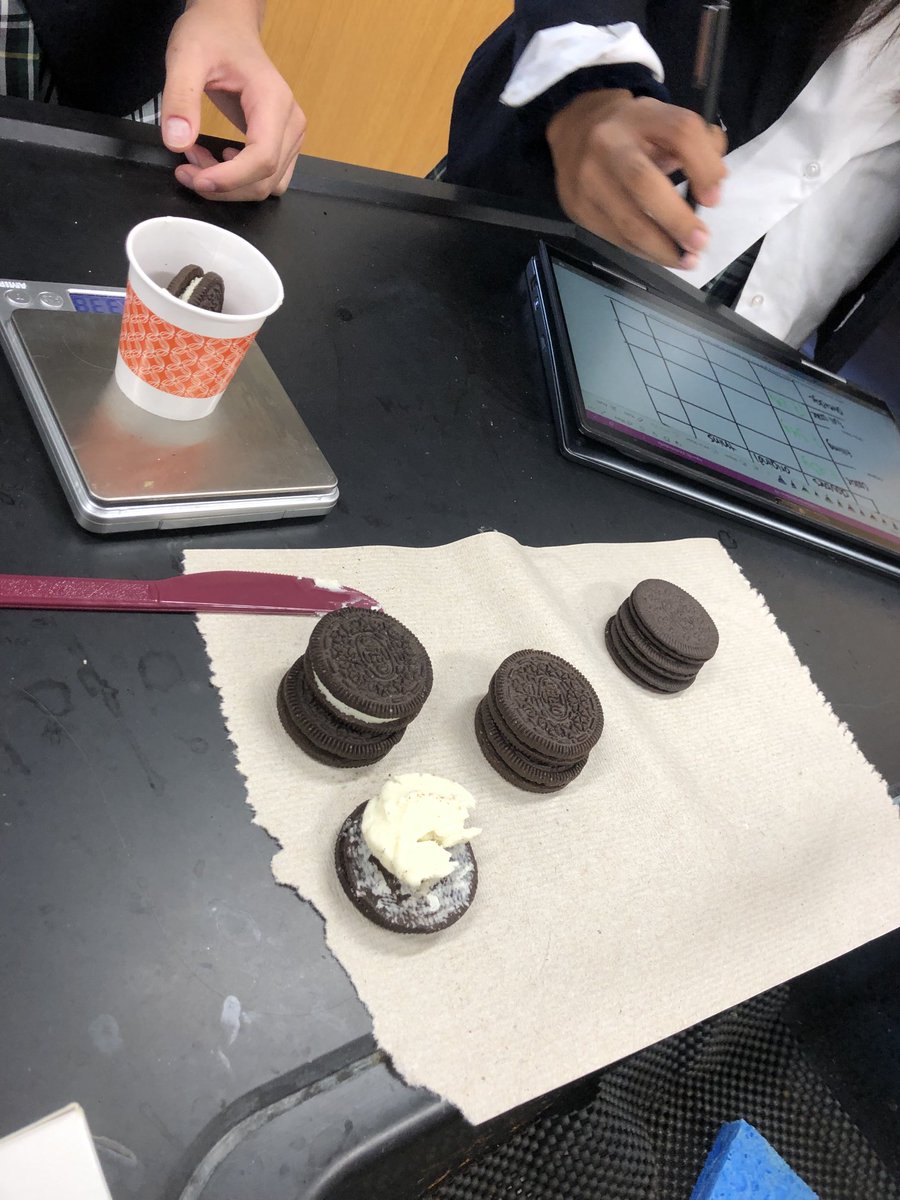
3rd years investigating global warming. I found a version of this online and have swapped in available lab equipment. Worksheets detail method. Some points we discussed were how water bubbling up to probe and cotton wool could have affected the temperature.
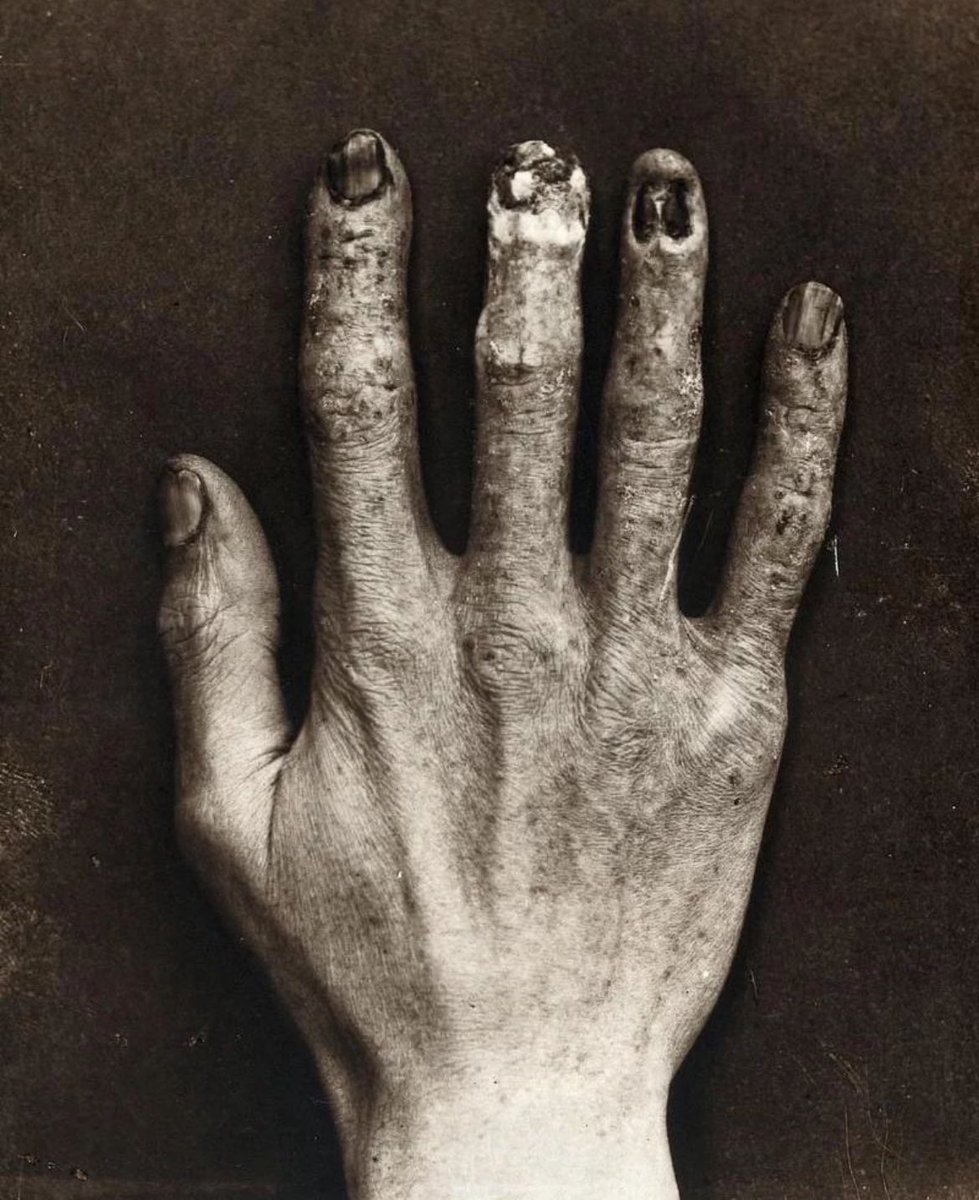
Hand belonging to an X-ray technician at the Royal London Hospital, which shows the damage from radiation exposure, 1900.
Every morning, they would calibrate the machines by taking an X-ray of their hands. So you might be wondering, why not just use something else to test the X-ray? Like a piece of meat or a chicken leg? Well back in 1900, people didn't know the dangers of radiation exposure so they thought it would be harmless to use their hands. During this time, people could even purchase and build their own X-ray at home for entertainment purposes. Those who did, however, often went on to develop cancer or suffer from amputations.
The X-ray had been discovered just a few years before in 1895 by a man name Wilhelm Conrad Röntgen, a German mechanical engineer and physicist. He named it X-ray because he actually didn't have a name for his invention and decided to use the mathematical designation "x" for something unknown. In some European countries, X-rays are actually called Röntgen rays.
Röntgen did not seek patents for his discoveries because he wanted society to benefit from the practical applications of X-rays. In 1901, Röntgen was awarded the first Nobel Prize in Physics.
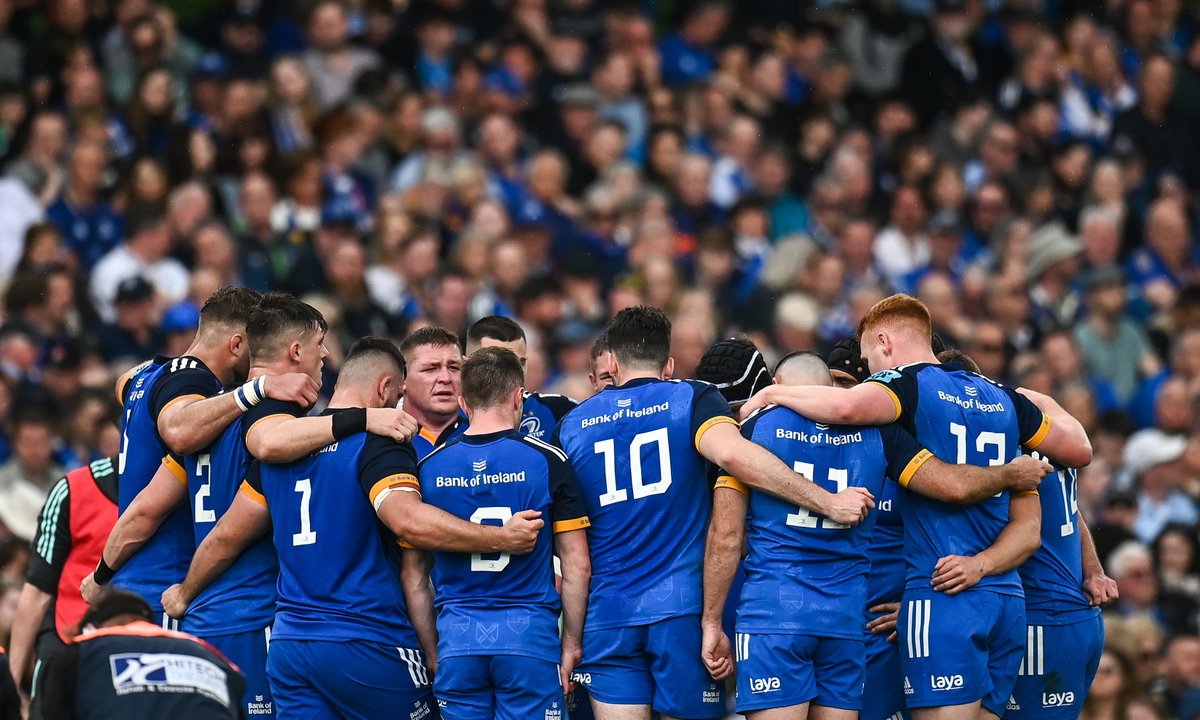
It's time for #MatchDaySorted 🥳
Follow & RT for a chance to win:
2 × Tickets to Leinster v Munster on the 25th of November at The Aviva
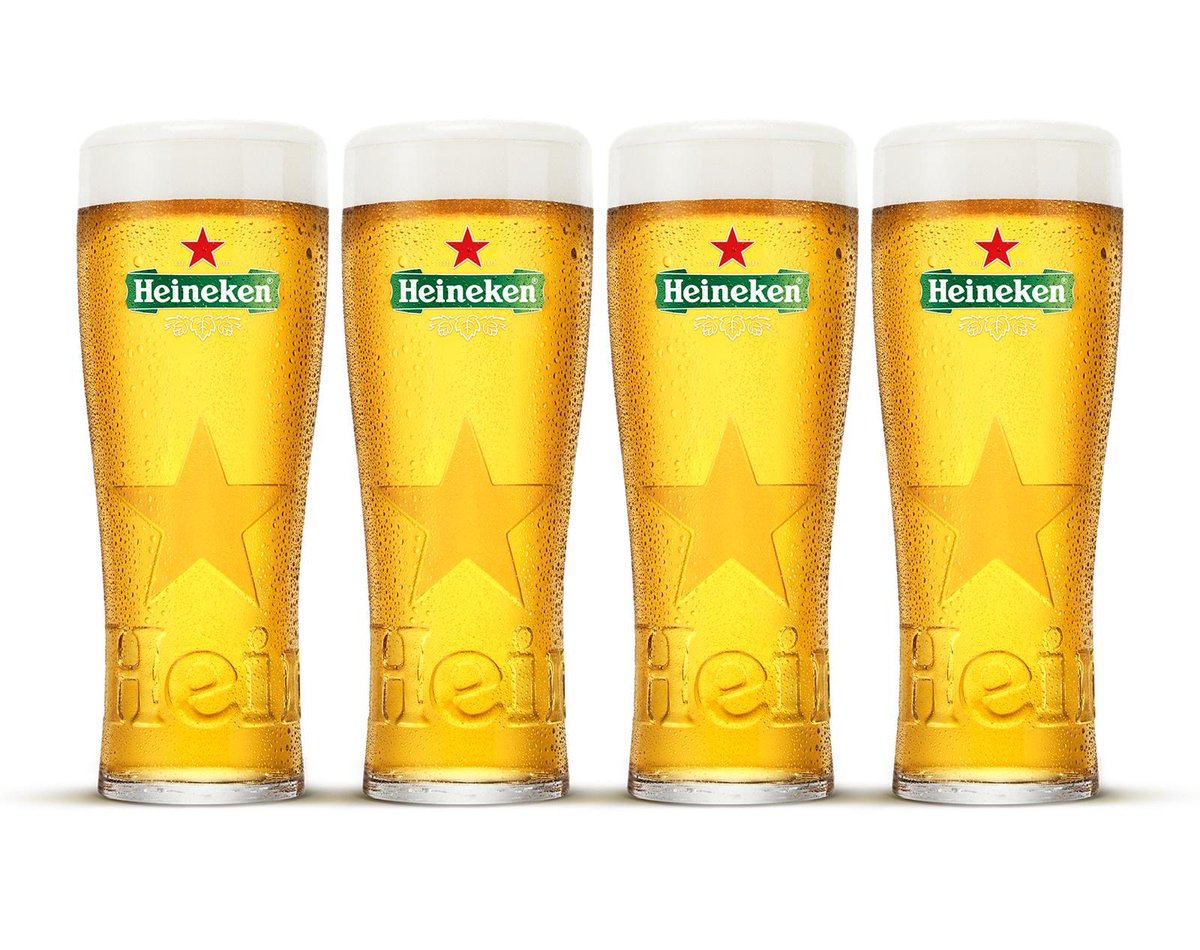
4 × Pints of @Heineken_IE
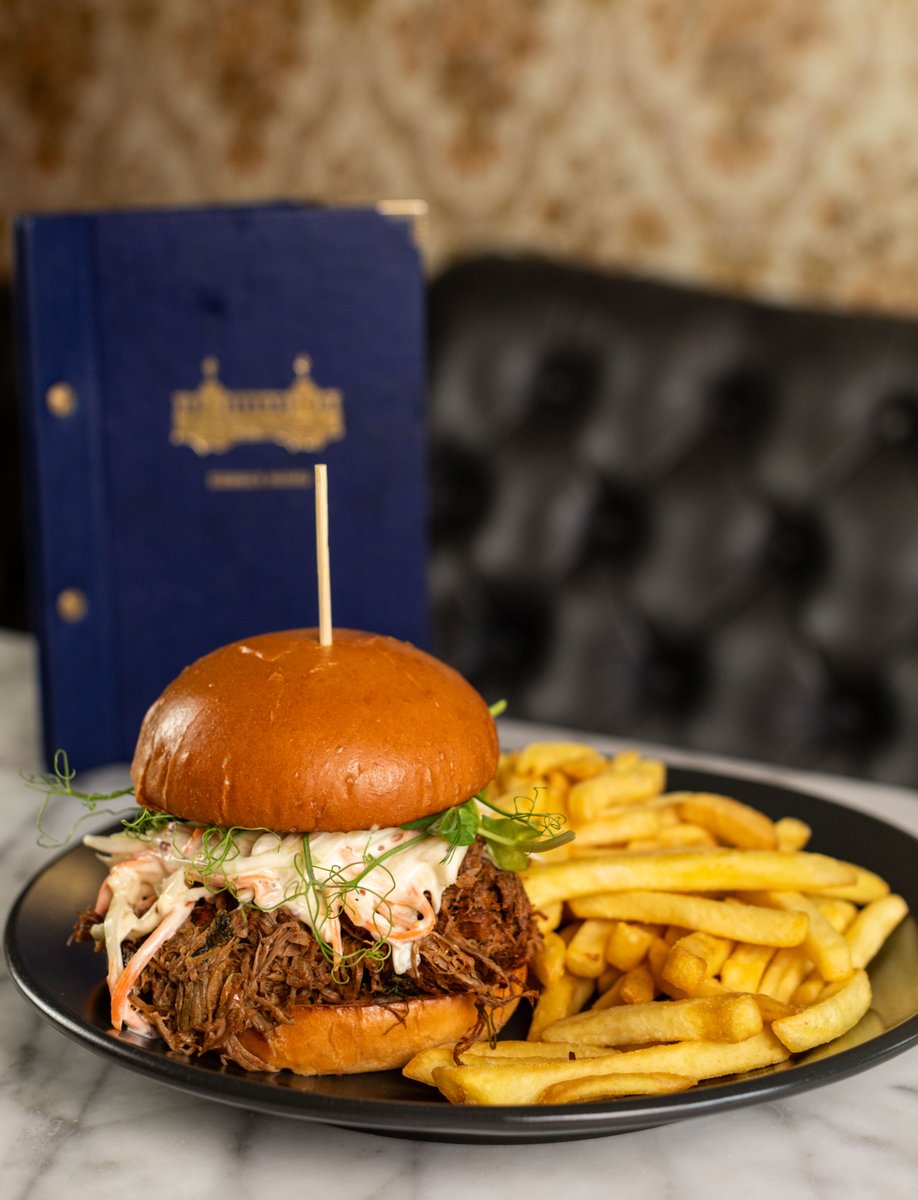
2 × Match Day Burgers
1 × #MatchDaySorted
Winner announced lunch time next Wednesday
#LeinstervMunster
👏🚨 Competition 🚨👏
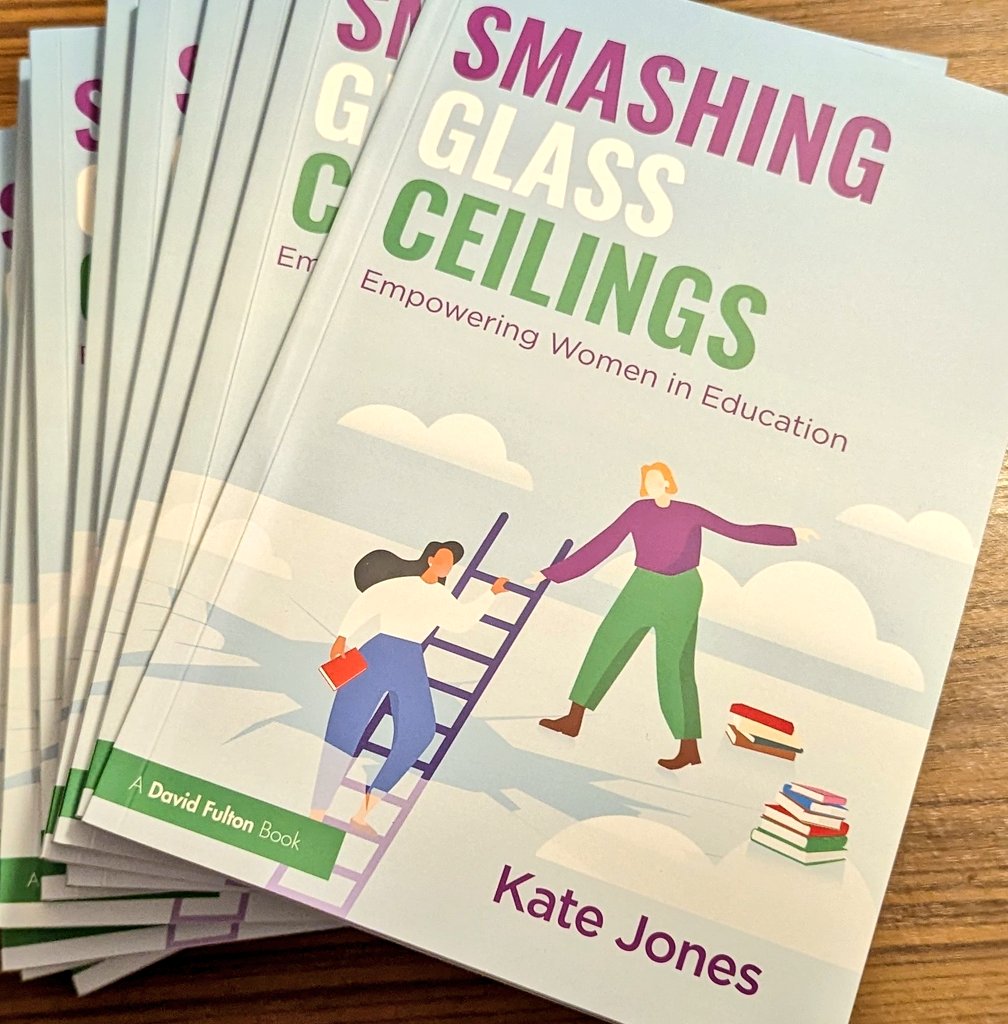
To win a copy of my latest book #SmashingGlassCeilings - Empowering Women in Education ... retweet this tweet to be entered into the prize draw.
The winner will be selected at random & announced on 20/11/23
Open to all, anywhere in the world! 😁💜💚
There should be no moves to change Senior Cycle in Ireland before an independent and robust review of Junior Cycle reform here.
Learning outcomes and statements of learning are vastly inferior to a clearly defined syllabus.
#edchatie
A remarkable article in Sunday Times on the Scottish curriculum.
When Scotland's Curriculum for Excellence was introduced in 2010, I was told repeatedly that its skills-based focus was superior to knowledge-rich approaches I & others supported.
13 years on & what do we see?
*NEW* belated edition #16 of our @SFEd_RSC
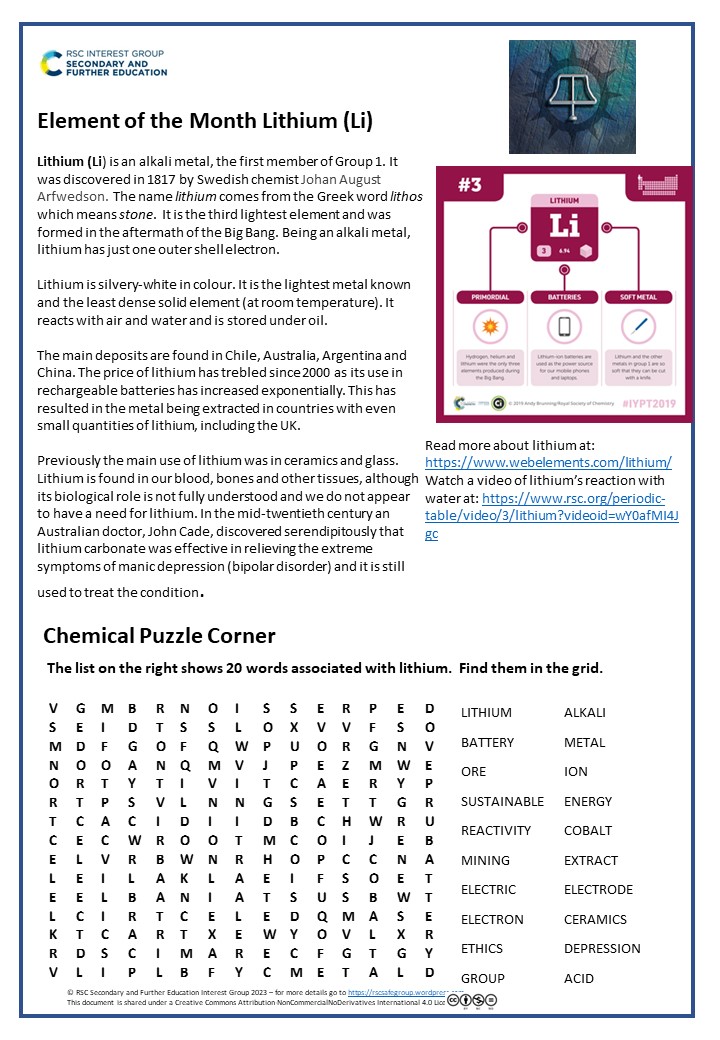
Chemical Allsorts. Loads of interesting chemistry (the element Lithium & ethical issues about it) plus a wordsearch for your students.
Share with your colleagues & students today! https://t.co/leWhKLQOjg
#chemed#chemistry@RSC_EiC