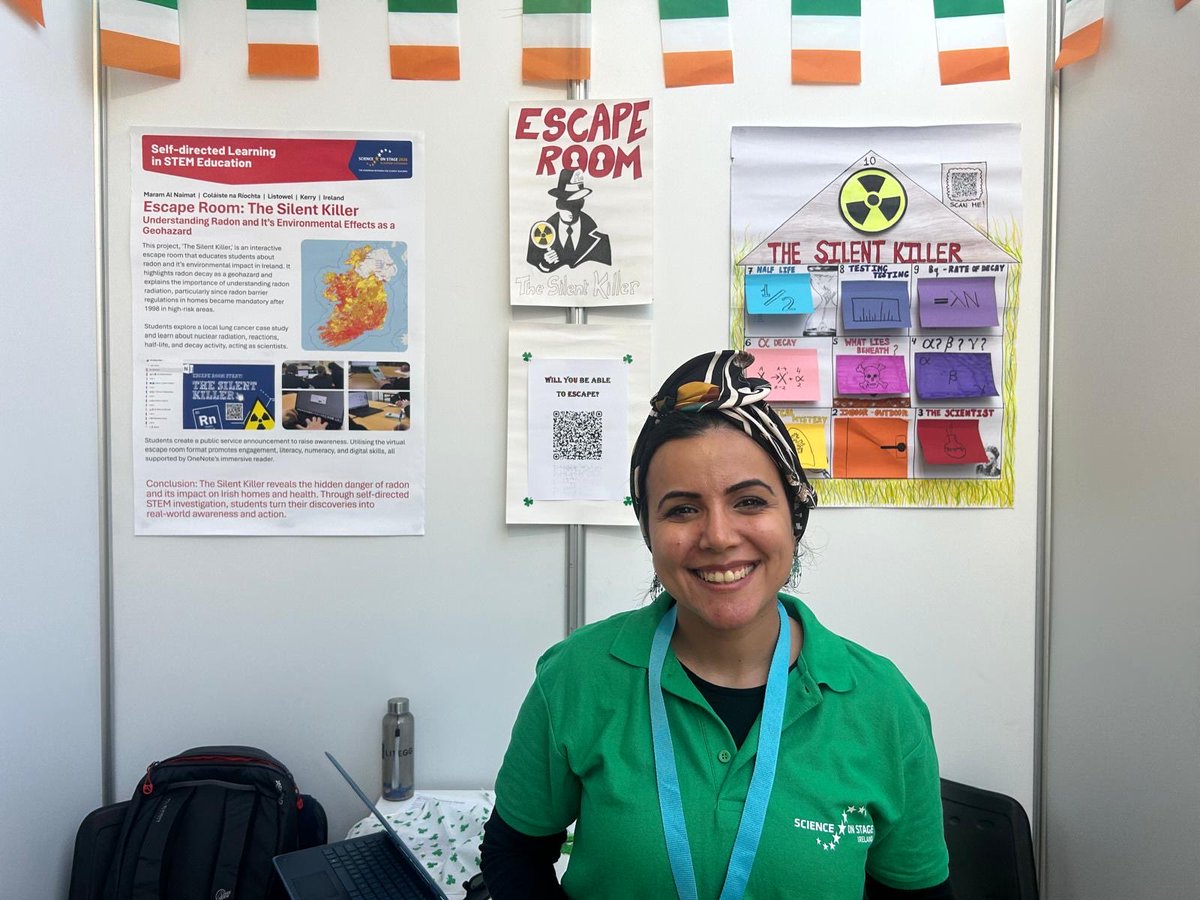
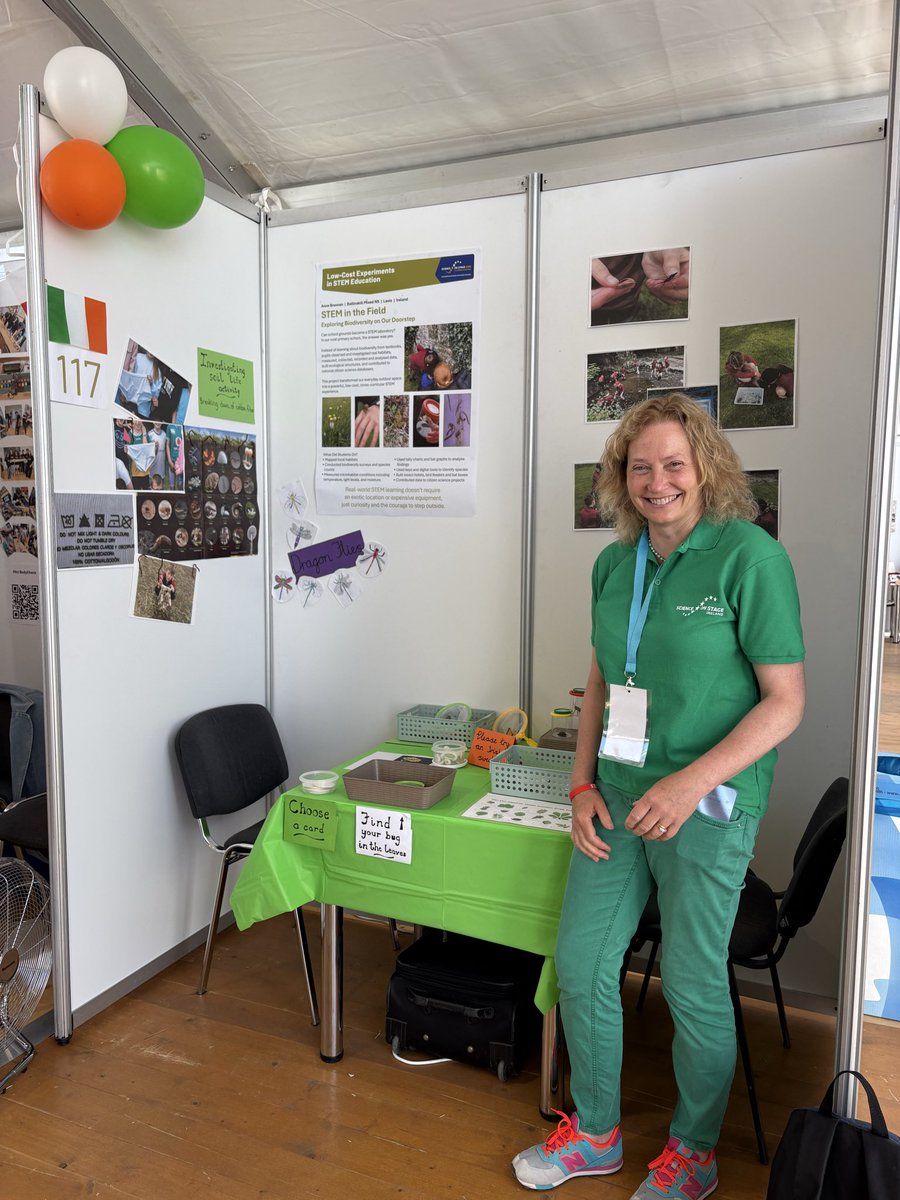
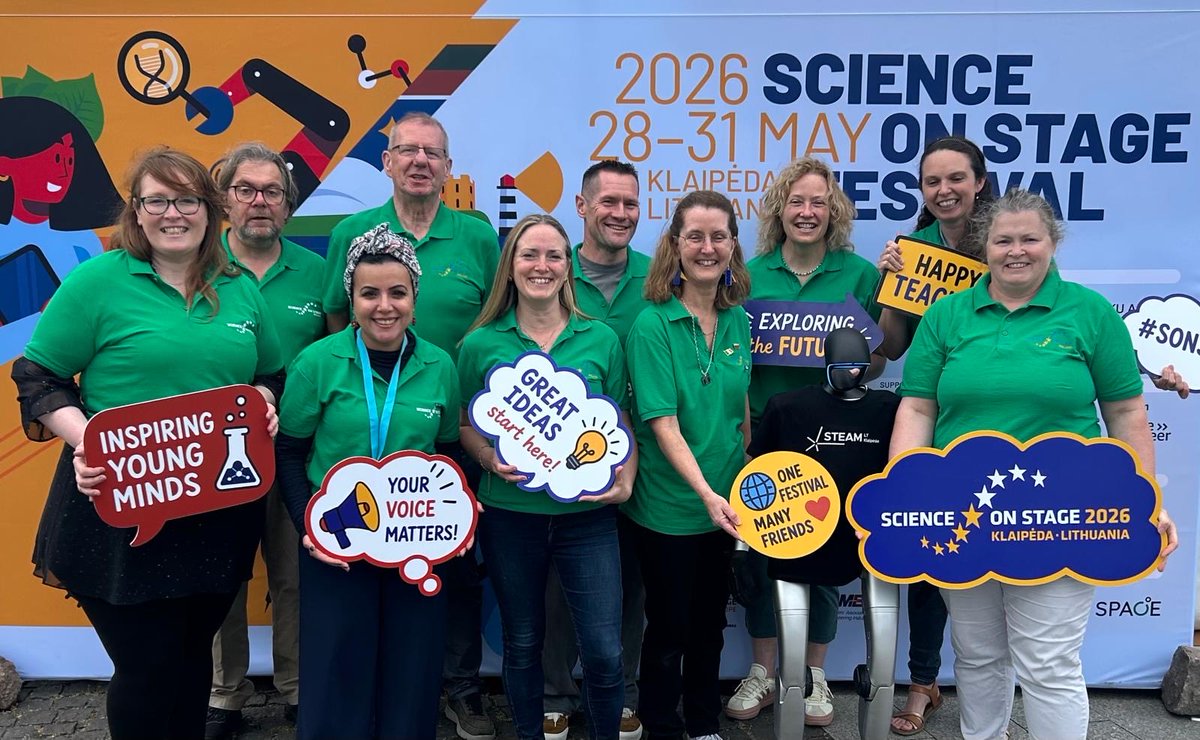
The @ScienceonStage festival comes to a close. Lots of friends made, lots of inspiring conversations with enthusiastic teachers from all over Europe and beyond.
The Irish Team full of enthusiasm sharing their projects to over 500 teachers from over 35 countries all across Europe and even as far as Canada to Kazakhstan.
#sons2026@ScienceonStage@DCU
In space, water doesn’t behave the way you expect.
In microgravity, there’s no gravity pulling it down—so surface tension takes over. Instead of dripping or flowing, water sticks together and clings to surfaces, even forming a floating layer around your hands.
This is why astronauts can’t use normal sinks or showers. Water doesn’t fall away—it has to be carefully controlled and collected.
This iconic experiment by Chris Hadfield shows just how strange everyday physics becomes in space.
Credit: NASA / ESA
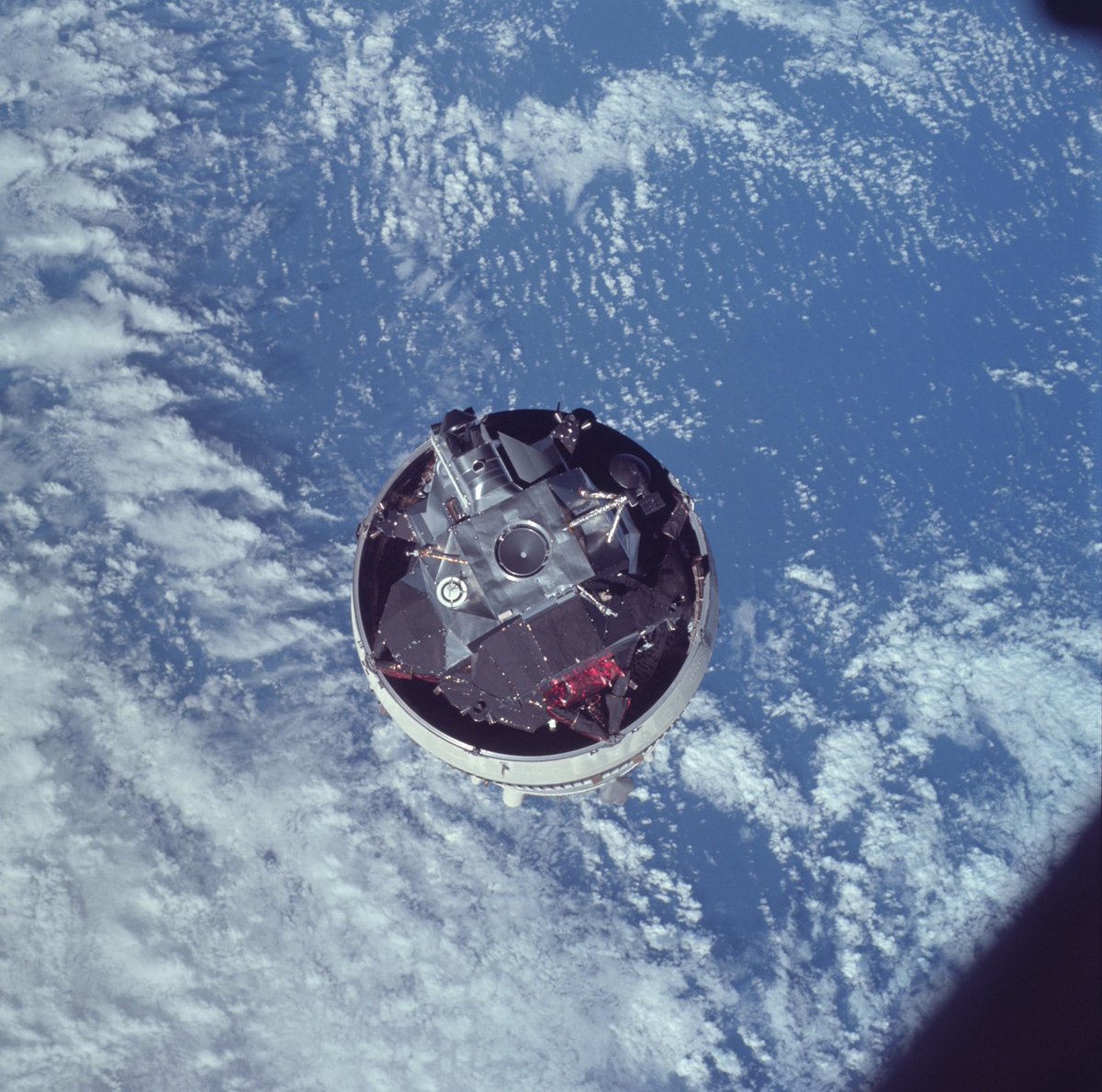
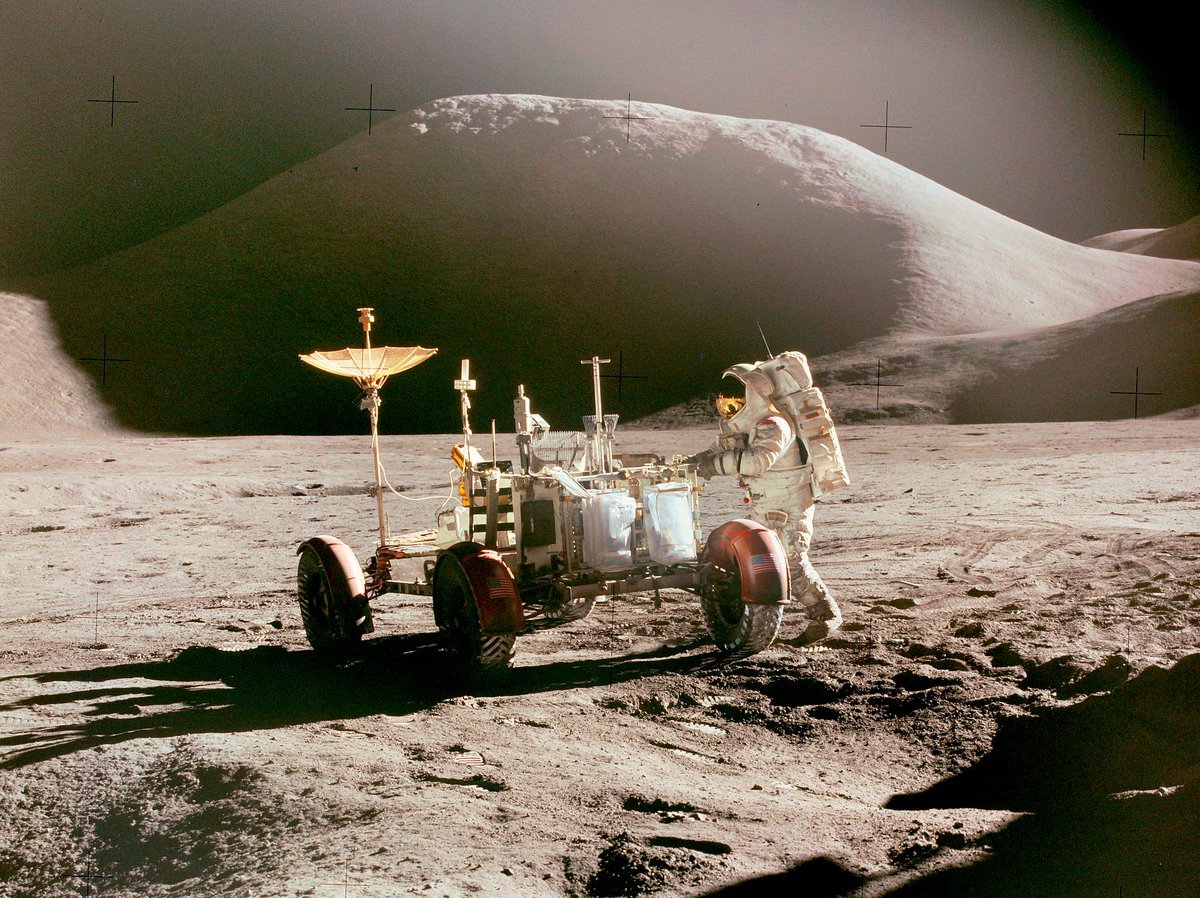
@luusssso the raw scans of all the Hasselblad pictures (including Mercury and Gemini) are over at https://t.co/bPTeODsJ3w
offers them in small, medium, and full-size PNGs as well as the raw TIFF file
however they're sorted by mission and magazine so it's not as simple as keywords
🎁 FREE GIFT: FULL ROSENSHINE CPD PACK!
To celebrate 50 consecutive weeks of ⚗️DistillED, I’ve put together something quite cool…
Over the past year, Rosenshine’s Principles of Instruction has been one of the most requested topics from teachers and school leaders. So I’ve put together a complete, ready-to-run CPD pack to help schools explore and implement all 10 principles.
The download includes:
→ 10 CPD PowerPoints (ready for 30–45 min sessions)
→ 10 strategy checklists (practical classroom actions)
→ 10 planning templates (put principles into action )
→ Covers all 10 of Rosenshine’s Principles of Instruction
Everything you need to run ten focused CPD sessions — one for each principle.
👉 REPOST and comment ROSENSHINE and I’ll DM you the link. Cheers!
⏰ Available until Sunday 22 March!
Aurora Borealis is really vibrant over Inis Oírr and Galway Bay this evening. Nourishment for the soul. Take a few minutes now to look towards the night sky.
One of the steepest learning curves at the start of my teaching wasn't setting boundaries but being consistent & learning the multiple ways to communicate this w/o eating into teaching & learning.
I think a subtle but very real element of a teacher’s behaviour management craft is the capacity to maintain boundaries by noticing issues and communicating botheredness: a firm/kind/adult tone of voice; body language, facial expressions that say, with conviction, ‘no’, ‘that’s unacceptable’. It’s calm, deliberate, assertive. Can be warm or a bit stern or even cross if needed. But you need it, whatever the backup system is. Students should know that you’re going to be bothered about boundaries. Your personal disapproval should matter to them / it nearly always does! When kids say ‘you don’t mess with Ms Smith’ it’s because she’ll notice, she’s bothered and makes that absolutely clear - in the nicest possible way.
I think this needs more explicit discussion and modelling in PD so it’s not seen as an ephemeral magic beans thing. I have met many ECTs who have this sorted already - but others need a ton of support. Sometimes it’s the noticing; sometimes it’s communicating the botheredness. It should be normal to discuss these things.