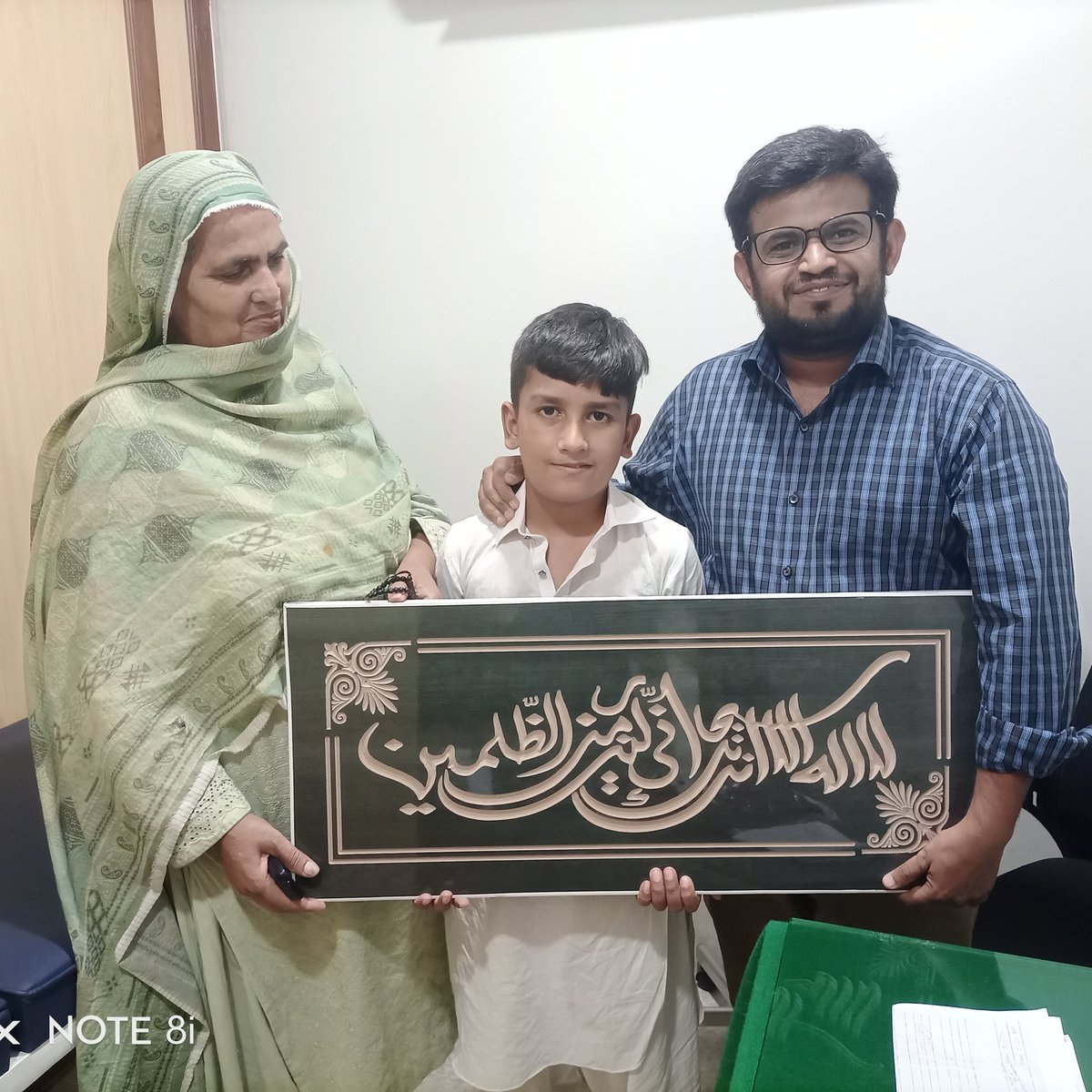
ایک سرجن کیلیے خوشی کا کوئی لمحہ نہیں ہوسکتا جب مریض کامیاب سرجری کے بعد اس کو سراہے.حال ہی میں چھوٹے پیشاب کے سوراخ کے Hypospadias کیساتھ آپریشن کیے جانیوالے بچے نے مجھے قرآن کی پسندیدہ آیت کا حوالہ دیتے ہوئے یہ شاہکار عنایت کیا۔بے شک۔۔لا إله إلا أنت سبحانك إ��ي كنت من الظالمين
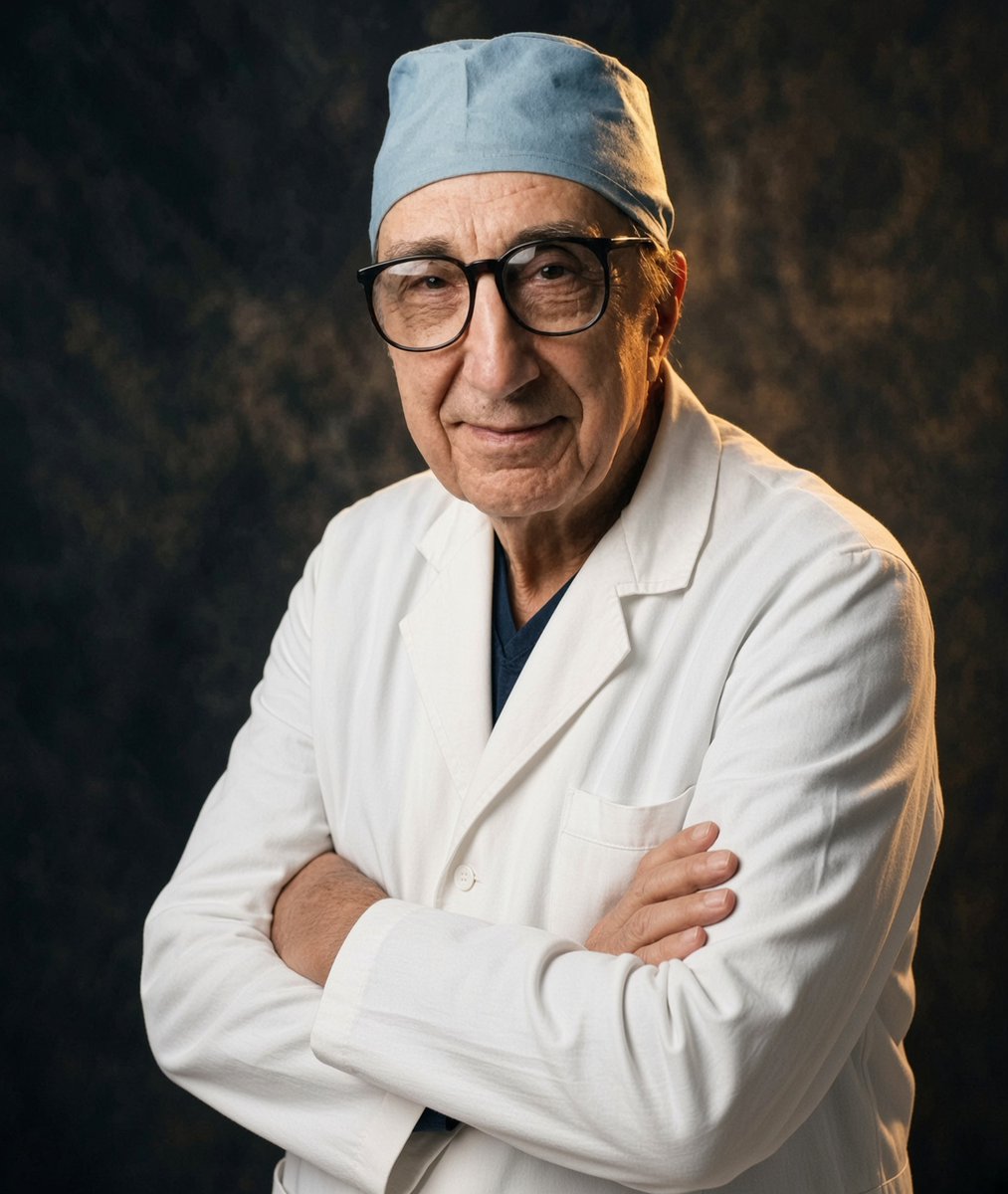
He spent his life teaching surgeons how to repair the aorta.
Then, at 97, his own aorta began to tear.
On New Year’s Eve 2005, Michael DeBakey was alone in his Houston study when a tearing pain ripped through his chest and into his back. He knew instantly what it was: an acute aortic dissection — the catastrophic condition he had classified, studied, and taught others to treat for decades.
At 97, he first refused surgery. He understood the odds. But his condition worsened. On February 9, 2006, after an ethics-committee debate and with his family pressing forward, surgeons opened his chest. They replaced the damaged segment of his aorta with a Dacron graft — the same kind of synthetic vessel he had pioneered in the 1950s.
There was a quiet full-circle detail in that graft. DeBakey had learned to sew from his mother. When department-store nylon ran out, he bought Dacron instead and stitched the first experimental tubes on his wife’s sewing machine.
Decades later, that material helped save his own life.
The operation lasted about seven hours. He survived. After a long recovery he returned to work, lectured, and wrote. In April 2008 he received the Congressional Gold Medal. He died on July 11, 2008, at 99 — weeks short of his 100th birthday.
He studied the disease. He built the tools. He trained the surgeons. Then he became the patient. The man who gave other people more time was given a little more time himself — and spent it in the hands of the people he had taught. ❤️