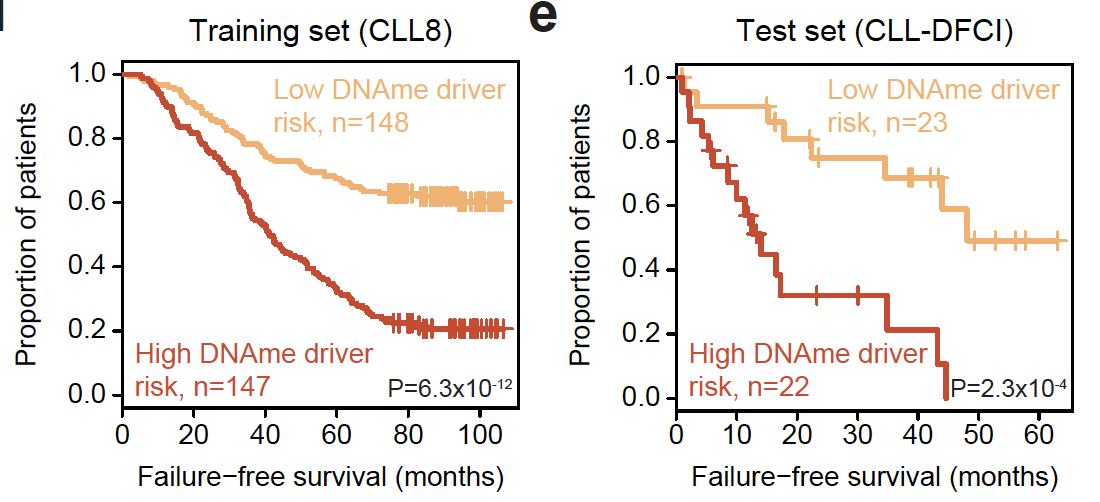
Prognostic models based on DNA methylation drivers separated high and low risk CLL, including in an independent validation cohort, and after accounting for other known risk factors.
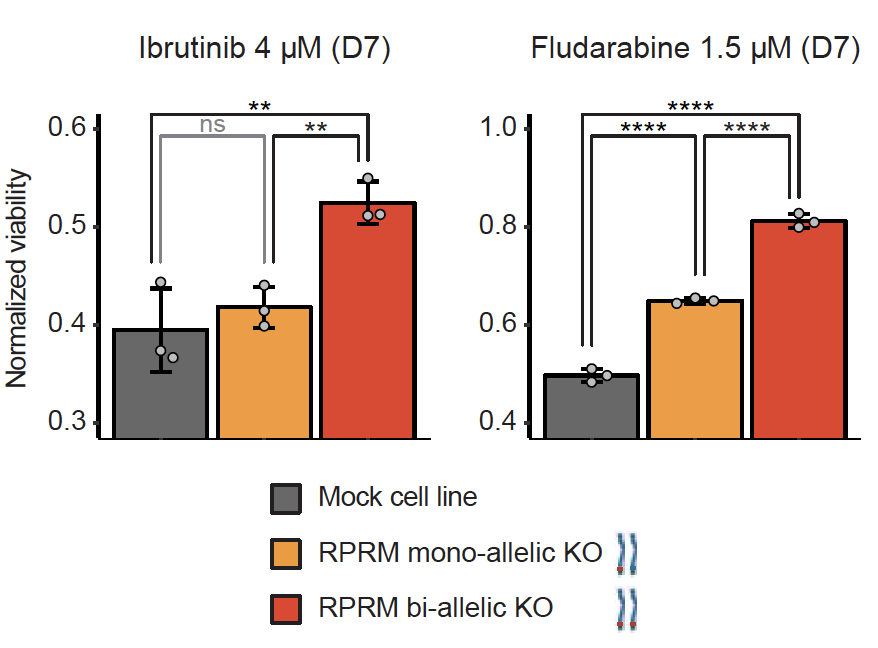
We validated top CLL TSG hits through CRISPR/Cas9 KOs, showing that they result in increased fitness in unperturbed growth as well as preferential fitness with leading agents.
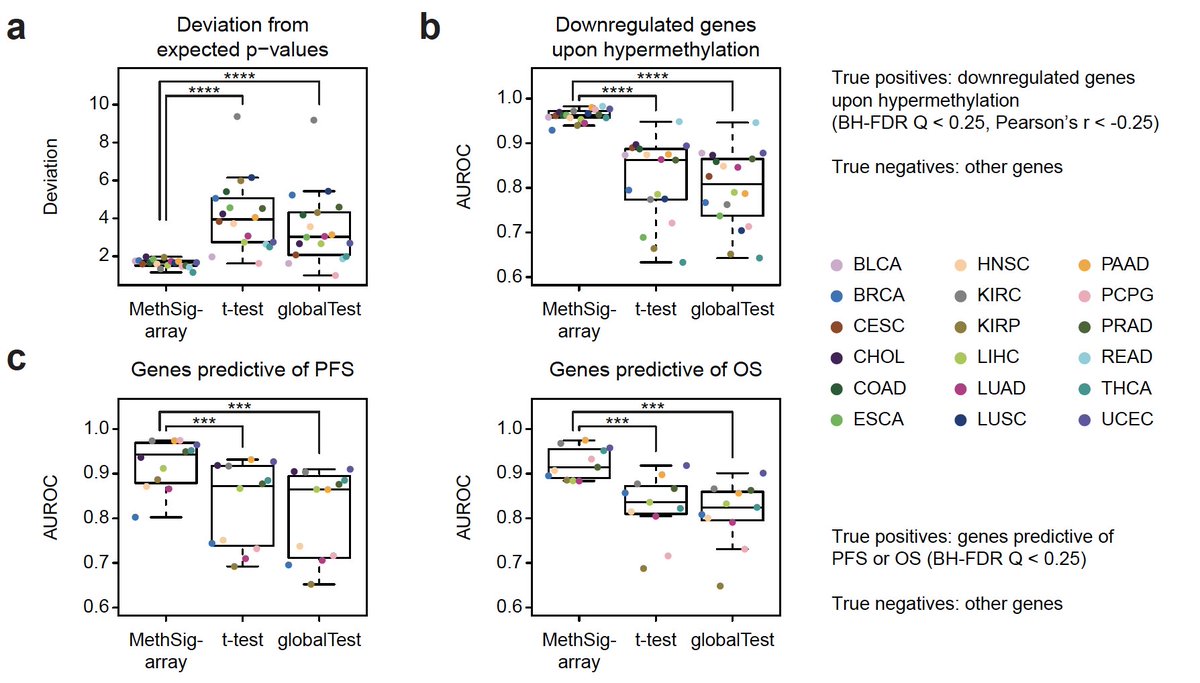
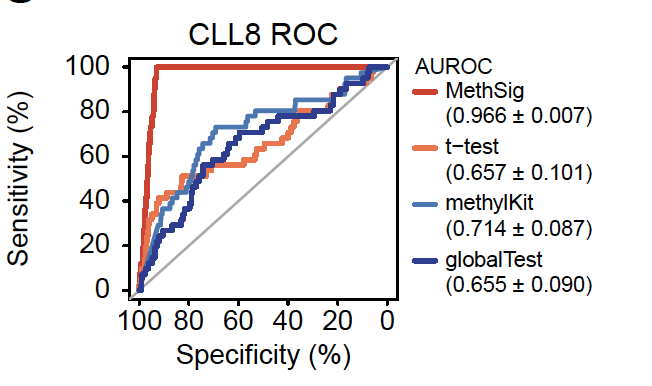
We also devised metrics of success, for example likely DNA methylation drivers are expected to associate with gene silencing and clinical outcomes. This analysis shows a radical increase in performance in ROCs.
Indeed, like in cancer genomics, we know that DNA methylation changes occur at different rates across the genome. Applying models with a uniform background result in an unacceptable rate of false positives....
@dragon_heng and friends designed MethSig, a statistical inference model that accounts for this varying background rate, resulting in better calibrated QQ plots compared with benchmarks and higher reproducibility across cohorts.
Excited to share new work @CD_AACR!
https://t.co/V3rUx55mGO
Sophisticated background models in cancer genomics distinguish driver from passenger mutations. As most cancer DNA methylation changes are stochastic can we likewise create better models to identify driver events?
🪡 /n