1/ Thrilled to share our new paper, out today in @ScienceMagazine! We built a pan-cancer spatial atlas of tertiary lymphoid structures (TLSs) and developed computation and AI frameworks to study TLS biology at scale.
https://t.co/zgcBnnm7Rl
Circulating cell-free methylated DNA immunoprecipitation sequencing (cfMeDIP-seq) in oncology: from technological advances to clinical applications | npj Precision Oncology https://t.co/ZkR7jmVNeR
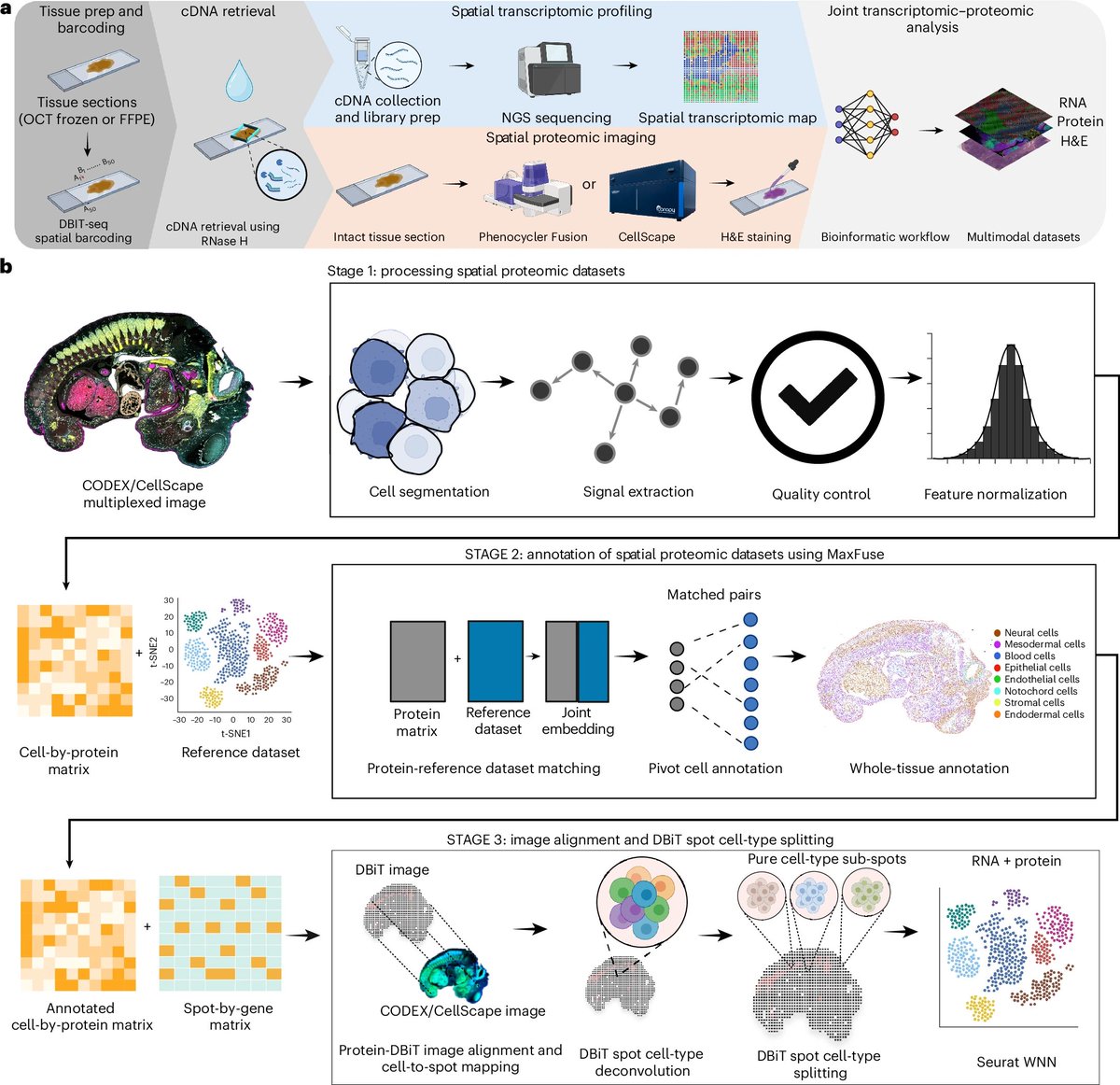
New in Computational Cancer Biology and Technology from the May 15 issue—In Silico Reconstruction of Primary and Metastatic Tumor Architecture Using Geographic Information System–Augmented Spatial Transcriptomics https://t.co/hrcbV0UxjK
In our latest, a surprise - thanks to computational pathology - about immune cell clustering in prostate cancer and new ways to understand tumors, their neighborhoods, and clinical outcomes ... congrats @DYangMD et al! (link below)
A 🆕 30-page review in Cell maps the state of ADCs (antibody-drug conjugates) - the “magic bullet” cancer therapy first imagined in 1907.
19 approved. 260 in development. SCLC: zero.
Non small cell #lungcancer has genuine options now. But the review is direct about the gaps: patient selection, toxicity management, and tumours that are simply hard to reach.
https://t.co/tIH7uQbFrC #LCSM
Now online in @CD_AACR: A Spatial Atlas of Muscle-Invasive Bladder Cancer Reveals Lineage-Specific Vulnerabilities and Immune Architecture - by Kai Yu, Jianfeng Chen, Jianjun Gao, @IamLinghua, and colleagues @UTMDAnderson
1/ Thrilled to share our new paper, out today in @Nature: "Non-invasive profiling of the tumour microenvironment with spatial ecotypes".
Paper (open access): https://t.co/EujZFqU7wi
Excited to share our new work on why immunotherapy does not work well in prostate cancer, and how this biology points to our new treatment strategy! This work was led by Abbas Nazir, myself and @ziyu__lu, from Aviv Regev’s group @Genentech.
Keywords:
perturbation, organoids, spatial biology, tumor microenvironment, AI agent
Preprint:
https://t.co/9n0VTE8VmW
Today's #AACR26 Plenary Session is on the AI Revolution in Cancer Research - read more in this @CD_AACR review by @ecerami and colleagues: Artificial Intelligence in Oncology— Current Landscape, Challenges, and Future Directions https://t.co/PV3UIwuGKn
BREAKING: Claude can now research like a Stanford PhD student.
Here are 9 insane Claude prompts that turn 40+ research papers into structured literature reviews, knowledge maps, and research gaps in minutes (Save this)
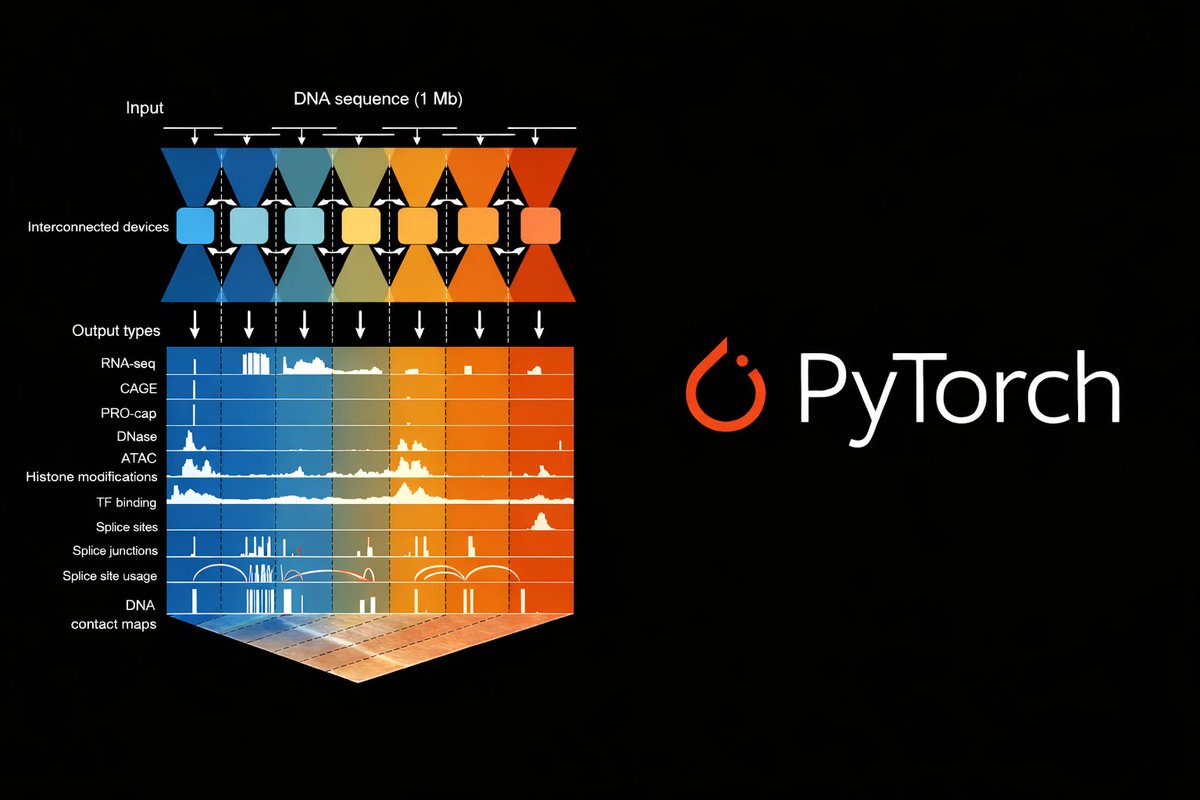
Thrilled to announce alphagenome-pytorch, an accurate, readable, and careful port of AlphaGenome's architecture and weights to PyTorch. Work with @gtcaa@m_kjellberg@chriswzou@tuxinming as part of the GenomicsxAI initiative between @anshulkundaje and @pkoo562 labs.
Mutations in certain genes are associated with worse survival outcomes among patients treated with Lu-PSMA; this suggests a role for more intensive surveillance to capture early progression. https://t.co/IBsGn5bJ2H
#NuclearMedicine#ProstateCancer@AbbyPepinMD
Retrospective real-world clinicogenomic study in @Nature
5893 pts with mCRPC
37% HRR pathogenic variants.
13% BRCA1/2.
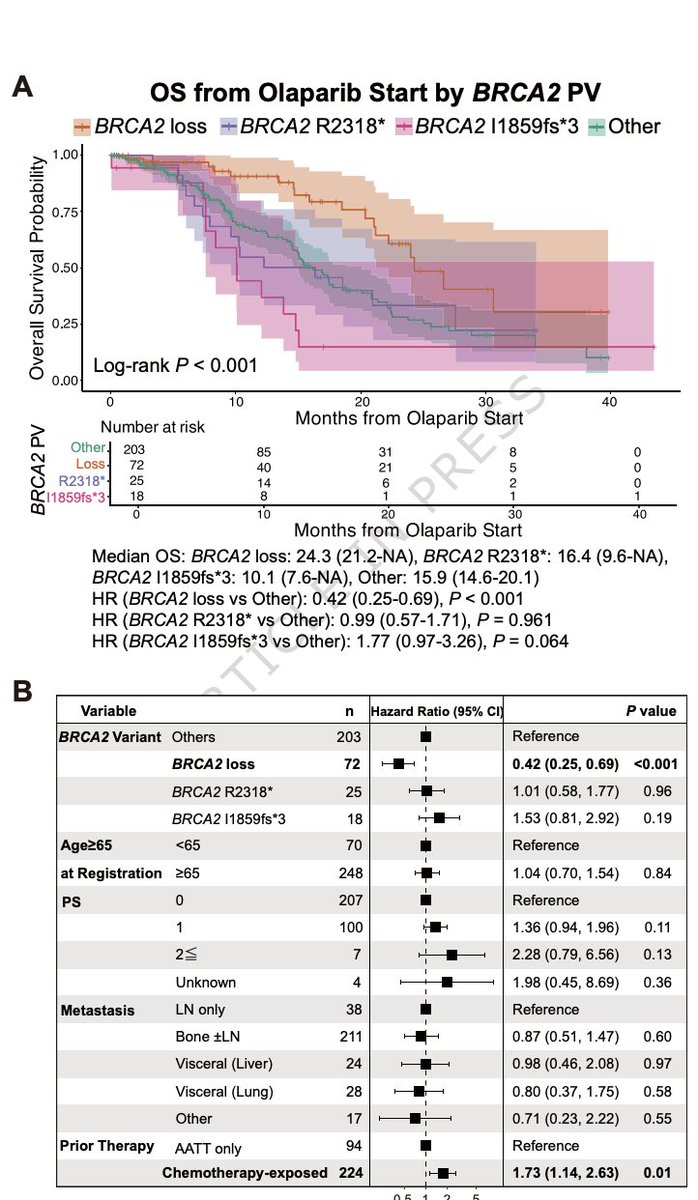
389 received olaparib:
BRCA2: median OS 17.5 mo
BRCA1: 8.1 mo
HR 2.23 (P=0.008)
BRCA1 clearly worse.
Within BRCA2, subtype defines benefit ⚠️
BRCA2 loss: median OS 24.3 mo
HR 0.42 (P<0.001)
This is intra-BRCA functional heterogeneity ‼️
Not all BRCA alterations are biologically or therapeutically equivalent.
https://t.co/EVyVPFf7HN @OncoAlert
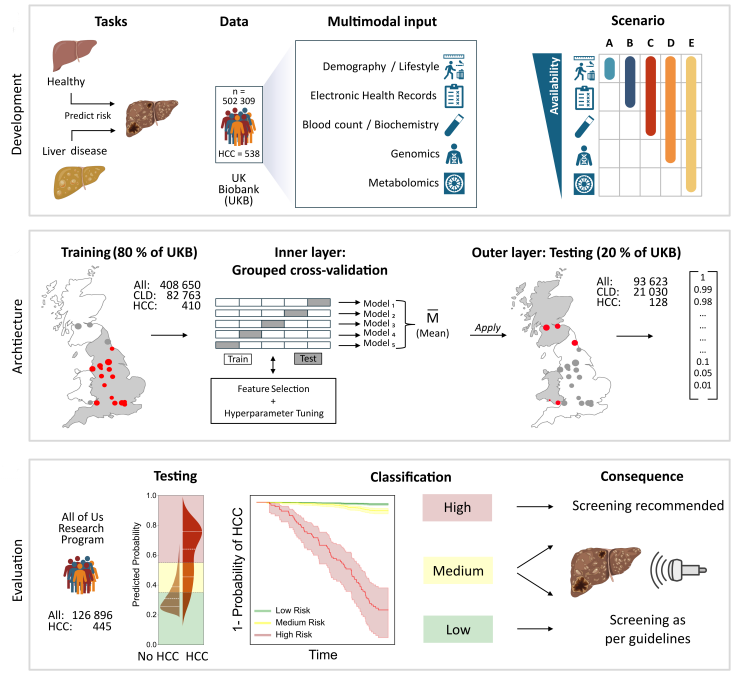
Now online: A Circulating GPNMB-Based Multimodal Model Integrates Tumor-Immune Crosstalk to Predict Immunotherapy Response in Esophageal Cancer https://t.co/uRVuKZ8Mff
Changing training data alone can improve deep learning prediction of spatial transcriptomics gene expression from histology images by 38% (without any changes to model architecture).
We've updated our preprint showing this with expanded results: https://t.co/51XIofrcZR
🧵👇 1/4