Humility is a great virtue, but it is not a standalone virtue. Humility needs to be accompanied by magnanimity.
The humble man avoids delusion and presumption and true theological pride, which is not a matter of having ambition or swagger but of confusing yourself with God and attempting to usurp his place over your fellow creatures.
But pride is not the only danger out there. Despair, sloth, laziness, acedia—these can ravage a man, and they are at least as prevalent in our times. The whole point of the modern regime is to demean, belittle, and bleed you of energy, purpose, and hope.
"It is not so much sin as despair that casts us into hell," St John Chrysostom said long ago.
The answer to these vices is magnanimity, great-heartedness.
From Josef Pieper's Faith Hope Love: "Magnanimity, a much-forgotten virtue, is the aspiration of the spirit to great things. A person is magnanimous if he has the courage to seek what is great and becomes worthy of it … Magnanimity, as both Thomas [Aquinas] and Aristotle tell us, is 'the jewel of all the virtues,' since it always—and particularly in ethical matters—decides in favor of what is, at any given moment, the greater possibility of the human potentiality for being."
So humility sets the gaze on what's attainable and magnanimity sets the gaze on what's great. These two are not mutually exclusive; there are things in life that are both attainable and great—and these aims are what a man should be focusing on.
These virtues need each other and go beautifully together.
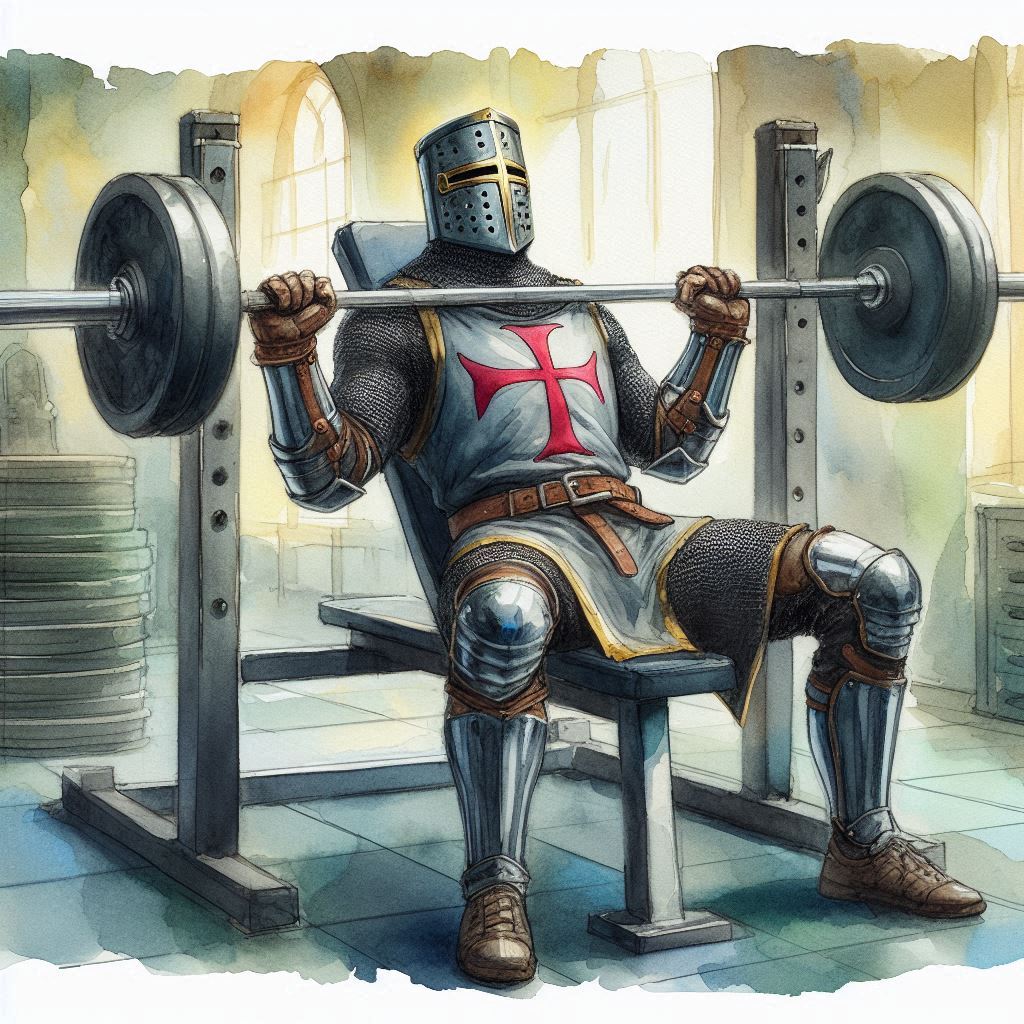
Muscle+manners > just manners
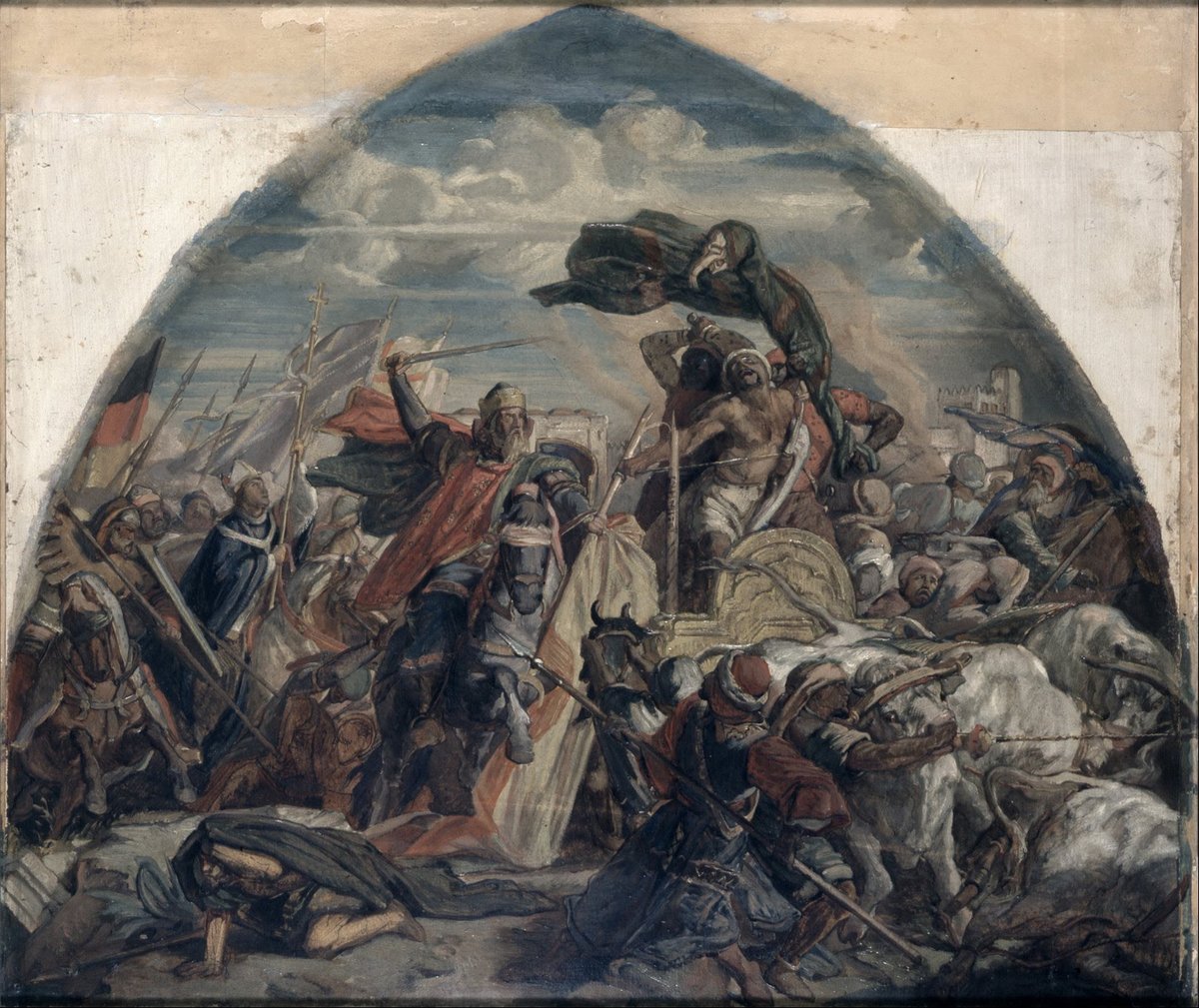
From Richard Kaeuper's introduction to Charny's Book of Chivalry:
"Medieval chivalry was thus a highly serious code. It was in no sense frivolous or ephemeral, concerned only with a few outward forms of social life as the popular notion would have it. This popular nation is largely formed from post-medieval revisions and revivals. To see genuine medieval chivalry clearly we must demolish the structures, many of them venerably Victorian, which stand in the way. Observing the increasingly rare phenomenon of a male opening a door for a woman or standing in respect when another person enters a room, many observers may still be heard to mumble—either in praise or with irony—that chivalry is not dead. This longevity of chivalry is highly significant, but it creates distinct problems of interpretation. We may easily think that such pale modern survivals from the medieval code show us how chivalry actually worked in the medieval period. They do not. Student papers (and, let it be said, the textbooks students are set to read) often speak of ‘ideal’ or ‘true’ chivalry, and assuming that this means the set of ideas praised by the Victorians and still honored by some die-hard followers in modern times. Some would prefer chivalry to be a set of ideals all could still like without qualification. They may be surprised to find how tough a warrior code the chivalry of medieval times was and how much it valued sheer prowess."
Happy Feast of St George the Dragonslayer, the patron saint of chivalry!
"I am named George, I am a gentleman, a knight of Cappadocia, and have left all for to serve the God of heaven."









![ChivalryGuild's tweet photo. Humility is a great virtue, but it is not a standalone virtue. Humility needs to be accompanied by magnanimity.
The humble man avoids delusion and presumption and true theological pride, which is not a matter of having ambition or swagger but of confusing yourself with God and attempting to usurp his place over your fellow creatures.
But pride is not the only danger out there. Despair, sloth, laziness, acedia—these can ravage a man, and they are at least as prevalent in our times. The whole point of the modern regime is to demean, belittle, and bleed you of energy, purpose, and hope.
"It is not so much sin as despair that casts us into hell," St John Chrysostom said long ago.
The answer to these vices is magnanimity, great-heartedness.
From Josef Pieper's Faith Hope Love: "Magnanimity, a much-forgotten virtue, is the aspiration of the spirit to great things. A person is magnanimous if he has the courage to seek what is great and becomes worthy of it … Magnanimity, as both Thomas [Aquinas] and Aristotle tell us, is 'the jewel of all the virtues,' since it always—and particularly in ethical matters—decides in favor of what is, at any given moment, the greater possibility of the human potentiality for being."
So humility sets the gaze on what's attainable and magnanimity sets the gaze on what's great. These two are not mutually exclusive; there are things in life that are both attainable and great—and these aims are what a man should be focusing on.
These virtues need each other and go beautifully together.](https://pbs.twimg.com/media/Gy81GHtXMAErllY.jpg)