The new model viewer in Civil 3D 2026 is a significant upgrade!
Effortlessly review even the most complex 3D designs. Think object viewer, but amplified!
Check out the video below for the scoop on all the new features.
How will you leverage this game-changer?
#Civil3D #2026 #BIM #3DModeling #NewFeatures #Civil3D2026
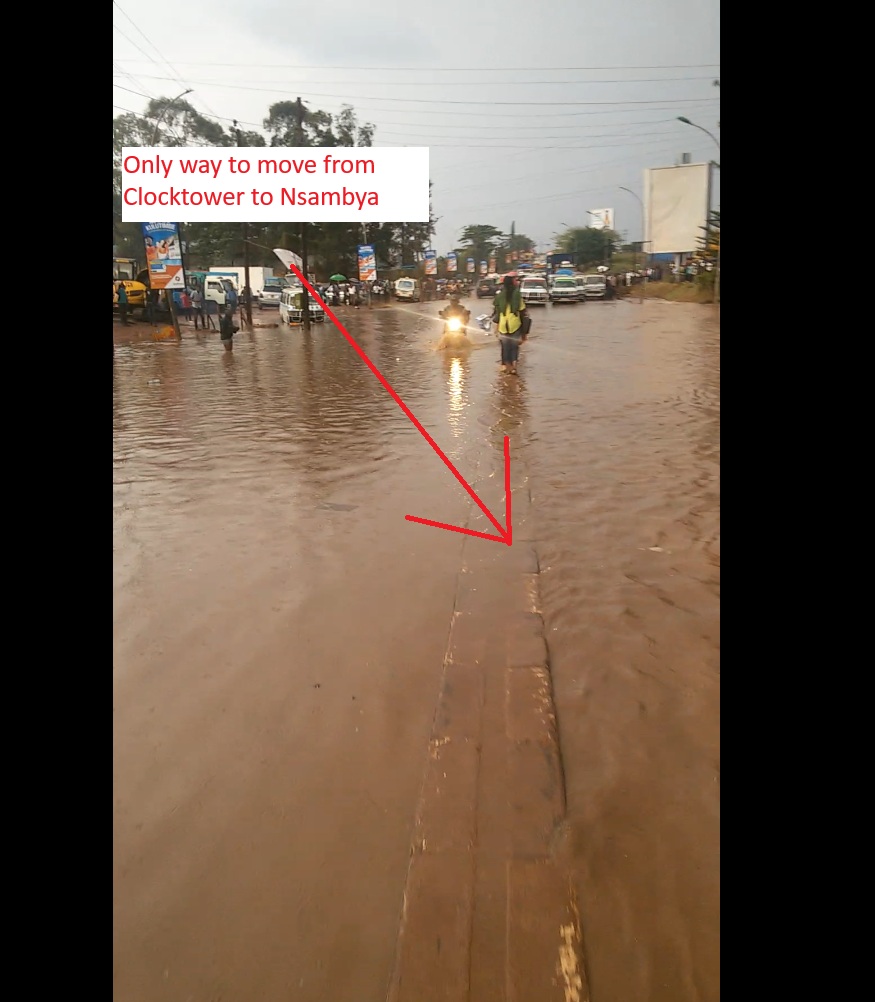
Remember when Nakivubo Channel used to flood like this? Heavy rain in 2016 caused a massive backflow onto the road, bringing traffic to a standstill.
I captured the chaos on video - take a look!
Remember Kampala's Clocktower in 2016?
It was a total disaster when it rained!
People were stranded, wading through flooded streets, trying to balance on those tiny medians to cross the road.
But then came the Kampala Flyover Project! They didn't just build a flyover; they tackled the root of the problem: the drainage.
First, they widened the St. Dennis channel. But then came the big challenge: the Clocktower junction! There was no space to enlarge the channel there.
So what did they do? These brilliant engineers built the channel UNDER the Clocktower—a hidden waterway flowing from Pan African Square to the Nakivubo channel!
Now, you can drive past the Clocktower on the rainiest day, and it's smooth sailing! No more floods, no more traffic jams. What a transformation!
#UNRAworks
Why is there a push towards electric buses, yet they have a 15 to 25-year return on investment compared to diesel buses?
As part of the roadmap, Tesla's future electric bus will feature Full Self-Driving (FSD) technology. While a 20-person Robovan might not sound exciting, this electric bus aims to transform mass transit on a larger scale.
Now, let's talk costs:
Upfront, electric buses are more expensive ($600-800k vs. $150-200k for diesel).
But diesel's annual operating costs are about 10-20% higher (not even considering charging infrastructure).
Once you scale up to 1,000+ electric buses, operating costs fall to 65-70% of diesel’s.
Yes, the return on investment takes time—around 10 to 25 years to break even—but the long-term benefits are huge. Imagine autonomous buses reducing operating costs by 50% without a driver!
In the long run, electric buses with FSD are an innovative, sustainable solution that offers decades of savings and a cleaner city future.
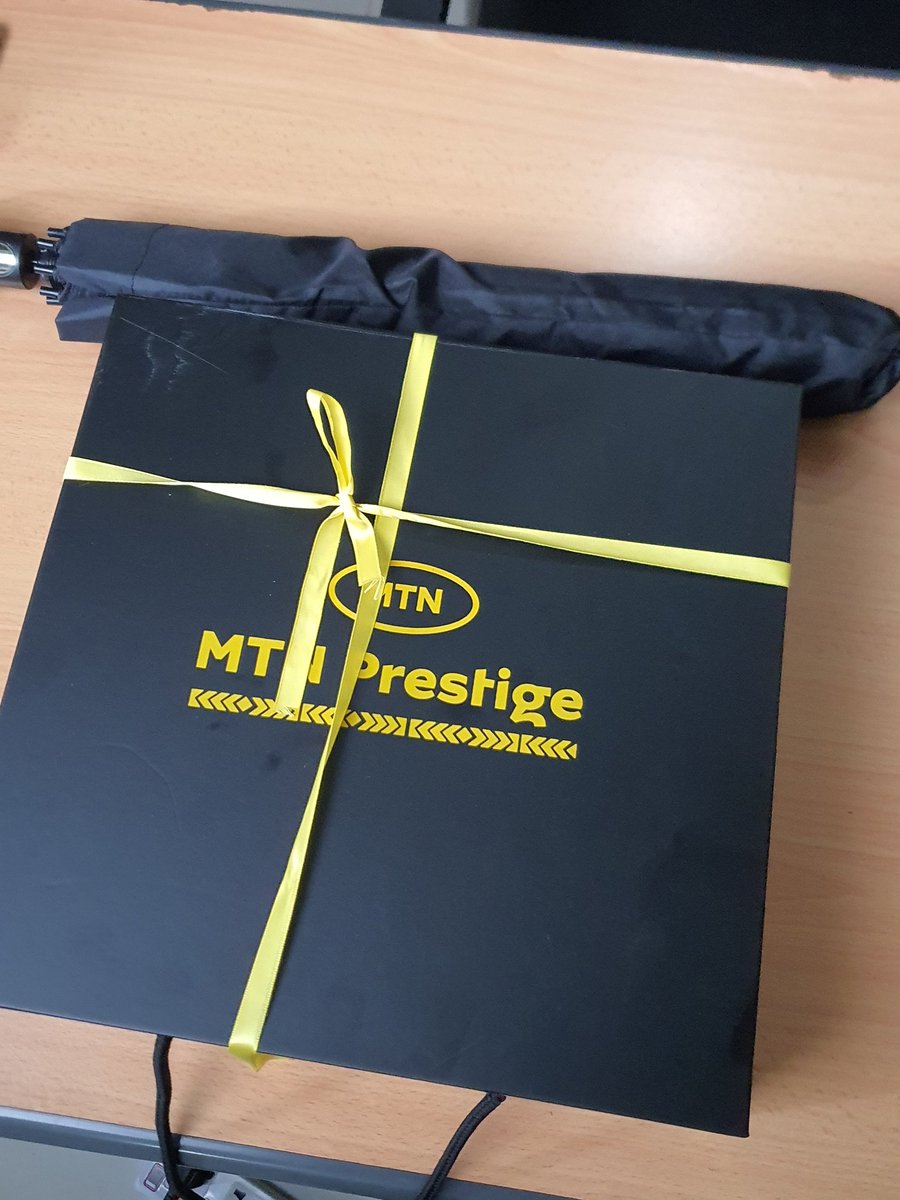
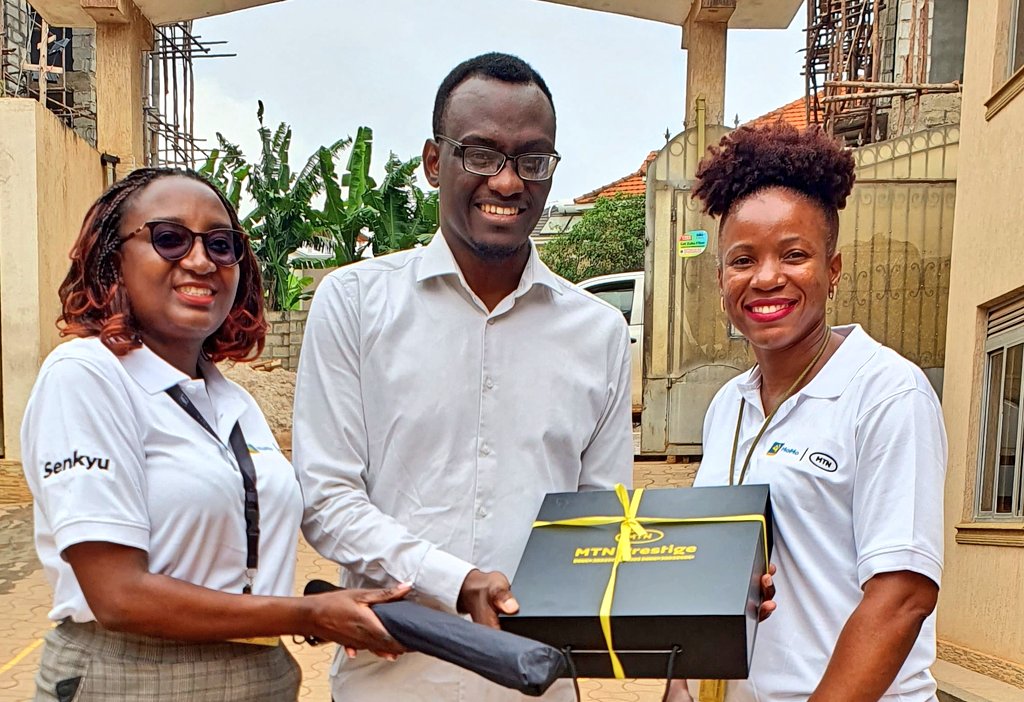
Wow, @mtnug knows how to make a customer feel valued!
Huge thanks to @KiberuSarah and the team for the wonderful surprise.
If you're looking for super fast internet that never lets you down, get MTN Fibre.
I'm on year two with zero issues. 😉 60Mbps for 130k is perfect for most homes and 200Mbps for demanding content creators.
Happy 62nd Independence Day, Uganda!
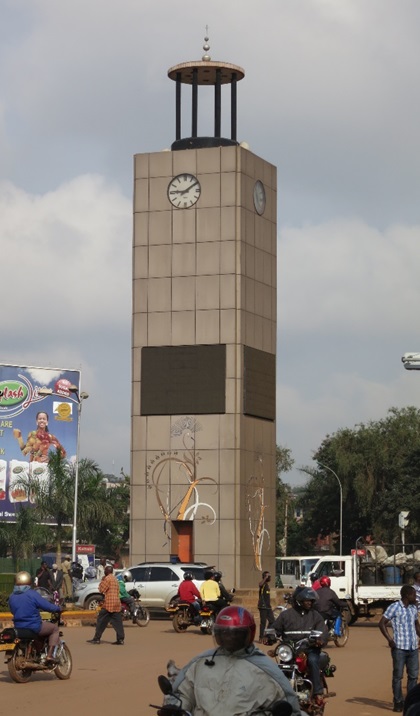
As we celebrate this special day, let's take a moment to remember a landmark that has stood witness to our nation's journey: the Kampala Clock Tower.
Did you know that the Clock Tower once bore the Shell logo? (See Frame 1 ) It stood tall and white, a familiar sight for many Kampalans.
This iconic structure wasn't just a timekeeper but a symbol of our city.
Inside, it had multiple levels connected by ladders, leading to the control unit that chimed the bell every hour (Frame 3).
From the top, you can enjoy breathtaking views of Kampala (Frame 4).
Though the Clock Tower has relocated to a nearby location, its history remains a part of our collective memory.
Let's cherish these landmarks that have witnessed our past and continue to inspire our future.
Happy Independence Day!
A close friend asked why travellers to Kajjansi and Impala(near Nkumba) pay the same, 5k, on the Kampala Entebbe Expressway.
He stated it was like the taxi from the park, flat fee,?
He wondered if there was another system that tracks exactly what you have driven, like the Boda system, and you pay a fair fee.
The answer lies in the tolling system! There are two.
Open Tolling: Pay upfront like a taxi conductor charging a flat fee from the park. No haggling, pay and go!
Closed Tolling: the vehicle’s entrance is recorded and only charged upon leaving; the amount depends on the distance travelled. This is comparable to a Boda ride.
The main benefit of an open toll system is reduced Infrastructure Costs. There is no need to construct infrastructure that can track the movement of different vehicles, hence lower initial capital costs and long-term maintenance expenses.
As traffic grows, transitioning to a closed system is inevitable, as toll revenue has increased.
The newly constructed pedestrian bridge at the Clocktower significantly enhances pedestrian safety and improves traffic flow. (If you used that area in 2016, you can relate)
By separating pedestrian and vehicular traffic, the bridge addresses the high pedestrian volumes in the area, allowing for optimized traffic signal timings and reduced congestion.
This infrastructure investment benefits pedestrians and motorists, creating a more efficient and accessible environment.
Have you ever wondered why streetlights are sometimes in the middle and sometimes on the side?
Below are the reasons why, but the lighting design is the main guiding factor.
Centre lights are brighter, even light, have less glare, and require fewer poles, which means they are cheaper! But they need lots of space, require more complex maintenance, and are not great for pedestrians.
Side lights are suitable for pedestrians, easy to maintain, and fit anywhere! BUT: uneven light, more glare, and more poles = more expensive.
So, it depends on what's essential for that specific road!
Why do we need road lighting if our cars have headlights?
And why do headlights have a limited range?
If we increased the headlight range, would we still need road lighting?
Road lighting is crucial for improving visibility and giving drivers enough time to stop. This reaction distance ranges from 60m for 50km/hr to 180m for 100km/hr.
Car headlights have a maximum range of 100m on full beam and 50m on low beam, meaning road lighting is essential to fill the gap. (There are some cars which have a higher ranger, but they are expensive)
Adverse weather, curves, and pedestrian safety are other vital reasons why road lighting is necessary. Headlights can be less effective in bad weather and don't bend around corners. Road lighting helps pedestrians be seen and stay safe.
What if cars had headlights that catered to your reaction time, i.e. big and strong headlights?
This would be expensive and could blind other drivers.
So, we'll likely keep the same range of headlights and always need road lighting.
Watch the full video to understand why.
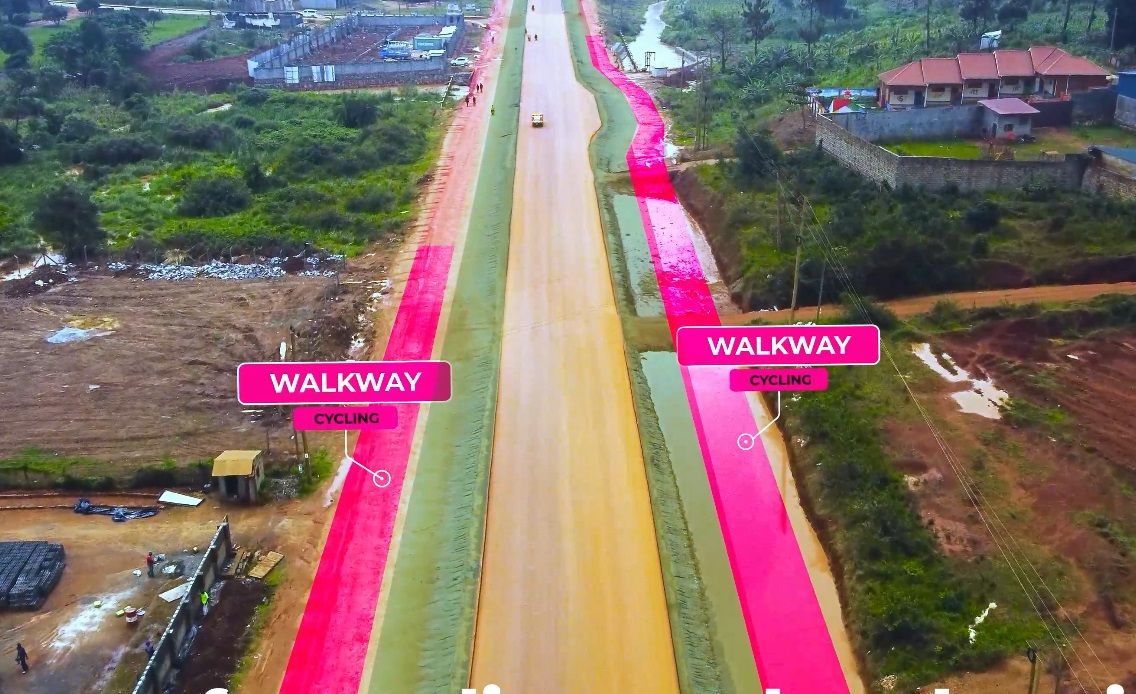
Why is the paved section of the Kira-Kasangati-Matugga road smaller compared to the total width of the road under construction? To find out read below. (Detailed Video in Frame 4)
The Kira-Kasangati-Matugga project aims to upgrade the entire road to paved standards, with a design that includes:
(I) 3.5-meter lanes: Standard lane width for vehicular traffic.
(II)1.5-meter shoulders: Provide safety margins and space for breakdowns.
(III)4.0-meter green belt:Promotes environmental benefits and future lane expansion.
(IV)2.0-meter cycle lane:Encourages eco-friendly transportation.
(V)2.0-meter pedestrian walkway:Improves safety for non-motorized users.
The cycle lane specifically aligns with promoting zero-emission transport and environmental benefits.
While the paved section is still in progress, the road's width accommodates these planned features for a safer and more sustainable transportation infrastructure in the future. #UNRAworks
Did you know that Uganda is considered to have had the first expressway among Kenya, Sudan, Burundi, DRC, Rwanda, and Tanzania?
The Kampala–Entebbe Expressway, completed in 2018, is recognized as the first Expressway in Uganda and East Africa.
(There is a big difference between Highways and Expressways)
Egypt was the first African country to have had an expressway, completed in 1981.
The Autostrada dei Laghi, meaning "Lakes Motorway," was built in 1924 and is considered the first expressway in the world.
The Kampala Flyover Project Phase 2 is set to begin soon. Rigorous traffic analysis has confirmed the necessity of these flyovers and their potential impact has been meticulously assessed.
This intervention, combined with planned mass transit modes like the Bus Rapid Transit (BRT), Light Rail Transit (LRT), and Standard Gauge Railway (SGR), is expected to significantly reduce traffic congestion in Kampala.
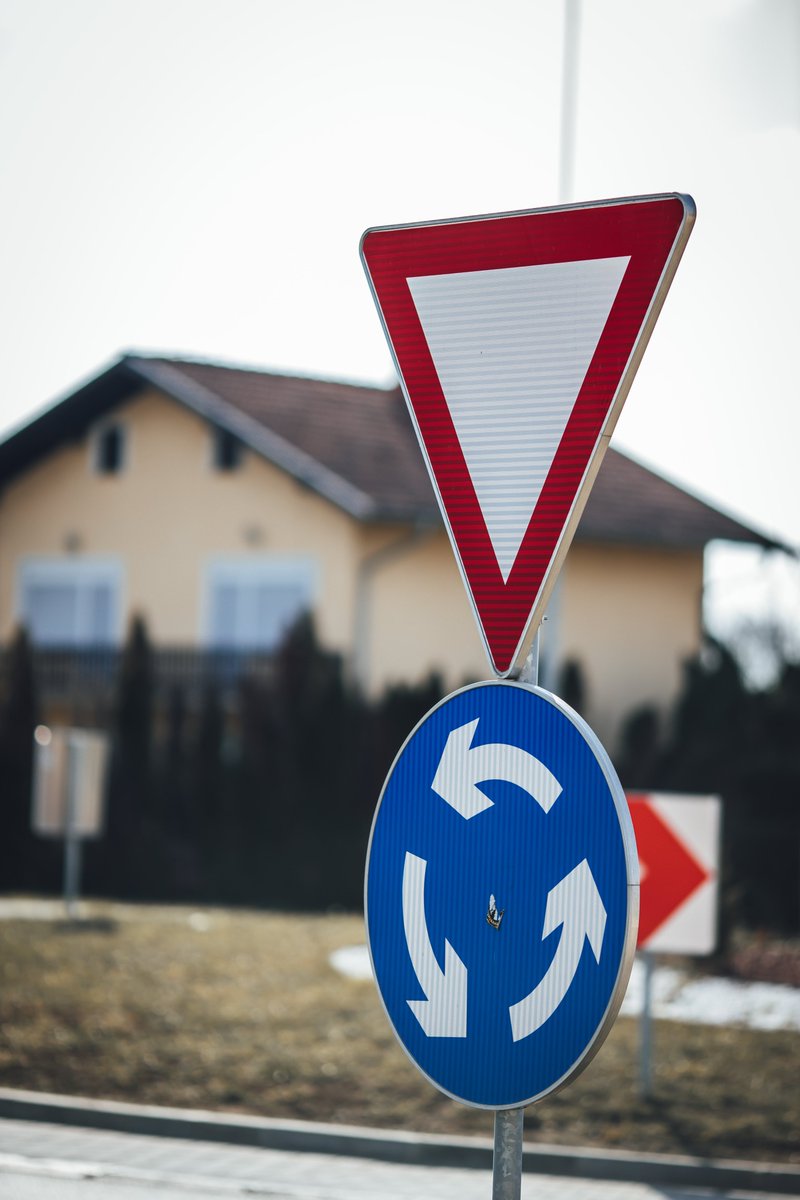
The sign pictured is a yield or give-way sign, a crucial traffic control device found worldwide. It's typically shaped as an inverted triangle with a red border and white interior. In English-speaking regions, it often displays the word "YIELD" or "GIVE WAY,"
In other countries, it may be textless, relying solely on the distinctive shape for recognition.
Interestingly, the sign in the photo is upside down. This unique orientation isn't a mistake; it's a deliberate design choice to enhance visibility. The inverted triangle remains easily identifiable even if partially obscured by snow, dust, or other debris.
The absence of text further contributes to its universality, eliminating language barriers and ensuring comprehension in any region. Whether with or without words, yield signs consistently communicate a clear message: give way to other road users. (The signs below are from France and Italy)
Ever seen that upside-down triangle sign and wondered, "What's the deal with that?"
And why's it the only one facing that way without any words?
A local told me the budget ran out before they could finish it hence the minimalist vibe. (ttiimu ya unra teyalina ssente za kumaliriza kipande, kwe kukoma awo)
But seriously, why is this sign playing the "inverted pyramid" game while all the other signs are standing tall?