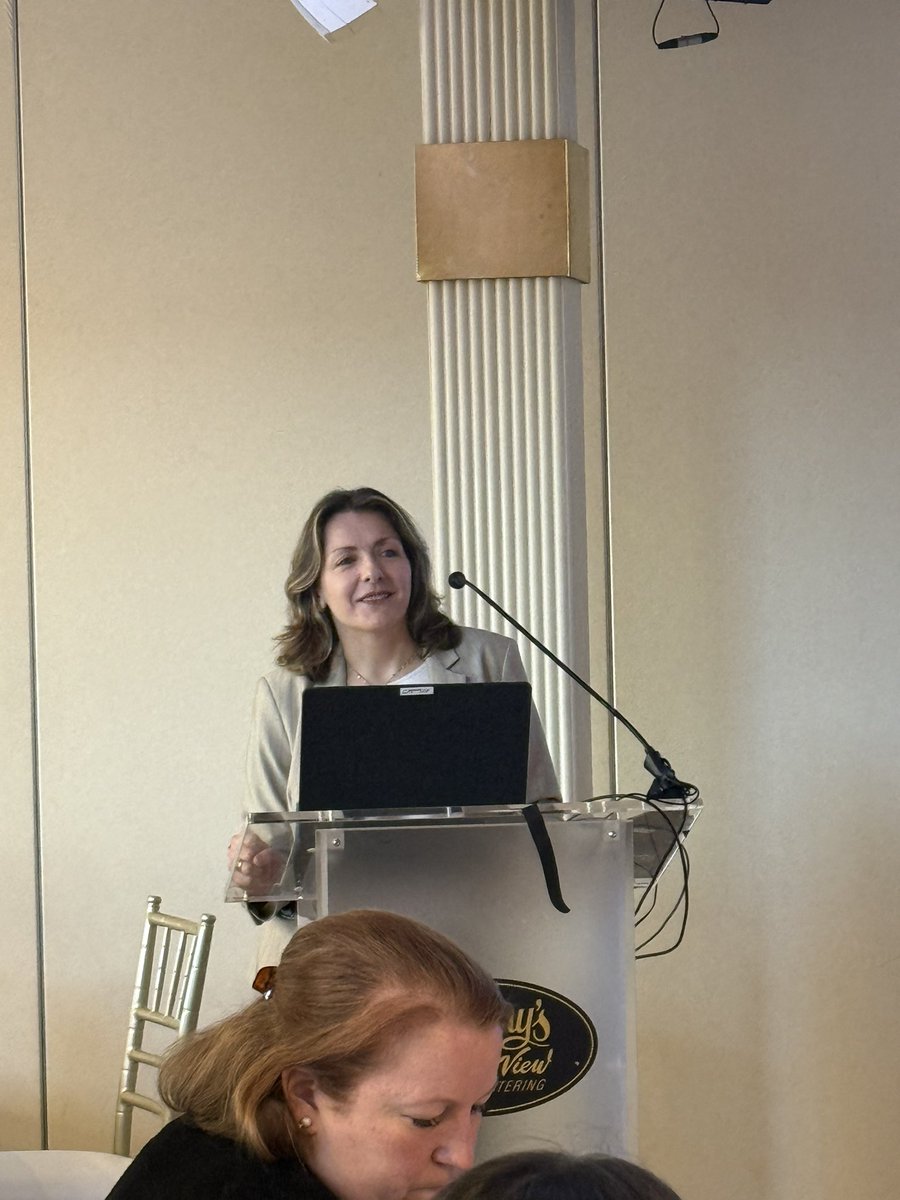
We had an outstanding brainstorming/strategic planning meeting fin the leukemia program within @YaleCancer@YaleHematology including clinical, translational, registry-based & HOER projects in #AMLsm#MDSsm#MPNsm & involving many residents, fellows, trainees & other team members
We had a nice event to celebrate three of our malignant hematology colleagues who will be leaving Yale: our amazing transplant APP Alfredo Axtmayer to join industry, our postdoc Luca Lanino who will be joining DFCI for a leukemia fellowship, and our graduating heme/onc fellow Ted Getz who will be joining leukemia faculty at NYU. We also welcomed our two graduating fellows who will be joining our malignant heme faculty in the lymphoma program Etienne Leveille and Cristian Taborda.
🎤 JUST ANNOUNCED: THE MXH 2026 FACULTY LINEUP! Join leading experts on July 11–12 at the Conrad New York Downtown for latest data, expert debates, & practical insights to bring back to your practice. Secure free registration with code zeidan at: https://t.co/jxSYzK8sXI
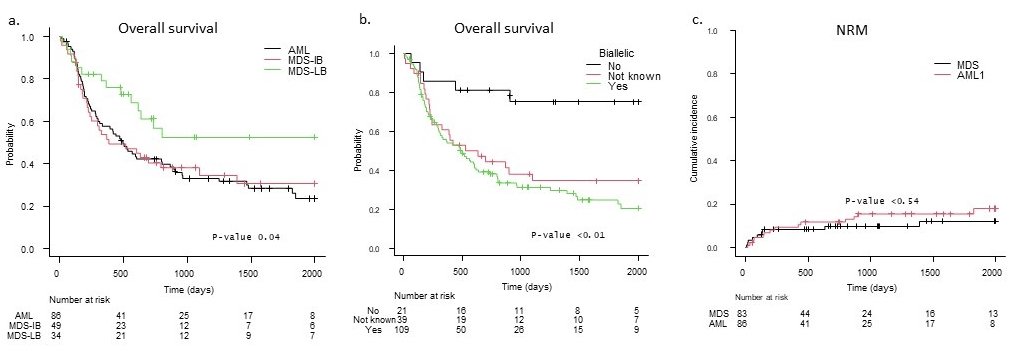
I look forward to this very important presentation in #EHA2026 about value of transplant in TP53 mutated #MDSsm and #AMLsm. The results clearly indicate a tail at end of curve and around 20% 23-year OS even among biallelic TP53mut patients, and especially in those with lower blast counts. Do NOT deprive patients from the opportunity of transplant without a very well-informed discussion!
Patients with KPS >80 had an estimated 3-year OS of 49.3%, compared with 30.2% for KPS ≤80. Biallelic TP53 was associated with inferior survival (HR 4.05, 95% CI 1.76–9.32; p=0.001) (figure 1b), reaching statistical significance only in the MDS subgroup. A low blast count at diagnosis was associated with improved survival (HR 0.50, 95% CI 0.29–0.88; p=0.02).
No clear associations were observed for age, HCT-CI, donor type, conditioning intensity or ATG. NRM did not differ significantly between MDS and AML (figure 1c).
ALLOGENEIC HSCT FOR TP53-ABERRANT MYELOID NEOPLASMS: REAL-WORLD... - Myhre A - EHA-6995 - Jun 13 2026
Super excited to share our How-I-Treat our today in @BloodPortfolio where we show how we integrate somatic mutations and other alterations 🧬 into the diagnosis and clinical care of #BMFsm patients. @fergutierrezro1@bhavishap29@NIH https://t.co/CnSeDfvc7E
@Dr_AmerZeidan@MedwatchKate If fit enough for a transplant, triplet to induce as deep a remission as possible. If not, I would stretch out the therapies as long as possible.
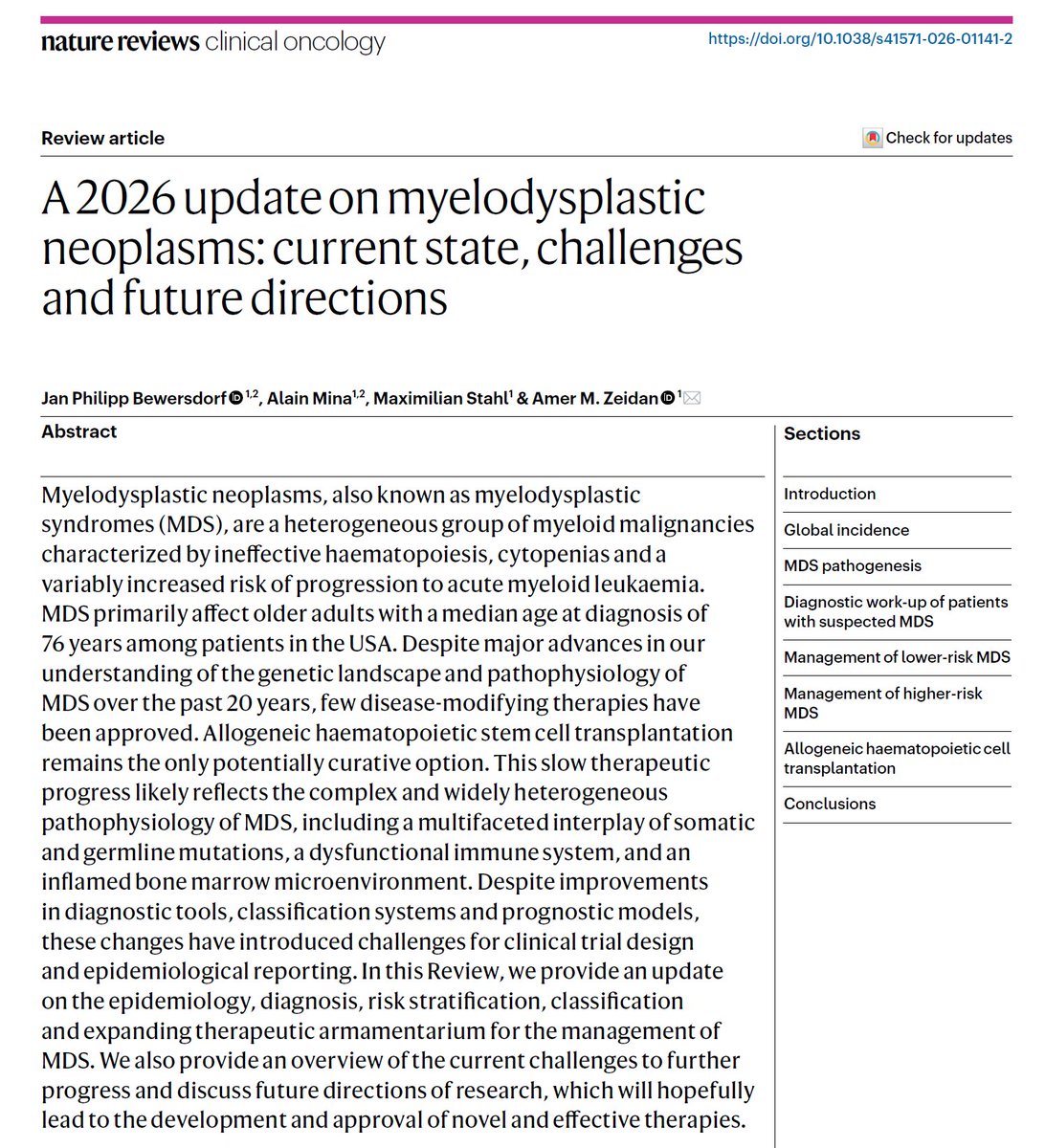
Glad to share our @Yale tour-de-force review of #MDSsm published in @Nature Reviews of Clinical Oncology (Free online read at https://t.co/GTWWl9intQ) which has to be the most comprehensive review we have ever written on the subject covering all relevant areas from epidemiology, pathogenesis, diagnosis, risk stratification, to current and evolving therapies for lower and higher risk disease @YaleCancer@YaleHematology@YaleMed
New study led by Dr. Luca Lanino @YaleHematology analyzes the genomics of chronic myelomonocytic leukemia through a large international collaboration, identifying 9 molecular subtypes of #CMML and introducing #iCPSS, a genomics-based risk calculator to improve prognosis and guide treatment planning (https://t.co/V1f013x0iK)
https://t.co/gUu1pOLmVf
@Dr_AmerZeidan@SmilowCancer@JCO_ASCO
2️⃣ Permissive HLA-DPB1 Mismatch with PTCy Reduces Relapse in High-Risk AML/MDS
Allo transplant donor selection in high-risk AML/MDS may be optimized by allowing permissive HLA-DPB1 mismatches when using PTCy. In a Leukemia study, permissive DPB1 mismatches were associated with lower relapse vs fully matched donors (2-year: 18% vs 28%; HR 0.6), with the greatest benefit in high-risk disease.
https://t.co/WpclgfE9zI