I’m honored to share the publication of “Comprehensive Periorbital & Midface Rejuvenation” in Elsevier’s Facial Plastic Surgery Clinics of North America, which I had the privilege of serving as lead editor.
This issue brings together an outstanding group of surgeons and thought leaders to explore modern approaches to deep plane facelift, blepharoplasty, fat grafting, periorbital rejuvenation, midface rejuvenation, aesthetic analysis, and evolving techniques focused on achieving natural, balanced results.
My goal was to create a comprehensive resource that shares experience, innovation, and practical insight to help move the field of facial plastic surgery forward.
I’m deeply grateful to all of the contributors whose expertise and collaboration made this publication possible.
Special thanks to: Tracy VandeWater, Marc Mani, Dominic Bray, Benjamin Talei, Hedyeh Ziai, Arman Danielian, Lexie Lulu Wang, Andre Shomorony, Lauren E. Melley, Emily C. Deane, Jason D. Bloom, Jamil Asaria, Gabrielle Cahill, Sunder Gidumal, Vishad Nabili, Gregory S. Keller, Brandon Kamrava, Daniel Li, Neil A. Gordon, Demetri Arnaoutakis, Yao Wang, Guy G. Massry, John B. Holds, Fred G. Fedok, Stephen Perkins, Alexander Caniglia, Erik Peterson, and Robert Schwarcz for their invaluable contributions to this work.
#FacialPlasticSurgery #FacialRejuvenation #AestheticSurgery #MedicalEducation #SurgicalInnovation
Thank you to @TandCmag and Danielle Stein Chizzik for including me in this article.
Recently, there’s been increased discussion around whether facelifts can “slip.” It’s a nuanced topic, and I’d like to offer some clarity.
Facelift results are not static—they evolve over time. In the early postoperative period, swelling can create a more lifted appearance, which gradually settles as healing progresses. This natural transition is sometimes misinterpreted as a loss of results, when in reality it is part of the normal recovery process.
Outcomes are also highly individualized. Technique, underlying anatomy, age, lifestyle, and prior procedures all play a role in how results look and how long they last. Differences between approaches—such as deep plane and SMAS techniques—continue to shape the broader conversation around longevity, with deeper structural approaches often associated with more durable outcomes.
Ultimately, setting realistic expectations and taking a comprehensive, anatomy-based approach are key to achieving natural, long-lasting results.
You can read the full thing here: https://t.co/vLF5xQHUGH
#FacialPlasticSurgery #DeepPlaneFacelift #SMASFacelift
Just returned after presenting at the NYC Facelift & Rhinoplasty Master Course, where I presented on how to safely perform deep plane facelift to obtain natural results and prevent facial nerve issues.
A detailed understanding of the anatomy—both in theory and in the lab—is essential to advancing surgical precision, safety, and gorgeous outcomes. Grateful to collaborate with an outstanding international faculty committed to elevating the field of facial plastic surgery through education and innovation.
Special thanks to Dr. Ramtin Kassir and Dr. Sheila Kassir for organizing.
#FacialPlasticSurgery #SurgicalEducation
I recently had the opportunity to respond to British Medical Journal’s BMJ Case Report describing a neonatal presentation of subgaleal hemorrhage with transient facial paralysis.
The case is both thoughtful and clinically valuable, particularly in highlighting an uncommon presentation associated with birth trauma, and I commend the authors for their contribution.
My commentary focused on the importance of precise terminology—specifically the use of the term Bell’s palsy. By definition, Bell’s palsy refers to an idiopathic facial paralysis. In this case, the clinical picture more closely aligns with traumatic facial nerve dysfunction related to birth-related compression.
While this may seem like a subtle distinction, nomenclature plays a critical role in how we frame diagnosis, guide management, and communicate with both colleagues and patients.
As our understanding of facial nerve disorders continues to evolve, I believe maintaining clarity and precision in language is essential to advancing both clinical care and academic dialogue.
Read the discussion here: https://t.co/13L1yzh9zY
Thank you to Goop, Amy Synnott, and Beth Landman for featuring me and my patient, Lisa Alvarez, in their recent article on the rise of the “starter facelift.”
The piece highlights an important shift in facial rejuvenation, where surgery is increasingly viewed not as a last resort, but as a proactive and individualized approach to aging—particularly among patients in their 40s and early 50s. It also explores the distinctions between SMAS and deep plane facelift techniques, and the importance of tailoring the approach to each patient’s anatomy and goals.
I’m pleased to contribute to this conversation and to share Lisa’s experience as part of a broader discussion around thoughtful, natural-looking outcomes.
Read the full article here: https://t.co/rM5L73p3lb
#Goop #PlasticSurgery
What’s changing in corporate leadership today isn’t just how people think — it’s how they’re perceived.
Business Insider recently interviewed me about a growing trend: more C-suite executives are pursuing facial rejuvenation earlier than ever before.
But this isn’t about looking younger.
It’s about looking youthful and aligned — with the energy, clarity, and presence required to lead.
Today’s executives are stepping into high-visibility roles earlier, particularly in fast-moving industries like tech and AI. With that comes increased pressure to appear:
• approachable
• energized
• and credible
In my practice, so many patients come from the tech, finance, venture, and entertainment sector. These are individuals who don’t want to look “different” — they want to look like refreshed versions of themselves.
The most requested procedures today aren’t dramatic.
They’re authentic and tasteful.
Treatments like eyelid surgery, brow lifts, and deep plane facelift and neck lifts are being used to address fatigue — not identity.
The goal is simple:
To look as capable on the outside as you feel on the inside.
https://t.co/N4dqB7AhgS
Super excited to be part of the international faculty at Deep Plane Brazil 2026 in São Paulo—an immersive meeting dedicated to advancing facial plastic surgery through education, innovation, and collaboration.
I will be presenting keynote lectures on advanced deep plane facelift techniques, facial nerve preservation, and revision facelift—core topics essential to achieving safe, natural, and lasting results.
I’m grateful for the opportunity to share knowledge, exchange ideas, and contribute to the continued evolution of the deep plane facelift alongside such an exceptional global community.
Looking forward to connecting with colleagues committed to elevating the standard of the deep plane facelift.
#DeepPlaneFacelift #FacialPlasticSurgery #SurgicalEducation #AestheticSurgery #MedicalInnovation
I’m proud to share the release of Master Techniques in Rhinoplasty, 2nd Edition, a project I had the privilege of serving as a lead editor on alongside an outstanding group of colleagues.
Since the first edition was published in 2011, our field has continued to evolve in meaningful ways. This updated edition brings together leading rhinoplasty surgeons from around the world, offering their expertise on preservation rhinoplasty, structural rhinoplasty, nasal reconstruction, and many other advanced techniques.
I’m honored to have collaborated with such an esteemed editorial team, including Mark R. Murphy, MD; Calvin M. Johnson, MD; William Numa, MD, FACS; Paul S. Nassif, MD, FACS; and Grace Lee Peng, MD, FACS.
Our goal was to create a comprehensive and practical resource that reflects both the art and science of modern rhinoplasty.
I’m incredibly grateful to all the contributors who shared their knowledge and experience to make this work possible.
For anyone dedicated to advancing their understanding of rhinoplasty, this book is an invaluable resource.
#Rhinoplasty #FacialPlasticSurgery #SurgicalEducation #PlasticSurgery #NoseJobs
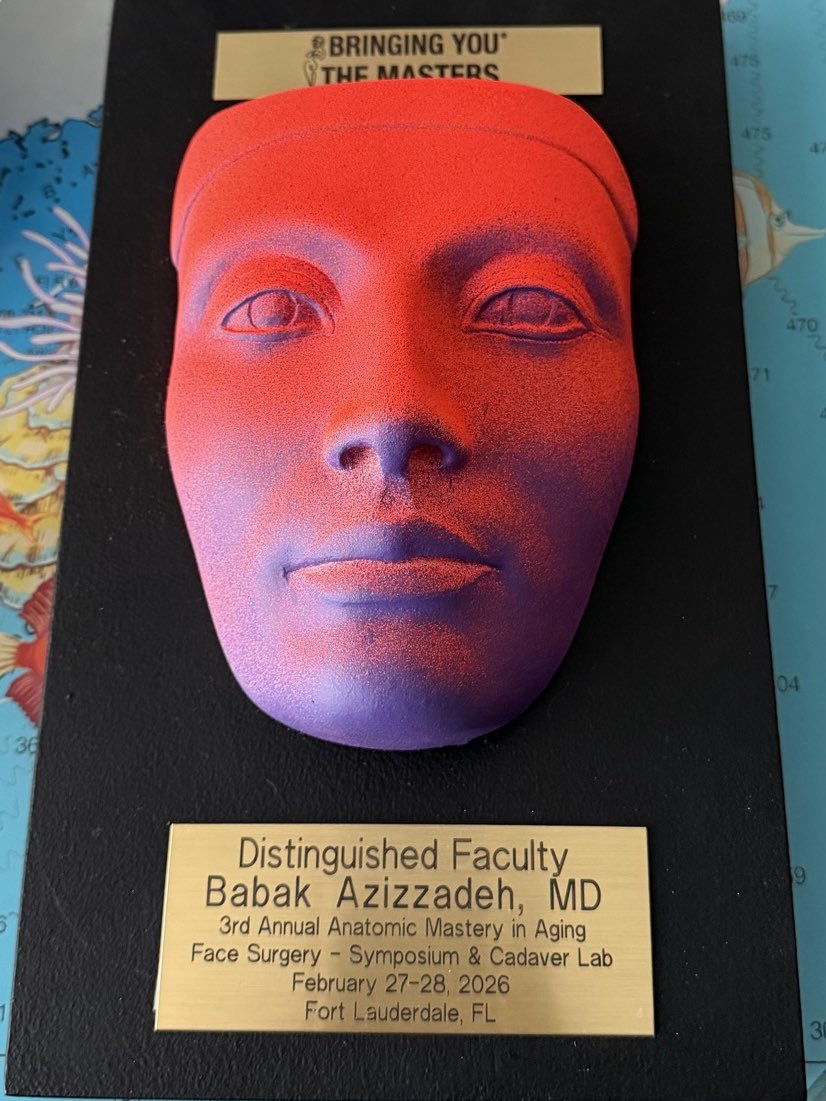
Two weeks ago, I had the honor of lecturing at the Bringing You the Masters 3rd Annual Anatomic Mastery in Aging Face Surgery Symposium & Cadaver Lab in Florida. I spoke on my deep plane facelift techniques and on facial anatomy and analysis, which are two essential foundations for thoughtful surgical planning and optimal outcomes in deep plane facelift surgery.
It was a privilege to share the stage with such an outstanding group of surgeons and to be part of a meeting dedicated to advancing our field through education and collaboration.
#PlasticSurgery #FacialPlasticSurgery #SurgicalMasterclass #BringingYouTheMasters #PlasticSurgeon
Bloomberg recently interviewed me about the growing trend in rhinoplasty among patients in their 40s and beyond. They are not looking for dramatic change, but for refinement that is subtle and virtually undetectable. In other words, a “nose job no one notices.”
Over the past several years, increased screen time and video conferencing have made many individuals more aware of their appearance. As the central focal point of the face, the nose plays a critical role in overall facial harmony. Even small structural adjustments can significantly influence how the face is perceived — both by others and by the patient themselves.
Rhinoplasty in this age group requires a nuanced approach. Achieving natural, undetectable results demands thoughtful analysis of skin quality, structural support, and long-term facial aging considerations.
Thank you to @business and Alina Dizik for featuring me in this discussion.
Read the full article here: https://t.co/a4bNQfcnNY
#bloomberg #rhinoplasty #nosejob #plasticsurgery #facialplasticsurgery #plasticsurgeon
Looking forward to joining fellow world-renowned facial plastic surgeons at Bringing You The Masters (BYTM) — a premier hands-on surgical conference focused on advanced facial rejuvenation techniques.
Anatomic Mastery in Aging Face Surgery
📅 February 27-28
📍 Marriott Hollywood Beach, FL
I’m thrilled to share the stage with incredible surgeons committed to excellence in facial plastic and reconstructive surgery, advancing technique and anatomy-driven approaches that ultimately benefit our patients.
Hope to see you there!
#FacialPlasticSurgery #SurgicalMasterclass #BringingYouTheMasters #PlasticSurgeron
I will be joining colleagues in the inaugural session of the AAFPRS's educational webinar series, The Face Forum.
This discussion will focus on revision facelift surgery, facial nerve safety, and netting considerations - alongside Dr. Andre Auersvald, moderated by Dr. Manoj Abraham
🗓 Wednesday, March 11
⏰ 8:00–9:00 PM EDT
Revision facelifts require a comprehensive understanding of anatomy, prior surgical alterations, and meticulous technique to achieve safe, natural, and lasting outcomes.
I hope you’ll join us for this educational program.
I recently spoke with @Forbes about how anti-aging beauty has become a major growth engine in the Gulf.
The region is experiencing rapid growth in aesthetic medicine, facial plastic surgery, and medical tourism driven by innovation, advanced techniques, and increasing demand for natural, long-lasting results.
The anti-aging industry continues to evolve, and the Gulf is playing an important role in shaping what’s next.
Thank you to Forbes and Joyce Abaño for featuring me in this article.
Read the full article here: 🔗 https://t.co/s9Uq6Bbwfb
#Forbes #AntiAging #AestheticMedicine #FacialPlasticSurgery #MedicalTourism #Longevity
I’m grateful to be named a 2026 Castle Connolly Top Doctor, marking my 15th consecutive year receiving this honor.
Castle Connolly recognition is especially meaningful because it is based on peer nomination and reflects the confidence of fellow physicians. To be acknowledged year after year as someone colleagues and patients can look to for trusted, high-quality care is both humbling and deeply motivating.
I remain committed to advancing the field of facial plastic and reconstructive surgery through innovation, precision, and a continued focus on patient-centered outcomes.
Thank you to my patients, colleagues, and dedicated team for your ongoing support — and to @CastleConnolly for this continued recognition.
#CastleConnolly #TopDoctor2026 #FacialPlasticSurgery #CastleConnollyTopDoctor #Grateful #SurgicalExcellence
I was honored to participate as a guest speaker at the Face & Nose Institute 2026 Facial Rejuvenation Deep Plane Course in Bogotá, Colombia.
Throughout the conference, I presented and demonstrated my surgical philosophy through case-based operative analysis, focusing on principles that drive safe, consistent, and long-term outcomes in facial plastic surgery. My contributions included in-depth discussions on:
• Safety in facial surgery, emphasizing anatomy-driven planning and risk mitigation
• Rhinoplasty: why perfection does not exist, and the importance of balance, structure, and expectation management
• Scientific evidence supporting the Deep Plane Facelift, including precise definition of the technique
• My surgical approach to facial rhytidectomy and facial rejuvenation, from evaluation to execution and outcomes analysis
These academic exchanges are essential for refining technique, advancing the field, and ultimately improving patient care. I’m grateful to the Face & Nose Institute for the invitation and to my international colleagues for the thoughtful discussions and collaboration.
#FacialPlasticSurgery #DeepPlaneFacelift #FacialRejuvenation #Rhinoplasty #SurgicalEducation #GlobalFaculty #FaceAndNoseInstitute
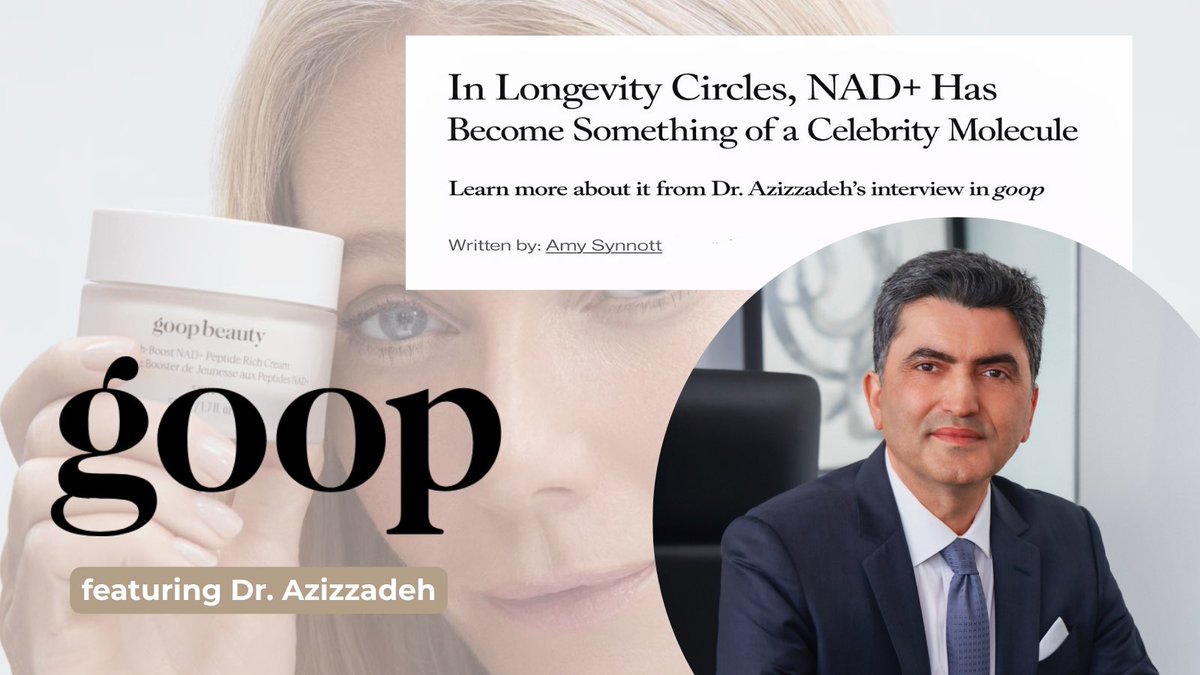
NAD+ has been gaining significant attention recently—across the wellness world, online media, and even among celebrities and influencers focused on longevity and anti-aging.
But beyond the buzz, NAD+ represents something genuinely compelling from a scientific perspective: it plays a critical role in cellular energy, repair, and regeneration, which are foundational to healthy aging—including the health and appearance of our skin.
I’m honored to be featured in a recent Goop Beauty article reviewing the new Youth-Boost NAD+ Peptide Rich Cream, a skincare innovation that reflects the growing intersection of clinical science and modern skincare formulation.
As a Beverly Hills facial plastic surgeon, I’m often asked what truly makes a difference in maintaining youthful-looking skin. While aesthetics matter, the most meaningful advancements today go deeper—supporting skin barrier function, hydration, and cellular renewal over time.
This is why ingredients such as NAD+ precursors, peptides, ceramides, and postbiotics are generating so much interest in both medical and skincare communities. These components may help improve firmness, smooth texture, and reduce the appearance of fine lines by supporting the skin’s natural repair processes.
In the Goop feature, I share insight into why NAD+ skincare is more than just a trend—it represents a broader shift toward evidence-based skin longevity and regenerative support.
Thank you Goop and Amy Synnott for including my insights in this article!
Read the full article here: https://t.co/qKe1Hm4uBa
#SkincareScience #NADPlus #AntiAgingResearch #FacialPlasticSurgery #GoopBeauty #SkinHealth #LongevitySkincare #BeverlyHillsSurgeon
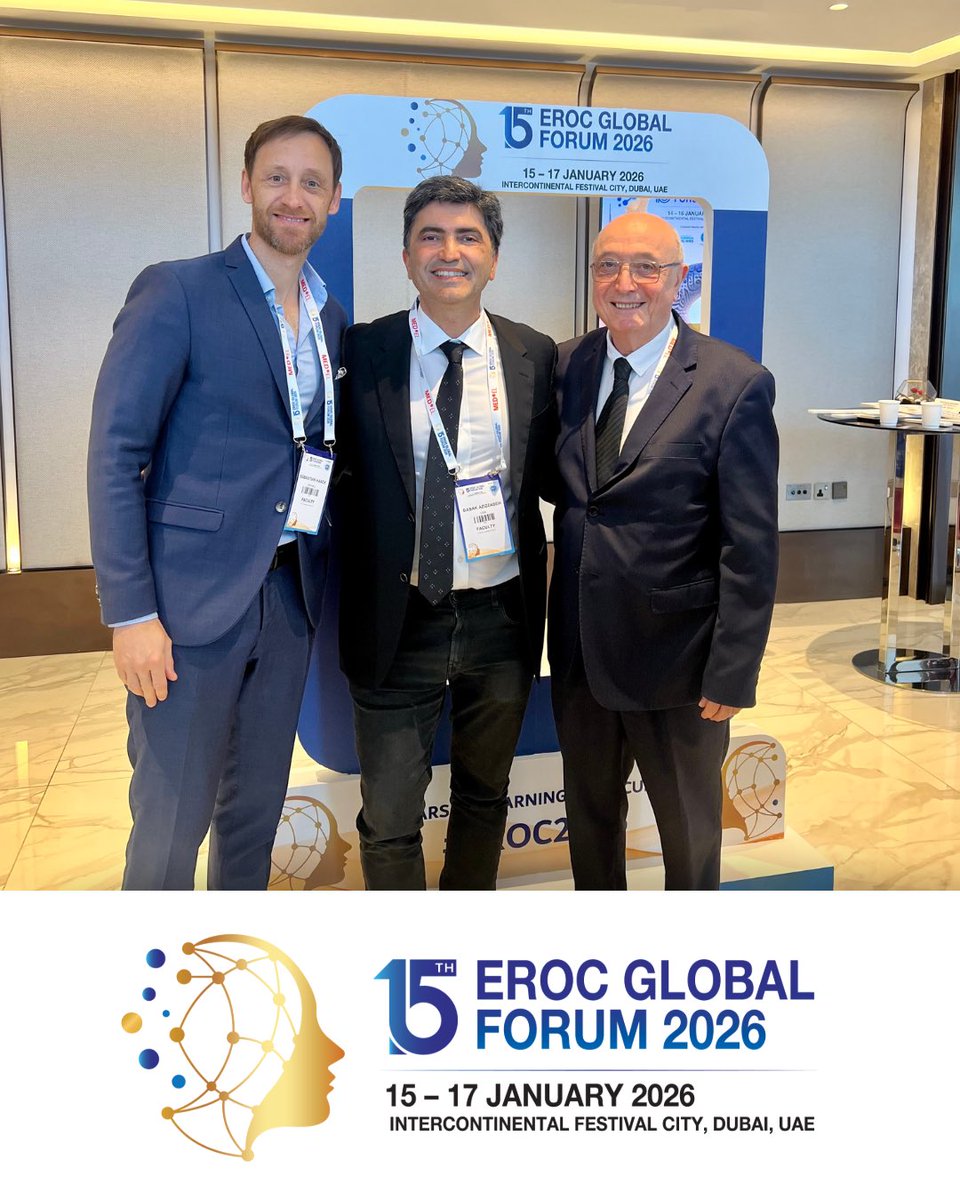
What makes a facelift surgeon truly distinguished from the rest?
This month at the EROC Global Forum in Dubai, I sat down with two fellow surgeons for a thoughtful discussion on what defines excellence in facelift surgery.
I was also honored to serve as a master keynote speaker at the Deep Plane Facelift and Facial Reanimation meetings.
While technique is certainly important, distinction in our specialty is built on far more than technical ability alone. True excellence requires a combination of:
• Deep anatomical mastery — understanding both surface and deeper structural foundations • Sound surgical judgment — knowing what to address, and just as importantly, what not to pursue • A commitment to safety — particularly with facial nerve preservation and precision in complex procedures • Artistry and balance — achieving natural, harmonious outcomes rather than overcorrection • Patient-centered care — aligning surgical planning with individual anatomy, goals, and realistic expectations
As demand for facial plastic surgery and rejuvenation continues to grow, our responsibility is to uphold the highest standards of thoughtful analysis, safe execution, and long-term patient satisfaction.
Grateful for the opportunity to exchange perspectives with respected colleagues and international faculty at EROC.
What qualities do you believe truly set an exceptional facelift surgeon apart?
#FacialPlasticSurgery #SurgicalExcellence #FacialRejuvenation #PatientSafety #FaceliftSurgery #EROCDubai
It was an honor to attend the 2026 EROC Global Forum in Dubai for the first time and to serve as a Master Keynote Lecturer, presenting on key advances in facial rejuvenation and reconstruction.
My lectures and panel discussions focused on:
• Extended deep plane facelift techniques • Structural neck contouring and deep neck anatomy • Facial nerve safety in primary and revision surgery • Revision facelift strategies • Facial reanimation and restoration of dynamic function
Moving beyond the classic approach
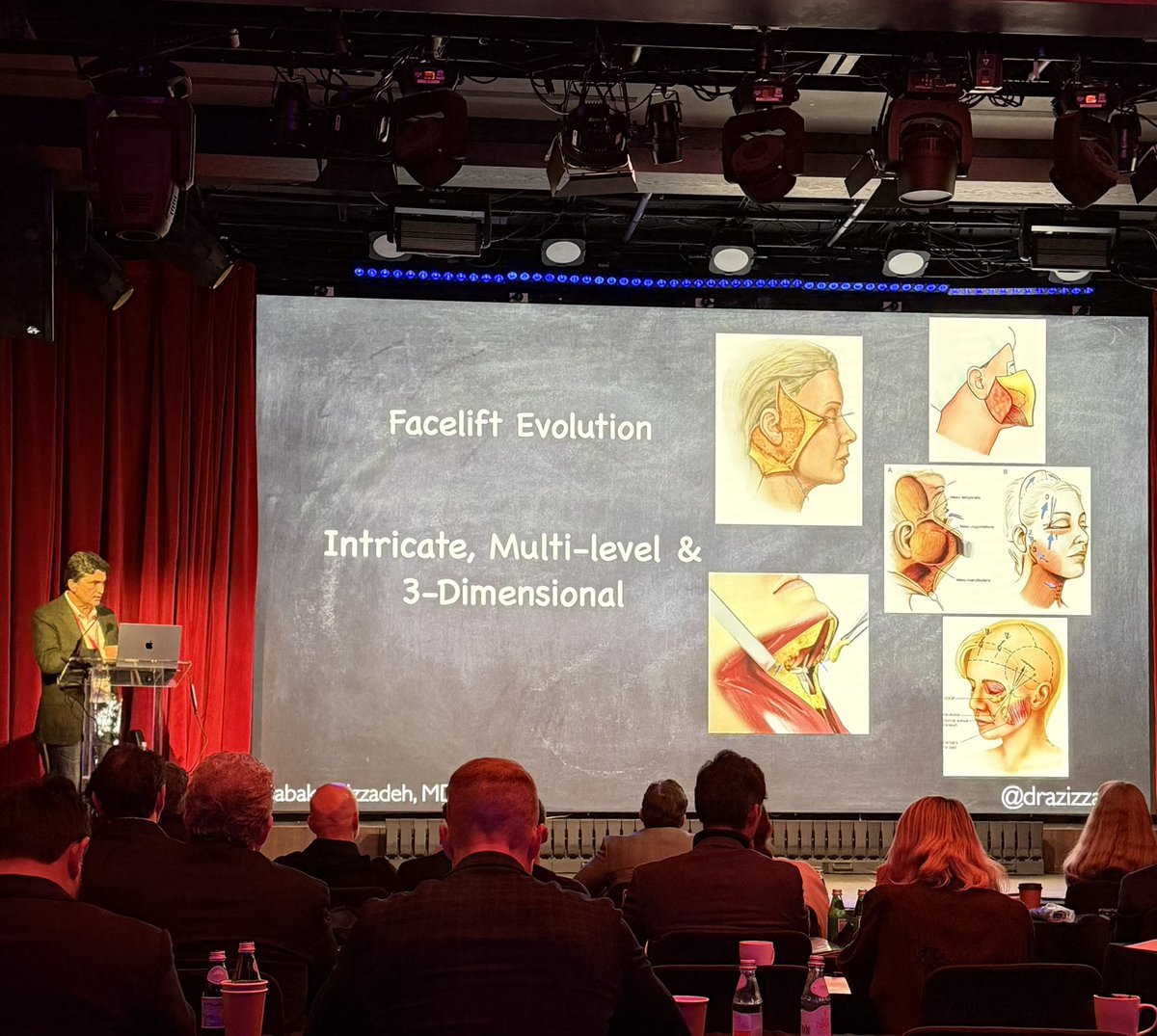
Facial analysis has long been rooted in the Vitruvian framework, emphasizing harmony through the upper, middle, and lower thirds. While this remains a valuable educational tool, it is inherently two-dimensional.
Optimal facial rejuvenation requires a truly three-dimensional, multi-level anatomical approach.
Surface vs. deeper anatomy
The “surface” of facelift surgery involves the skin–soft tissue–muscle envelope:
• Skin • SMAS/platysma • Superficial fat compartments
But outcomes are often defined by deeper structures, including:
• The buccal fat pad (often better repositioned than removed) • Skeletal aging and maxillary/mandibular resorption • Facial nerve anatomy, critical for both safety and function
Structural neck contouring matters
Even with the best extended deep plane facelift, deep neck anatomy can limit results. Factors such as:
• Submandibular gland hypertrophy • Deep fat compartments • Digastric anatomy and hyoid position
often explain why improvement is achievable, but ideal contour is not always possible.
With the growing demand for facial plastic surgery across the U.S., our responsibility is not simply to offer facelifts, but to offer the appropriate surgical plan based on anatomy, goals, and realistic outcomes.
The ultimate objective remains:
Patient happiness through thoughtful analysis, safe execution, and comprehensive care.
Grateful to colleagues at EROC for an outstanding academic exchange.
#DeepPlaneFacelift #NeckContour #RevisionFacelift #FacialNerveSafety #FacialReanimation #FacialPlasticSurgery #EROCDubai
I was recently featured in @voguemagazine
discussing the growing interest in PDRN and its role in skin healing and collagen renewal.
While PDRN is trending across social media, its clinical background is rooted primarily in wound repair and regenerative medicine.
In clinical and experimental settings, PDRN is believed to work by activating adenosine A2A receptors, which can help calm inflammation, stimulate new blood vessel formation, and support the skin’s natural processes of healing and collagen renewal.
By addressing skin health at a cellular level, it has been studied for its potential to improve damaged skin, uneven texture, dark spots, and hydration.
It’s also important to note that topical PDRN appears most promising when paired with delivery methods that allow it to reach deeper layers of the skin, such as microneedling or laser-assisted channels.
Even then, the research is still evolving, and conclusions should be drawn carefully.
As with any emerging treatment, I believe these trends should be evaluated through a scientific lens, with thoughtful consideration of evidence, delivery, and realistic outcomes.
Thank you to Emily Orofino for including my perspective in the conversation. What are your thoughts on PDRN?
Link to the article: https://t.co/zHzw1JazY8
#PDRN #FacialPlasticSurgery #RegenerativeAesthetics #SkincareScience #Vogue #FacialPlasticSurgeon