Selene, Goddess of
the Moon, daughter
of the Titans
“Queen of the stars,
deck’d with a graceful
robe and shining veil
Come, Goddess, on
this starry bright night
Come with your lamp
with chaste and
splendid light
Shine on us tonight”
Have a Blessed New Week!
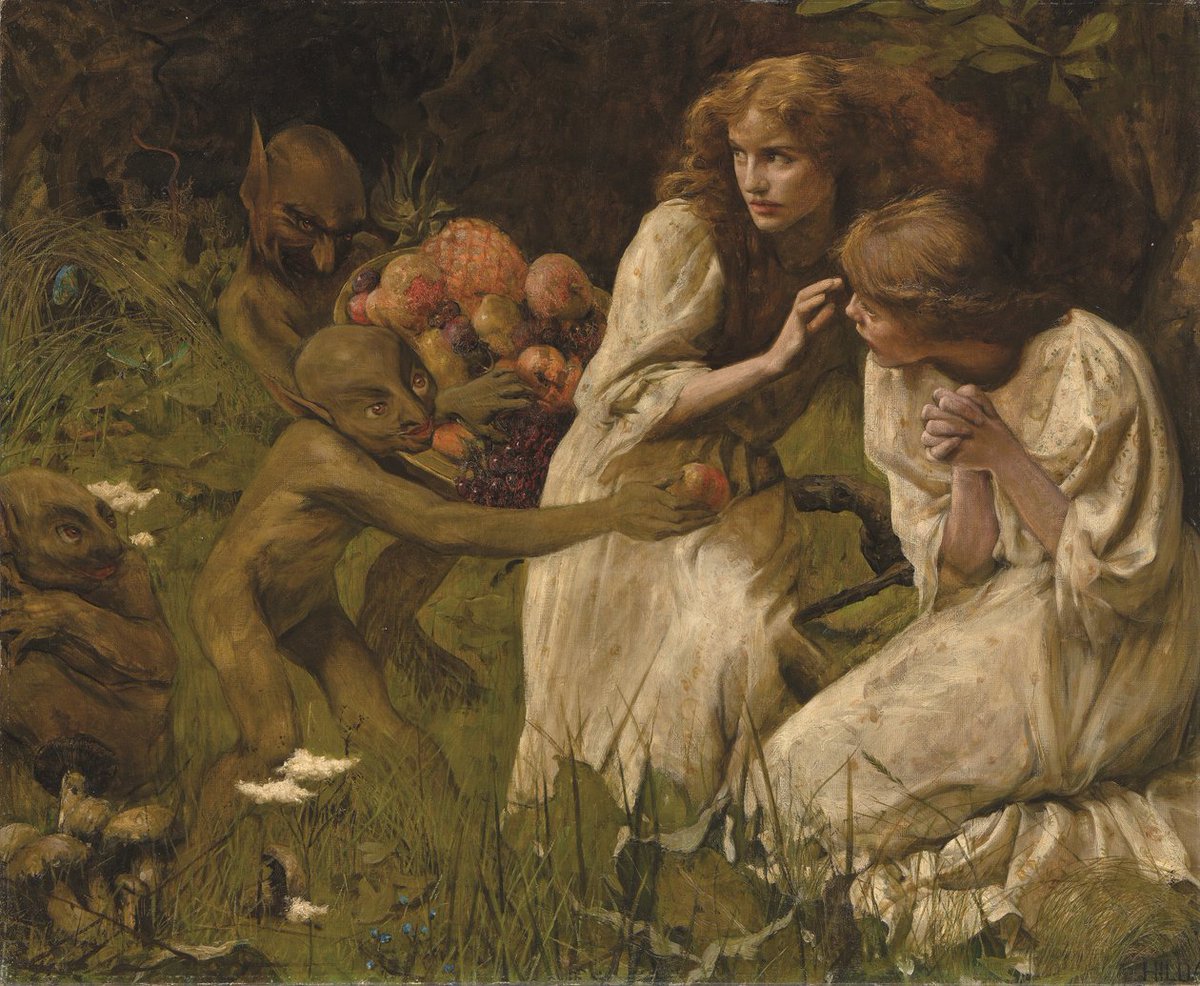
BRITISH GOBLINS This remarkable painting is inspired by Rossetti's 1862 poem 'Goblin Market'. It's painted by English artist Hilda Koe (c. 1901).
'We must not look at goblin men,
We must not buy their fruits:
Who knows upon what soil they fed
Their hungry thirsty roots?'
#FolkloreSunday
Red, red, vermilion red,
With buds and blooms in a glorious head!
There isn’t a flower, the wide world through,
That glows with a brighter scarlet hue.
Geraniums symbolise protection, friendship and positivity, and may be used in rituals and healing ceremonies.
Full Moon on 12th May
The Flower Moon, named for the wildflowers that bloom in May
Also: Milk Moon in Anglo-Saxon; Hare Moon and Grass Moon in Old English
#FullMoon#FlowerMoon
📷 Onkamon Buasorn
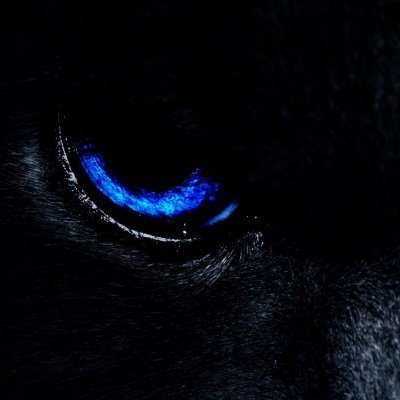
A 'Shuck' was known to haunt woodland around Ayr. These black dogs from folklore have a malevolent nature and are often seen as an omen of death. In one tale however, the 'Shuck' was attempting to save a child from a wolf.
#folklore#Ayrshire
art: Barry Moser
"Our ancestors said to their mother Earth, 'We are yours'. Modern Humanity said to Nature, 'You are mine'. The Green Man has returned as the living face of the whole earth so that through his mouth we may say to the universe: 'We are one'"
~ Sharon Brubaker
#FairyTaleTuesday
Merlin driven mad with grief when his men are slaughtered in battle, finds refuge in Caledonian Forest. Here, communing with Nature Spirits he gains the gift of prophecy and is later seen running with wild animals
#Merlin#prophecy#druidry
art: Alan Lee
THE MERMAID'S MIRROR Often seen as a sign of sin; it also represents the mermaid's ability to see through the veil that separates the visible and spirit worlds, according to the folklore of mirrors 🎨 Hours of Yolande; C19th book plate #mythologymonday
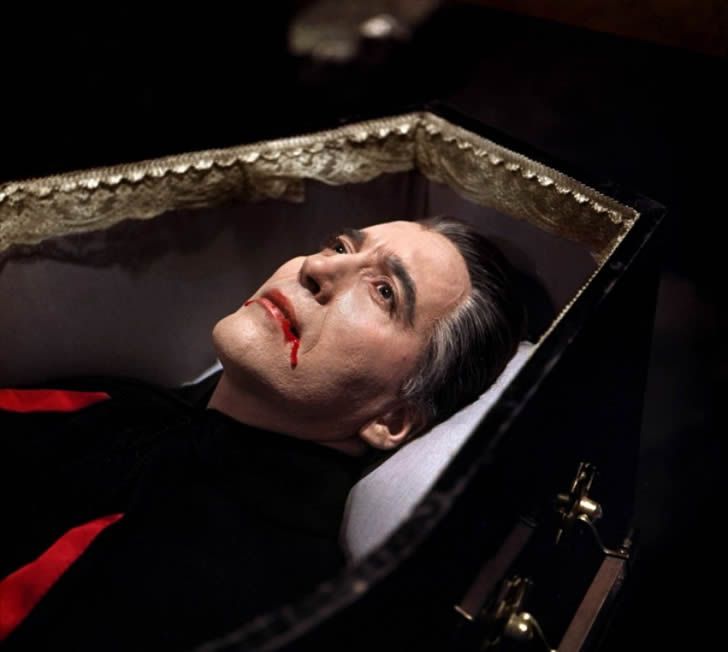
WILD ROSES are associated with #vampires because their thorns are often placed around the grave to stop a suspected vampire from returning. This is referenced in #Dracula, a long branch of wild rose must be placed in his coffin #FolkloreSunday
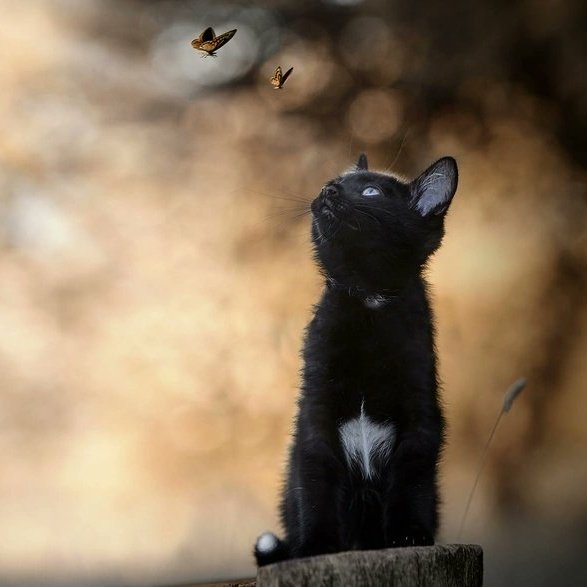
In Scots Gealic folklore the 'cait sìth' is a faerie cat, a faerie that takes the shape of a black cat with a distinctive white spot on it's chest.
also: 'lucha sìth', the 'faerie mouse'; 'cu sìth', the 'faerie dog'.
#Caturday#folklore#Scotland