Apply now for this fantastic fully-funded #PhD with me, @drelliott0net, @stwater, and @moorsforfuture!
Studying the impact of different #peatland restoration techniques on carbon, hydrology, and biodiversity! Starting January.
https://t.co/sTqUygrUGt
@PeatlandECR #PhDPosition
We had a great time today exploring with the land management community how we @DerbyUni can help with putting science into action on the ground, supporting an evidence-based approach. Thanks to all our contributors and attendees.
Amazing network session with some examples of the wares produced by many around Derbyshire trying to turn the tide on biodiversity loss and our climate crisis - Sadie Manning pictured here from @beadamoss with an example of five species of sphagnum cultured at their facility
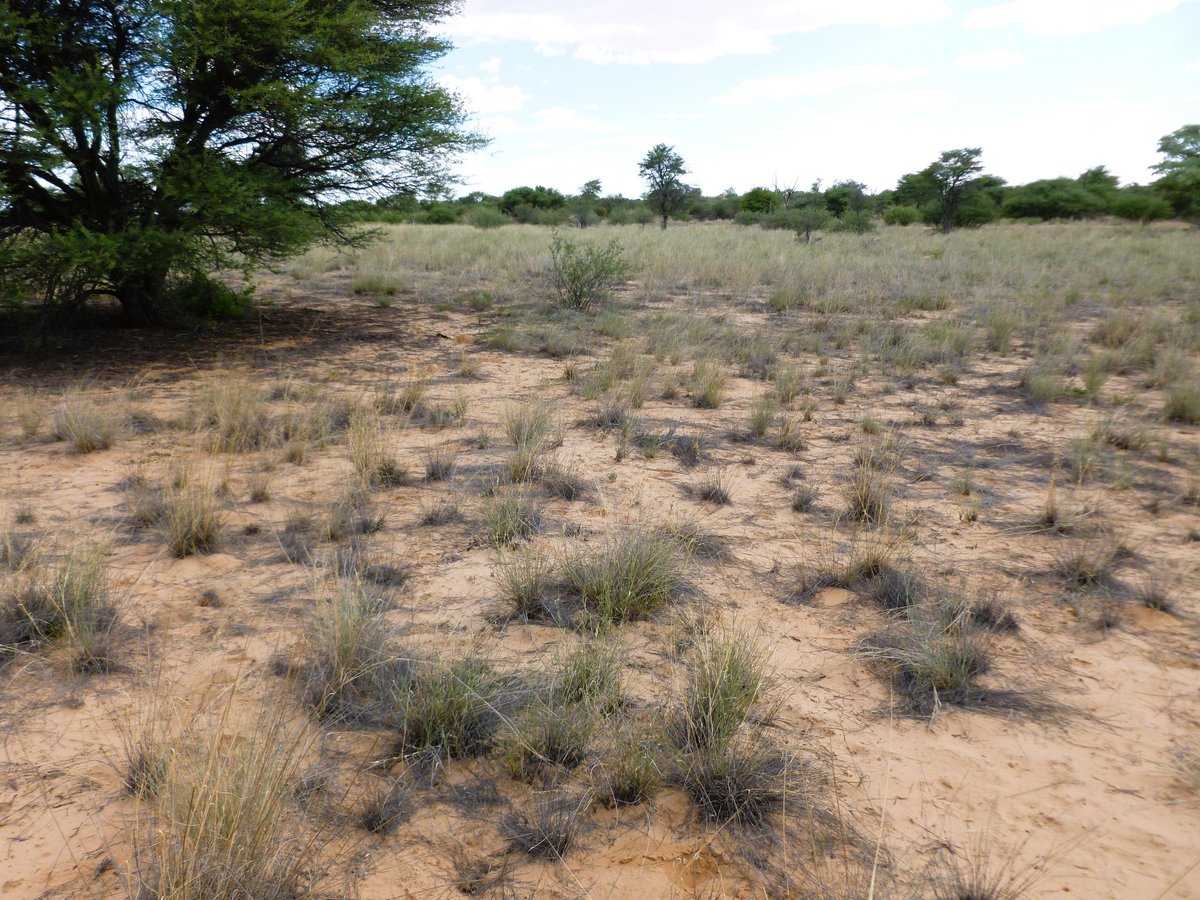
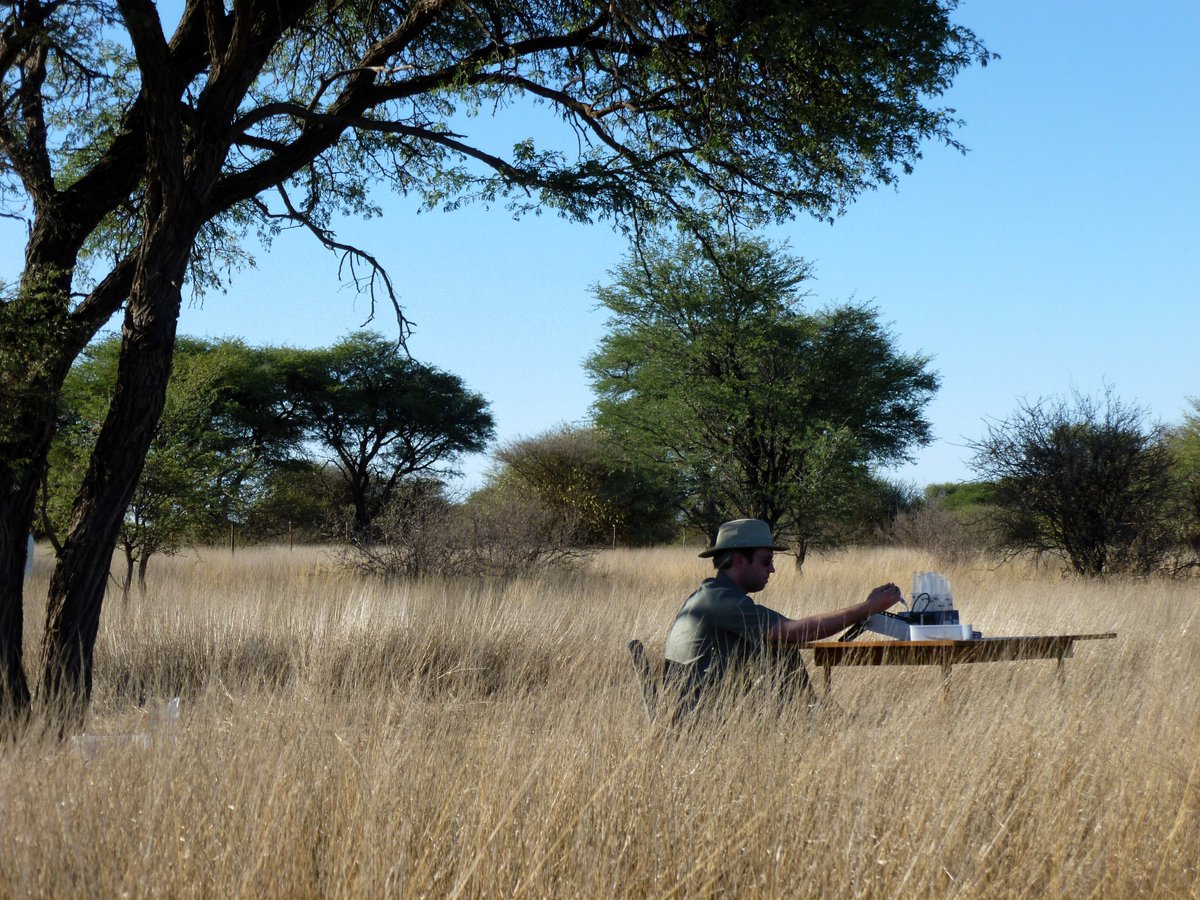
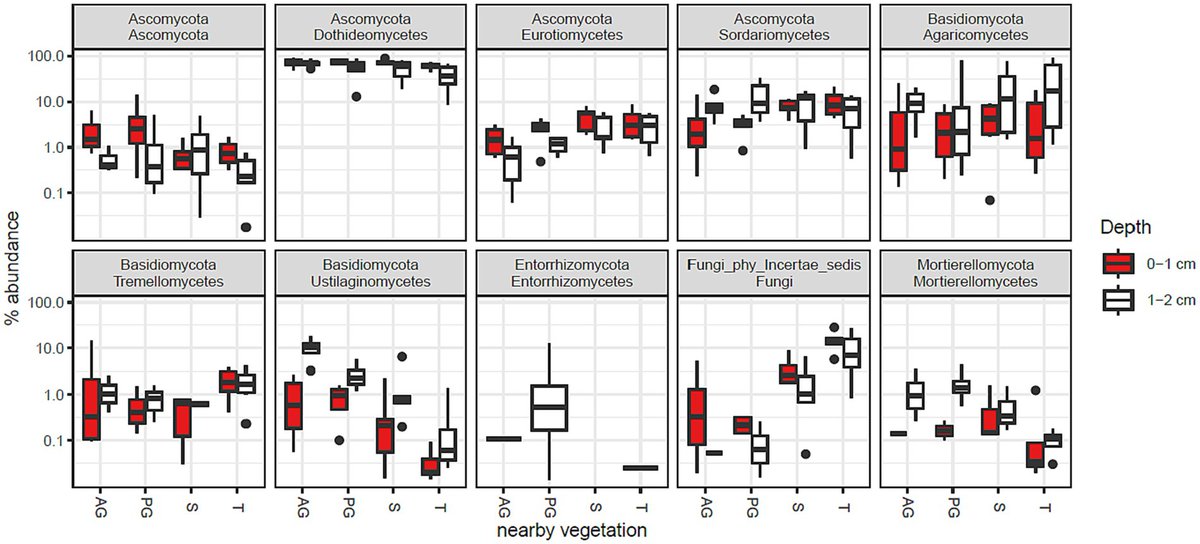
Exploring the microbial diversity of #soil is fascinating! In this paper we looked at the spatial arrangements of #fungi in relation to depth, plants, and the bacterial communities that we have previously studied, in Botswana.
Our latest work from the #Kalahari shows soil #biocrusts contain unique #fungal communities that interact with bacteria & are likely involved in nutrient & C transfers with plants
Open access paper https://t.co/zYasnxISY3
With @drelliott0net@Steve_Hoon@rsen5
@AndreasHeinem@em_hinchliffe@IUCNpeat Thanks, I've heard it described as peat forming before, but I never heard why it is considered so - in contrast to sphagnum. As you have shown, it exists in peat and maybe the contribution of long-lasting biomass to peat matrix is a significant role in itself.
@AndreasHeinem@em_hinchliffe@IUCNpeat Is Lindlow Man peat forming species then? Sphagnum moss contains hyaline cells which set up the waterlogged anaerobic conditions conducive to peat formation. Does heather make a similar special contribution other than creating biomass in the right locations?
Glad to have finally done some proper first aid training which I had not adequately prioritised before. The Rescue and Emergency Care course from Derek Burdett was fantastic. If I miss an admin deadline nevermind this was worth it.
@UrFreundHannah Could be there is more DNA in the dust! Is your quantification reliable? When I did this in dryland soils (sand), I got more yield from the sand than dust (powersoil kit), but not a massive difference.
Learnt a lot about #acoustic#ecology and enjoyed being part of this... Some interesting projects coming up. I think acoustic monitoring is a great tool for monitoring biodiversity change over time.
@AndreasHeinem I choose motorcycle for this, 65mpg is normal although most manufacturers strongly prioritise performance over economy. What the market wants I guess. Car is better for carrying stuff and more practical for fieldwork I admit.
@s_parting@viewranger@locusmap In my opinion, @locusmap is much better. I use the LoMaps most of the time as they are very clear and fast, you can even theme it to look like OS maps. I also buy the OS map when walking/cycling - and set it as an overlay which can be easily switched on/off.
@micro_mario @thecrobe @rsen5 I think it would be difficult but possible depending on the sample and staining method. Start by trying a PCR direct on the sample, with positive control (DNA target added) to see if there is any inhibition. If not working look at the techniques used in ancient DNA work.
@bert_hu_bert wow, I like the sound of this book. ribosome as 3d printer is a nice analogy. Microbial communities and evolution of symbioses could be an interesting topic to include, including endosymbiotic theory. Maybe it's in chapter 1 already.