A first-of-its-kind lawsuit against 11 UPF industries alleging they engineer their UPF products to be addictive with details on the actions taken to target children including internal memos, meetings & the research conducted to create addictive substances.
https://t.co/oT3EcfNbGq
New episode alert! In Episode 29 of the Food Addiction Podcast, we explore how engineered "foods" are contributing to the obesity crisis and addiction, with expert insights from Dr. Nicole Avena and Dr. Erica LaFata.
https://t.co/1lWDQdH5cN
Join Dr. LaFata and Dr. Avena as they dive into the truth about obesity and food addiction. Although addiction is often stigmatized, research shows that highly processed foods can hijack our brains, leading to this condition.
🔗 https://t.co/xVx0s5E1Oo
🎙️ Join Dr. LaFata and Dr. Avena in the latest episode of The Food Addiction Podcast-.
Dr. Avena breaks down how our bodies don’t need sugar to function and the powerful benefits of cutting back on added sugars. 🍬🚫
🔗 https://t.co/ei3eGpYFcC
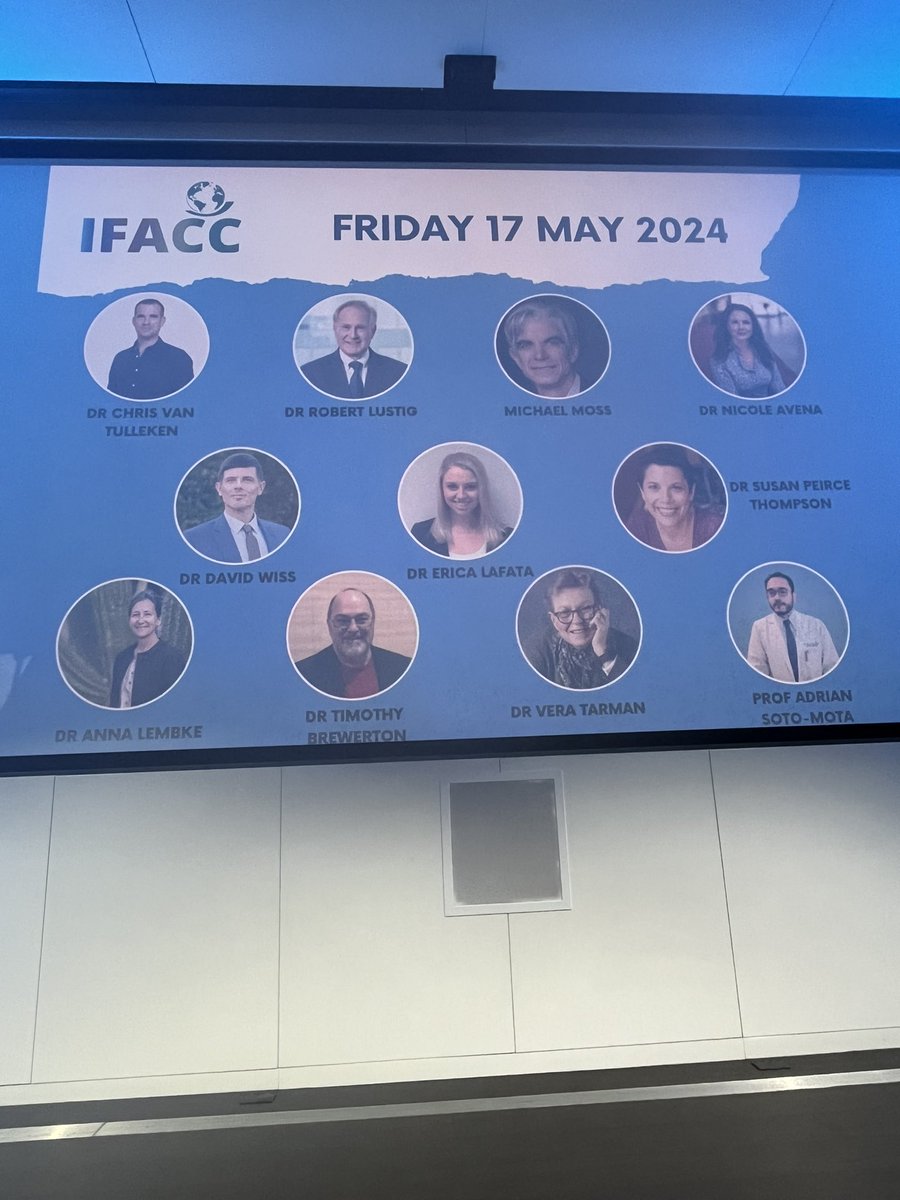
Great talk and fascinating work by Dr Erica La Fata at IFAC on the addiction-like triggering properties of ultra-processed food. She also tells us about the deny, denounce, delay tactics of the food industry
It’s an honor to be among the experts featured at the first International Food Addiction Consensus Conference. Looking forward to the collaborative initiatives that follow from this meeting!
In the past 5 years, the conversation has evolved from "ultraprocessed foods don't directly contribute to overeating" to "how do we define these foods in order to study their role further." Very exciting for the future of obesity and food addiction research.
Watching the convo on #ultraprocessedfood unfold at #Nutrition2019 was critical. Respected professionals in research, academia, and industry are having a different convo than media. @KevinH_PhD uncovered many more questions. Rightfully so. Important read https://t.co/keCKXOQVqE
@KevinH_PhD@sciencemagazine This line of research is incredibly important for determining the direct role these foods may play in driving overeating and obesity. Congrats!
Demonstrating the direct contribution that highly processed foods have in driving overeating is essential for public policy change and improved interventions- great new study!
Impactful new study demonstrating the efficacy of a #sodatax in Philly- very consistent with the public policy initiatives that could be helpful for #foodaddiction.
Our new study in @JAMA_current shows Philly’s sweetened beverage tax (#sodatax) leads to 38% drop in sales of sugar- and artificially sweetened beverages. That's great news for public health. https://t.co/TAp1TW9ILb
London recently imposed a ban on junk food advertising on its underground transport, rail, tram, & bus services. Health experts now call for local authorities to have more power to follow suit on advertising near parks & nurseries for consistent messaging.
https://t.co/GHSCkU9FdJ
This article provides interesting insights from an evolutionary perspective into differences in cognitive functioning as a result of intermittent fasting versus chronic overeating: https://t.co/d95DtTgt4H
Demonstrates neural underpinnings that contribute to the development and maintenance of obesity, plus raises questions about future studies needed to understand the role of the hypothalamus in body weight regulation.
A great new review from @cassandra_lowe et al explains how #BrainScience tells us that #obesity is about far more than simple conscious #choices. https://t.co/XcQZz7Nwss
"These food ads push foods that contribute to obesity, only worsening a public health crisis that disproportionately affects communities of color," said study author Jennifer Harris. https://t.co/Rn9kPNRamI
The interaction between longstanding regional food culture and the growing abundance of processed foods is interesting. Example: Comfort foods a staple of Southern states' cuisine + more availability/accessibility of processed comfort foods = greater consumption/weight gain?