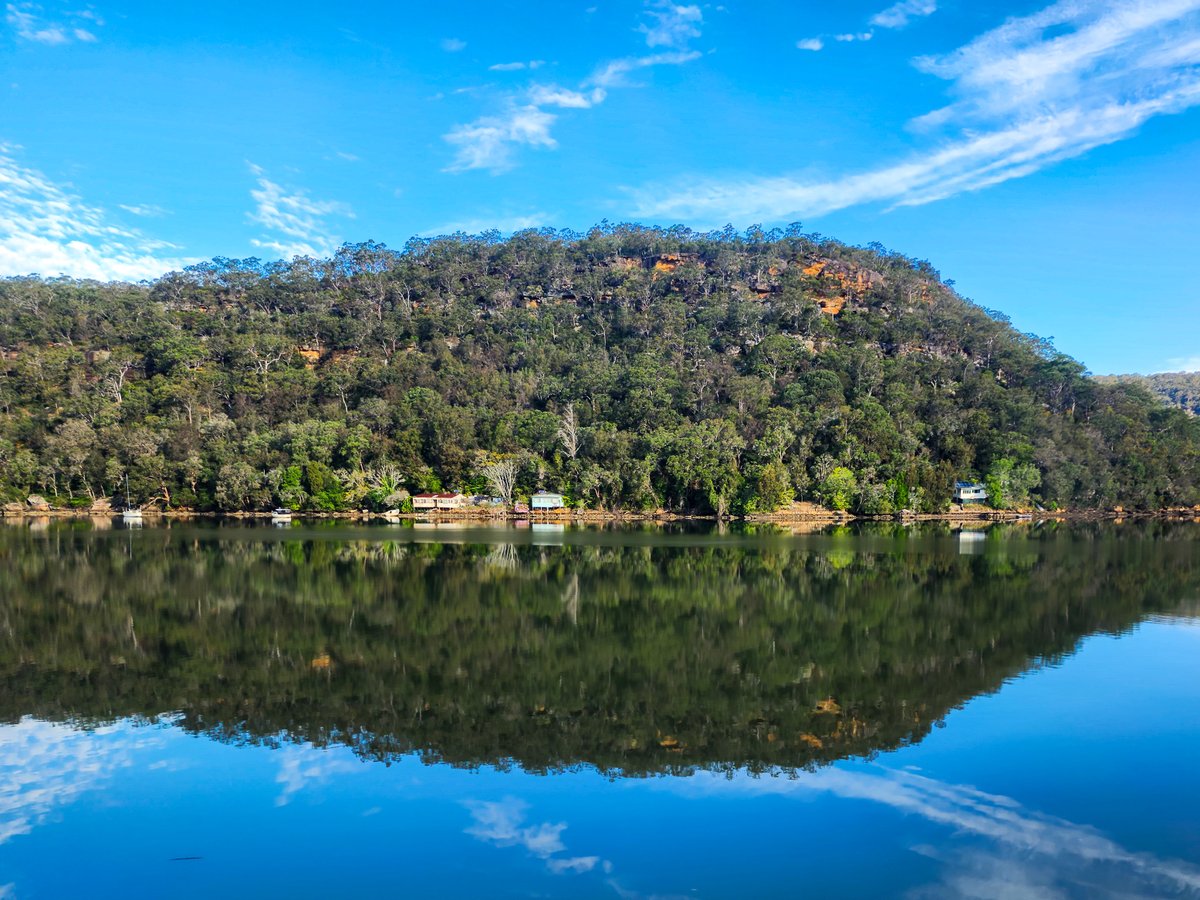
WONDABYNE, 65km from Central, is a famous, isolated station serving a collection of shacks in dense forest. It has two short platforms that only fit one train door. They have small shelters and a level crossing between. It's the only station in Australia with no road access (1/2)
For Kidney Health Advocates- lets all get on the same page: 1) only <5% of incident CKD is caused by HTN;2) progression of CKD can be slowed by treatment of HTN when proteinuria is concomitantly present; 3) HTN is mostly consequent to CKD, not caused by CKD.
SGLT2 inhibitors and GLP1-RA slow the worsening of kidney disease and improve cardiovascular outcomes in patients with CKD. A study shows that among patients with CKD, these agents are frequently discontinued, and discontinuation is associated with hospitalization, race, ethnicity, and vascular disease. https://t.co/6CPpuL3tU6
@ChristophWanne4 encourages cardiologists at #ESCCongress to order albumin/creatine ratio in spot urine for early detection of albuminuria and #CKD and highlights @ERAkidney ABCDE 🖐🏼campaign: albuminuria, blood pressure, cholesterol, diabetes & eGFR. @rolyathome
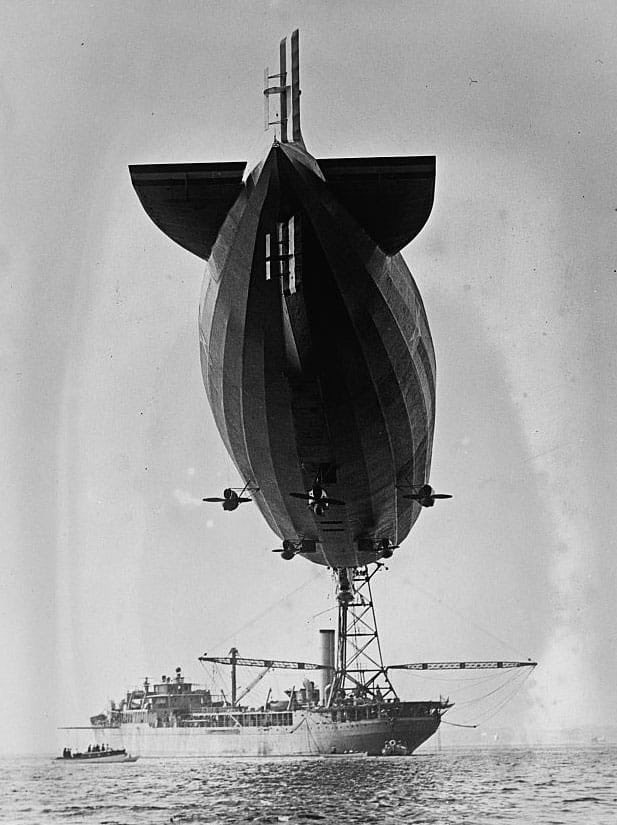
US Navy dirigible USS Shenandoah docks with airship tender USS Patoka off the coast of Newport, Rhode Island, proving that airships can operate from support ships far out at sea.
CKD is a risk factor for AKI. This is partly explained by the fact that the higher the baseline creatinine the lower the percent rise in creatinine required to meet the KDIGO definition of AKI
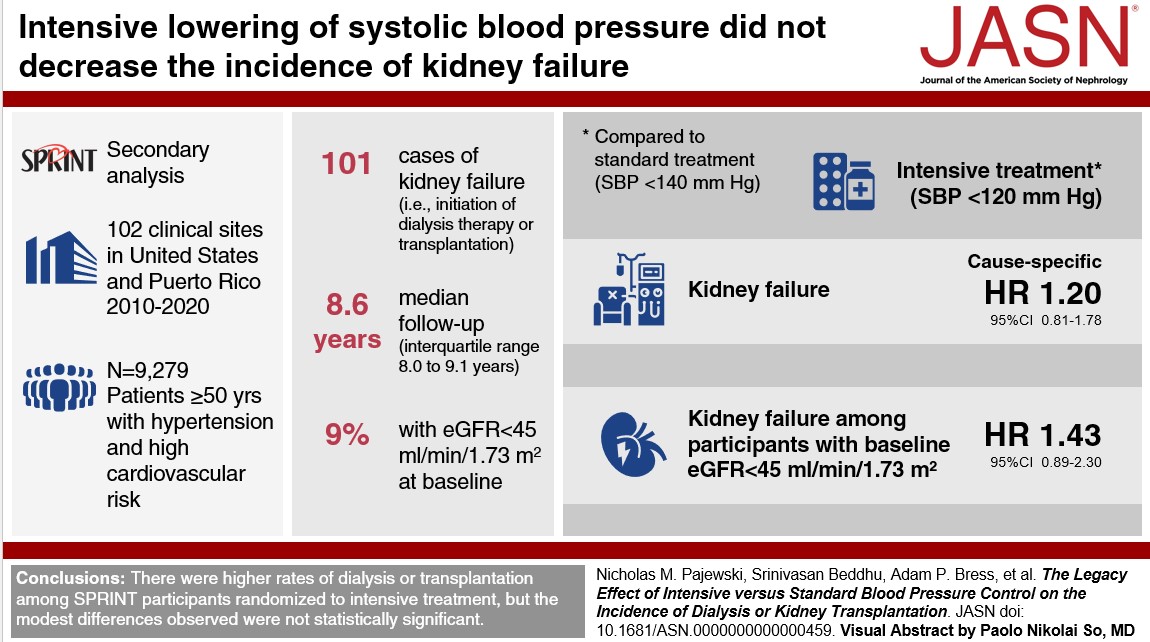
SPRINT showed that intensive lowering of systolic BP increased the risk of incident CKD and episodes of AKI. A study looked at legacy effect of intensive vs. standard systolic BP lowering on longer-term incidence of kidney failure. Rates of dialysis or transplantation were higher with intensive treatment, but differences were small https://t.co/XX0xO30zny