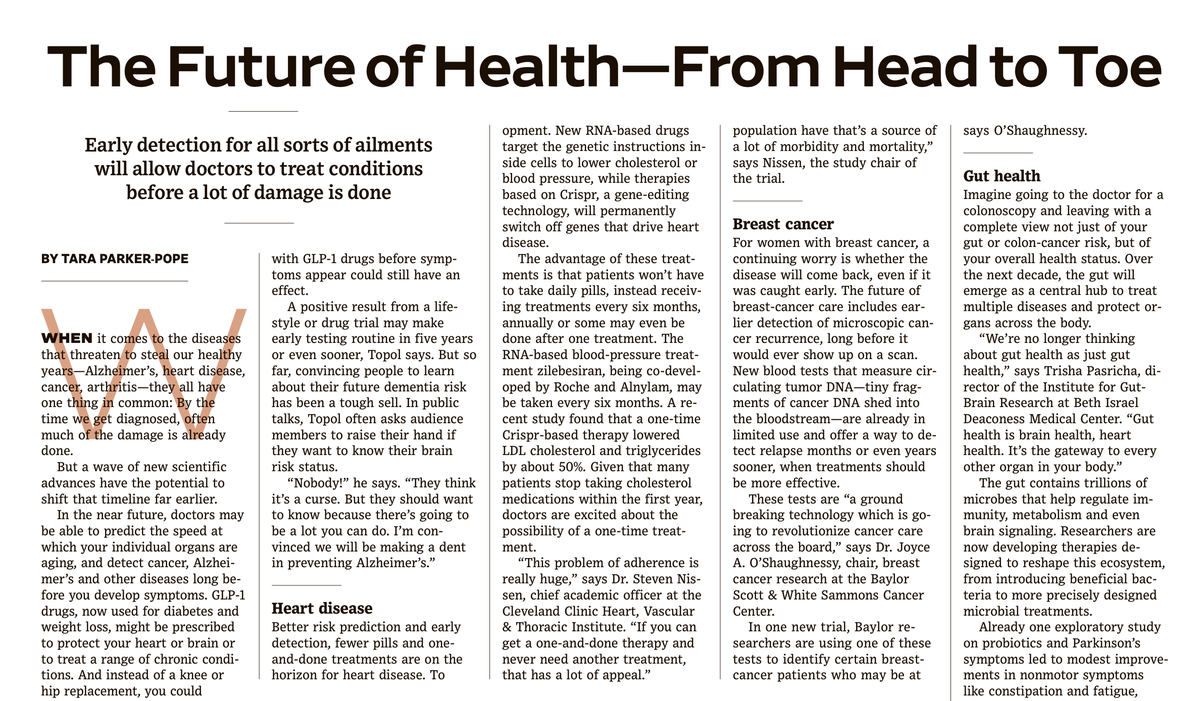
An inflection point in medicine.
Medicine is moving from calendars to clocks — from counting the years you've lived to measuring how fast you're aging.
—It's not linear.
—It's asynchronous, as seen by organs and cells in our body
A "translation" of our review paper this week in the new Ground Truths
Simplified image made with ChatGPT
The power of combination therapy in CKD: layering on the benefits
Triple combo — the biggest impact:
🔹 SGLT2i + ns-MRA + GLP-1RA: -68%
#Nephrology#CKD#SGLT2i
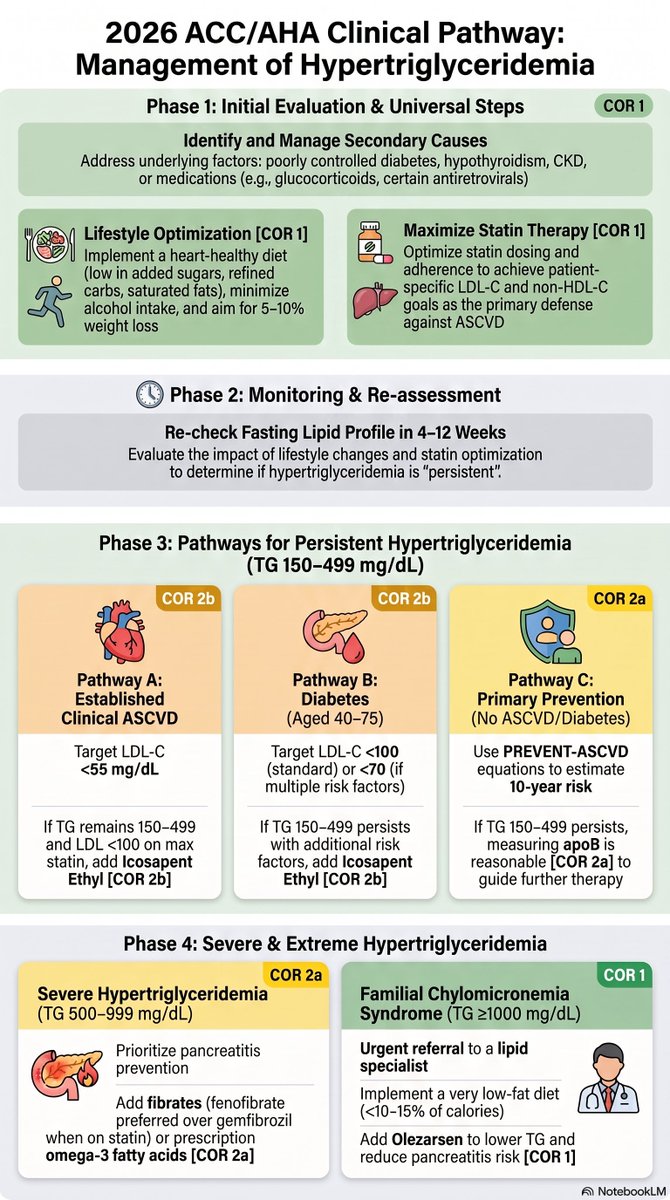
☕ Grab a cup of coffee and explore this visual summary of the 2026 ACC/AHA Guideline on Dyslipidemia Management.
This infographic highlights the major patient groups, key treatment pathways, and the latest medication updates to help translate the guideline into everyday clinical practice.
Whether you're a clinician, pharmacist, resident, or student, we hope this serves as a practical, quick-reference resource for evidence-based lipid management.
Happy reading!😍
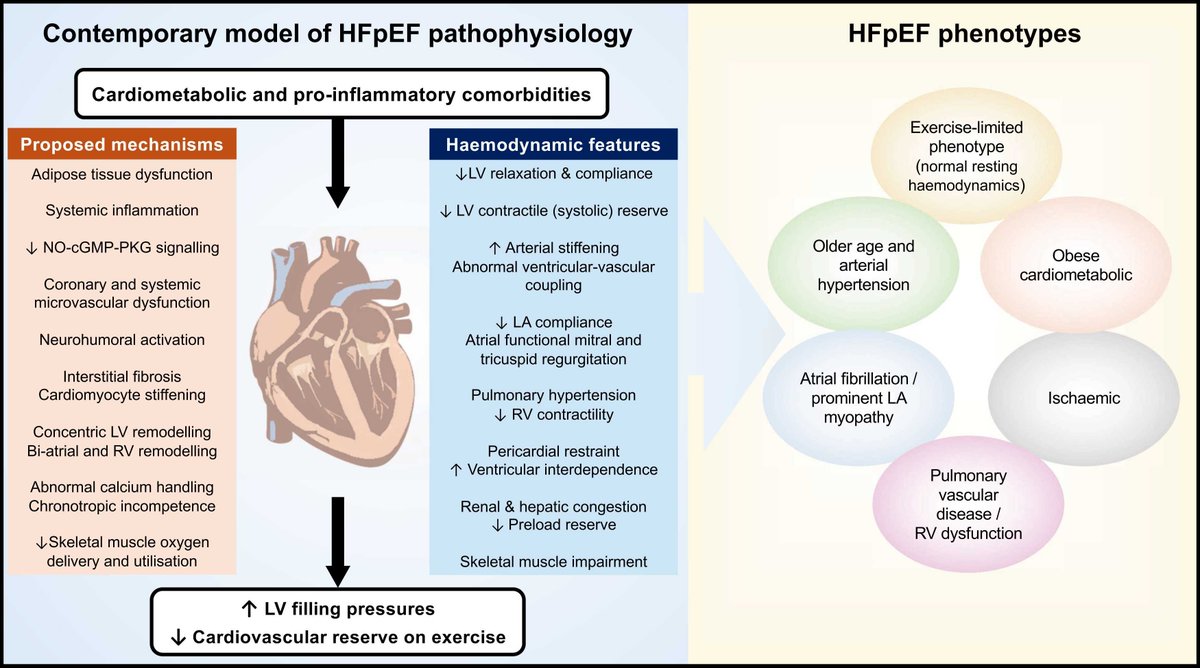
Diagnosing and managing HFpEF can be challenging.
Our new @ClinMedJournal review is a practical guide to recognising, diagnosing and managing HFpEF, including common pitfalls, current therapies, and what HFpEF is (and isn't).
https://t.co/D6zSVg5ggL
#HFpEF#HeartFailure#MedEd
🚨 The most comprehensive head-to-head comparison of obesity drugs to date just published in The BMJ.
📊 262 randomized trials. 99,791 participants. 19 drugs. Mean weight change vs lifestyle alone at 1 year:
💉 Tirzepatide −14.9%
💉 CagriSema −14.8%
💊 Oral semaglutide −10.9%
💊 Orforglipron −9.9%
💉 Subcutaneous semaglutide −9.8%
💊 Phentermine-topiramate −8.1%
⚖️ Increased GI adverse events across the board.
Increased fatigue was notable most among orforglipron, CagriSema, and naltrexone-bupropion
No meaningful benefits in quality of life metrics were noted.
💉 The pipeline agents ecnoglutide, mazdutide, retatrutide land in the 13–15% range, but the data are early.
🔑 A network meta-analysis is not a substitute for direct comparisons, and cross-trial populations differ.
https://t.co/v2B9ZYCSS9
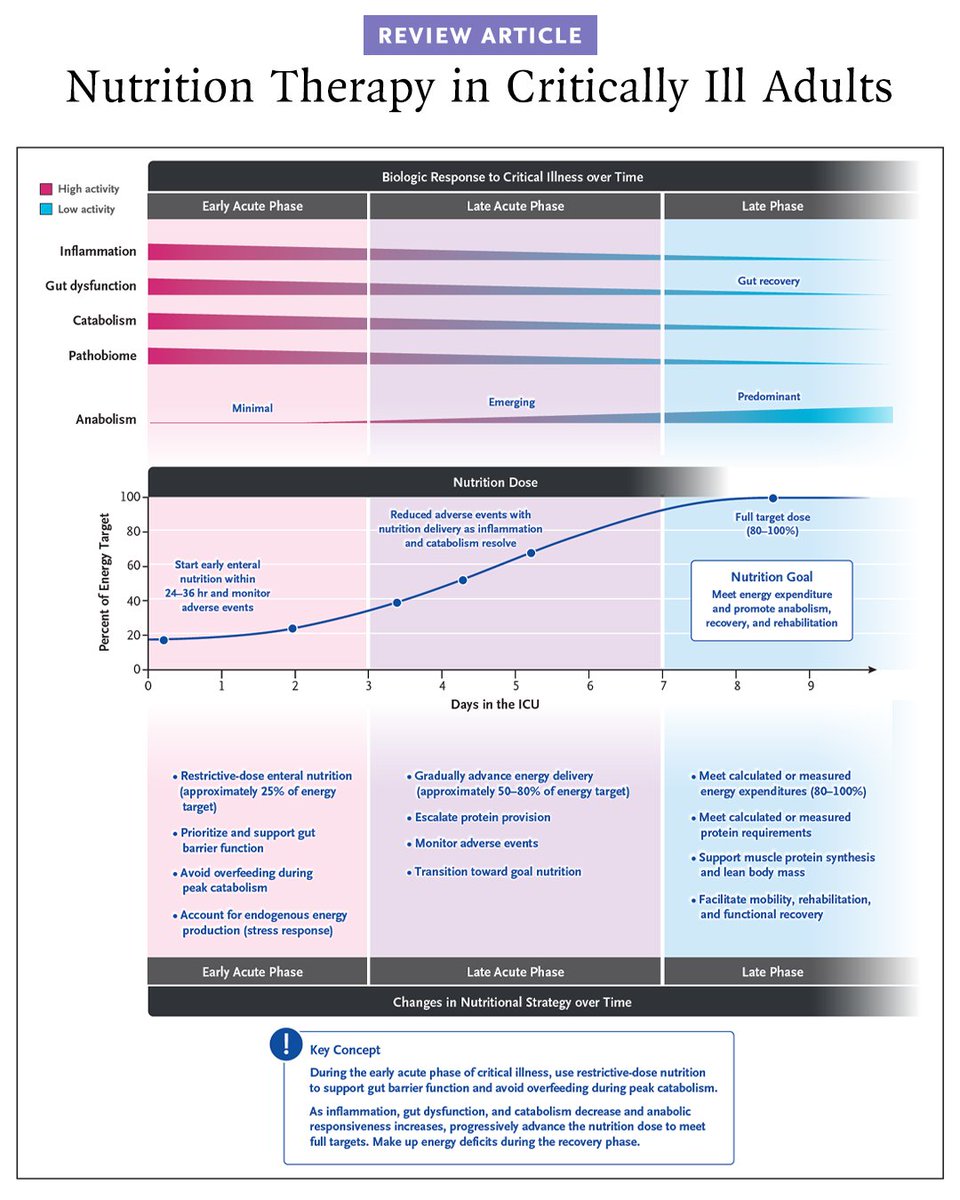
New in this week's issue of NEJM: Jayshil J. Patel, MD, and Stephen A. McClave, MD, review nutrition therapy in critically ill adults.
Nutrition therapy, the provision and monitoring of enteral and parenteral nutrition, is essential for critically ill adults who are unable to maintain volitional intake during both the acute and late phases of illness.
In the acute phase of critical illness, adults have severe catabolism, inflammation, muscle loss, and gut dysfunction, all of which shape nutritional requirements. Early enteral nutrition supports gut integrity and microbiome health, but trials have shown that early short-term parenteral nutrition is a safe alternative when enteral feeding is not possible. Large trials have shown that early full-dose energy delivery offers no benefit over restrictive dosing and may increase gastrointestinal and metabolic complications, findings that support a restrictive nutrition strategy, especially in patients who have circulatory shock or are at risk for refeeding syndrome. Similarly, large trials have shown no advantage of high-dose over standard-dose protein and suggest harm in patients with acute kidney injury. Because adverse events are common with enteral nutrition, safe nutrition delivery requires gradual advancement, strategies for prevention of refeeding syndrome, glycemic control, and avoidance of routine gastric residual volume monitoring. Patient heterogeneity underscores the need for precise, biomarker-guided, phase-specific nutrition to preserve lean muscle mass and improve recovery.
Read the full review: https://t.co/8W5uAgxrl4
#Endocrinology
💊 RAAS inhibitors remain the cornerstone of CKD care—but monitoring is key. 🩺
✅ Check BP, creatinine/eGFR & K⁺ before starting
🔄 Recheck in 2–4 weeks (≈1 week if high-risk)
⚠️ Manage hyperkalemia early to keep RAASi on board whenever possible.
🔗 https://t.co/rsTghZVk73
🚨 Hypertension treatment is changing fast
✅ New target: <130/80, <120 systolic encouraged.
✅ New tools: Endothelin antagonism, RNA interference, RDN
The era of precision hypertension management has arrived
https://t.co/SY9HSZZRJe
#JACC#Hypertension#HeartHealth#Cardiology
Stellar review of the recent and remarkable advances vs Alzheimer's disease (AD).
Towards "a future where AD is not only treatable but also preventable."
@CellCellPress
https://t.co/p3hbqkDrtF
A novel sarcopenic obesity index served as a clinically meaningful predictor of cardiovascular risk and lent further insight into accompanying genetics and possible therapeutic targets.
Learn more ↪️ https://t.co/79I79MI4Ny #JACC
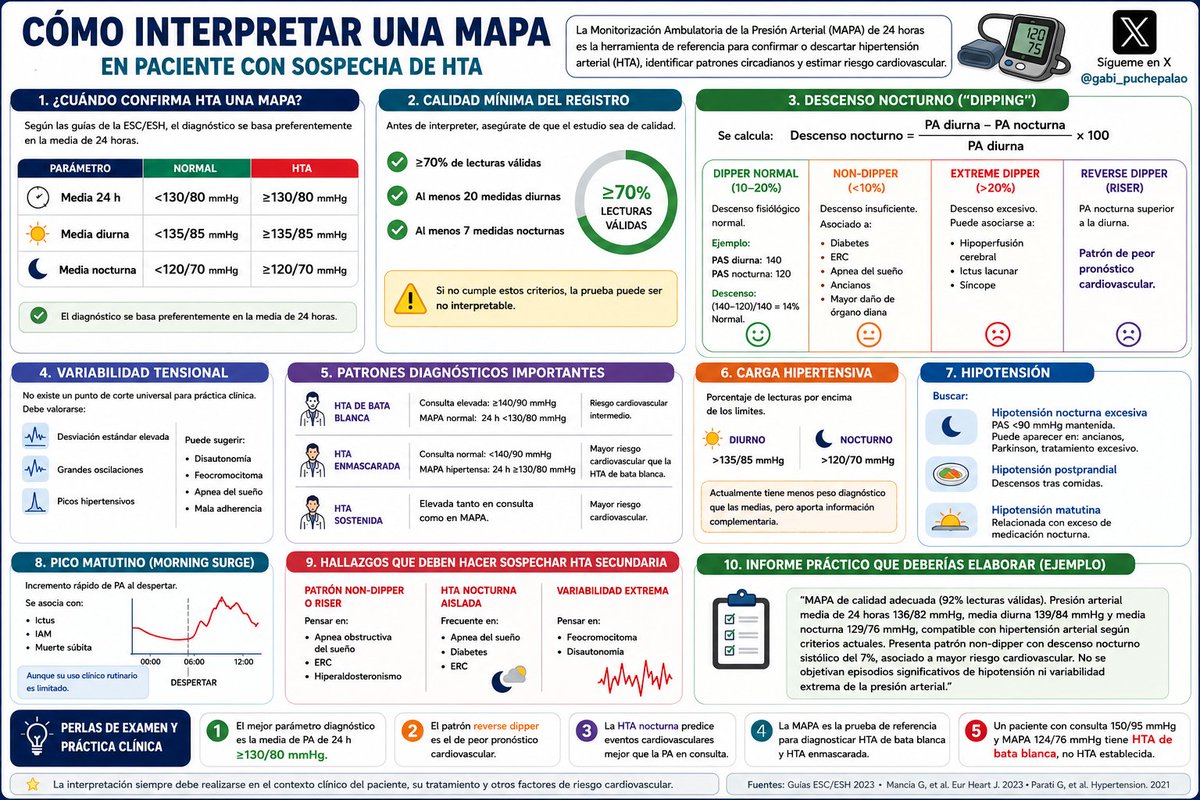
📈 ¿Cómo interpretar una MAPA en un paciente con sospecha de HTA?
La MAPA sigue siendo 🪙gold standard para confirmar o descartar hipertensión, identificar HTA de bata blanca, HTA enmascarada y valorar el patrón circadiano de la PA. #CardioTwitter#MedTwitter
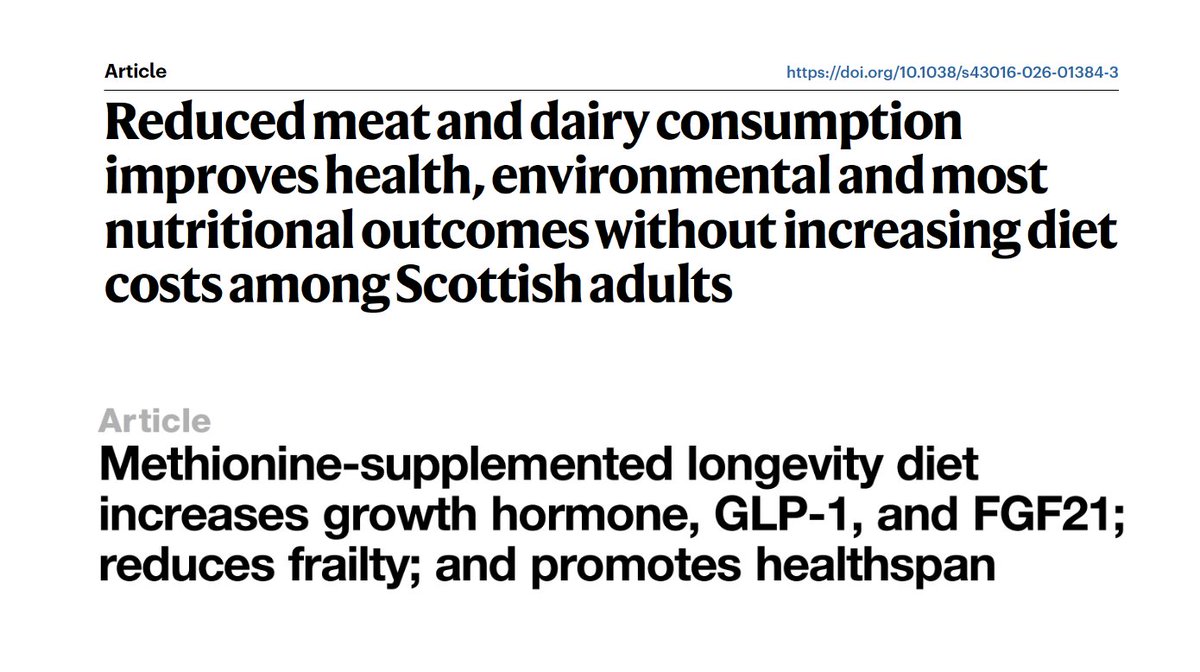
Two new reports highlight the link between proteinmaxxing and adverse health outcomes, especially protein from animal sources
1. Reducing red meat and dairy intake in Scotland
@NatureFoodJnl
https://t.co/FEhMLN6Tl9
2. Promoting healthspan with a low-protein, pescatarian diet
@Cell_Metabolism
https://t.co/2BMsg7RIJh
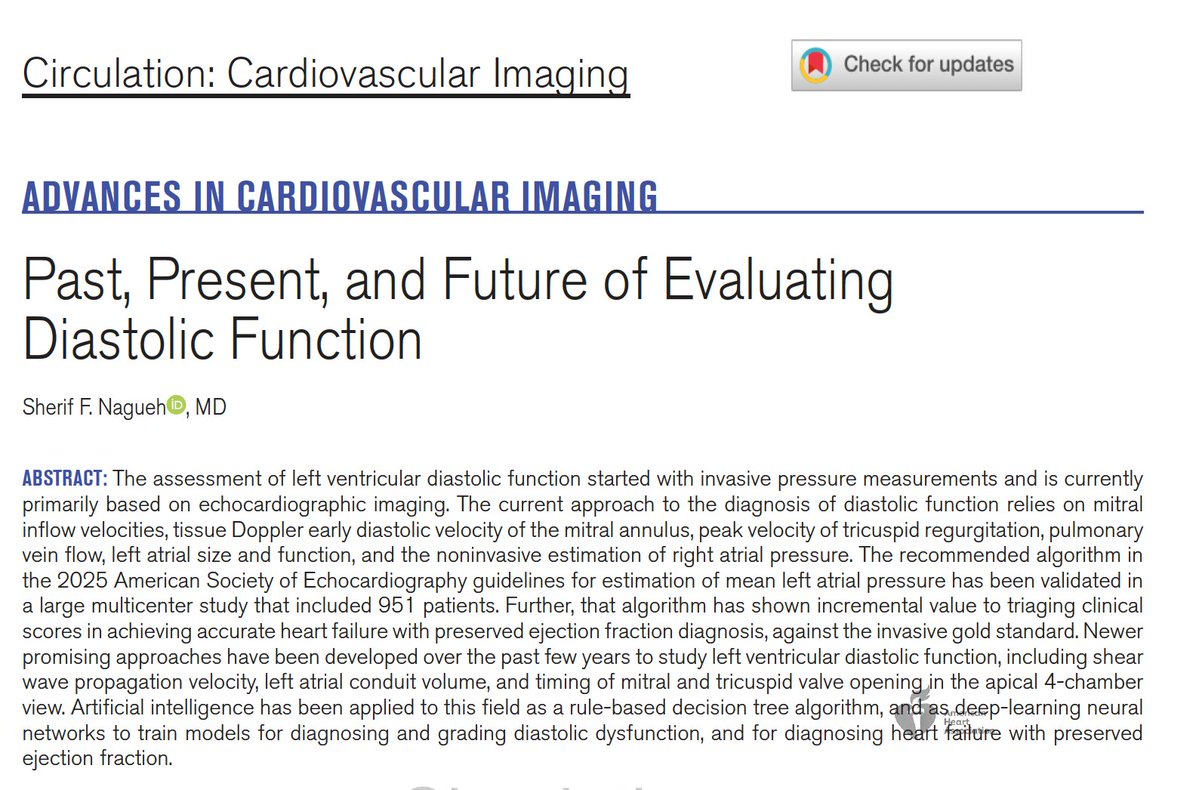
Past, Present and Future of Evaluating Diastolic Function
A new review by Sherif F. Nagueh provides a comprehensive overview of how the assessment of left ventricular (LV) diastolic function has evolved—from invasive haemodynamic measurements to advanced echocardiographic and AI-driven approaches.
Historically, evaluation relied on cardiac catheterisation and direct measurements of filling pressures. The introduction of Doppler echocardiography transformed clinical practice, allowing non-invasive assessment through mitral inflow, pulmonary vein flow, tissue Doppler imaging, and later, left atrial (LA) function analysis.
The review highlights the major advances incorporated into the 2025 ASE diastolic function guidelines, which simplify assessment and improve diagnostic accuracy. The new algorithm uses age-adjusted e′ velocity, E/e′ ratio, pulmonary artery systolic pressure (PASP), pulmonary vein flow, LA reservoir strain (LARS), LA volume, and IVRT to estimate left atrial pressure and grade diastolic dysfunction. Importantly, validation studies demonstrated excellent performance with very low rates of indeterminate classification.
The article also discusses practical aspects of implementation, emphasizing the importance of high-quality image acquisition, dedicated LA views, and careful interpretation of variables that may be affected by specific clinical conditions.
Looking ahead, emerging techniques such as shear-wave propagation imaging, novel markers of atrial function, and artificial intelligence-based algorithms may further improve the diagnosis of diastolic dysfunction and heart failure with preserved ejection fraction (HFpEF), moving the field towards more accurate, reproducible, and automated assessments.
#CardioTwitter #Echocardiography #Diastology #HFpEF #CardiacImaging #ASEGuidelines #ArtificialIntelligence #CardiologyResearch
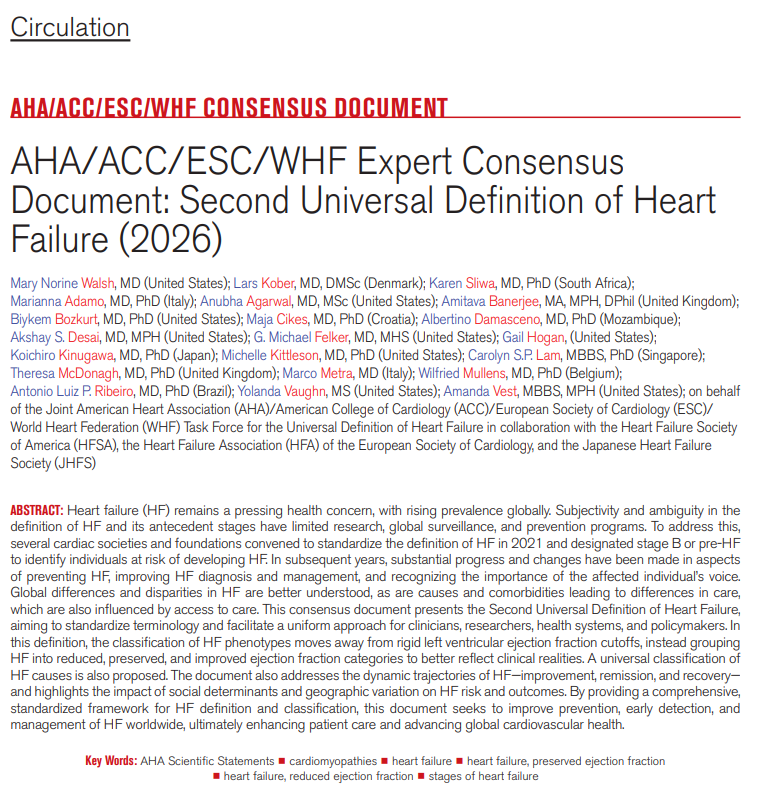
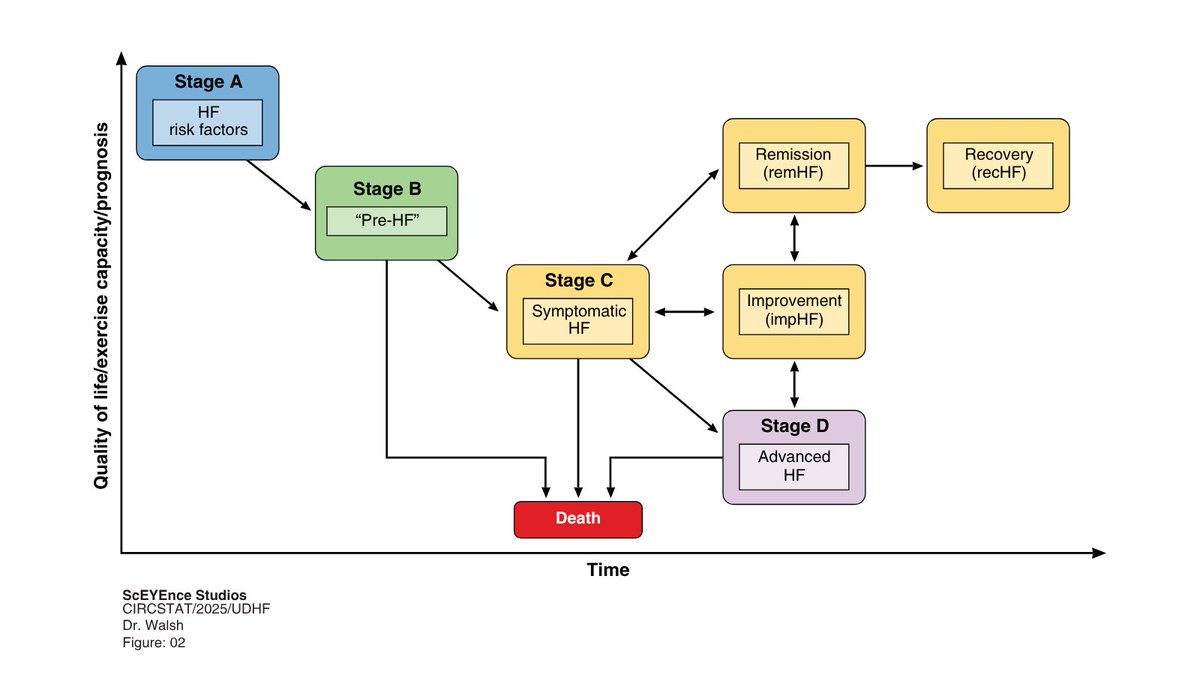
🚨 New publication: AHA/ACC/ESC/WHF Expert Consensus on the Second Universal Definition of Heart Failure (2026) is out.
Honoured to be part of the writing group on this global effort. It moves us toward more nuanced, individualised HF care!
🔗https://t.co/0w2W4QQDbc
El efecto de la anestesia general y la ventilación mecánica en la evaluación ecocardiográfica de la función cardíaca
👓 https://t.co/fVULgl32lG ◀️
En las estenosis valvulares, la velocidad máxima y el gradiente dependen del flujo y pueden disminuir bajo anestesia general, con potencial infraestimación, en particular en estenosis aórtica, mientras que el área valvular por continuidad y el índice adimensional tienden a ser más estables, aunque exigen adquisición cuidadosa
✅ En "García Fernández te pone al día"
👉Lifetime LDL-C Exposure: The Forgotten Determinant of Atherosclerotic Risk
📍LDL-C is not just a number—it’s cumulative exposure over time.
📍Think beyond LDL-C levels. Think plaque-years.
📍The earlier you lower LDL-C, the greater the lifetime benefit.
📍Starting treatment at 45 is better than never—but starting at 30 changes the trajectory.
📍Every year with elevated LDL-C adds to the arterial burden. Those years cannot be erased.
📍Prevention is not about treating cholesterol. It’s about preventing decades of plaque accumulation.
📍The most powerful lipid-lowering therapy isn’t necessarily the strongest drug—it’s early intervention.
☝️Lower LDL-C. Earlier. Longer.
@society_eas@nationallipid
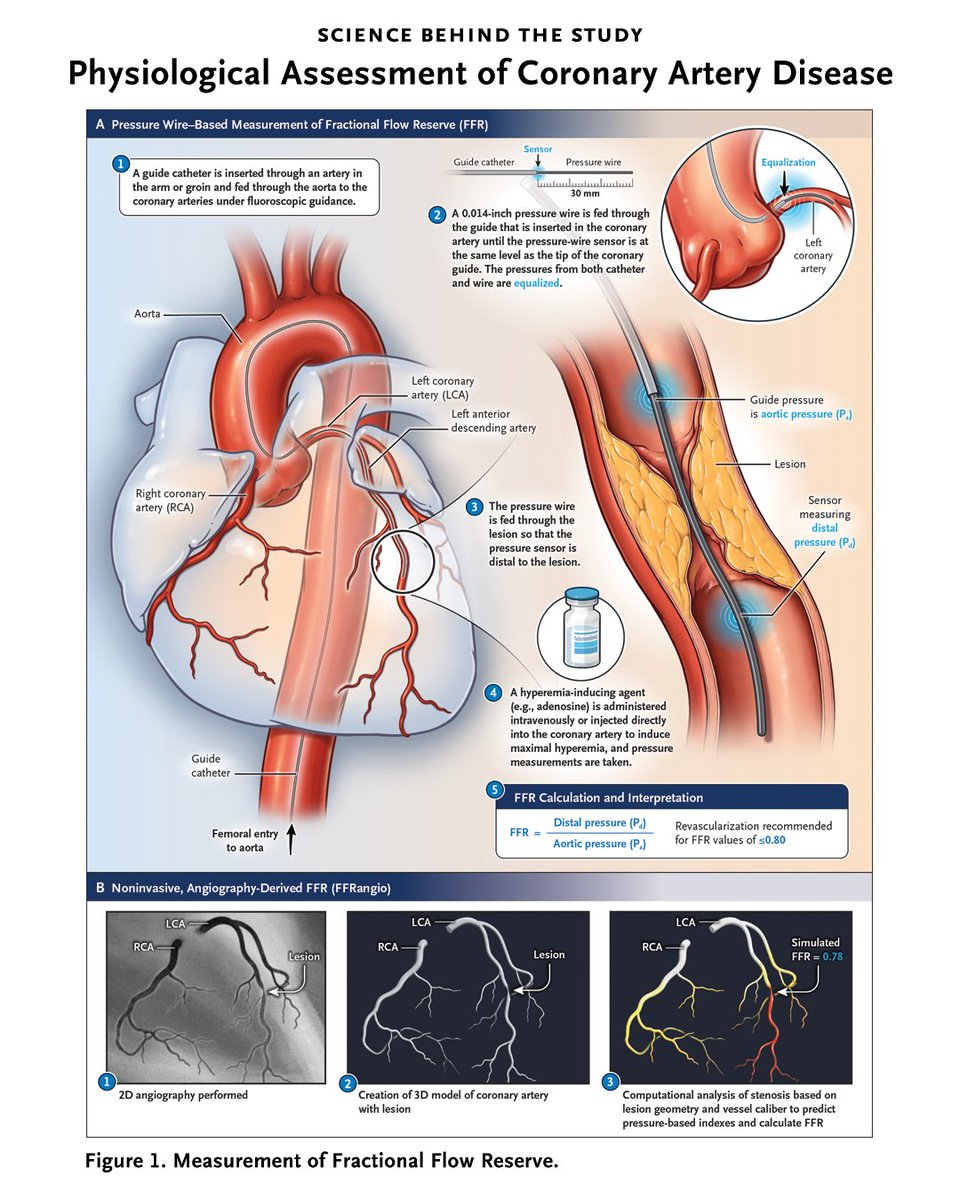
Amanda Randles, PhD, describes the scientific foundations of two trials comparing how noninvasive and invasive assessments of fractional flow reserve affect clinical outcomes.
Learn more about the science behind the study in the editorial “Physiological Assessment of Coronary Artery Disease”: https://t.co/t0qS5itiXq